
Packing a nursing bag efficiently means transforming a chaotic sack of baby gear into a streamlined, mobile care station where every essential is reachable within seconds. When you are out with a baby, a sudden diaper blowout or a hungry cry requires immediate action, not a frantic search through a bottomless pit of loose items. A well-organized bag balances weight to protect your back, keeps clean items sanitary, and adapts to the specific demands of your destination.
In tropical climates like the Philippines, packing requires extra mindfulness. The transition from intense outdoor humidity to heavily air-conditioned shopping malls or restaurants means your bag must accommodate rapid temperature shifts and moisture control. By establishing a systematic packing routine, you can step out of the house with the confidence that you are prepared for any scenario without carrying unnecessary physical strain.
Assess Your Outing Needs Before Packing
Before placing a single item into your bag, take a moment to evaluate the specific parameters of your trip. Overpacking is a common pitfall that leads to unnecessary physical fatigue, while underpacking can leave you stranded in an uncomfortable situation. Start by calculating the exact duration of your outing, as a quick thirty-minute trip to a local neighborhood store requires a vastly different inventory than a full-day family gathering or a doctor’s visit.
Products mentioned in this guide
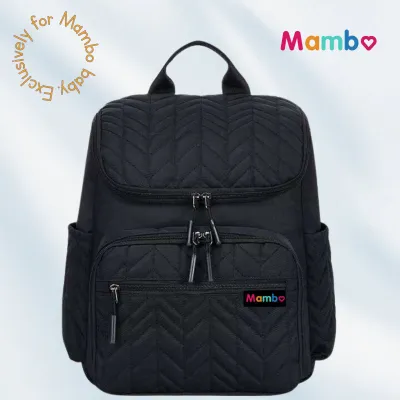
Prices are valid at publication and may change. Please refer to the product page for the latest price.
Consider the facilities available at your destination. Modern urban spaces and major shopping centers often feature dedicated family lounges equipped with private nursing cubicles, hot water dispensers, and padded changing tables. If you are heading to an outdoor park, a local market, or an area with fewer amenities, you will need to pack more self-sufficient gear, such as a larger portable changing mat, extra sanitizing wipes, and pre-measured water.
Your baby’s current developmental stage and feeding method dictate the core contents of the bag. A newborn who feeds frequently and requires multiple diaper changes daily demands a high volume of basic hygiene supplies. An older infant who has started solid foods will need spill-proof snack containers, baby spoons, and silicone bibs, but fewer diaper changes. Tailoring your packing list to these variables ensures your bag remains as light and functional as possible.
Build a Practical Nursing Bag Checklist
A reliable checklist serves as your mental safety net, ensuring you never leave home without critical supplies. Divide your inventory into logical categories to streamline both the packing process and the retrieval of items on the go.

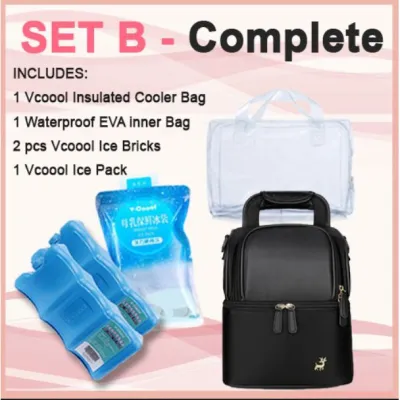
For feeding supplies, your selection depends entirely on your feeding journey. If you are breastfeeding, a lightweight, breathable nursing cover and a soft burp cloth are essential for comfort in public spaces. For formula feeding, pack sterilized bottles, a multi-compartment formula dispenser with pre-measured portions, and a thermos of clean, warm water. If you pump, verify the manufacturer’s guidelines for storing breast milk safely in transit, and include breast milk storage bags alongside insulated cooling elements if your trip is extended.
Diapering and hygiene items form the core of your mobile station. Pack a reliable count of diapers, a travel-sized pack of gentle baby wipes, and a compact, wipeable portable changing pad to provide a clean barrier on public surfaces. Include a small tube of diaper rash cream to address sudden skin irritation. Always pack several sealable, biodegradable disposal bags to hygienically store soiled diapers and wet wipes when trash bins are not immediately accessible.
Clothing and comfort items protect against unexpected messes and temperature drops. Always pack at least one complete change of clothes for your baby, including a bodysuit, socks, and a lightweight swaddle. Because spit-up and diaper leaks can easily transfer to caregivers, packing a spare lightweight t-shirt for yourself is a highly practical safeguard. If your baby uses a pacifier, store it in a clean, dedicated case, and include one or two small, easily washable soothing toys to keep them entertained.
Do not forget caregiver necessities, as maintaining your own energy and comfort is vital. Dedicate a secure pocket for your personal essentials, including your wallet, phone, keys, and a reusable water bottle to stay hydrated in warm weather. Pack quick, non-perishable snacks like nuts or energy bars to keep your stamina up during long stretches away from home.
Organize the Bag for Quick Access and Balance
How you arrange the items inside your bag is just as important as what you pack. A disorganized bag forces you to rummage blindly while holding a crying baby, which increases stress and compromises hygiene. The key to efficient organization is compartmentalization.
Group related items into separate, color-coded pouches or packing cubes to create a “bag within a bag” system. Designate one pouch exclusively as your diapering clutch, containing only diapers, wipes, and a changing pad, so you can grab it quickly for a restroom trip without carrying the entire bag. Create a separate feeding kit for bottles and bibs, and a small, clear first-aid pouch for baby-safe sun protection, adhesive bandages, and personal care items.
Take full advantage of your bag’s built-in structural features. Use insulated interior pockets to keep bottles upright and maintain their temperature for as long as the manufacturer specifies. Reserve easily accessible outer pockets for high-frequency items that you must grab instantly with one hand, such as hand sanitizer, dry tissues, and baby wipes.
Ergonomics play a crucial role in preventing physical strain during long walks. Place the heaviest items, such as full water bottles, thermoses, and packed changing clutches, close to the back panel of the bag and near the bottom. This keeps the center of gravity close to your body, reducing the leverage that pulls on your shoulders and lower back. Lighter items, such as spare clothing, muslin blankets, and soft toys, should be layered toward the front and top of the bag.
Always keep an emergency kit at the very top of the main compartment. This should consist of a single diaper, a small pack of wipes, and a clean change of clothes. If an urgent blowout occurs, you can access these items instantly without unzipping multiple compartments or digging through the lower layers of the bag.
Adapt Your Packing for Different Scenarios
A static packing list can lead to unnecessary bulk on short trips or a shortage of supplies on longer journeys. Learn to scale your gear dynamically based on the weather, duration, and your baby’s growth.
For quick neighborhood errands lasting under an hour, strip your bag down to the absolute essentials: one diaper, a travel pack of wipes, a single burp cloth, and your personal keys and phone. For full-day travel or overnight stays, expand your inventory to include extra clothing layers, a larger volume of feeding supplies, and additional hygiene items, utilizing a larger travel backpack if necessary.
Weather conditions in tropical regions require specific adaptations. When stepping out into high humidity or during the monsoon season, pack a lightweight, water-resistant cover for your bag or stroller, and store all spare clothing in airtight plastic bags to keep them dry. To handle the transition into heavily air-conditioned indoor spaces, always carry a breathable muslin blanket or a light cardigan to protect your baby from sudden drafts.
As your baby transitions from infancy to toddlerhood, your packing strategy must evolve. Replace newborn-specific items with toddler gear, such as spill-proof straw cups, silicone snack cups, and interactive books or toys. Since older babies are more mobile and prone to getting dirty outdoors, increase the number of wet wipes and pack a small bottle of baby-safe hand and face wash.
Maintain the Bag and Verify Item Safety
A nursing bag is a highly active environment that can quickly accumulate dirt, crumbs, and moisture. Establishing a regular maintenance routine is essential for keeping the bag hygienic and ensuring all gear remains safe for your baby.
Set aside time at the end of every week to completely empty the bag. Shake out loose crumbs, discard accumulated trash, and wash any soiled clothes or burp cloths. Wipe down the interior lining with a damp cloth and a mild, baby-safe detergent, then allow the bag to air dry completely in a well-ventilated area to prevent the growth of mold or mildew in humid conditions.
Pay close attention to the safety and freshness of stored consumables. Check the expiration dates on packaged baby snacks, formula portions, and sanitizing wipes, replacing any items that have dried out or expired. Always follow the manufacturer’s specific instructions regarding how long breast milk or prepared formula can safely remain in insulated pockets, as ambient tropical heat can accelerate spoilage if safety limits are exceeded.
Regularly inspect the structural integrity of your bag to prevent sudden gear failure while you are out. Check that all zippers glide smoothly, shoulder straps are securely stitched, and stroller clips or attachments are free of cracks or wear. Replacing a worn strap or clip early prevents accidental drops that could damage glass bottles or spill essential supplies.
Frequently Asked Questions (FAQ)
How many diapers should I pack for a day trip?
To calculate the ideal number of diapers, start with your baby’s typical daily changing frequency and divide it to match the hours you expect to be away. As a general rule of thumb, pack one diaper for every two to three hours of your outing, then add a buffer of two extra diapers. This safety margin ensures you are fully prepared for unexpected travel delays, sudden digestive changes, or growth bursts without carrying excessive bulk.
Can I use a regular backpack instead of a dedicated nursing bag?
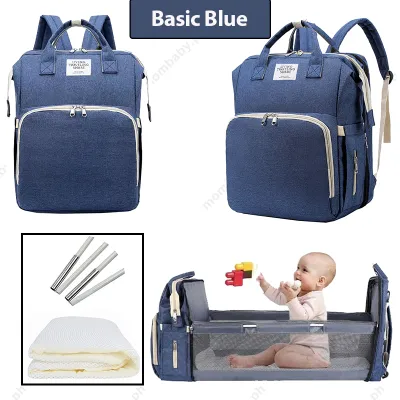
Yes, you can easily adapt a standard backpack for baby duty by using smart organizational workarounds. While regular backpacks lack built-in insulated bottle pockets or integrated changing pads, you can replicate these features by purchasing standalone insulated bottle sleeves and a compact, folding changing mat. Use structured packing cubes or clear zippered pouches to create the dedicated compartments that a specialized nursing bag would naturally provide, and use clip-on stroller straps to secure the backpack to your stroller handle safely.
Community discussion
Share your experience or ask a question. Comments are reviewed before publication.