
Packing a maternity bag for mom and baby requires a systematic approach that balances quick access with space optimization. In a tropical climate like the Philippines, where high humidity, sudden downpours, and rapid transitions between hot outdoor streets and heavily air-conditioned spaces are common, your packing strategy must be highly adaptable. By utilizing dedicated compartments, organizing items into modular pouches, and prioritizing high-frequency essentials, you can transform a chaotic diaper bag into an efficient, stress-free mobile station.
Preparing Your Maternity Bag: What to Consider Before Packing
Before stuffing items into your bag, analyze its physical layout. Look at the number of internal dividers, zippered pockets, and elasticized slots. A bag with a wide-mouth opening or a structured frame allows you to see everything at a glance, whereas deep, narrow bags can quickly become difficult to navigate. Assess the total capacity to ensure it matches your typical outing profile without becoming overly bulky.
Consider where you are going and how long you will be away. A quick two-hour trip to a local neighborhood clinic requires a vastly different setup than an all-day excursion to an outdoor park or a large shopping mall. In humid tropical environments, items like extra changes of clothes, sweat wipes, and breathable muslin swaddles become much more critical. If you plan to spend time outdoors, you must account for sun protection and insect repellents, whereas indoor mall trips might require an extra light jacket or blanket for the baby to combat cold air conditioning.
Products mentioned in this guide
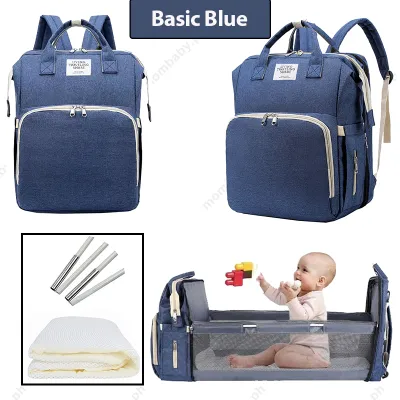
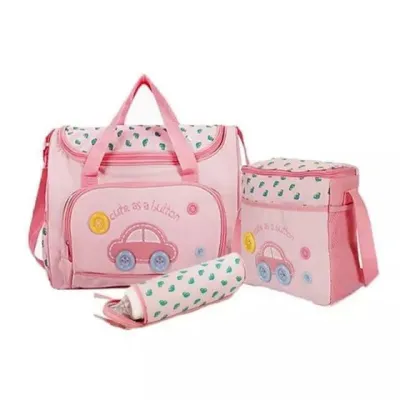
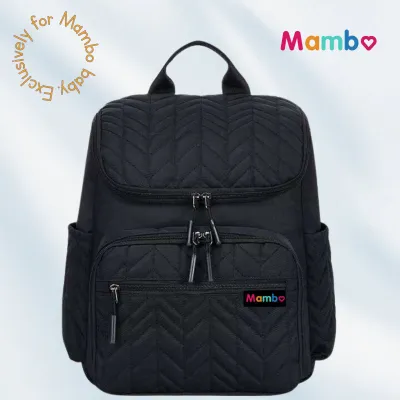
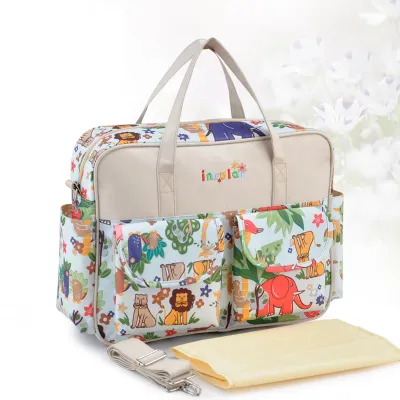
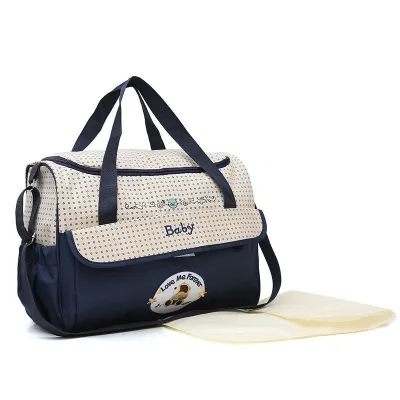
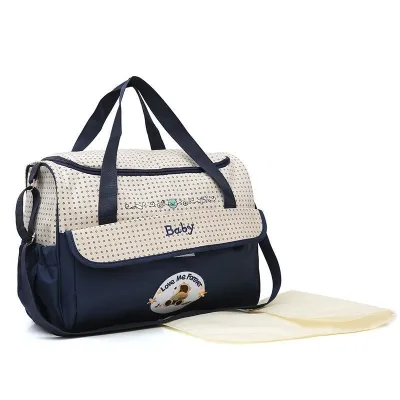
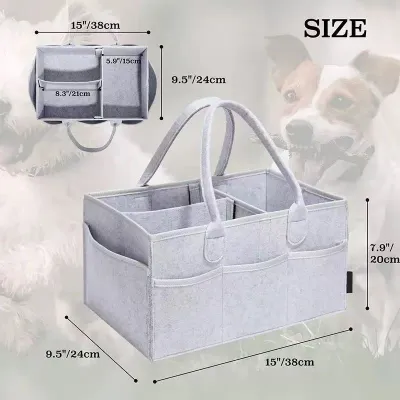
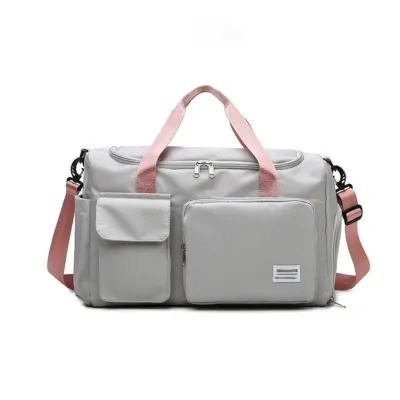
Prices are valid at publication and may change. Please refer to the product page for the latest price.
Always consult the manufacturer’s manual or product label for specific guidelines. Pay close attention to weight limits, as overloading the bag can strain the seams, damage the zippers, or cause physical discomfort. Adjust the shoulder straps or backpack harnesses to distribute the weight evenly across your back or shoulders. Additionally, check the material care instructions; some bags are machine washable, while others require spot cleaning with a damp cloth to preserve water-resistant coatings.
Essential Packing List for Mom and Baby
A successful outing depends on a well-curated packing list that addresses the distinct needs of both mother and infant. For the baby, diapers are the absolute priority. A practical rule of thumb is to pack one diaper for every two hours you expect to be out, plus two extra for emergencies. Pair these with a travel-sized pack of gentle baby wipes, a portable, wipeable changing pad, and at least two complete changes of clothes (including onesies and socks) to handle unexpected diaper blowouts or spit-ups. If formula feeding, pack pre-measured formula dispensers and sterilized bottles filled with clean water.

The mother’s needs are equally vital but often overlooked. If you are breastfeeding, pack clean nursing pads to manage leaks, along with a lightweight nursing cover for privacy in public spaces. Personal hygiene items such as pocket tissues, lip balm, and a small hair tie can make a significant difference in your comfort. Do not forget to pack a reusable water bottle to stay hydrated, especially in warm weather, alongside quick, non-perishable snacks like oat bars or nuts to keep your energy levels up.
Shared items bridge the gap between mother and baby, keeping both of you clean and comfortable. Always carry a travel-sized hand sanitizer with at least 60% alcohol content to clean your hands before feeding or after diaper changes. Waterproof wet bags are indispensable for sealing away soiled clothes, dirty bibs, or used washcloths, preventing odors and moisture from transferring to the rest of your gear. A basic first-aid kit containing baby-safe adhesive bandages, sterile gauze, and any personal medications completes the essential inventory.
Remember to scale these quantities dynamically. A newborn baby requires frequent diaper changes and multiple changes of clothes, whereas an older infant who has started solid foods will need baby spoons, silicone bibs, and toddler-friendly snacks instead of multiple backup outfits. If you are only stepping out for an hour, strip the bag down to the bare minimum to save your shoulders from unnecessary strain.
Step-by-Step Guide to Organizing the Compartments
Once you have gathered your essentials, organizing them systematically ensures you can find any item in seconds, even while holding a crying baby. Start with the main compartment, which should be reserved for bulky, low-frequency items. Place your portable changing pad, spare outfits, and extra blankets flat against the back panel of the bag. This keeps the heaviest items closest to your body, which improves weight distribution and prevents the bag from tipping over when placed on a flat surface.
Next, utilize the specialized insulated pockets. These compartments are designed to help maintain the temperature of bottles, whether you are carrying warm water for formula or chilled breast milk. Always place bottles upright in these slots and ensure the caps are tightly sealed to prevent leaks. Refer to your bag’s manual to understand its specific temperature retention limits, as insulated pockets are meant for temporary storage and are not a substitute for a dedicated cooler bag with ice packs on long trips.
Exterior and quick-access pockets should be strictly reserved for high-frequency items that you need to grab instantly. Keep a pack of baby wipes, a pacifier in a sterile case, and hand sanitizer in the most accessible outer pockets. This setup allows you to clean up sudden spills or soothe a fussy baby without unzipping the entire main compartment. This is also the ideal zone for your personal essentials, such as your phone, wallet, and keys, keeping them separate from baby gear.
To prevent the interior of your bag from turning into a jumbled mess, employ a modular packing system. Group related items together using small, color-coded pouches or lightweight packing cubes. For example, place all diapering supplies (diapers, wipes, diaper cream) in one pouch, and all feeding accessories in another. This “bag-within-a-bag” method means you can simply hand the diapering pouch to a partner or caregiver when it is time for a change, rather than carrying the entire heavy maternity bag to a cramped public restroom.
Smart Packing Strategies for Easy Access on the Go
Implementing smart packing habits can dramatically reduce stress during outings. One effective technique is the “first-in, last-out” rule. Items that you will only need at the very end of your trip, such as a clean change of clothes for yourself or a heavy blanket for the ride home, should be placed at the very bottom of the bag. Conversely, items you will need immediately upon arrival, like a stroller hook or a light swaddle, should sit right at the top.
Always prepare a dedicated “emergency blowout” kit and position it where it can be reached in a single motion. This kit should consist of a single diaper, a small pack of wipes, a clean onesie, and a plastic wet bag, all packed together in a clear zip-top bag. When a major diaper accident occurs, you do not want to be rummaging through multiple pockets; having this self-contained kit ready to go saves precious seconds and minimizes mess.
To maximize space and keep clothes organized, roll baby garments instead of folding them. Rolling clothes tightly into compact cylinders not only saves a significant amount of space but also prevents deep wrinkles. More importantly, it allows you to see every outfit option clearly when looking down into a packing pouch, eliminating the need to dig through a stack of folded clothes and disrupt your neat organization.
Finally, establish a post-trip audit routine. As soon as you return home, make it a habit to empty the bag of any trash, used tissues, or empty snack wrappers. Wipe down any interior spills immediately with a damp cloth to prevent mold and odors, which can develop quickly in humid climates. Restock the diapers, wipes, and snacks you consumed during the outing so that the bag is fully prepared and ready to go for your next spontaneous trip.
Maintaining and Adjusting Your Bag as Your Baby Grows
As your baby transitions from infancy to toddlerhood, your maternity bag must evolve alongside them. Toddlers require fewer diaper changes, allowing you to reclaim valuable space. However, this space will quickly be filled by a wider variety of solid snacks, spill-proof straw cups, small toys, and coloring books to keep them entertained. Periodically review the contents of your bag every few months to phase out outgrown clothes and obsolete baby gear, ensuring you are not carrying unnecessary weight.
Proper physical maintenance is crucial to extend the lifespan of your maternity bag. Always clean both the interior and exterior surfaces strictly according to the manufacturer’s care label. Many modern diaper bags feature water-resistant nylon or polyester linings that can be easily wiped down with a mild, baby-safe detergent and warm water. Avoid using harsh bleach or abrasive brushes, which can degrade the fabric’s protective coatings and cause premature wear. Allow the bag to air dry completely in a well-ventilated area away from direct sunlight to prevent fabric fading.
Regularly inspect the structural integrity of your bag. Check the zippers, shoulder strap seams, and plastic or metal hardware for any signs of fraying, cracking, or loosening. A damaged strap or a failing zipper can lead to a sudden spill of your items or cause the bag to fall unexpectedly, which could be hazardous if you are carrying it near your baby. If you notice significant structural damage or compromised seams, stop using the bag immediately and consult the manufacturer or a professional repair service.
Frequently Asked Questions (FAQ)
How heavy should a fully packed maternity bag be?
As a general ergonomic guideline, a fully packed maternity bag should not exceed 10% to 15% of your body weight to prevent back, neck, and shoulder strain. Overpacking is a common issue that can lead to poor posture and physical fatigue during long outings. To distribute the load safely, utilize wide, padded backpack straps rather than carrying a heavy bag on a single shoulder. If your bag is exceptionally heavy, consider hanging it securely from stroller hooks, ensuring that the stroller remains stable and does not tip backward under the weight.
What is the best way to pack formula or breast milk?
When traveling with formula or breast milk, temperature control and hygiene are paramount. For breast milk, store it in sterilized, tightly sealed bottles or breast milk storage bags, and place them directly inside the bag’s insulated compartment alongside a frozen gel ice pack to maintain a cool temperature. For formula, it is safest to carry pre-measured dry powder in a clean dispenser and mix it with warm water right before feeding. Always check the manufacturer’s instructions for your bag’s specific temperature retention limits, and verify the freshness and temperature of the milk or formula before offering it to your baby.

Community discussion
Share your experience or ask a question. Comments are reviewed before publication.