
A successful full day out with your baby relies on a systematic, zoned packing method that prioritizes quick access, hygiene, and climate-specific essentials. By organizing your gear into functional categories and placing high-frequency items within arm’s reach, you can handle diaper blowouts, feeding times, and sudden weather changes without stress. Preparing your bag methodically ensures you remain fully present to enjoy your outing.
Taking the time to understand your destination and your baby’s current developmental stage allows you to pack efficiently. Carrying too much gear causes unnecessary physical fatigue, while packing too little leaves you unprepared for common parenting emergencies. A balanced approach keeps your day smooth, comfortable, and organized.
Plan Your Outing Before Packing the Diaper Bag
Your packing strategy must align with your baby’s age and developmental stage, as care requirements change rapidly during the first year. Newborns require more frequent diaper changes, specialized feeding equipment, and multiple changes of clothes due to frequent spit-ups. Older toddlers need fewer diapers but require a steady supply of solid snacks, spill-proof cups, and small toys to keep them occupied during transit.
Products mentioned in this guide
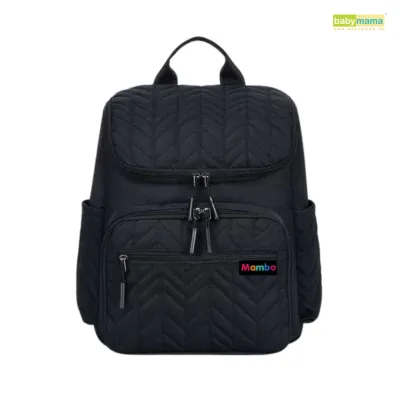
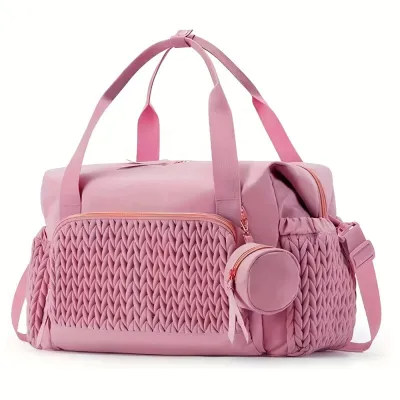
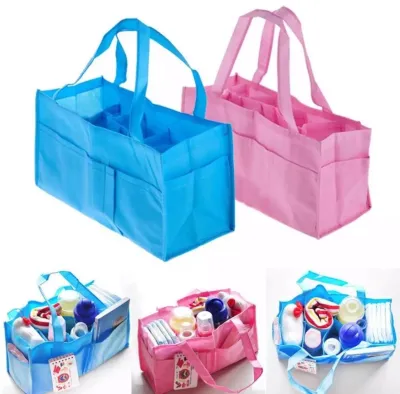
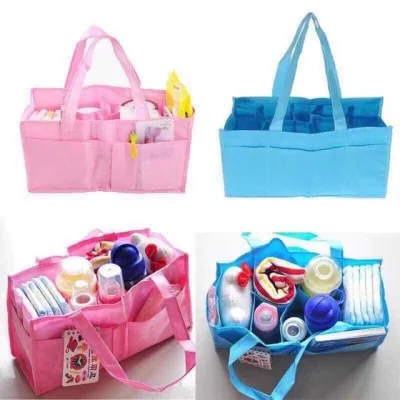
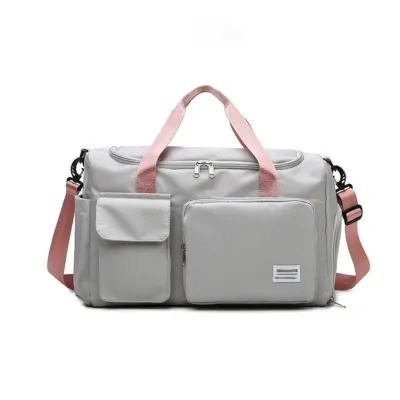

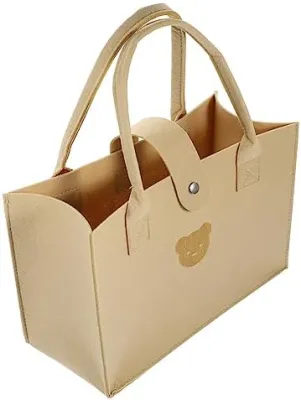

Prices are valid at publication and may change. Please refer to the product page for the latest price.
Evaluating the duration of your trip and the facilities at your destination prevents both overpacking and unexpected shortages. If you are visiting a modern shopping center or a family-friendly establishment with dedicated nursing rooms and clean changing tables, you can carry fewer emergency sanitation items. For outdoor destinations, local parks, or locations where public facilities are limited, you must pack more self-sufficient cleaning supplies, such as a larger portable changing mat and extra water for rinsing.
Our tropical and humid climate requires specific comfort and health considerations that differ from cooler regions. High humidity increases the risk of heat rash and chafing, making breathable cotton clothing and extra sweat-wiping cloths essential. You must also account for sudden tropical downpours or intense sun exposure by packing lightweight protective layers, stroller rain covers, or baby-safe sun protection as recommended by your pediatrician. Additionally, transitioning from hot outdoor temperatures to heavily air-conditioned indoor spaces requires versatile layers to keep your baby from getting chilled.
The Essential Diaper Bag Checklist for a Full Day Out
A comprehensive checklist ensures you never leave behind critical items that keep your baby clean, fed, and comfortable. Categorizing your gear prevents clutter and helps you quickly verify that every essential is accounted for before you walk out the door.

Diapering and Hygiene Essentials
Maintaining hygiene on the go requires a dedicated set of supplies designed for quick cleanups in varied environments. Pack one diaper for every two hours you expect to be out, plus three extra diapers to account for unexpected delays or digestive upsets. Always verify that the diapers are the correct size and fit for your baby’s current weight to prevent leaks and blowouts.
Include a travel pack of gentle, unscented baby wipes to clean sensitive skin and wipe down surfaces. Carry a travel-sized diaper rash cream to protect your baby’s skin barrier, ensuring you follow the manufacturer’s application instructions. A padded, waterproof portable changing pad provides a clean barrier between your baby and public changing surfaces. Finally, pack a small bottle of hand sanitizer for your own use before and after each diaper change.
Feeding and Nutrition Supplies
Your feeding checklist depends entirely on your baby’s age and feeding method, requiring careful preparation to keep milk and food safe. For breastfed babies, pack a breathable nursing cover for privacy in public spaces and extra breast pads to manage leaks. If you are nursing, keep yourself well-hydrated by carrying a dedicated water bottle.
For formula-fed babies, use a dry, pre-portioned formula dispenser to save space and simplify preparation. Carry sterilized baby bottles filled with the correct amount of cooled, boiled water, or carry a reliable insulated thermos to keep water warm. Always check the temperature of the prepared formula on your wrist before feeding to prevent burns, and follow the formula manufacturer’s guidelines for safe preparation and storage times.
If your baby has transitioned to solid foods, pack lightweight, spill-proof containers filled with pre-cut fruits, purees, or dry snacks. Include two soft-tipped baby spoons, a silicone bib that can be wiped clean easily, and a spill-proof sippy cup for hydration. Always supervise your baby closely during feeding times to prevent choking hazards.
Clothing and Comfort Items
Messy situations are inevitable when traveling with a baby, making spare clothing a top priority. Pack at least two complete changes of clothes, including onesies, pants, and socks, to handle diaper leaks, drool, or food spills. Choose lightweight, breathable fabrics like organic cotton to keep your baby cool in warm weather.
Bring a lightweight muslin blanket or a cotton swaddle, which serves multiple purposes during a long day out. It can shield your baby from cold drafts in air-conditioned malls, provide a clean surface for tummy time, or act as an improvised stroller shade. Additionally, pack two pacifiers in a clean, protective case along with a secure pacifier clip to prevent them from falling onto dirty floors.
Caregiver and Emergency Extras
Your diaper bag must also accommodate your personal essentials so you do not have to carry a separate handbag. Dedicate a secure, zippered pocket for your wallet, keys, mobile phone, and any personal hygiene items you may need. Packing a spare, lightweight shirt for yourself is also highly recommended in case of major spit-ups or spills.
Include a basic first-aid pouch containing baby-safe adhesive bandages, a digital thermometer, and any prescribed medications. Always consult your pediatrician before administering any over-the-counter medication while away from home. Keep a few nutrient-dense snacks, such as nuts or energy bars, to maintain your own energy levels throughout the day.
Smart Organization Strategies to Keep Your Diaper Bags Accessible
Using systematic packing techniques ensures that your diaper bags remain organized and balanced, preventing you from scrambling to find items during a fussy moment. A well-structured bag saves time and reduces physical strain on your body during long walks.
- Group items using color-coded pouches: Instead of letting loose items settle at the bottom of the main compartment, use separate zippered pouches or small packing cubes. Dedicate one pouch for diapering essentials, one for feeding gear, and another for spare clothing. This allows you to pull out only the specific kit you need without disturbing the rest of the bag.
- Utilize exterior and top pockets for high-frequency items: Keep items you need to grab instantly in the most accessible pockets. Place hand sanitizer, baby wipes, pacifiers, and your phone in the outer zippered pockets. This design prevents you from having to dig through the entire bag when you need to clean a spill or soothe a crying baby immediately.
- Implement a reliable wet/dry separation system: Always carry a waterproof wet bag with a secure zipper closure to isolate soiled clothes, damp bibs, or used cloth diapers. Keeping wet and dirty items sealed prevents odors, moisture, and bacteria from contaminating the clean sections of your diaper bag.
- Distribute weight ergonomically to prevent strain: Place the heaviest items, such as insulated thermoses, full water bottles, and thick changing mats, close to the back panel of the bag. Keeping the heavy weight close to your spine improves your center of gravity, reducing shoulder, neck, and back strain when carrying the bag over long distances.
Pre-Departure Checks and Daily Bag Maintenance
Establishing a quick routine before leaving the house and after returning home ensures your bag is always ready for spontaneous outings. This habit prevents the frustration of arriving at your destination only to realize you forgot a critical item.
Perform a quick doorway check before stepping out to verify you have the core essentials: diapers, wipes, feeding supplies, and your wallet. Double-check that all bottle caps are screwed on tightly to prevent leaks inside the compartments. Ensure that your mobile phone is fully charged and that you have a portable power bank if you plan to be out all day.
When you return home, make it a habit to empty and restock the bag immediately. Remove any soiled clothes, trash, or used bottles, and wash them right away. Replace the diapers and wipes you used during the day so the bag remains fully prepared for your next trip, saving you preparation time in the future.
Regular cleaning is essential to maintain hygiene and prevent the growth of mold or mildew, especially in warm, humid climates. Empty the bag completely once a week to shake out crumbs, dirt, and lint from the pockets. Wipe down both the interior lining and the exterior fabric with a damp cloth and mild, baby-safe soap, following the manufacturer’s specific care instructions. Allow the bag to air dry completely in a well-ventilated, shaded area before packing it again.
Frequently Asked Questions (FAQ)
How many diapers should I pack for a full day?
As a general rule, pack one diaper for every two hours you plan to be away from home, plus three extra diapers for emergencies. For a full ten-hour day out, packing eight to ten diapers is typically sufficient for a young infant. If your baby is a newborn or is prone to frequent bowel movements, increase this number to ensure you do not run out. Older toddlers who use the toilet or require fewer changes can generally get by with four to five diapers for a full day.
What is the best way to store soiled clothes or used diapers?
The most effective and hygienic way to store soiled items is to use a reusable, waterproof wet bag with a secure zipper closure. These bags are designed to lock in moisture and odors, preventing cross-contamination with the clean items in your diaper bag. If a wet bag is unavailable, you can use scented, biodegradable disposable diaper sacks to wrap soiled diapers tightly before placing them in a trash bin or storing them temporarily until you find a proper disposal area.
Community discussion
Share your experience or ask a question. Comments are reviewed before publication.