
Organizing a diaper storage bag efficiently is the key to stress-free outings with your baby. When you are away from home, a sudden diaper blowout or a fussy infant requires immediate action, leaving no time to rummage through a cluttered, disorganized bag. By establishing a systematic packing method, you can locate essential items in seconds, even while holding your baby with one hand.
A successful packing system relies on zoning, modular storage, and smart weight distribution. This guide provides a practical framework to arrange your diaper storage bag, ensuring that high-use items are always within arm’s reach while secondary supplies remain neatly contained and hygienic.
Map Your Diaper Storage Bag's Layout for Optimal Zoning
Before packing a single item, take a moment to analyze the physical architecture of your diaper storage bag. Most modern bags feature a combination of a large main compartment, dedicated interior pockets, insulated bottle holders, and quick-access exterior sleeves. Understanding how to match these physical spaces with your daily needs is the foundation of an organized bag.
Products mentioned in this guide
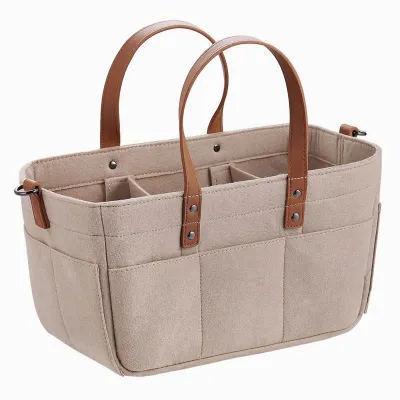
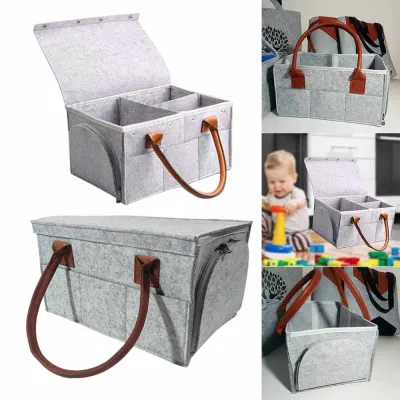
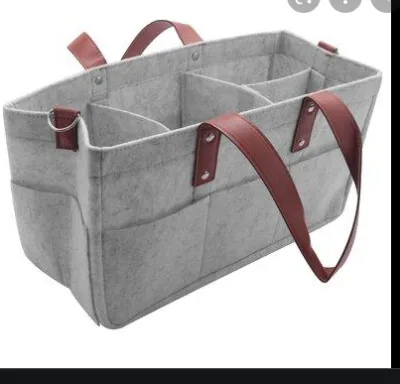
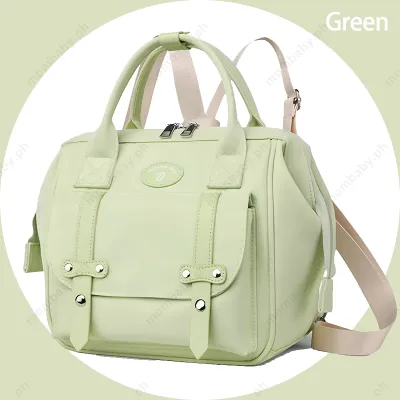
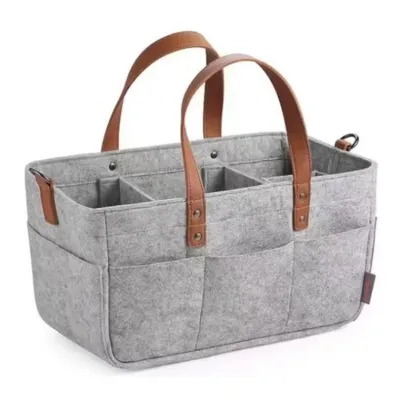
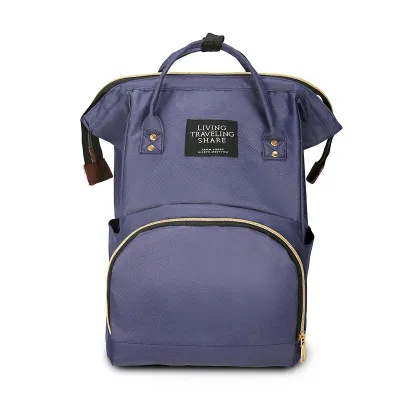
Prices are valid at publication and may change. Please refer to the product page for the latest price.
Divide your bag into three distinct zones based on accessibility:
- The Primary Zone: This includes exterior pockets and the very top of the main compartment. Reserve this space for items you must grab instantly, such as wet wipes, pacifiers, and your phone.
- The Secondary Zone: This consists of interior pockets and the middle section of the main compartment. Use this area for diapers, diaper creams, spare clothes, and changing pads.
- The Deep Zone: This is the bottom of the bag, reserved for emergency items, extra layers, or supplies you will only need once or twice during a long outing.
Weight distribution is another critical factor to consider during this mapping phase. Placing heavy items, such as full water bottles, thermos flasks, or heavy toys, at the very top or in side pockets can make the bag unbalanced. This imbalance often causes the bag to tip over when set down on a changing table or hung from a stroller handlebar. To prevent tipping and reduce strain on your shoulders, pack the heaviest items at the bottom and as close to the back panel of the bag as possible.
Build a Quick-Grab Zone for Diapers, Wipes, and Changing Pads
The core purpose of a diaper storage bag is to facilitate quick, hygienic diaper changes on the go. To achieve this, you must group your primary changing essentials—diapers, wipes, and a portable changing pad—into a single, highly accessible quick-grab zone.

How you pack your diapers depends heavily on the shape of your bag’s main compartment. For deep, backpack-style bags, rolling diapers tightly and standing them vertically allows you to see exactly how many you have left without digging. For wide, tote-style bags, stacking diapers flat in an interior sleeve keeps them pristine and prevents the edges from curling or tearing. Avoid stuffing too many diapers into a tight space, as crushing them can damage the elastic leak guards and reduce their overall effectiveness.
Your baby wipes must be accessible with a single hand. If your diaper storage bag features a dedicated exterior side pocket with a dispenser slit, utilize it for your wipes. If not, position your travel pack of wipes at the very top of the main compartment, with the opening flap facing upward. This positioning allows you to unzip the bag slightly and pull out a wipe without removing the entire package.
The portable changing pad serves as the foundation of your changing setup. If your bag includes a dedicated back compartment or laptop sleeve, this is the ideal spot for the pad, as it provides structural support to the bag’s frame. If your bag lacks this feature, slide the changing pad vertically along the back wall of the main compartment. This keeps it flat, saves space, and ensures it is the first thing you can pull out when preparing a surface for your baby.
Group Secondary Essentials and Emergency Supplies Logically
Once your primary changing essentials are secured, you must organize the secondary items. These include diaper creams, hand sanitizers, disposal bags, and spare clothing. Leaving these smaller items loose in the main compartment inevitably leads to clutter and frustration.
To maintain order, implement a modular packing system using small, lightweight pouches. Clear plastic or mesh pouches are highly recommended because they allow you to identify the contents instantly without opening them. Group your secondary items into functional categories:
- The Hygiene Pouch: Store diaper rash cream, hand sanitizer, a small pack of tissues, and baby-safe sanitizing wipes. Keeping hand sanitizer in an easily accessible spot within this pouch ensures you can clean your hands both before and after the diaper change.
- The Clothing Pouch: Pack a complete change of clothes, including a onesie, pants, socks, and a light swaddle. In tropical climates like the Philippines, sudden changes in temperature between humid outdoor air and heavily air-conditioned shopping malls make a light, breathable cotton layer essential.
- The Disposal Pouch: Keep a roll of scented diaper disposal bags or small plastic sacks. Having these grouped together ensures you can quickly wrap up soiled diapers and wipes when a trash can is not immediately available.
It is equally important to separate baby care items from your personal essentials. Dedicate a specific exterior pocket or a secure zippered compartment solely for your keys, wallet, phone, and lip balm. This separation prevents cross-contamination from used baby items and ensures you do not have to search past diapers to find your personal belongings.
Scale Your Packing System for Short Errands and Full-Day Trips
A common mistake is carrying a fully loaded, heavy diaper storage bag for every single outing. To make your daily routine more manageable, learn to scale your packing system based on the duration and location of your trip.
For short errands lasting one to two hours, such as a quick trip to the local grocery store or a walk in the neighborhood park, adopt a minimalist setup. You do not need the entire contents of your bag for these brief trips. Instead, pack only the bare essentials: two diapers, a travel-sized pack of wipes, a changing pad, one disposal bag, and a single change of clothes. You can often consolidate these items into a small clutch or use just the exterior pockets of your diaper storage bag, leaving the main compartment empty and lightweight.
For full-day trips, family gatherings, or travel, expand your setup to accommodate feeding supplies, extra clothing layers, and comfort items. In addition to your baseline changing gear, pack insulated bottles, formula dispensers, baby food, bibs, and extra burp cloths. When traveling in warm, humid weather, pack an extra set of clothing for both the baby and yourself, as sweat and spills are more common.
Always review the contents of your bag before leaving the house. Remove any heavy, specialized items from previous trips—such as swim diapers, heavy toys, or bulky blankets—that are not relevant to your current destination. This simple habit keeps your bag light and prevents unnecessary strain on your back.
Establish a Quick Restocking and Cleaning Routine
An organized diaper storage bag is only effective if it is consistently maintained. To avoid the stress of realizing you are out of diapers or wipes while away from home, establish a simple restocking and cleaning routine.
Adopt a strict “restock immediately” rule upon returning home from an outing. Instead of leaving the bag by the door, open it, discard any trash, place soiled clothes in the laundry, and replenish the diapers and wipes you used. This ensures that the bag is always fully prepared for your next departure, even in an emergency.
Perform a thorough maintenance check once a week. During this check, inspect your supplies for usability:
- Check Wipes: In warm climates, the adhesive seals on travel wipe packs can fail quickly, causing the wipes to dry out. Replace any packs that have lost their moisture.
- Check Creams and Sanitizers: Ensure that tube caps are tightly closed to prevent leaks inside your pouches. Check expiration dates on sunscreens and diaper creams.
- Check Clothing Sizes: Babies grow rapidly. Regularly verify that the spare clothes packed in your bag still fit your baby comfortably.
Finally, prioritize hygiene by cleaning the bag regularly. The interior of a diaper bag can quickly accumulate crumbs, lint, and bacteria. Wipe down the inner lining with a damp, soapy cloth or a baby-safe sanitizing wipe at least once a week. If your bag features a removable, machine-washable liner, wash it according to the manufacturer’s instructions. Allow the bag to air out completely in a well-ventilated area before repacking it to prevent the development of mold or musty odors in humid environments.
Frequently Asked Questions (FAQ)
How many diapers should I pack for a standard day trip?
As a general rule of thumb, pack one diaper for every two hours you expect to be out, plus a buffer of two extra diapers to account for unexpected delays, transit issues, or sudden blowouts. For newborns and younger infants, increase this estimate to one diaper for every hour of your outing, as they require more frequent changes. If you plan to be away for an eight-hour day trip, packing six to eight diapers is typically sufficient for an older infant, while a newborn may require ten to twelve.
What is the best way to store soiled clothes or blowouts?
To handle soiled clothes or blowout emergencies hygienically, always carry a reusable travel wet bag made of waterproof material, such as polyurethane laminate (PUL). A wet bag effectively seals in moisture and odors, preventing them from transferring to the clean items in your bag. Store the wet bag in a dedicated exterior pocket or at the very bottom of the main compartment, completely separate from clean clothing, diapers, and feeding supplies. If a reusable wet bag is unavailable, disposable plastic diaper sacks can serve as a temporary backup to contain soiled items until you return home.

Community discussion
Share your experience or ask a question. Comments are reviewed before publication.