
Organizing a diaper bag for a newborn requires a systematic, modular approach that prioritizes speed, hygiene, and accessibility. When you are out with a newborn, a sudden diaper blowout or feeding emergency demands immediate action, leaving no time to rummage through a cluttered bag. By using a dedicated newborn bag organizer—such as color-coded pouches or a structured felt insert—you can group items by function and locate them in seconds. This guide provides a practical, step-by-step zoning system designed to keep your baby’s essentials clean, dry, and easily reachable, even when navigating hot and humid tropical climates.
Preparing Your Newborn Bag Organizer and Core Essentials
Before packing a single item, you must select the right tools to structure the interior of your diaper bag. A loose pile of diapers, wipes, and bottles quickly turns into a chaotic mess at the bottom of a deep bag. Utilizing a structured newborn bag organizer insert or a set of lightweight, water-resistant modular pouches is an effective way to establish order. These organizers allow you to divide the main compartment into distinct sections, preventing items from shifting during transit.
When gathering your core essentials, focus on the unique needs of a newborn. This includes high-absorbency diapers, gentle alcohol-free wipes, soft cotton burp cloths, feeding equipment, and a change of clothes. In warm, humid environments like the Philippines, choosing breathable fabrics and moisture-resistant storage is crucial to prevent mold and mildew. When selecting an organizer insert, always verify its size, weight limits, and recommended developmental suitability from the manufacturer’s documentation to ensure safe use on strollers.
Products mentioned in this guide
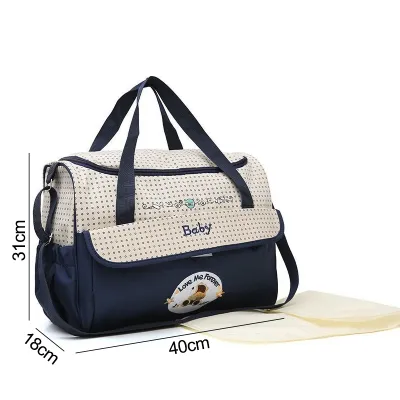
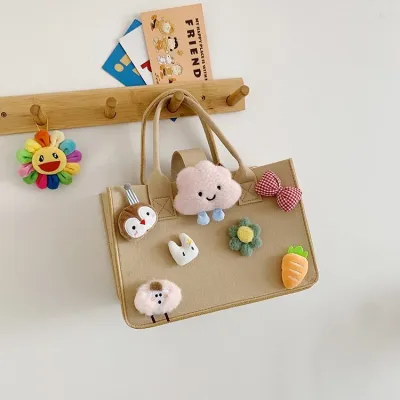
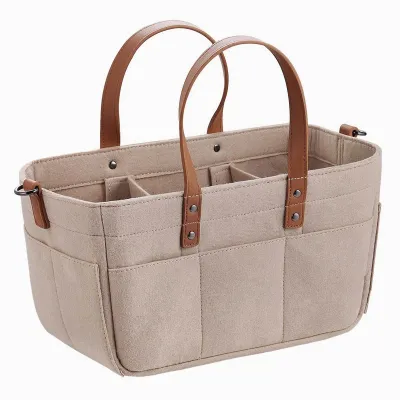
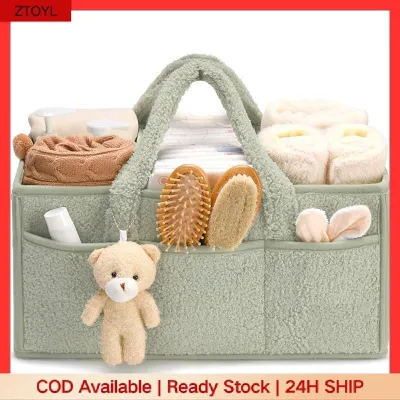
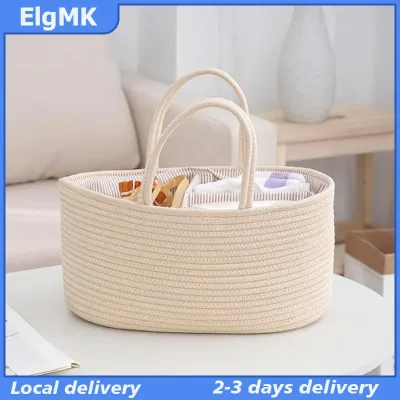
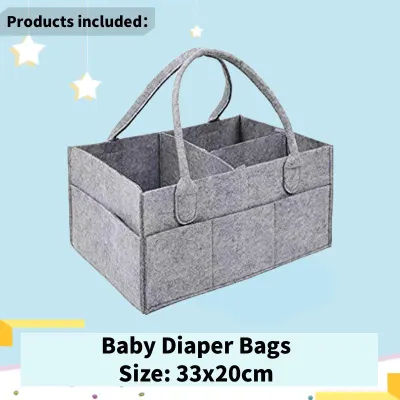
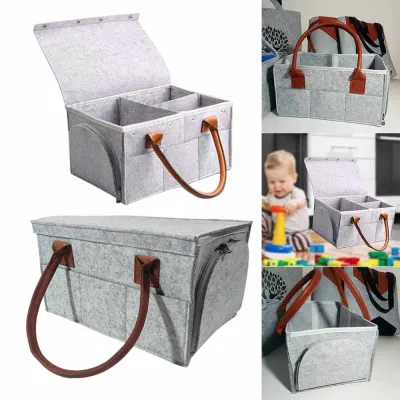
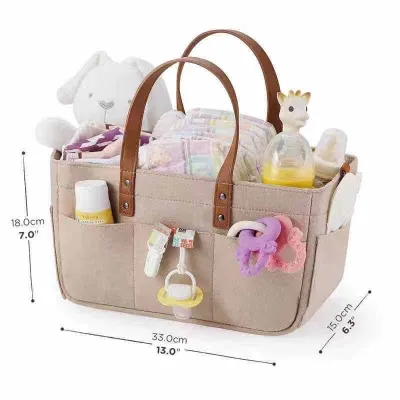
Prices are valid at publication and may change. Please refer to the product page for the latest price.
Caregivers must also consider the physical strain of carrying a fully loaded bag. Overloading your diaper bag can cause shoulder strain or make the stroller tip backward if hung from the handlebars. Select lightweight pouches made of nylon or mesh, and verify the weight of your filled bag before leaving the house. Aim to keep the total weight manageable, prioritizing multi-use items and compact travel sizes where possible.
Step-by-Step Packing System for Quick Access
An efficient diaper bag relies on a logical zoning method based on urgency and frequency of use. Items you need multiple times a day, or those required during an immediate emergency, must reside in the most accessible pockets. Conversely, items you only need occasionally, such as a spare change of clothes, can sit at the bottom of the bag.

Proper weight distribution is another key factor in maintaining comfort and bag stability. Place heavier items, like full water bottles or insulated flasks, close to the center of the bag and near your back if you are using a backpack style. Lighter items, such as swaddles and extra diapers, can fill the outer edges and top sections. This balancing technique prevents the bag from sagging, keeps it upright when placed on a flat surface, and reduces the physical strain on your body.
Zone 1: Diapering and Hygiene Station
The diapering station is the most critical zone in your bag, requiring instant access when a blowout occurs. Group your changing pad, diapers, and wipes together in a single, easily removable pouch or in the outermost pocket of your bag. This ensures that when you enter a public restroom or a tight changing space, you can grab this single “diapering kit” without bringing the entire heavy bag with you.
To keep wipes moist and hygienic, store them in a dedicated travel wipe dispenser or a resealable pouch with a secure plastic lid. In tropical climates, high humidity can sometimes encourage bacterial growth if wipes are left exposed to air, so keeping them tightly sealed is essential. Always inspect the seal of your wipe pouch before packing to prevent leaks that could damp other items in the bag.
Additionally, pack a small roll of disposable diaper bags or small plastic bags. These are indispensable for wrapping up soiled diapers and containing odors when a trash bin is not immediately nearby. Keep these bags in a small zippered pocket within your diapering zone so you can pull one out with a single hand while holding your baby secure.
Zone 2: Feeding and Soothing Supplies
Feeding supplies require strict hygiene standards to protect your newborn’s developing immune system. If you are bottle-feeding, store prepared bottles or sterile water in insulated side pockets or dedicated upright bottle holders. Keeping bottles upright is a reliable way to prevent formula or breast milk from leaking into the main compartment of your bag.
For soothing items like pacifiers, avoid letting them float freely in the bag where they can gather lint and dust. Keep pacifiers and spare bottle nipples inside a clean, hard-shell case or a small, food-grade silicone zip-pouch. This protective barrier keeps the items sterile and makes them easy to locate in a hurry when your baby needs comfort.
Burp cloths should be folded compactly and placed directly next to your feeding supplies. Because you will often need to grab a burp cloth quickly during or immediately after a feed, position them near the top of the feeding zone. Opt for lightweight, highly absorbent muslin cloths, which dry quickly in humid weather and take up minimal space in your organizer.
Zone 3: Clothing and Parent Essentials
Newborns frequently require unexpected clothing changes due to spit-ups or diaper leaks. To maximize space and keep spare outfits organized, roll newborn onesies and swaddles tightly instead of folding them flat. This rolling technique keeps the garments compact and prevents deep wrinkles.
Always store these spare clothes in a separate, water-resistant dry bag or a large resealable plastic bag. This serves a dual purpose: it keeps the clean clothes dry and protected from any accidental bottle leaks inside the bag, and it provides a secure, odor-proof container for the soiled clothes once you change your baby.
Finally, do not forget your own essentials as a caregiver. Dedicate a secure, easily accessible top pocket or a separate zippered compartment for your keys, phone, wallet, and hand sanitizer. Keeping your personal items separate from the baby’s gear prevents you from having to dig through diapers and bottles to find your keys when returning to your car or home.
Adapting Your Packing List for Different Outing Durations
A common mistake is packing the diaper bag to maximum capacity for every single trip. To keep your load manageable, adapt your packing list based on the duration and location of your outing. A quick trip to a nearby grocery store requires a significantly lighter setup than an all-day family excursion.
For short errands lasting under two hours, assemble a streamlined “quick-trip kit.” This should consist of two diapers, a travel-sized pack of wipes, one burp cloth, one spare onesie, and a single bottle if feeding is expected. You can leave behind heavy items like large thermoses, multiple toys, or excessive spare blankets, which only add unnecessary weight to your shoulders.
For all-day trips or visits to areas without easy access to baby supplies, transition to a comprehensive packing list. Calculate the number of diapers and feeding supplies based on your baby’s typical daily schedule, then add a buffer of two extra diapers and one extra feeding’s worth of milk or formula. In hot tropical weather, you may also need to pack an extra change of clothes for both the baby and yourself to manage sweat and humidity.
Regularly review the items in your bag and remove non-essential gear that accumulates over time. If you find yourself carrying items that have gone unused for several consecutive trips, remove them to keep your newborn bag organizer light and functional.
Establishing a Maintenance and Restocking Routine
An organized diaper bag is only effective if it is consistently maintained. Without a routine, used items, empty wrappers, and soiled clothes will quickly clutter the bag, making it difficult to find essentials during your next outing. Establish a habit of cleaning out the bag immediately upon returning home from every trip.
Create a simple post-outing checklist to guide your routine:
- Remove and wash any soiled clothes, burp cloths, or bibs.
- Take out empty bottles, wash them, and prepare them for sterilization.
- Discard any trash, used wipes, or empty packaging.
- Check the remaining number of diapers and wipes, and replenish them if they are running low.
In addition to daily maintenance, set a weekly schedule to deep-clean your diaper bag and organizer inserts. Wipe down the interior lining with a damp cloth and a mild, baby-safe soap to remove crumbs and dust. Take this opportunity to check the expiration dates on baby creams, sunscreens, or sanitizers, and inspect the bag’s zippers and straps for any signs of wear.
To make restocking effortless, designate a specific “restock station” near your home’s main changing area. Keep a basket filled with travel-sized wipes, diapers, rolled onesies, and clean pacifiers. Having these items pre-sorted and readily available allows you to refill your newborn bag organizer in less than two minutes before you head out the door.
Frequently Asked Questions (FAQ)
How many diapers should I pack for a short trip?
For a short trip lasting two to three hours, a reliable rule of thumb is to pack one diaper for every hour you plan to be away, plus one extra diaper for emergencies. For newborns, who tend to soil diapers more frequently and unpredictably, having at least three diapers on hand is a safe baseline even for brief outings. If your baby is currently experiencing a growth spurt, digestive changes, or if the weather is particularly warm—which can lead to increased fluid intake and more frequent wet diapers—consider adding one more diaper to your count to ensure you are fully prepared.
What is the best way to store soiled clothes or used diapers?
The most effective way to manage soiled clothes and used diapers while on the go is to use a reusable, washable wet bag with a waterproof lining. These bags are designed to lock in moisture and odors, preventing any dampness or smell from transferring to the clean items in your diaper bag. For disposable diapers, keeping a small roll of opaque, biodegradable plastic bags is an excellent backup solution. These allow you to wrap and tie up dirty diapers securely before disposing of them in a trash receptacle, keeping your diaper bag clean and hygienic.

Community discussion
Share your experience or ask a question. Comments are reviewed before publication.