
A frantic search for a pacifier or a clean wipe while your baby is crying in a crowded mall or park can turn any pleasant outing into a stressful ordeal. The key to stress-free trips lies in how you organize your baby travel bag. By setting up a systematic, zoned packing method, you ensure that every essential item is exactly where you expect it to be, allowing you to react to diaper emergencies, feeding times, and sudden weather shifts in seconds.
To make this system work, you do not need an expensive designer diaper bag. Instead, you need a logical strategy that matches the physical layout of your bag with the daily rhythms of your baby. Whether you are navigating a quick trip to the local supermarket or spending a full day traveling, a highly structured bag keeps you calm, organized, and ready for any situation.
Evaluate Your Baby Travel Bag Layout and Choose the Right Organizers
Before packing a single item, take a close look at the anatomy of your baby travel bag. Most modern bags come with a mix of exterior pockets, dedicated insulated bottle slots, a spacious main compartment, and smaller zippered pockets intended for parent essentials. Understanding these built-in divisions prevents you from simply tossing items into a single, chaotic void where small objects inevitably sink to the bottom.
Products mentioned in this guide
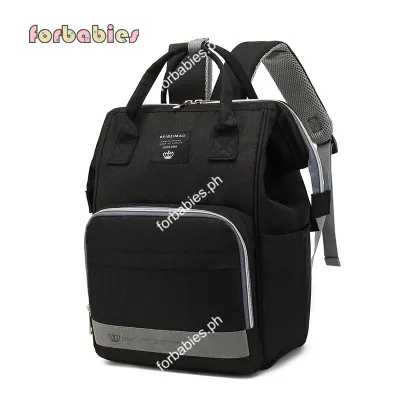
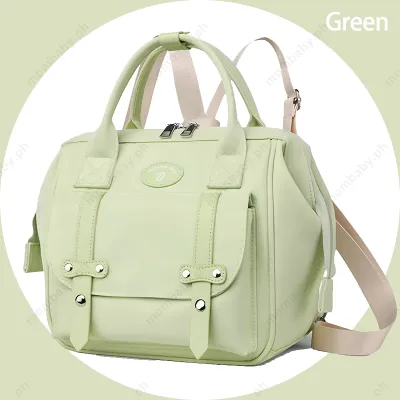
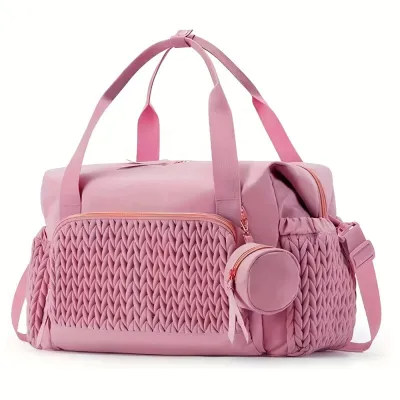
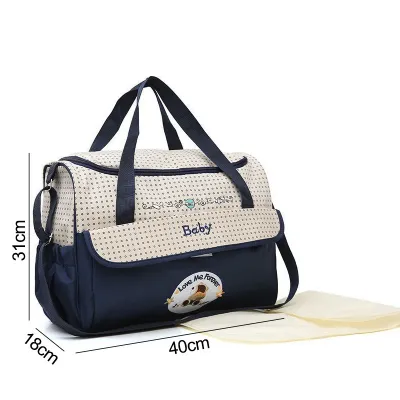
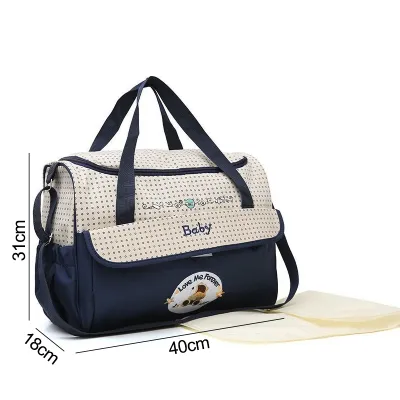
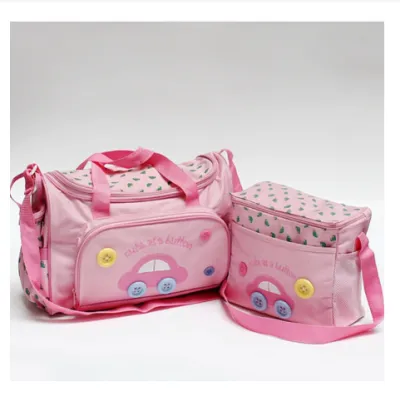
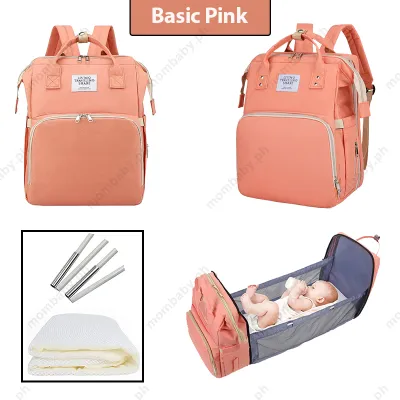
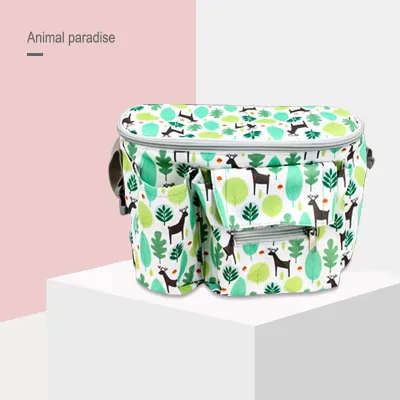
Prices are valid at publication and may change. Please refer to the product page for the latest price.
If your bag lacks built-in divisions, or if the main compartment is a deep open space, you can easily upgrade its functionality using lightweight, independent organizers. Using color-coded packing cubes, zippered mesh pouches, or clear silicone bags allows you to group related items together. For example, a clear silicone pouch is perfect for medical or grooming items because it allows you to see the contents instantly without unzipping it, while a breathable mesh pouch works well for spare pacifiers and small toys.
When choosing these secondary organizers, prioritize lightweight materials that do not add unnecessary bulk to your load. Heavy canvas or thick plastic organizers will weigh you down before you even add your baby’s gear. Simple, budget-friendly nylon or polyester pouch sets, which typically cost between ₱300 and ₱600 on local online marketplaces, are excellent options that keep your bag structured without adding physical strain.
Avoid the temptation to overstuff these individual pouches or the bag itself. Overstuffing compresses the interior compartments, making it incredibly difficult to slide items in and out with one hand. A packed bag should always have a small amount of breathing room, ensuring that zippers glide easily and pockets retain their designed shapes.
Zone Your Baby Travel Bag by Urgency and Frequency
To achieve quick-access efficiency, you must organize your bag based on how quickly and how often you will need each item. Grouping items by urgency prevents you from digging past spare outfits and toys when you urgently need to wipe up a spill or change a messy diaper.

The "Quick-Grab" Exterior and Top Zone
This zone is reserved for high-frequency items and immediate emergencies that require action within seconds. The exterior pockets, side slots, and the very top layer of the main compartment must be dedicated strictly to diapering and sanitizing essentials. This ensures you can access them with one hand while keeping your other hand safely on your baby.
- Diapers and Wipes: Keep a small stack of diapers and a travel pack of wet wipes at the absolute top of the bag or in an easily accessible front pocket.
- Portable Changing Pad: Position this flat against the back or top of the main compartment so you can pull it out instantly when using public changing stations.
- Sanitization Essentials: Place hand sanitizer, alcohol spray, and a small pack of antibacterial wipes in an exterior side pocket for quick access after diaper changes or before feeding.
- Soothing Items: Keep a spare pacifier or a small favorite rattle in a dedicated, clean exterior pocket to soothe a fussy baby instantly.
The "Feeding and Comfort" Middle Zone
The middle section of your bag is ideal for items that are used during scheduled stops rather than sudden emergencies. Because you usually have a few minutes of warning before your baby becomes hungry, these items do not need to be at the very top, but they should still be grouped together so you do not have to search the entire bag.
- Bottles and Formula: Place prepared bottles or pre-measured formula dispensers in this middle section. If your bag has insulated pockets, use them to help maintain safe temperatures.
- Breastmilk Storage: If you are carrying expressed breastmilk, store it in an insulated pocket with a small gel ice pack. Always verify your bag manufacturer's specifications regarding how long the insulation can safely maintain cold temperatures, especially in hot, tropical climates.
- Solid Foods and Snacks: Keep baby food jars, reusable food pouches, and baby spoons together in a dedicated, washable pouch to prevent food sticky residues from spreading to other items.
- Bibs and Burp Cloths: Store these directly alongside the feeding supplies so you can drape them over your shoulder or fasten them on your baby before feeding begins.
- Caregiver Supervision Note: Always supervise your baby closely during feeding times, especially when introducing solid finger foods or using self-feeding bottle holders, to prevent choking hazards.
The "Backup and Emergency" Bottom Zone
Items stored at the very bottom of the bag are those you absolutely must have but will rarely need to access in a hurry. Placing these bulky, low-frequency items at the bottom creates a sturdy base for your bag and keeps them out of the way of your daily essentials.
- Spare Clothing: Pack at least one complete change of clothes for your baby, including socks and a clean onesie. It is also wise to pack a lightweight spare shirt for yourself in case of major spit-ups or diaper leaks.
- Wet Bags or Plastic Bags: Keep two or three empty plastic bags or a reusable waterproof wet bag at the bottom to store soiled clothing and keep odors sealed away.
- First-Aid and Medications: Store a basic baby first-aid kit containing infant-safe fever reducers, saline drops, and small adhesive bandages in a secure pouch at the bottom. Always consult your pediatrician regarding proper medication dosages and usage instructions.
- Weather Protection: In tropical environments, sudden afternoon downpours or intense sun are common. Store a compact rain cover for your stroller or a lightweight, breathable sun hat at the bottom to protect your baby from sudden weather shifts.
A Step-by-Step Packing Routine for Maximum Efficiency
Building a consistent packing routine before you leave the house ensures that you never forget a vital item and that your zoning system remains intact. Follow these five steps to establish a highly efficient packing habit.
- Step 1: The Clear-Out: Before adding anything new, empty the bag of yesterday's clutter. Throw away used tissues, empty snack wrappers, receipts, and any soiled clothes. Wipe down the interior lining with a damp cloth if any crumbs or spills accumulated during your last trip.
- Step 2: Restock the Quick-Grab Pouches: Count your remaining diapers and wipes. Replenish the diaper pouch so you always start your outing with a full supply. Check that your hand sanitizer and wipes are not empty.
- Step 3: Prep Feeding Supplies: Clean and sanitize your bottles, then fill your formula dispensers or pack your breastmilk storage bags. Place them securely into the middle zone or the insulated compartments. If you are using warm water for formula, ensure it is stored in a high-quality thermal flask.
- Step 4: Space-Saving Clothing: Instead of folding your baby's spare clothes, roll them tightly using the "ranger roll" or bundle method. Rolling saves an incredible amount of space, minimizes wrinkles, and keeps the entire outfit (onesie, pants, and socks) bound together as a single, easily grab-able bundle.
- Step 5: Weight and Balance Check: Once everything is packed, lift the bag and adjust the shoulder straps. Ensure the heaviest items (like water flasks or heavy wipes packs) are centered and positioned close to your back. This even weight distribution prevents shoulder strain and ensures the bag does not tip over when placed on a flat surface or hung on a stroller handlebar.
Scale Your Packing Strategy for Different Outings and Weather
A common mistake is carrying a fully loaded, heavy bag for every single outing, regardless of how long you will be away. Learning to scale your packing list preserves your energy and keeps your bag highly organized.
Short Trips (1 to 3 Hours)
For quick errands, a trip to a nearby cafe, or a walk around the neighborhood, you do not need your entire inventory. Strip down to the absolute essentials: two diapers, a travel pack of wipes, one spare onesie, a single bottle or snack, and keys or wallet. You can pack these into a small diaper clutch or a removable bag organizer insert, leaving the bulky main travel bag at home.
Long Day Trips (4+ Hours)
For extended outings, family gatherings, or day-long travel, you must scale up your quantities while maintaining your zoning system. Add extra diapers (aiming for one diaper for every two hours, plus three extras), additional feeding portions, extra toys, and a second change of clothes. Utilize the middle and bottom zones of your bag to absorb these extra items without cluttering your top “quick-grab” zone.
Tropical Weather Considerations
When packing for outings in warm, humid climates, you must take extra precautions to protect your baby from the elements. Pack a baby-safe sunscreen and a gentle insect repellent in a dedicated, leak-proof pouch.
Before applying these products to your baby’s skin, always read the manufacturer’s packaging carefully to verify the recommended age limits. Many pediatricians advise against using chemical sunscreens on infants under six months of age, recommending physical shade and lightweight clothing instead. If you are unsure about product ingredients or suitability, consult a qualified healthcare professional before use. Keep these topical products completely separate from food and bottles to prevent accidental contamination.
The Post-Outing Reset: Keep Your Bag Ready for Next Time
Your organization system is only as good as your maintenance routine. Implementing a strict “Post-Outing Reset” ensures that your bag is always clean, fresh, and ready for spontaneous trips or unexpected emergencies.
As soon as you walk through the front door, spend five minutes unpacking. Remove any dirty clothes and place them directly into the laundry. Throw away trash, and thoroughly sanitize the portable changing pad with an antibacterial wipe. Because tropical humidity can encourage the growth of mold and mildew, leave the bag’s main zippers open for an hour in a well-ventilated room to let any trapped moisture evaporate.
To make restocking effortless, keep a simple checklist on your refrigerator door or saved on your mobile phone. Jotting down what needs to be replenished—such as diapers, formula, or wet wipes—ensures you can restock the bag quickly during your next prep session, eliminating the risk of leaving the house empty-handed.
Frequently Asked Questions (FAQ)
How many diapers should I pack in my baby travel bag?
As a general rule of thumb, pack one diaper for every two hours you plan to be out, plus two additional diapers to account for unexpected delays or sudden digestive upsets. For example, if you plan to be away from home for four hours, you should pack at least four diapers. You should adjust this baseline count depending on your baby’s age—newborns generally require more frequent changes than older infants—and whether your destination has easily accessible baby care rooms or clean changing facilities.
What is the best way to prevent leaks from bottles or toiletries in the bag?
To prevent messy leaks, always store bottles and toiletries upright in dedicated, elasticized pockets that keep them stable. For liquid toiletries like baby lotion, sunscreen, or liquid soap, place them inside a separate, zippered waterproof pouch or seal the bottle caps with reusable silicone travel bands. Regularly check the seals and lids of all containers before packing them, as pressure changes during travel or simple wear and tear can cause caps to loosen and leave sticky residues on your bag’s interior lining.
Community discussion
Share your experience or ask a question. Comments are reviewed before publication.