
Quick Guide to Baby Ziplock Bag Sizing
To organize a nursery or pack a diaper bag efficiently, matching the right baby ziplock bag size to your specific storage needs is essential. The core principle is simple: select a bag that comfortably accommodates the item’s volume while leaving at least one to two inches of headspace at the top to ensure a secure, airtight seal.
A critical decision fork exists between food and non-food storage. For any items that touch your baby’s mouth—such as portioned snacks, teething toys, or pacifiers—you must strictly verify that the packaging is labeled food-grade and BPA-free. Non-food nursery items, like spare clothes or clean diapers, can safely utilize standard utility storage bags.
This guide breaks down standard dimensions, matches them to everyday baby scenarios, and outlines critical safety parameters to help you organize your nursery and diaper bag with confidence.
Products mentioned in this guide
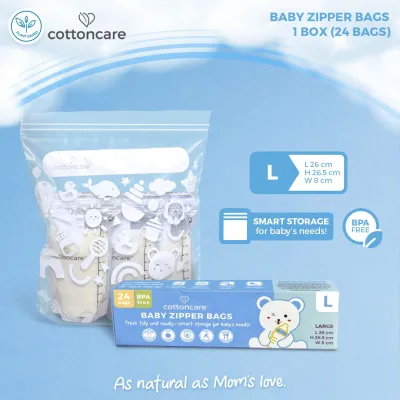
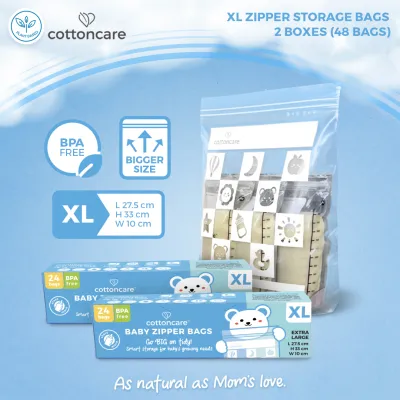
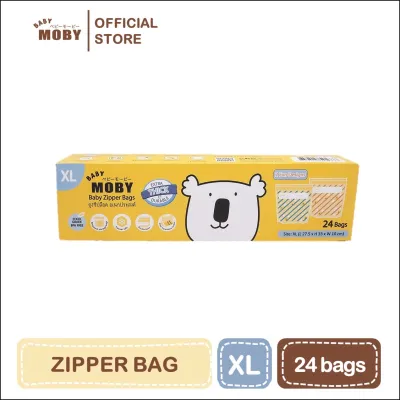
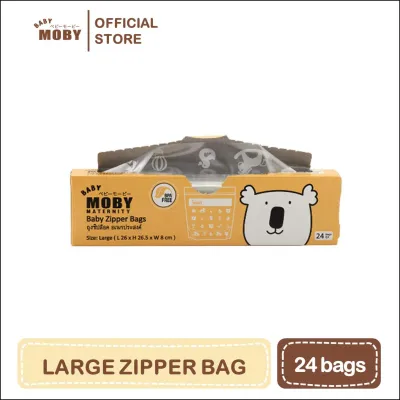
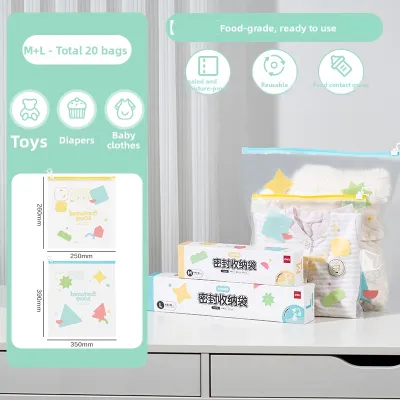
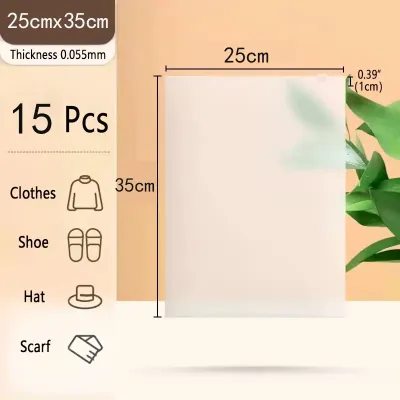
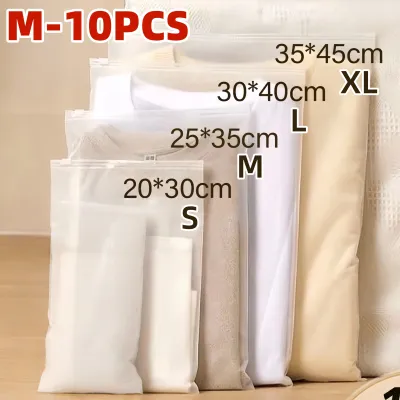
Prices are valid at publication and may change. Please refer to the product page for the latest price.
Standard Ziplock Bag Sizes and Their Baby Storage Uses
Standard household storage bags are generally categorized into four primary sizes: Snack, Sandwich, Quart, and Gallon. Understanding these industry-standard capacities allows you to plan your nursery storage layout and pack your diaper bag systematically.

Snack bags typically measure around 6.5 by 3.25 inches (16.5 x 8.2 cm). They are ideal for tiny items that easily get lost at the bottom of a diaper bag or drawer, such as pacifiers, small teething rings, or individual portions of dry baby snacks.
Sandwich bags usually measure approximately 6.5 by 5.8 inches (16.5 x 14.9 cm). This size offers slightly more depth, making it excellent for holding baby utensils, a small stack of dry cotton pads, or mid-sized teething keys.
Quart bags generally measure around 7 by 8 inches (17.7 x 20.3 cm). They serve as the workhorse for daily travel, comfortably holding a single diaper change set or travel-sized toiletries without taking up excessive space.
Gallon bags measure approximately 10.5 by 11 inches (26.8 x 28 cm). These large bags are indispensable for containing bulkier items, such as a complete change of clothes, small swaddles, or soiled garments that need to be isolated.
| Size Name | Approximate Dimensions | Best For (Baby Items) | Capacity Example |
|---|---|---|---|
| Snack | 6.5" x 3.25" (16.5 x 8.2 cm) | Pacifiers, single-serving dry snacks, travel-size creams | 1 pacifier + 2 small teething rings |
| Sandwich | 6.5" x 5.8" (16.5 x 14.9 cm) | Baby spoons, teething keys, small sensory toys | 5-6 baby spoons or a small pack of cotton balls |
| Quart | 7" x 8" (17.7 x 20.3 cm) | Diaper change kit, travel toiletries, damp washcloths | 2 diapers, travel wipes, and a small diaper cream |
| Gallon | 10.5" x 11" (26.8 x 28 cm) | Swaddles, spare outfits, receiving blankets, soiled clothes | 2 full baby outfits + 1 swaddle blanket |
Keep in mind that exact dimensions, seal widths, and material thicknesses vary by brand. Before purchasing in bulk, always check the physical box or the manufacturer’s product label to verify the exact measurements and ensure they fit your designated storage containers.
Additionally, consider the structural design of the bag. Flat bags are highly space-efficient for flat items like bibs, but expandable (gusseted) bags feature a pleated bottom that opens up to accommodate bulky, three-dimensional items like baby bottles or stuffed toys.
Matching Bag Sizes to Specific Baby Categories
Portioned Snacks, Purees, and Milk
When packing food for your little one, selecting the correct bag size preserves nutritional freshness and prevents messy spills. For dry finger foods like puffs, cut fruits, or single-serving cereals, snack-sized or sandwich-sized bags are ideal. These smaller sizes prevent over-portioning and keep snacks crisp in the humid tropical climate of the Philippines, where open boxes of biscuits soften rapidly.
For liquids, purees, or home-prepared baby food intended for the freezer, standard sandwich bags are often insufficient. You must use thicker, freezer-grade bags specifically designed to withstand low temperatures without cracking. Always leave at least an inch of empty space at the top of the bag to allow for liquid expansion as it freezes.
Before placing any food item into a plastic bag, carefully inspect the product packaging to verify that it is explicitly labeled “food-safe,” “BPA-free,” and “phthalate-free.” If you are storing expressed breast milk, do not use standard household ziplock bags; instead, rely solely on specialized, pre-sterilized breast milk storage bags that feature reinforced side seams and accurate volume markings.
Diaper Bag Essentials and Wipes
A well-organized diaper bag is a lifesaver during quick trips to the mall or family gatherings. Quart-sized baby ziplock bags are exceptionally suited for creating “diapering grab bags.” You can pre-pack one quart bag with two diapers, a travel-sized pack of wipes, and a small tube of diaper cream, allowing you to head to a changing station without carrying your entire heavy diaper bag.
For smaller hygiene essentials, snack-sized bags provide excellent protection. Use them to keep clean pacifiers, medicine droppers, or teething toys isolated from the dust and lint that naturally accumulate at the bottom of bags. A reliable, double-zipper seal is crucial here to prevent any residual diaper cream or liquid soap from leaking onto other items.
If you prefer using damp cloth wipes, store them in a quart-sized bag to retain their moisture. However, because damp environments in tropical climates can encourage bacterial growth, ensure you wash and dry these bags thoroughly between uses, or opt for single-use options if hygiene cannot be guaranteed.
Small Toys, Teethers, and Craft Supplies
Nursery rooms can quickly become cluttered with small toy parts, crayons, and teething accessories. Snack and sandwich-sized bags are excellent for grouping together small building blocks, puzzle pieces, or toddler-safe crayons. Organizing these items by set makes cleanup simpler and ensures pieces do not get lost under nursery furniture.
When storing hard plastic toys or wooden blocks, pay close attention to the thickness of the plastic. Sharp corners or rigid edges can easily puncture thin sandwich bags, rendering them useless. Opt for heavy-duty utility bags or reusable silicone storage bags that offer greater puncture resistance.
Using clear, transparent bags also provides a developmental benefit. Toddlers can easily see the contents of each bag, helping them make independent choices during playtime and encouraging them to return the toys to the correct bag when they are finished.
Travel Clothing and Blanket Organization
Packing for a family trip requires maximizing luggage space while keeping clean clothes protected. Gallon-sized or jumbo-sized bags are perfect for organizing your baby’s wardrobe by day or by outfit type. You can pack a complete daily outfit—including a onesie, socks, bib, and swaddle—into a single gallon bag, making dressing your baby straightforward for any caregiver.
To maximize space inside your suitcase, employ the “roll and squeeze” technique. Place the folded clothing inside the gallon bag, zip it closed almost entirely, gently roll the bag from the bottom to force out excess air, and then quickly slide the seal shut. This creates a semi-vacuum pack that significantly reduces the volume of bulky swaddles and blankets.
Sealing spare clothing in large bags also serves as a protective barrier. It guards clean garments against unexpected diaper leaks, spilled baby oil, or high humidity during travel, ensuring you always have a dry, fresh change of clothes ready when needed.
Safety, Material, and Thickness Checks
Not all plastic bags are created equal, and understanding material differences is vital for your baby’s health and safety. The primary distinction lies between food-grade and non-food-grade plastics. Food-grade bags are manufactured under strict sanitary conditions and are free from harmful chemical additives like bisphenol A (BPA) and phthalates, which can leach into food or items that babies put in their mouths. Always check the product packaging for a food-safe symbol (like a glass and fork icon) or an explicit “BPA-free” label before using a bag for snacks, teethers, or pacifiers.
Plastic thickness is another critical factor, typically measured in mils (one-thousandth of an inch). Standard sandwich bags are usually thin (around 1 to 1.5 mils), making them suitable only for lightweight, soft items. Freezer-grade or heavy-duty utility bags are much thicker (typically 2 to 3 mils or more), providing a stronger barrier against punctures, moisture loss, and leaks. Use these thicker options for sharp-edged toys, frozen purees, or wet clothing to prevent accidental tears.
The type of closure mechanism also impacts safety and usability. Standard double-zipper seals require manual pressing to close, which can be challenging for young children to open, adding a layer of security. Slide-lock closures, which use a plastic tab to zip the bag shut, are easier to operate but can occasionally be pulled off by curious toddlers, presenting a potential choking hazard. Always supervise your baby around any plastic bags, and store unused bags completely out of their reach to prevent suffocation risks.
Common Sizing and Usage Mistakes to Avoid
One of the most frequent errors parents make is overfilling storage bags. Forcing too many items into a bag puts excessive pressure on the seams and the zipper mechanism, often causing the seal to pop open inside your diaper bag. To ensure a secure, airtight closure, always leave at least a one-inch gap of empty space at the top of the bag. This is especially critical for liquids or semi-liquids, which need room to shift without bursting the plastic.
Another common oversight is ignoring the difference between flat and gusseted bags. A flat gallon bag and a gusseted gallon bag may have similar nominal dimensions, but the gusseted version features an expandable bottom that allows it to stand upright and hold significantly more volume. If you are storing bulky items like baby bottles, formula dispensers, or stuffed animals, choosing a gusseted bag will prevent the plastic from stretching and tearing.
Finally, improper reuse can compromise nursery hygiene. While it is perfectly safe and eco-friendly to reuse bags for organizing clean plastic toys, wooden blocks, or dry clothing, you should avoid reusing single-use bags that have held fresh food, cut fruits, or damp items. These environments can harbor bacterial growth that standard washing may not completely eliminate. Unless the manufacturer explicitly states that the bags are dishwasher-safe and designed for repeated washing, discard food-contact bags after a single use to protect your baby’s developing immune system.
Frequently Asked Questions (FAQ)
Can I use regular ziplock bags to store breast milk?
No, you should never use regular household ziplock bags to store breast milk. Standard storage bags are not pre-sterilized, are prone to tearing when frozen, and do not feature the specialized double-guard seals required to prevent contamination and nutrient loss. Always use dedicated breast milk storage bags that are specifically designed, measured, and safety-certified for handling human milk.
How do I keep ziplock bags organized in the nursery?
To keep your baby ziplock bags organized and easily accessible, place them in a dedicated nursery drawer using clear acrylic dividers or a wooden multi-slot dispenser. Sorting the bags by size (Snack, Sandwich, Quart, Gallon) ensures you can quickly grab the correct size with one hand during a busy diaper change or while packing for an outing.
Community discussion
Share your experience or ask a question. Comments are reviewed before publication.