
Choosing the right kids toy organizer storage is not just about keeping the nursery tidy; it is about creating an environment that supports your child’s developmental milestones. As babies grow into toddlers and preschoolers, their motor skills, cognitive abilities, and toy collections change rapidly. A storage system that works perfectly for a stationary six-month-old can quickly become a safety hazard or a source of frustration for an active two-year-old. By aligning your nursery storage with your child’s age and developmental stage, you can foster independence, simplify cleanup routines, and maintain a safe, organized space.
In the early stages of parenthood, storage is primarily about adult convenience and keeping hazardous items securely out of reach. However, as children begin to crawl, stand, and walk, their relationship with their environment changes. They transition from passive observers to active explorers who need safe, direct access to their playthings. Selecting the right organizers requires a careful balance of accessibility, structural stability, and material safety, tailored to the specific challenges of your living space and local climate.
Assess Your Child's Developmental Stage and Toy Collection
Before purchasing any new furniture or organizing systems, take a close look at how your child currently moves and plays. Observe their physical milestones: are they rolling over, crawling, pulling themselves up on furniture, or walking confidently? A child who is pulling up to stand will use any nearby shelf or bin for leverage, making furniture stability your absolute highest priority. If your child is already walking, they will benefit from low-profile, open storage that allows them to select and return toys independently.
Products mentioned in this guide
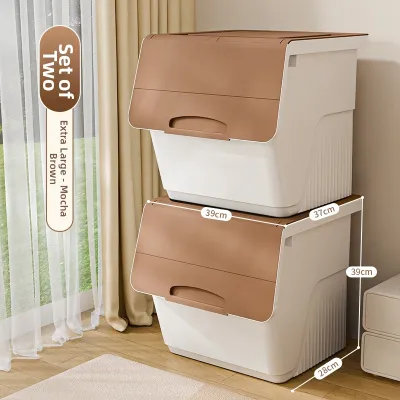
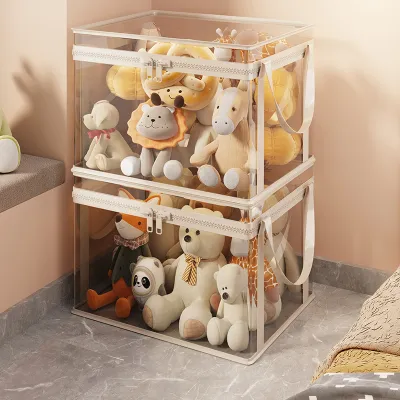
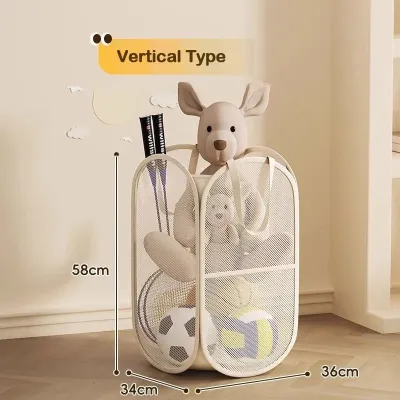
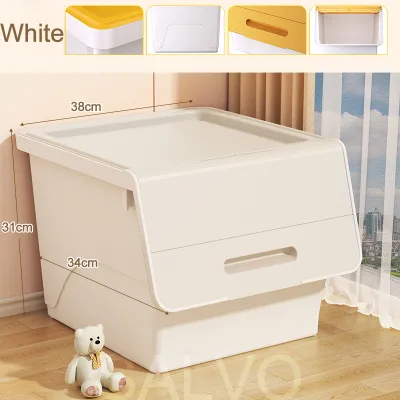
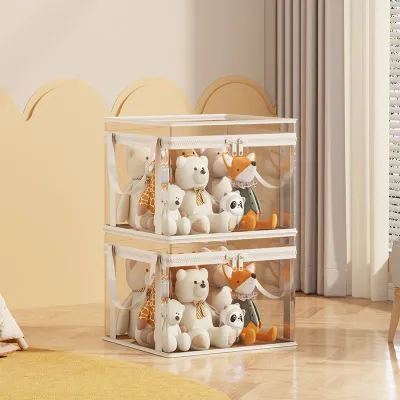
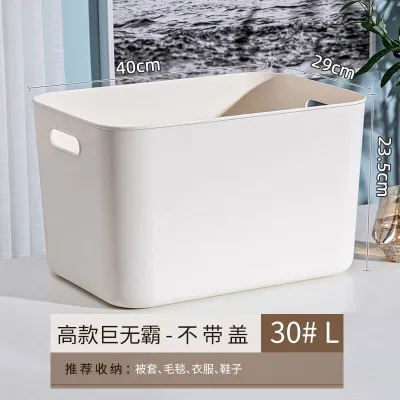
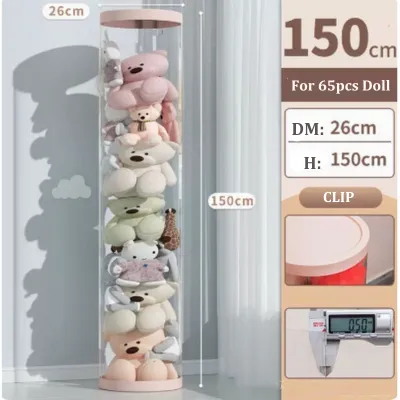
Prices are valid at publication and may change. Please refer to the product page for the latest price.
Next, audit the toy collection itself. Categorize items by size, weight, and potential hazards. Small toys with tiny parts, toys containing button batteries, or heavy wooden blocks must be separated from soft plushies and lightweight plastic toys. These high-risk items require restricted-access storage that only caregivers can reach. Additionally, consider the physical constraints of your nursery. In tropical environments, high humidity can encourage mold growth on fabrics and wood, while dust can quickly accumulate in open containers. Evaluating these environmental factors alongside your child’s physical abilities will help you determine whether open bins, closed cabinets, or elevated shelves are the most practical choice for your home.
Infants (0–12 Months): Prioritizing Adult Access and Safety
During the first year of life, infants do not have the motor skills or cognitive development to clean up their own toys. Therefore, nursery storage during this stage should be designed primarily for caregiver convenience and infant safety. High shelves, wall-mounted units, and closed cabinets are essential for keeping items like baby lotions, diapering supplies, small rattles, and toys with small parts completely out of the baby’s reach. Keeping these items elevated ensures that as your baby begins to crawl and explore the floor, they do not encounter hidden hazards.

For the lower levels of the nursery, where your baby can easily reach, opt exclusively for soft, lightweight storage options. Fabric bins, soft woven cotton baskets, or flexible silicone containers are ideal. If an infant pulls a soft fabric bin down from a low shelf, the risk of injury is virtually non-existent. Fill these low-level bins with safe, age-appropriate items such as plush toys, soft cloth books, large silicone teething rings, and lightweight plastic rattles. This setup allows your baby to safely explore their immediate surroundings and practice grasping objects without the risk of heavy containers falling on them.
Safety must remain the guiding principle when setting up any nursery furniture. If you are using wooden shelving units, dressers, or bookcases, verify that they are securely anchored to the wall. In regions prone to seismic activity or simply in active households where babies pull themselves up on furniture, anti-tip hardware is a critical safety requirement. Always check the manufacturer’s instructions for proper installation guidelines and weight limits. Avoid placing heavy items on top of shelves, and ensure that all low-level storage is free of sharp edges, splinters, or small detachable parts that could pose a choking hazard.
Toddlers (1–3 Years): Encouraging Independence with Safe Access
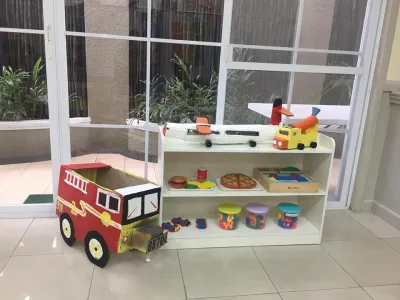
As children enter the toddler years, they develop a strong desire for independence and a rapid improvement in their gross motor skills. This is the ideal stage to transition to low-profile, highly accessible kids toy organizer storage. Look for units that feature low cubbies, open-front bins, and forward-facing book displays. These designs match a toddler’s height and natural reach, allowing them to see their options clearly and choose what they want to play with. This accessibility not only keeps them engaged but also lays the groundwork for teaching them to put toys back when playtime is over.
While encouraging independence is important, safety standards must be strictly maintained. Avoid storage units that feature heavy, free-falling lids, such as traditional wooden toy chests. These lids can easily fall on a toddler’s fingers or head, posing a severe pinching or trapping risk. Instead, choose open-bin systems where toys are easily visible and accessible without any heavy barriers. Ensure that the storage units themselves have rounded corners and are constructed from sturdy, impact-resistant materials that can withstand the energetic play of a toddler.
Material selection is particularly important during this stage, as toddlers still frequently put objects in their mouths. Verify that all storage materials are non-toxic, lead-free, and easy to clean by carefully reviewing the manufacturer’s product labels and safety certifications. In humid climates, plastic bins are highly practical because they resist moisture, prevent mold growth, and can be easily sanitized with mild soap and water. If you prefer fabric bins, ensure they are made from washable materials and check them regularly for dust accumulation or dampness to maintain a healthy nursery environment.
Preschoolers (3–5 Years): Supporting Sorting Skills and Categorization
By the age of three, children are developing more advanced cognitive skills, including the ability to sort, classify, and categorize objects. Their toy collections also tend to shift from large, simple items to multi-piece playsets, building bricks, art supplies, and puzzles. To support this developmental stage, transition your nursery storage to more structured, multi-compartment systems. Utilizing clear plastic bins allows preschoolers to see exactly what is inside without dumping the entire container, while color-coded bins can help them associate specific colors with different categories of toys.
Introducing visual labels is an excellent way to foster organizational skills and independence in preschoolers. You can use simple picture labels or clear drawings taped to the front of each bin—such as a picture of a toy car for the vehicle bin, or a drawing of a block for the building set. This visual guidance empowers your child to take charge of the cleanup process, turning organization into a fun, matching game. Additionally, consider incorporating display shelves at their eye level. Preschoolers often take great pride in their creations, and having a dedicated space to display a completed puzzle, a Lego structure, or an art project builds self-esteem and teaches them to value their hard work.
As your child’s interests evolve, remain flexible with your storage layout. What once held large baby blocks may now need to be divided into smaller, stackable containers with secure latches to keep tiny building pieces or craft supplies organized. If you have younger siblings in the house, these smaller, detailed toy sets must be kept on higher shelves or in locked containers to prevent choking hazards, while the preschooler can access them under adult supervision. This tiered approach ensures that the nursery remains safe for everyone while still accommodating the older child’s growing developmental needs.
Final Checklist for Selecting and Adjusting Your Nursery Storage
Before finalizing your purchase or rearranging your nursery, use this practical checklist to ensure your storage system is safe, functional, and ready for daily use:
- Verify Stability and Weight Limits: Check the manufacturer's specifications for maximum weight capacity and ensure the unit is structurally sound. Always install anti-tip wall anchors for any tall or heavy furniture.
- Ensure Clear Walkways: Arrange the storage units to maintain clear, unobstructed paths across the nursery floor. Avoid placing organizers where they block windows, electrical outlets, air conditioning vents, or emergency exits.
- Check for Safety Hazards: Inspect all bins and shelves for sharp edges, splinters, exposed screws, or small parts that could loosen over time.
- Assess Material Suitability: Confirm that all materials are non-toxic and easy to clean. In humid areas, prioritize moisture-resistant materials like high-quality plastics or treated wood to prevent mold.
- Plan a Reassessment Routine: Set a reminder to evaluate your storage system every three to six months. As your child reaches new physical milestones or receives new toys, you will need to adjust shelf heights, rotate outgrown toys, and update labels to keep the system functional.
Frequently Asked Questions (FAQ)
How often should I reorganize my child's toy storage?
You should consider reorganizing or adjusting your toy storage whenever you observe signs of friction in the nursery. Common triggers include toys consistently overflowing onto the floor, your child struggling to reach or return items safely, or a noticeable loss of interest in their playthings because the bins are too cluttered. Additionally, major developmental milestones—such as transitioning from crawling to walking—or seasonal changes are excellent times to review your setup. A routine check every three to four months allows you to rotate outgrown toys, clean out dust, and keep the storage system aligned with your child’s current abilities.
Are fabric bins safer than plastic bins for toddlers?
Both materials offer distinct advantages, and the best choice depends on where the bins are placed and how they are used. Fabric bins are lightweight, soft, and completely eliminate the risk of hard-edge impacts or pinched fingers, making them exceptionally safe for low shelves where toddlers play independently. However, plastic bins provide superior structural rigidity, do not sag over time, and are much easier to wipe clean and sanitize. In humid climates, plastic is often more practical as it does not absorb moisture or harbor dust mites. When choosing either material, always check the product labels to verify that they are free of harmful chemicals and built to last.
Community discussion
Share your experience or ask a question. Comments are reviewed before publication.