
Finding a replacement baby high chair seat cover that fits correctly is essential for keeping your little one comfortable and secure during mealtimes. Because high chairs vary widely in shape, size, and safety strap configurations, a mismatched cover can slide around, bunch up, or block critical safety buckles. To find a cover that fits, you must identify your high chair’s exact make and model, measure the physical dimensions of the seat, and verify that the cover’s harness slots align with your safety straps. Taking these steps prevents the frustration of purchasing an incompatible accessory and ensures your baby remains safely positioned while eating.
In warm and humid tropical climates, a poorly fitting cover can also trap heat and moisture, leading to skin irritation or discomfort for your baby. By systematically checking your high chair’s specifications and comparing them against product listings, you can secure a replacement cover that is both practical for daily cleanups and comfortable for your child. This guide outlines the exact steps to take before making your purchase.
Identify Your High Chair Make and Model
Before browsing online marketplaces for a new baby high chair seat cover, you need to know the exact brand and model of your high chair. Manufacturers frequently update their product lines, meaning a model released a few years ago may have different dimensions, frame shapes, or harness slot placements than a newer version with a similar name. Relying solely on visual similarities can easily lead to purchasing the wrong size.
Products mentioned in this guide
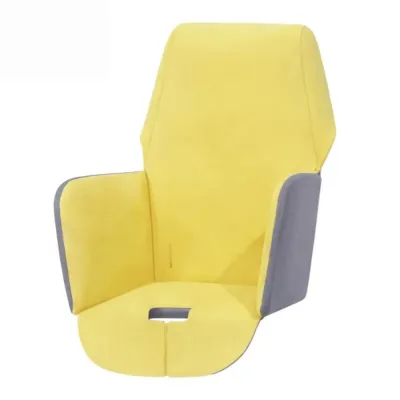
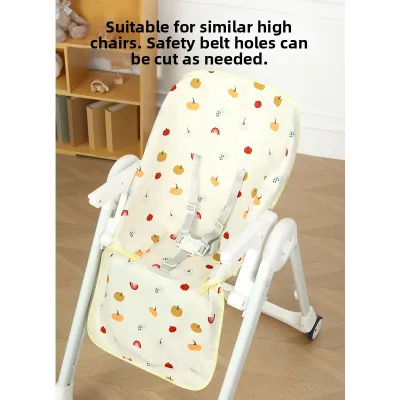
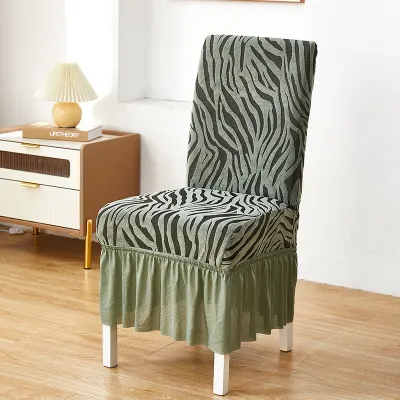

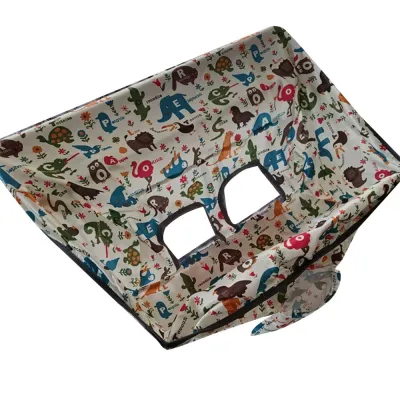
Prices are valid at publication and may change. Please refer to the product page for the latest price.
To find this information, inspect the frame of your high chair for a manufacturing label or tracking sticker. This sticker is typically located on the underside of the plastic seat pan, along the inside of the metal or wooden legs, or near the folding mechanism. The label will display the manufacturer’s name, the specific model number, and the exact date of manufacture. Write these details down or take a clear photo of the sticker with your phone for quick reference while shopping.
Once you have the model number, consult the original user manual or visit the manufacturer’s official website. Many brands list compatible accessory part numbers or offer official replacement cushions designed specifically for your model. If official replacements are unavailable or outside your budget, knowing your exact model number allows you to search for third-party custom-fit covers that are tailored to your specific chair’s dimensions.
Understanding the difference between custom-fit and universal covers is crucial during this initial step. Custom-fit covers are patterned directly from the original manufacturer’s design, ensuring that every curve, corner, and strap slot aligns perfectly with your chair. Universal covers, on the other hand, are designed to fit a wide range of brands but may require adjustments, leaving loose fabric or tight spots depending on your chair’s frame shape.
Measure the Seat Dimensions for a Physical Fit
If you are opting for a universal cover or if your high chair model is older or uncommon, taking physical measurements is the most reliable way to ensure a proper fit. Do not rely on visual estimates, as even a discrepancy of a few centimeters can cause a cover to slip off the frame or bunch up uncomfortably under your baby. Use a flexible sewing measuring tape rather than a stiff metal construction tape to get accurate measurements along the curves of the seat.

To measure your high chair accurately, record three primary dimensions:
- Seat Width: Measure across the widest part of the seat pan, from the left inside edge to the right inside edge.
- Seat Depth: Measure from the very back of the seat pan where it meets the backrest to the front edge where your baby's knees bend.
- Backrest Height: Measure vertically from the surface of the seat pan up to the top edge of the backrest.
In addition to these basic measurements, pay close attention to the unique shape of your high chair’s seat. Many modern high chairs feature deeply contoured plastic shells, high side bolsters, or a built-in plastic crotch post designed to prevent the baby from sliding forward. If your high chair has these features, a flat, standard universal cover will stretch tightly over the contours, leaving empty air gaps underneath and reducing the usable depth of the seat. For contoured chairs, look for covers that feature elasticized pockets or flexible fabric panels that can conform to these shapes.
Compare your physical measurements directly against the product dimensions listed by online retailers. Reliable sellers will provide a detailed size chart or a flat layout diagram showing the exact length, width, and depth of the cover. If your high chair’s measurements fall near the maximum limit of a cover’s dimensions, it is generally safer to choose a slightly larger size or look for an adjustable option to prevent the fabric from tearing or slipping off during use.
Verify Harness Compatibility and Attachment Types
A replacement cover must never interfere with the high chair’s safety harness. The primary function of the harness is to keep your baby securely positioned and prevent falls, which are a leading cause of high chair-related injuries. Therefore, the cover you choose must accommodate your high chair’s specific strap configuration without restricting the movement or adjustment of the buckles.
Identify whether your high chair uses a 3-point harness or a 5-point harness. A 3-point harness consists of two waist straps and a crotch strap, while a 5-point harness adds two shoulder straps for additional security. Count the exact number of straps and locate where they emerge from the high chair frame. Your replacement cover must have pre-cut slots that align precisely with these exit points.
Examine the size and placement of the strap slots on the replacement cover. If the slots are too narrow, pulling the thick plastic buckles through during installation can be difficult and may damage the fabric. If the slots are positioned too low or too high, the straps will pull down on your baby’s shoulders or waist at an awkward angle, compromising both comfort and safety. Ensure the cover’s product description explicitly states compatibility with your harness type.
Beyond harness slots, evaluate how the cover attaches to the high chair frame to prevent it from sliding around when your baby moves. Common attachment mechanisms include:
- Elastic Edges: These slip over the top of the backrest and the front of the seat pan, providing a clean, snug fit on plastic shell chairs.
- Hook-and-Loop Straps: These wrap around the frame tubes or feed through dedicated slots in the chair, offering an adjustable hold.
- Fabric Tie-Downs: These are knotted around wooden or metal legs, which is common for traditional wooden high chairs.
Choose an attachment style that matches your high chair’s frame structure. For example, if your high chair has a solid plastic backrest with no open bars, fabric tie-downs will have nowhere to secure, making an elasticized pocket cover a much better choice.
Evaluate Fabric, Maintenance, and Safety Labels
Feeding a baby is a messy process, meaning your high chair seat cover will require frequent cleaning. The material you select plays a major role in how easy the cover is to maintain, as well as how comfortable it is for your baby. In warm, tropical climates, fabric selection requires extra care to prevent heat retention and sweating.
Compare common fabric properties to find the right balance of comfort and convenience. Coated fabrics, such as polyurethane-treated polyester, are highly wipeable, allowing you to clean up minor spills and food crumbs quickly with a damp cloth after each meal. However, these non-porous materials can trap heat and feel sticky against a baby’s bare skin in humid weather. If you choose a wipeable cover, ensure it has a soft, breathable cotton or microfiber lining where it contacts your baby’s skin, or opt for a breathable, machine-washable fabric that can be easily tossed into the laundry.
Always check the care labels and manufacturer instructions for washing and drying. Some covers are machine washable but must be air-dried to prevent the waterproof coating from cracking or the fabric from shrinking. In humid environments, air-drying thick padded covers can take a significant amount of time, so having a quick-drying material or keeping a second cover on hand can be highly practical.
Finally, verify that the cover meets basic safety requirements by reviewing the product labels and manufacturer warnings. Ensure the materials used are free from harmful chemicals, lead, and phthalates. Avoid aftermarket covers that feature excessively thick padding, as bulky cushions can interfere with the snug fit of the safety harness, leaving too much slack around your baby’s torso. The cover should provide a soft barrier without altering the structural safety of the high chair.
Verify Retailer Policies and Customer Feedback Before Checkout
Before finalizing your purchase on an online marketplace, take a few minutes to verify the seller’s reputation and return policies. Because fitting a third-party cover involves precise measurements, there is always a small risk that the cover may not fit as expected once you attempt to install it on your high chair.
Read through customer reviews specifically searching for mentions of your high chair’s brand and model. Many parents post photos of the replacement cover installed on their own chairs, which can give you a realistic view of how the cover fits, whether the fabric bunches, and if the harness slots align correctly. If multiple reviews mention that the cover slips off a specific model or that the straps are difficult to thread, it is best to look for an alternative option.
Check the retailer’s return and exchange policies carefully. Because baby items are subject to strict hygiene standards, some sellers do not accept returns once the original packaging has been opened or if the cover shows any signs of use or washing. Look for listings that offer clear return windows or fit guarantees, allowing you to return the item if it does not match your high chair’s frame.
When your new cover arrives, perform a dry fit immediately before washing it or using it for a meal. Gently drape the cover over your clean high chair, thread the safety harness through the slots, and secure all attachment straps. Check that the harness buckles latch fully and that the cover does not slide when you apply light pressure. If the fit is secure and does not block any safety features, the cover is ready for use; if you notice any slipping or blocked buckles, stop use immediately and contact the manufacturer or retailer for a return.
Frequently Asked Questions (FAQ)
Can I use a universal seat cover on a contoured high chair?
While you can use a universal cover on a contoured high chair, it often presents fit challenges. Universal covers are typically flat and may not conform to deep seat pans, high side bolsters, or built-in crotch posts. This can cause the fabric to stretch tightly over the contours, creating empty air gaps underneath that make the seat unstable or reduce the usable space for your baby. If your high chair has a highly contoured design, opting for a model-specific custom cover is highly recommended to ensure a secure, snug fit.
How often should I wash the high chair seat cover?
You should wipe down the seat cover with a damp cloth and mild, baby-safe soap after every meal to prevent food residue, mold, and bacteria from building up, especially in humid tropical climates. For deep cleaning, machine wash the cover weekly or immediately after major spills or diaper blowouts. Always refer to the manufacturer’s care label for specific washing and drying instructions to avoid shrinking the fabric or damaging any waterproof coatings.
Is it safe to use an aftermarket seat cover with a 5-point harness?
Yes, it is safe to use an aftermarket seat cover with a 5-point harness, provided the cover’s slots align perfectly with the harness straps. The straps must emerge freely from the slots without being pinched, twisted, or restricted in movement. Never use a cover that requires you to bypass any part of the safety harness, and avoid overly thick, heavily padded covers that prevent the harness straps from fitting snugly against your baby’s body. Always supervise your child during meals to ensure they remain securely buckled.
Community discussion
Share your experience or ask a question. Comments are reviewed before publication.