
Finding the perfect seat cover for baby high chair options can feel like a guessing game, especially when shopping online. To know if a replacement seat cover will fit your baby’s high chair, you must compare the chair’s physical dimensions—specifically the seat width, backrest height, and harness slot configurations—with the cover’s exact specifications. Relying solely on generic “universal” labels or visual estimations often results in a loose, shifting cover that compromises your baby’s safety. By taking precise measurements and verifying compatibility lists, you can ensure a secure fit that keeps your little one comfortable and safe during mealtimes.
Why the Right Fit Matters for High Chair Safety
Many parents in the Philippines face a common dilemma: they order a beautiful, wipeable seat cover for baby high chair use from an online marketplace, only to find it bunches up, slips off, or completely blocks the safety straps when it arrives. While a mismatched cover might seem like a minor aesthetic annoyance, an ill-fitting seat cover poses genuine safety risks for your infant. If the fabric is too loose or lacks proper slip-resistant backing, your baby can easily slide forward or lean at an awkward angle, increasing the risk of choking or falling during feeding.
Furthermore, a cover that does not align with your high chair’s frame can block critical safety features. Most modern high chairs rely on a 5-point harness system to keep active babies secure. If the replacement cover covers or distorts the harness slots, you might be tempted to loosen the straps or bypass them entirely, leaving your baby unprotected. Additionally, excess fabric can easily get caught in the folding joints or lock mechanisms of space-saving high chairs, potentially damaging the frame or causing the chair to collapse unexpectedly.
Products mentioned in this guide
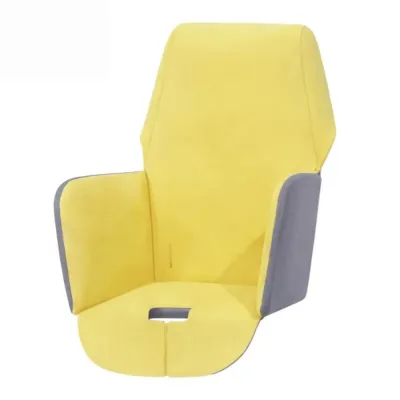
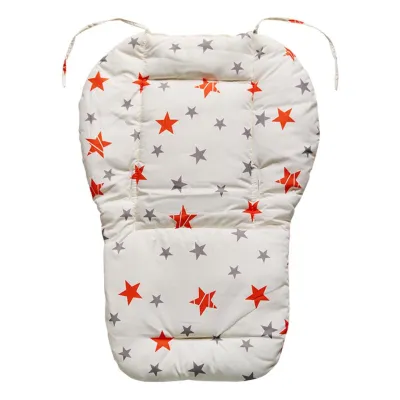
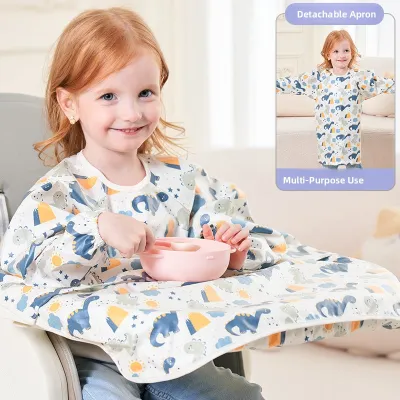
Prices are valid at publication and may change. Please refer to the product page for the latest price.
Beyond these critical safety concerns, a properly fitted cover directly impacts daily usability. In a tropical climate like the Philippines, where high humidity and warm temperatures are the norm, a snug, breathable cover prevents sweat buildup and keeps your baby comfortable. A well-fitted cover also protects your expensive nursery furniture from stubborn food stains, milk spills, and fruit purees, while remaining easy to remove and wash, ensuring a hygienic dining environment for your little one.
Step-by-Step Guide to Measuring Your High Chair
To avoid the hassle of returning mismatched accessories, you must take physical measurements of your high chair before browsing online stores. Relying on visual estimates or assuming your chair is a “standard size” is a recipe for purchasing errors, as high chair designs vary wildly across brands. Before you begin, gather a flexible sewing measuring tape, a notepad, and your high chair’s original user manual if you still have it.

Measuring the Seat Pan and Backrest
Start by measuring the main seating area where your baby sits. First, measure the width of the seat pan from the left inside edge to the right inside edge. Next, measure the depth of the seat from the very back where it meets the backrest to the front edge where your baby’s knees bend. Finally, measure the height of the backrest from the seat surface up to the top edge of the chair.
When taking these measurements, look closely at the shape of your high chair’s frame. Some modern high chairs feature highly contoured, bucket-style seats, curved edges, or non-removable plastic armrests. If your chair has these features, you must measure the widest and deepest points, accounting for how a fabric cover will drape over or wrap around these contours. If the replacement cover is made of non-stretchy material like wipeable polyurethane (PU) leather, even a small discrepancy can prevent the cover from slipping over the frame. Compare these physical measurements directly against the exact dimensions provided in the seat cover’s product listing.
Locating and Measuring Harness Slots
The most critical step in ensuring compatibility is checking the harness layout. Measure the exact distance between the shoulder strap slots, the waist strap slots, and the crotch strap slot on your high chair’s backrest and seat. Note whether your high chair has adjustable shoulder strap heights; many models feature multiple slot levels to accommodate your baby as they grow from an infant to a toddler.
Your replacement seat cover must feature pre-cut, reinforced slots that align perfectly with these harness exit points. If the cover’s slots are too narrow, too low, or spaced incorrectly, the harness straps will pull at an angle, restricting their movement and reducing their effectiveness in a sudden movement. Never attempt to use a cover that forces you to reroute the straps in a way that contradicts the high chair manufacturer’s safety manual.
Custom vs. Universal Seat Covers: Choosing the Right Type
When shopping for a seat cover for baby high chair, you will generally choose between custom (model-specific) and universal options. Understanding the distinct differences between these two categories will help you make a practical, budget-friendly decision without compromising on your baby’s comfort.
Custom or model-specific seat covers are tailored to fit one exact high chair model or a specific product line from a single brand. These covers match every curve, armrest, and harness slot perfectly, often mimicking the original padding that came with the chair. The primary advantage of a custom cover is safety and seamless integration; there is zero risk of the fabric sliding around, and the harness slots are guaranteed to align. However, custom covers tend to be more expensive, often costing upwards of ₱1,500 to ₱3,000, and they cannot be reused if you transition to a different high chair brand later.
Universal seat covers, on the other hand, are designed to fit a wide variety of standard high chair shapes. They typically feature stretchy fabrics, elasticized edges, or adjustable tie-backs to secure the cover to different frames. These are highly accessible, budget-friendly options, often priced under ₱800 on Philippine e-commerce platforms. Universal covers work best on basic wooden high chairs or simple plastic models with straight, uncomplicated lines.
To decide which type is right for you, evaluate your high chair’s design. If you own a highly contoured, multi-functional high chair with complex reclining mechanisms, adjustable heights, and unique armrests, investing in a custom cover is highly recommended. Forcing a universal cover onto a complex chair often leads to bunching, which can compromise the harness system or block folding joints. If you have a simple, standard high chair, a high-quality universal cover with adjustable straps or elastic borders can be a highly practical, cost-effective alternative.
How to Verify Compatibility Before Purchasing
Before clicking the purchase button on any online marketplace, take a few minutes to verify the cover’s compatibility using a systematic checklist. First, consult your high chair’s original manual or check the manufacturer’s official website. Many premium brands list approved replacement part numbers or recommend specific accessory brands that are guaranteed to fit their frames.
Next, read the online product description with a critical eye. Look for explicit compatibility lists that state “compatible with” followed by specific model names. Avoid listings that simply claim to fit “most high chairs” without providing exact dimensions or a list of tested models. If the listing includes a dimension chart, compare it side-by-side with the physical measurements you took earlier.
Do not overlook the value of community feedback. Scroll down to the customer reviews and Q&A sections on the e-commerce platform. Search for your specific high chair model within the reviews to see if other parents in the Philippines have successfully installed the cover on the same chair. Look for uploaded photos to evaluate how the fabric fits in real life and whether it sags or bunches.
Finally, always verify the retailer’s return and exchange policy before finalizing your order. Because fabric thickness and frame contours can sometimes create unexpected fitment issues, ensure the seller allows returns or exchanges for unused items. This protection is especially valuable when purchasing universal covers, giving you peace of mind if the fit is not as secure as expected.
Safety Checks After Installing the Seat Cover
Once your new seat cover arrives, you must perform a thorough safety inspection before placing your baby in the high chair. Never assume a cover is safe just because it looks neat on the frame. Your first priority is testing the 5-point harness system. Thread the straps through the cover’s slots and buckle them securely. Pull on the straps to ensure they glide smoothly through the slots without snagging or being restricted by thick fabric padding. The buckle must click shut easily, and the straps must tighten snugly against your baby’s body without any obstruction.
Next, inspect the cover for potential physical hazards. Check for loose fabric folds where food crumbs or tiny fingers could get trapped. If the cover uses tie-backs or elastic cords to secure itself to the frame, make sure these cords are tied tightly, tucked away, and completely out of your baby’s reach to eliminate choking or entanglement hazards. Ensure there are no loose buttons, decorative tassels, or plastic toggles that a curious infant could chew off and swallow.
Additionally, verify that the cover does not interfere with the high chair’s structural features. Fold and unfold the chair if it has a folding mechanism, ensuring the fabric doesn’t block the locking joints. Check that the cover doesn’t slide down or shift when you apply downward pressure on the seat pan.
You must stop using the replacement cover immediately if you observe any of the following conditions:
- The harness straps cannot be tightened properly or are forced into an awkward angle.
- The cover shifts, slides, or bunches up when your baby moves.
- The fabric blocks the high chair's safety locks or folding mechanisms.
- The cover's material or installation method conflicts with any safety warnings in your high chair's original user manual.
Frequently Asked Questions (FAQ)
Finding the right accessories for your nursery furniture can raise several practical questions. Below are quick-reference answers to common compatibility and maintenance queries.
Can I use a car seat cover or stroller liner on a high chair?
No, you should not use a car seat cover or stroller liner on a baby high chair. While they may look similar in shape, car seat covers and stroller liners are engineered for entirely different harness geometries, structural frames, and safety standards. High chairs require materials that can withstand frequent food spills and prevent slipping during active feeding. Using a non-high chair liner can cause your baby to slide forward, block the proper routing of the 5-point harness, or interfere with the high chair’s stability. Always choose accessories specifically designed, tested, and approved for high chair use.
How often should I wash the high chair seat cover?
You should wash your high chair seat cover based on visible soiling, major spills, or as part of your routine weekly cleaning. Always follow the manufacturer’s care label instructions, as some materials can be machine washed while others require a simple wipe-down with mild soap and water. In the humid, tropical climate of the Philippines, it is absolutely critical to ensure the cover is completely dry before reinstalling it on the frame. Trapping moisture between the fabric and the plastic seat can quickly lead to mold and mildew growth, posing health risks for your baby.
Community discussion
Share your experience or ask a question. Comments are reviewed before publication.