
Introducing solid foods is a major developmental milestone for your baby. When starting with Sunmum baby food at six months of age, the process should be gradual, safe, and tailored to your child’s specific developmental pace. Properly introducing these purees involves recognizing physical readiness, selecting the correct stage-appropriate textures, and establishing a hygienic, stress-free feeding routine.
At six months, your baby’s digestive system is transitioning to handle foods other than breastmilk or infant formula. Sunmum offers convenient purees designed to support this transition, but success relies on how you introduce them. By starting with tiny portions, using safe feeding utensils, and monitoring your baby’s response, you can foster a positive relationship with food from the very first bite.
Signs Your Baby Is Ready for Sunmum Solid Foods
Before opening any baby food pouch or jar, you must verify that your child is physically and developmentally prepared to swallow solids safely. Age is a helpful guideline, but individual developmental milestones are the true indicators of readiness.
Products mentioned in this guide
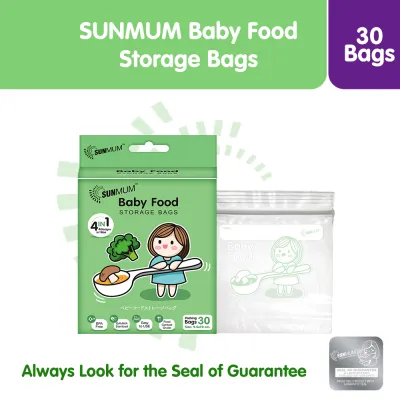
Prices are valid at publication and may change. Please refer to the product page for the latest price.
Your baby must be able to sit upright with minimal support, holding their head and neck steady. Good head control is crucial because it prevents choking and allows the baby to swallow pureed food comfortably. If your baby still slumps over or cannot hold their head up steadily while seated in a high chair, they are not yet ready for solid foods.
Observe your baby’s behavioral cues during family mealtimes. A ready baby will show active interest in what you are eating, perhaps reaching for your plate or watching your spoon move. They should also open their mouth willingly when a spoon or food approaches their lips, signaling a desire to try eating.
Another critical physical sign is the disappearance of the tongue-thrust reflex. This reflex causes young infants to automatically push any solid object out of their mouth with their tongue to prevent choking. If your baby continues to push the pureed food straight back out of their mouth with their tongue, their oral-motor skills need more time to develop.
Always consult a pediatrician in the Philippines before introducing any solid foods to your baby’s diet. This consultation is especially critical if your baby was born prematurely, has a history of allergies, or has underlying health conditions. A healthcare professional can provide personalized clearance and guide you based on your baby’s unique growth chart.
Preparing for Your First Sunmum Feeding Session
Proper preparation minimizes stress and ensures a hygienic environment for your baby’s first experience with solid food. Having the right tools on hand allows you to focus entirely on your baby’s reactions and safety.

Invest in a soft-tipped silicone baby spoon, which is gentle on sensitive, developing gums and prevents accidental injury. A catch-bib with a wide pocket is highly recommended to catch spills and keep cleanup manageable. Ensure you have a sturdy high chair that provides adequate foot and back support, keeping your baby in a secure, upright position.
Before opening any Sunmum product, perform a thorough safety check on the packaging. Verify the expiration date printed on the container to ensure the food is fresh. Inspect the safety seal on the jar or pouch to ensure it has not been punctured, bloated, or compromised during shipping or storage. Confirm that the label explicitly indicates the product is suitable for Stage 1 or 6-month-old infants.
Hygiene is paramount when preparing food for an infant with a developing immune system. Wash your hands thoroughly with soap and clean water for at least twenty seconds before handling any feeding gear. Ensure that all bowls, spoons, and high chair trays are thoroughly washed and sterilized before the feeding session begins.
Step-by-Step Guide to Serving Sunmum Pouches and Jars
Transitioning to solids is a step-by-step process that requires patience. Following a structured approach helps prevent digestive upset and ensures a safe feeding environment.
Step 1: Selecting the Right Texture and Flavor
When introducing Sunmum for the first time, choose single-ingredient purees to make digestion easier. Simple, single-ingredient options like basic rice, apple, or banana purees are ideal starting points for a beginner’s digestive tract. These simple flavors allow your baby to get used to the mechanics of swallowing without overwhelming their taste buds.
Avoid starting with complex, multi-ingredient blends or purees that contain potential allergens. Introducing multiple ingredients at once makes it incredibly difficult to identify the culprit if your baby experiences an allergic reaction. Stick to one simple fruit, vegetable, or grain at a time until you are confident your baby tolerates each one individually.
Always read the packaging carefully to confirm the product’s age rating. Stage 1 products are specifically formulated to have an extremely smooth, runny, and completely lump-free texture. This thin consistency is essential for six-month-olds who are learning how to move food from the front of their mouth to the back to swallow.
Step 2: Portioning and Serving Safely
Never feed your baby directly from a Sunmum pouch or jar. Squeeze or spoon a small amount of the puree into a clean, separate baby bowl instead. Feeding directly from the container introduces bacteria from the baby’s saliva into the remaining food, which can cause rapid bacterial growth and spoilage.
Start with an incredibly small portion, such as one to two teaspoons of puree. At six months old, the primary goal of solid food is sensory exploration and learning how to swallow, not filling the baby’s stomach. A tiny portion allows their digestive system to adapt gradually to new textures without causing discomfort or constipation.
Manage the temperature of the food carefully to prevent burns. Sunmum purees can be served safely at room temperature, which is often preferred by beginners. If the food has been refrigerated, warm it by placing the portioned baby bowl into a larger container of warm water. Always stir the food thoroughly and test the temperature on the inside of your wrist before offering it to your baby.
Step 3: Establishing a Calm Feeding Routine
Timing is key to a successful first feeding session. Choose a time of day when your baby is alert, calm, and healthy, rather than tired or overly hungry. A great time is mid-morning, roughly one hour after their usual morning milk feed, so they are receptive to trying something new without being fussy.
Position your baby securely and upright in their high chair, and stay within arm’s reach throughout the entire meal. Never leave your baby unattended while they are eating or experimenting with food. Maintaining eye contact and speaking in a calm, encouraging voice helps build a positive association with mealtime.
Pay close attention to your baby’s non-verbal communication and fullness cues. Signs that your baby has had enough include turning their head away, closing their mouth tightly, pushing the spoon away, or spitting the food out continuously. Stop the feeding session immediately when you observe these signs, and never force your baby to finish the portion.
Sample First-Week Introduction Schedule
Integrating solid foods into your baby’s daily routine should be a gradual progression. This structured schedule helps balance solid food introduction with their regular milk feeds.
During Days 1 to 3, offer only one to two teaspoons of a single-ingredient puree once a day. Keep the feeding session at the same time each morning to establish a predictable routine. Use these initial days to observe your baby’s swallowing mechanics and watch closely for any immediate physical reactions.
From Days 4 to 7, you can gradually increase the portion size to one or two tablespoons if your baby has tolerated the initial servings well. At this stage, you may also introduce a second single-ingredient flavor, continuing to monitor their response. Keep the daily offering to just one mealtime session per day to avoid overwhelming their stomach.
Remember that breastmilk or infant formula remains the primary source of nutrition and hydration for your baby at six months old. Solid foods are strictly complementary at this stage and are not meant to replace milk feeds. Continue to offer breastmilk or formula on demand or according to your regular feeding schedule.
| Time of Day | Activity | Feeding Type |
|---|---|---|
| Early Morning | Wake up and play | Breastmilk or Formula |
| Mid-Morning | Active play, then transition | Sunmum Solid Puree (1-2 tsp) |
| Late Morning | Rest and morning nap | None |
| Midday | Wake up and play | Breastmilk or Formula |
| Afternoon | Play and afternoon nap | Breastmilk or Formula |
| Evening | Bedtime routine | Breastmilk or Formula |
Safety Precautions and When to Stop
Prioritizing safety and hygiene is critical when feeding solids to an infant, especially in a tropical climate. Understanding potential risks helps you navigate the transition with confidence.
Adhere strictly to the three-to-five-day rule when introducing new ingredients. Wait three to five days before introducing any other new food to monitor your baby for signs of food allergies or sensitivities. Watch for physical symptoms such as skin rashes, hives, vomiting, diarrhea, bloating, or any difficulty breathing.
The warm, humid climate of the Philippines requires extra vigilance regarding food safety and storage. Refrigerate opened jars or pouches immediately after portioning, and ensure they are consumed within the manufacturer’s recommended timeframe, typically 24 to 48 hours. Always discard any leftover food remaining in the baby’s bowl after a meal, as saliva enzymes will quickly break down the food and encourage bacterial growth.
Choking is a serious concern for parents introducing solids. Never leave your baby unattended, and ensure they remain seated upright in their high chair during and immediately after eating. It is normal for babies to gag occasionally as they learn to manage textures, but if your baby shows signs of distress, turns blue, or gags persistently, stop feeding immediately and clear their mouth.
Know when to seek professional medical advice from a pediatrician. Consult a doctor immediately if your baby exhibits signs of an allergic reaction, experiences severe or persistent constipation, vomits after eating, or consistently refuses to eat solids over several days. Your pediatrician can help determine if your baby needs more time before transitioning to solid foods.
Frequently Asked Questions (FAQ)
Can I mix Sunmum purees with breastmilk or formula?
Yes, mixing a small amount of breastmilk or prepared infant formula into the puree is a highly effective way to ease the transition. This practice thins the consistency of the puree, making it easier for a beginner to swallow, and introduces a familiar taste that can comfort your baby. Always perform this mixing in a separate, clean baby bowl rather than inside the original packaging, and follow standard safety guidelines for expressed milk or prepared formula.
How long can an opened Sunmum jar stay in the fridge?
An opened commercial baby food jar can typically be stored in the refrigerator for 24 to 48 hours. Always check the specific manufacturer’s label on your Sunmum product for precise storage instructions, as formulations can vary. Prior to serving refrigerated leftovers, inspect the food thoroughly and discard it immediately if it exhibits an off smell, discoloration, or any signs of spoilage.
Is it safe to feed my baby directly from the Sunmum pouch?
No, it is not safe to feed your baby directly from the pouch nozzle. Sucking directly from the pouch can present a choking hazard if the baby draws in too much puree at once or bites down on the rigid plastic spout. Additionally, direct contact introduces bacteria from your baby’s mouth into the pouch, contaminating the remaining food and making it unsafe to store for future meals.
Community discussion
Share your experience or ask a question. Comments are reviewed before publication.