
Introducing your baby to solid foods is an exciting milestone that marks a transition in their growth and development. To properly introduce Sunmum baby food to your 6-month-old, you must first confirm their developmental readiness, select smooth single-ingredient purees, and establish a slow, patient feeding routine. Starting with just a few teaspoons once a day allows your baby’s digestive system to adapt without being overwhelmed. Always prioritize hygiene, serve the food from a clean bowl rather than directly from the packaging, and keep breastmilk or formula as their primary source of nutrition.
Recognizing Developmental Readiness for First Solids
While reaching the six-month mark is a widely accepted general guideline, age alone should not dictate when your baby starts solids. Every infant develops at their own pace, and their physiological readiness is the most critical factor to consider. Before offering any purees, you must observe whether your baby has achieved the necessary physical milestones to swallow safely.
One of the primary physical signs of readiness is robust head and neck control. Your baby must be able to hold their head steady and upright without wobbling throughout the duration of a meal. Additionally, they should be able to sit upright with minimal support, either in a high chair or on your lap, which helps prevent choking and facilitates proper swallowing.
Products mentioned in this guide
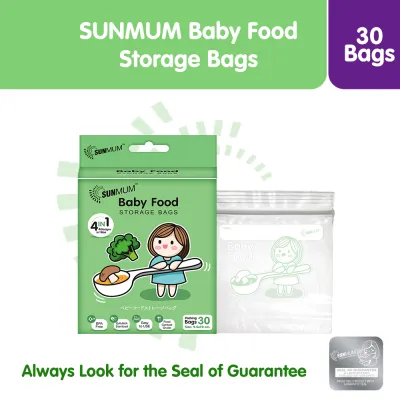
Prices are valid at publication and may change. Please refer to the product page for the latest price.
Another essential physiological milestone is the disappearance of the tongue-thrust reflex. This reflex automatically causes young infants to push solid objects out of their mouth with their tongue to prevent choking on non-liquid substances. If you place a tiny dab of puree on your baby’s lips and they immediately push it out with their tongue, their digestive tract and oral motor skills may not be fully mature yet.
Beyond physical mechanics, look for active behavioral cues that signal an interest in food. Your baby might watch you intently while you eat, reach out for your plate, or mimic chewing motions. When you bring an empty spoon near their face, an interested baby will open their mouth in anticipation rather than turning away or ignoring it.
If your baby does not display these physical and behavioral signs, it is best to wait. Forcing solids too early can lead to negative associations with eating or accidental choking. Always consult your pediatrician if you are unsure whether your baby is ready to transition to solid foods.
Choosing the Right Sunmum Products for a 6-Month-Old
When you are ready to begin, selecting the appropriate products is key to a smooth transition. Sunmum offers options designed to suit different stages of infant development. For a beginner who is exactly six months old, you must carefully read the packaging to identify the specific age recommendations, typically indicated by a “6+ months” or “Stage 1” label.

Beginners require an incredibly smooth, velvety texture. Their oral motor skills are only accustomed to thin liquids like breastmilk or formula, so their first solid food must be a completely lump-free puree. Opt for single-ingredient selections—such as pureed squash, sweet potato, or green peas—before moving on to complex blends. Introducing one ingredient at a time makes it much easier to identify the source if your baby experiences an adverse reaction.
Examine the ingredient list on the back of the packaging carefully. High-quality baby food should contain only the primary food ingredients and water needed for pureeing, with no added sugars, salt, sodium, or artificial preservatives. Standard pediatric guidelines strongly advise against introducing added sugars and excess salt to an infant’s diet, as their kidneys are still developing and their taste preferences are being formed.
Finally, inspect the physical packaging thoroughly before serving. Ensure the safety seal on the pouch or jar is completely intact and has not been compromised. Check the expiration date printed on the label to guarantee freshness. If you notice any bloating in a pouch or a loose lid on a jar, discard the product immediately and do not feed it to your child.
Step-by-Step Feeding Routine and Portion Guidelines
Initial Portions and Frequency
Your baby’s first feeding session is more about sensory exploration and practicing oral coordination than actual caloric intake. Start by offering a very small portion, such as one to two teaspoons of the Sunmum puree, once a day. Do not expect your baby to finish a whole pouch or jar; a few small swallows are a successful start.
Gradually increase the portion size and the frequency of meals over several weeks, guided entirely by your baby’s appetite and tolerance. During this transitional phase, breastmilk or formula must remain their primary source of hydration and nutrition. Solid foods are meant to complement, not replace, their milk feeds.
Timing is crucial for a successful first experience. Choose a time of day when your baby is alert, well-rested, and in a pleasant mood. A mid-morning slot, about an hour or two after their morning milk feed, is often ideal. Offering solids when your baby is slightly hungry but not ravenous prevents frustration, as a starving baby will want the quick comfort of a bottle or breast rather than the slow process of spoon-feeding.
Serving Pouches and Jars Safely
Proper physical handling of the packaging is essential for your baby’s safety and oral health. You should never allow your baby to suck puree directly from a Sunmum pouch nozzle. Sucking directly can pose a choking hazard, limits their opportunity to practice spoon-feeding, and can negatively impact their developing gums and teeth. Instead, squeeze a small portion of the puree into a clean baby bowl and feed them using a soft-tipped silicone infant spoon.
If you are serving from a jar, avoid dipping the baby’s spoon directly into the container if you plan to save the rest. Saliva contains enzymes and bacteria that, when introduced back into the jar, will break down the food and cause it to spoil rapidly. Always scoop the desired portion into a separate feeding dish first, then tightly seal and refrigerate the remaining puree in the original container.
In warm, humid climates like the Philippines, food safety requires extra vigilance. High ambient temperatures and humidity levels create an ideal environment for rapid bacterial growth. Any leftover puree that has been in contact with your baby’s spoon or left sitting in the feeding bowl at room temperature must be discarded immediately after the meal. Never save half-eaten portions for later.
Building a Consistent Daily Routine
Establishing a predictable schedule helps your baby understand what to expect during mealtime. Try to offer solids at roughly the same time every day during the first few weeks. This consistency helps regulate their digestive system and prepares them mentally for the transition from liquid to solid meals.
Create a calm, distraction-free environment for feeding. Turn off televisions, put away mobile phones, and minimize loud background noises so your baby can focus entirely on the sensory experience of eating. Ensure your baby is securely buckled into a sturdy high chair with their feet supported, which promotes a safe upright posture.
Be prepared for a messy process and exercise immense patience. Your baby is learning how to move food from the front of their mouth to the back to swallow, and much of it may end up on their face, bib, or high chair tray. Allow them to touch and explore the texture of the puree with their fingers, as tactile exploration is a natural and beneficial part of their developmental learning process.
Safety, Allergy Monitoring, and Fullness Cues
When introducing new foods, safety and vigilance are paramount. To monitor for potential food allergies, follow the standard pediatric protocol of waiting three to five days before introducing a new ingredient or flavor. During this waiting period, do not introduce any other new foods. This clear window allows you to isolate and identify the exact cause if your baby experiences an adverse reaction.
Keep a close eye out for signs of an allergic reaction during and after feeding. Common symptoms include hives, localized skin rashes, redness around the mouth, facial swelling, vomiting, diarrhea, or sudden congestion. Severe reactions may involve difficulty breathing or wheezing. If you observe any mild symptoms, stop feeding the food immediately and contact your pediatrician; if your baby shows signs of severe distress or breathing issues, seek emergency medical care without delay.
Equally important is learning to recognize and respect your baby’s natural satiety cues. Your baby will clearly communicate when they are full or simply not interested in eating more. They may turn their head away from the spoon, close their mouth tightly, push the spoon away with their hands, lean back in the high chair, or become fussy and distracted.
Never force-feed your baby to finish a specific amount or empty a bowl. Respecting their fullness cues helps them develop healthy self-regulation habits and prevents negative associations with mealtime. If they show signs of fullness after only a bite or two, accept their decision and try again at the next scheduled feeding.
Frequently Asked Questions (FAQ)
Can I mix Sunmum purees with breastmilk or formula?
Yes, mixing Sunmum purees with a small amount of breastmilk or infant formula is an excellent way to thin out the texture for a beginner. This adds a familiar taste, which can make the transition to solids less intimidating for your baby. Always check the specific product label for any preparation warnings. To prevent waste, only mix the milk into the specific portion you plan to serve immediately, as any leftover mixture containing breastmilk or formula must be discarded after the meal.
How long does an opened Sunmum jar or pouch last in the fridge?
You must always refer to the exact storage instructions printed on your specific Sunmum packaging, as formulations and preservation methods can vary. Generally, once a commercial baby food pouch or jar is opened and has not been contaminated by saliva, it should be tightly sealed and stored in the refrigerator immediately. Most manufacturers recommend consuming the refrigerated portion within 24 to 48 hours. Given the high humidity and warm temperatures in the Philippines, never leave opened baby food at room temperature, and discard any leftovers that exceed the recommended refrigeration window.
What if my 6-month-old refuses the Sunmum puree?
Food refusal is a completely normal part of the weaning process, as the taste, temperature, and texture of solids are entirely new sensations. If your baby refuses the puree, do not force them to eat. Instead, try offering the food at a different time of day when they might be more relaxed, or ensure the puree is served at a comfortable room temperature. You can also pause and try a different single-ingredient Sunmum flavor after a few days, as it often takes multiple exposures before a baby comfortably accepts a new taste.
Community discussion
Share your experience or ask a question. Comments are reviewed before publication.