
Keeping a curious toddler safe in the kitchen requires reliable tools, and the refrigerator is often one of the most tempting targets for young explorers. Finding a high-quality refrigerator lock door original model is essential for ensuring that your kitchen remains a secure environment. While cheap counterfeits and unbranded knockoffs are widely available online, they frequently fail when subjected to real-world stress. To protect your child, you must know how to distinguish a genuine, safety-tested lock from a substandard imitation.
You can identify an original refrigerator door lock by examining its material flexibility, checking for branded high-temperature adhesives, verifying unique packaging security features like holographic seals or batch numbers, and testing for a smooth, dual-action locking mechanism. In tropical climates like the Philippines, where high humidity and heat can compromise low-grade plastics and glues, choosing an authentic product is not just about durability—it is a critical safety decision.
Why Authentic Baby-Proofing Locks Matter for Fridge Safety
When discussing an “original” or “genuine” refrigerator lock, it is important to clarify that this refers to products designed by reputable, specialized baby safety brands rather than the manufacturer of the refrigerator itself. Companies dedicated to childproofing conduct extensive research and mechanical testing to ensure their designs can withstand the repetitive force of a growing child pulling on a door.
Products mentioned in this guide
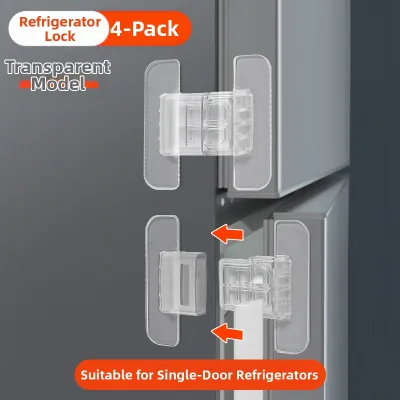
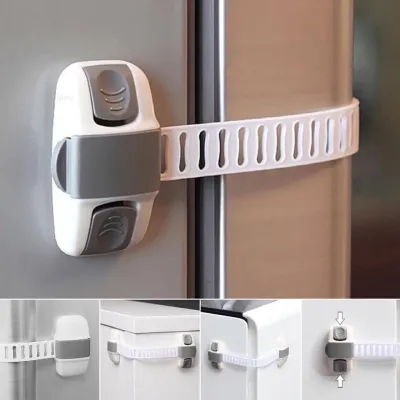
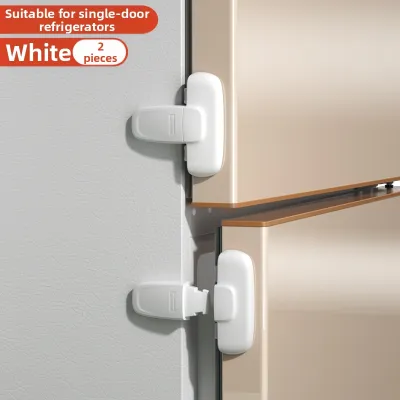
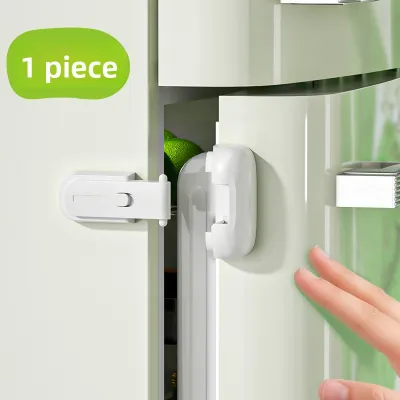
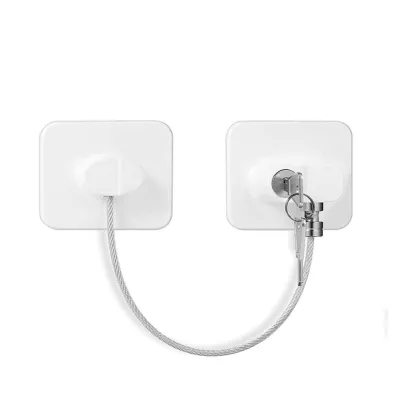
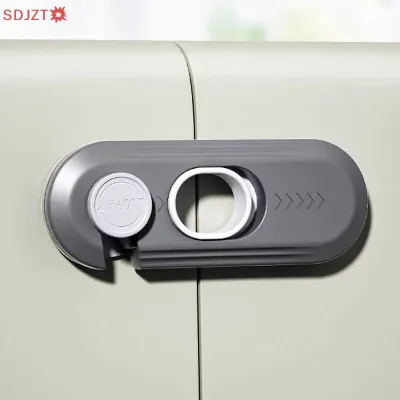
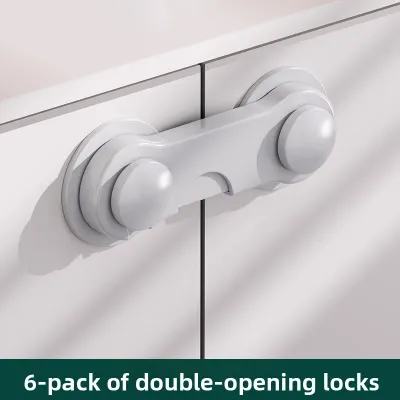
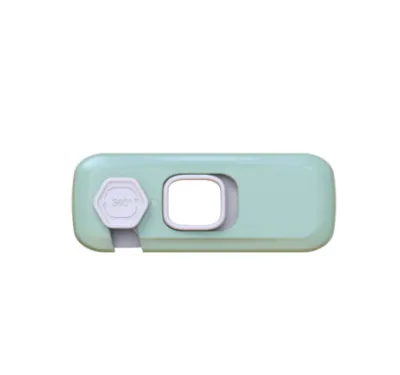
Prices are valid at publication and may change. Please refer to the product page for the latest price.
Counterfeit or substandard locks pose severe risks because they use cheap production methods to lower costs. In warm, humid kitchen environments, these inferior materials degrade rapidly. A cheap plastic strap can become brittle and snap under a toddler’s weight, or a low-grade adhesive can slide off the appliance entirely.
If a refrigerator lock fails, the resulting hazards can be severe. A child who successfully opens a heavy refrigerator door faces the risk of pinching their fingers in the door hinge or the tight magnetic seal. Furthermore, toddlers may attempt to climb onto the lower shelves or drawers of an open refrigerator. This shifts the appliance’s center of gravity and can cause the entire unit to tip over, leading to catastrophic crush injuries. Unsecured fridges also grant children access to heavy glass jars, raw foods that carry bacterial risks, or small items that present choking hazards. Caregivers must remember that childproofing products are meant to assist, but they never replace active adult supervision; if a lock shows any signs of wear, it must be replaced immediately.
Identifying a Refrigerator Lock Door Original: Key Physical Differences
Before installing a safety device on your appliance, a close physical inspection can reveal whether you are holding a genuine product or a dangerous imitation. Counterfeiters often replicate the basic shape of a lock but cut corners on the materials and mechanical tolerances.

Build Quality and Locking Mechanism
Authentic child safety locks are constructed from high-grade, impact-resistant, and BPA-free plastics. These materials are engineered to be slightly flexible, allowing them to absorb sudden shocks and tension without cracking. When you unbox an original lock, the plastic should feel sturdy, smooth, and free of any strong, unpleasant chemical or petroleum odors, which often indicate the use of cheap, unregulated recycled plastics.
Before purchasing, caregivers should verify the recommended age range, development stage, and weight limits from the specific product documentation, as these parameters vary by model. The locking buttons, dials, or dual-action release mechanisms on an original lock operate with a consistent, smooth resistance. They are specifically designed to require a level of finger strength, coordination, or a multi-step action—such as pressing two buttons simultaneously while sliding a latch—that a toddler’s developing motor skills cannot master.
In contrast, counterfeit locks often feature misaligned plastic seams, rough edges left over from poor molding, and buttons that catch or jam. Some fakes are so poorly manufactured that a firm pull on the strap bypasses the locking mechanism entirely, rendering the device useless.
Adhesive Pads and Mounting Reliability
The adhesive pad is the primary point of failure for any no-drill refrigerator lock. Genuine manufacturers partner with trusted adhesive brands to supply heavy-duty, double-sided acrylic foam tapes. These adhesives are formulated to cure securely on metal and plastic surfaces, and they are rated to withstand both the heat generated by the refrigerator’s exterior walls and the high humidity levels common in Philippine homes.
Counterfeit locks typically use thin, unbranded double-sided tape with a shiny, plastic-like backing instead of a high-quality release liner. Under the tropical conditions of a typical kitchen in the Philippines, where indoor temperatures and humidity fluctuate, these cheap glues quickly break down into a sticky, sliding residue. When a child pulls on the door, the entire lock assembly can slide off the refrigerator surface, failing instantly.
How to Verify the Authenticity of a Safety Lock
Verifying the authenticity of a safety lock requires looking beyond the product itself to inspect the packaging, documentation, and digital security features provided by the manufacturer.
First, examine the retail packaging carefully. Genuine baby-proofing brands package their products in high-quality boxes or card blisters with crisp, high-resolution printing, clear branding, and registered trademark symbols. Look for printed batch numbers, lot codes, or manufacturing dates. Many reputable brands also apply holographic security seals that display shifting patterns or colors when tilted under light.
Second, check for comprehensive manufacturer information. An original product will always display the manufacturer’s physical address, customer support phone number, and official website. Counterfeits often omit these details entirely or use generic phrases like “Made in China” without naming a responsible company.
Third, utilize digital verification tools if they are provided. Many safety brands now print a unique QR code or serial number on each package. Scanning this code should take you directly to the brand’s official domain—always verify the URL in your browser to ensure it is not a spoofed or generic landing page. Be cautious of cloned QR codes: if a verification system indicates that the code has already been scanned multiple times, you likely have a counterfeit item.
Fourth, inspect the instruction manual. Authentic locks include professionally printed, clear, step-by-step installation guides with detailed diagrams, surface preparation instructions, and specific safety warnings. Counterfeit packages often contain no instructions at all, or feature poorly translated text with obvious spelling and grammatical errors printed on a scrap of low-grade paper.
Finally, do not rely solely on online listing photos. Unauthorized sellers frequently steal official, high-quality marketing images from genuine brands to use on their product listings. The actual item that arrives in the mail may look completely different, making a physical post-delivery inspection essential.
Where to Buy Genuine Refrigerator Locks Safely
To ensure you are purchasing a genuine safety product, you must be selective about where you shop and how you evaluate online listings.
The safest approach is to purchase directly from official brand flagship stores, authorized baby specialty retailers, or established physical baby stores in the Philippines. These retailers maintain direct supply chains with manufacturers, ensuring that every product on their shelves is authentic and compliant with safety standards.
When shopping on online marketplaces, look for verified mall badges or official brand distributor indicators. Avoid third-party sellers with random-letter usernames, poor ratings, or listings that ship from unverified locations without any official brand authorization.
Always read customer reviews critically. Instead of looking only at the overall star rating, filter the reviews to view those that include real photos and videos of the received product. Compare these user-submitted photos with the official packaging and product design shown on the manufacturer’s website. Pay close attention to low-star reviews, as other parents will often point out if an item arrived in generic packaging, lacked brand markings, or failed immediately due to poor adhesive quality.
Be highly skeptical of extreme discounts. High-quality materials, safety testing, and compliance certifications carry a baseline manufacturing cost. If a lock is listed on an online marketplace for ₱50 while the official brand store sells the same model for ₱350, it is almost certainly a counterfeit. Spending a little more for a verified, authentic product is a direct investment in your child’s safety and your peace of mind.
What to Do If You Suspect You Bought a Fake Lock
If your inspection reveals that you have purchased a counterfeit or substandard refrigerator lock, you must take immediate action to protect your child and report the seller.
First, stop using the suspected lock immediately. If it is already installed, remove it. A counterfeit lock is highly dangerous because it provides a false sense of security, which may lead caregivers to relax their supervision around the refrigerator.
Second, secure the appliance using temporary safety measures while you wait for an authentic replacement. This can include placing a heavy, stable obstacle in front of the refrigerator door to block access, or implementing strict, continuous adult supervision whenever your child is in or near the kitchen. If you are unsure about how to properly secure heavy appliances, consult a qualified childproofing professional.
Third, initiate a return and refund request through your e-commerce platform’s buyer protection program. Select “counterfeit” or “item not as described” as the reason for your return. Upload clear photos of the fake product’s defects, such as the lack of brand logos, poor packaging, thin adhesive backing, or misaligned parts, to support your claim.
Fourth, report the seller to the platform’s customer support team. Reporting unauthorized sellers helps platforms flag and remove dangerous counterfeit safety gear, protecting other families from potential accidents.
Finally, destroy the fake lock before throwing it away. Cut the straps or break the plastic housing so that the item cannot be salvaged from the trash, resold, or accidentally reused by someone else.
Frequently Asked Questions (FAQ)
Are generic strap locks a safe alternative to branded refrigerator locks?
While some generic strap locks may appear identical to branded options, they often lack the rigorous, appliance-specific stress testing and chemical safety checks—such as verifying that the plastic is completely non-toxic and BPA-free—conducted by reputable baby-proofing brands. If you choose to use a generic lock, verify if there are any recognized safety certifications printed directly on the packaging rather than relying on online claims. Monitor the generic lock daily for early signs of plastic cracking, strap stretching, or adhesive lifting, and replace it immediately if any wear is detected.
Will genuine adhesive locks damage my refrigerator's finish?
Genuine baby safety brands typically use high-quality, removable adhesives (such as premium 3M foam tapes) that are formulated to hold securely under tension but release cleanly when properly removed. To prevent damaging your refrigerator’s finish, always follow the manufacturer’s specific removal instructions. This usually involves applying gentle heat from a hair dryer to soften the adhesive, then using a piece of dental floss or fishing line in a sawing motion to slice through the foam backing. Always test a small, inconspicuous area first, especially if your refrigerator has a delicate matte, painted, or custom stainless steel finish.
Community discussion
Share your experience or ask a question. Comments are reviewed before publication.