
Collecting colostrum, often referred to as “liquid gold,” is a wonderful way to prepare for your baby’s arrival or support your newborn in their first days of life. This thick, nutrient-rich first milk provides essential antibodies and concentrated nutrition perfectly suited for a newborn’s tiny stomach. Using a dedicated colostrum collector allows you to gather and save even the smallest drops of this precious fluid without letting any go to waste.
To succeed with this process, you need to master the gentle art of hand expression and understand how to use your collection device effectively. While the technique requires some patience and practice, learning the correct finger placement, stimulation methods, and hygienic storage practices will help you build confidence. This guide walks you through the entire process safely, ensuring you can collect and store every drop with ease.
When and Why to Use a Colostrum Collector
Antenatal colostrum expression is a practice that many expectant mothers consider in the final weeks of pregnancy. Healthcare providers typically suggest starting this process around the 36th or 37th week of pregnancy, provided there are no medical contraindications. Expressing early can build a small backup supply of milk, which is particularly helpful if your baby experiences initial latching difficulties, low blood sugar, or requires temporary medical monitoring after birth.
Products mentioned in this guide
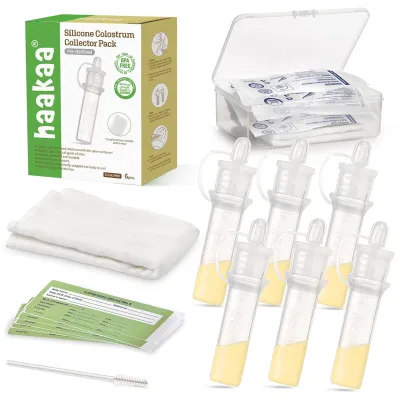
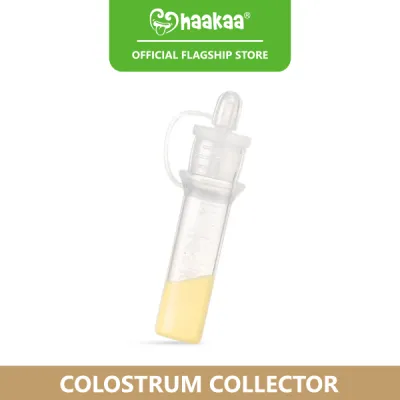
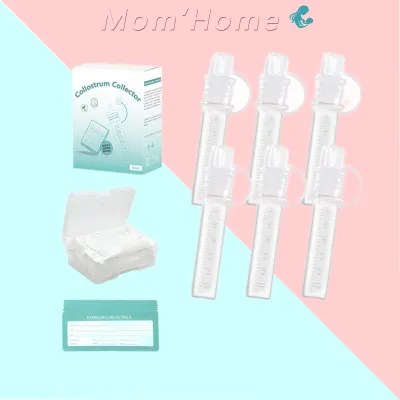
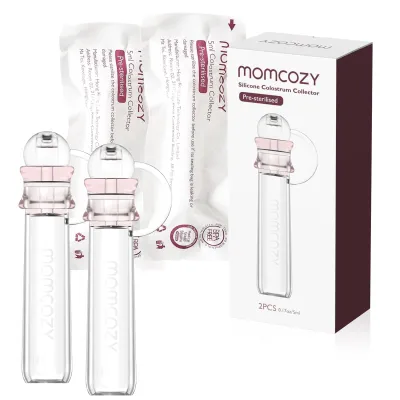
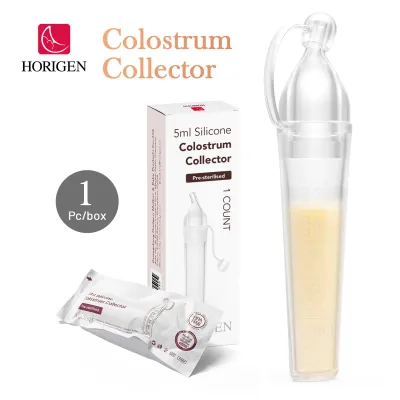
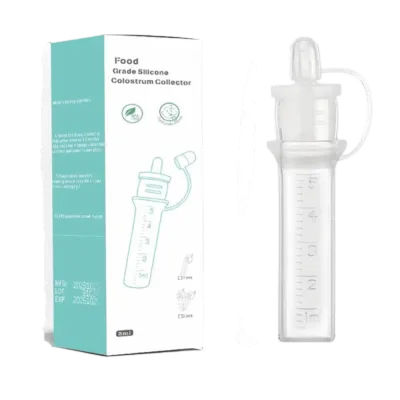
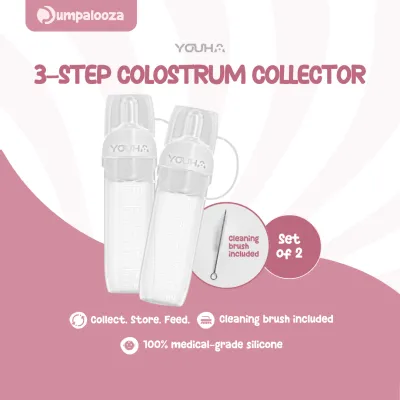
Prices are valid at publication and may change. Please refer to the product page for the latest price.
Postpartum collection is equally beneficial, especially during the first few days after delivery before your mature milk comes in. If your newborn is sleepy, has a weak suck, or is temporarily separated from you in the hospital, hand expressing directly into a collector ensures they still receive the immunological benefits of your first milk. It also helps stimulate your breasts to establish a healthy milk supply from the very beginning.
However, safety must always come first when expressing milk before your baby is born. Hand expression stimulates the release of oxytocin, a hormone that can cause uterine contractions. If you experience any contractions, cramping, pain, or unusual discomfort during antenatal expression, you must stop the session immediately. Always consult your obstetrician, midwife, or a certified lactation consultant before starting antenatal expression to ensure it is safe for your specific pregnancy.
What You Need Before You Start
Gathering the right tools beforehand makes the collection process smooth and stress-free. You will need sterile colostrum collectors, which are typically small, specially designed silicone tubes or syringes with wide, scoop-like openings that draw in thick fluid easily. Keep a clean, dedicated container nearby to hold your filled collectors, along with a waterproof marker for labeling.

Hygiene is paramount when handling breast milk to prevent bacterial contamination. Begin by washing your hands thoroughly with warm water and soap for at least twenty seconds, paying close attention to the areas between your fingers and under your nails. Gently clean your breasts with warm water; avoid using harsh soaps, alcohol wipes, or scented lotions on your nipples, as these can strip away natural oils and cause skin irritation.
Creating a calm, comfortable environment is highly beneficial for encouraging your milk to flow. In a warm, tropical climate, find a quiet room with comfortable ventilation, perhaps using a gentle fan or air conditioning to keep yourself cool and relaxed. High stress levels can inhibit the hormones responsible for milk release, so take a few deep breaths, play some soothing music, or look at a photo of your baby to help set a peaceful mood.
Step-by-Step Guide to Hand Expressing and Collecting Colostrum
Before you begin, find a comfortable seated position where you can lean slightly forward. Leaning forward allows gravity to assist the movement of the thick colostrum down toward your nipple, making it easier to collect. Keep your sterile collector within arm’s reach on a clean surface so you can grab it easily once the milk begins to bead.
Preparing the Breast and Stimulating Let-Down
To encourage the milk to move into the ducts, start with a gentle breast massage. Use the flats of your fingers to make light, circular motions around your breast, starting from the chest wall and gradually moving toward the areola. Avoid pulling, squeezing, or dragging your skin, as breast tissue is highly sensitive and can bruise easily under too much pressure.
Applying a warm compress to your breast for a few minutes before you begin can also help stimulate the let-down reflex. You can use a clean washcloth soaked in warm water, ensuring it is comfortable to the touch and not too hot. This warmth promotes blood circulation and helps relax the milk ducts, making the expression process much more comfortable.
You will know the let-down reflex is working when you feel a subtle warmth or tingling sensation in your breast. Soon after, you will see tiny, glistening beads of thick, yellowish or clear fluid begin to appear on the surface of your nipple. Do not worry if the fluid does not flow immediately; gentle, consistent stimulation is key.
The Hand Expression Technique
To express milk efficiently, place your thumb and index finger in a “C” shape on your breast, about one to two inches back from the base of the nipple. Your fingers should rest on the outer edge of the areola, rather than on the nipple itself. Pressing directly on the nipple can cause pain and will not compress the milk ducts located deeper in the breast tissue.
Gently press your thumb and finger straight back toward your chest wall to engage the milk ducts. Next, compress your fingers together in a smooth, rhythmic rolling motion, moving slightly forward without sliding your skin along your fingers. Release the pressure to allow the ducts to refill, then repeat this compress-and-release sequence rhythmically.
As you express, periodically rotate the position of your fingers around the areola, moving them like the hands of a clock (for example, from the 12 and 6 o’clock positions to the 3 and 9 o’clock positions). This rotation ensures you are compressing different milk ducts around the entire breast, leading to a more thorough and comfortable expression session.
Transferring and Storing the Colostrum
Because colostrum is highly viscous and produced in very small quantities, standard breast pump parts can easily trap and waste the fluid. Instead, use the wide, open tip of your silicone colostrum collector to gently scoop or vacuum up each individual drop directly from your nipple as it appears. This direct collection method ensures that every drop is preserved.
Once you have finished your session, secure the cap tightly on the collector to prevent leaks and contamination. Immediately write the date, time, and your name on the label using a waterproof marker. If you are collecting antenatally, keeping clear records helps you manage your inventory and ensures the oldest milk is used first after your baby is born.
Store the collected colostrum immediately according to standard healthcare guidelines and the manufacturer’s specific instructions. Generally, colostrum can be placed in the refrigerator if it will be used within a short timeframe, or placed directly into the freezer for longer-term storage. Always verify the recommended storage temperatures and durations on your product’s packaging to maintain the milk’s nutritional integrity.
Cleaning and Maintaining Your Colostrum Collector
Keeping your collection equipment clean is essential for protecting your newborn’s developing immune system. Immediately after each use, rinse the collector with cold water to wash away any remaining milk proteins, which can become stubborn and difficult to clean if left to dry. Follow this by washing the device thoroughly in warm, soapy water using a mild, unscented dish soap.
After washing, you must sterilize the collector according to the manufacturer’s specific guidelines. Many high-quality silicone collectors can be sterilized by placing them in boiling water for a designated number of minutes, or by using a dedicated steam sterilizer. Always check your product manual to verify the maximum temperature limits and approved sterilization methods to avoid damaging the silicone.
Once sterilized, place the collector on a clean, dry paper towel or a dedicated drying rack in a well-ventilated, dust-free area. Allow all parts to air-dry completely before assembling or storing them. Store the clean, dry collectors in a sealed, sterile container or a clean zip-top bag to keep them free from airborne dust and contaminants until your next session.
Troubleshooting Common Challenges
Many mothers feel anxious when they only see a few tiny drops of colostrum during their first few expression sessions. It is important to understand that this is entirely normal, as a newborn’s stomach is only about the size of a small marble at birth. Every single drop you collect is packed with concentrated nutrients and antibodies, so do not discourage yourself by comparing your yield to mature milk volumes.
If you experience leaking or find it difficult to draw the fluid into the collector, check the fit and suction of your device. Ensure the collector’s opening is placed directly over the bead of milk without leaving gaps where air can escape. Adjusting your hand position slightly or wiping away excess moisture from your skin can help establish a better seal.
Most importantly, hand expression should never feel painful or cause physical damage to your skin. If you experience persistent pain, bruising, skin irritation, or bleeding, stop the session immediately. These symptoms usually indicate incorrect finger placement or excessive pressure, and you should seek guidance from a certified lactation consultant or healthcare provider to adjust your technique.
Frequently Asked Questions (FAQ)
Can I use an electric breast pump instead of hand expression for colostrum?
Hand expression is generally preferred for collecting early colostrum because of the fluid’s thick, sticky consistency and very low volume. An electric breast pump relies on long tubing and large plastic flanges, which can easily trap the small drops of colostrum, leaving little to nothing to collect. However, if you are separated from your baby in a hospital setting, a lactation consultant may occasionally recommend a specialized, hospital-grade pump with specific settings to help stimulate your milk supply.
How much colostrum should I expect to collect in a single session?
The volume of colostrum expressed varies significantly from person to person, but it is common to collect only a few drops to a few milliliters (about half a teaspoon) per session. Factors such as your hydration levels, how relaxed you are, the frequency of your expression sessions, and your individual physiology all play a role in your yield. Remember that even a single milliliter of colostrum is highly valuable for your baby, and consistency is far more important than the volume collected in any single session.
Community discussion
Share your experience or ask a question. Comments are reviewed before publication.