
Giving your baby or toddler daily supplements is a common practice for many parents in the Philippines, especially when ensuring they get all the essential nutrients for healthy growth. If your pediatrician has recommended tikitiki vitamins for kids drops, administering them correctly is vital to ensure your child receives the full nutritional benefits safely. Properly giving these drops involves verifying the correct product variant, checking the age-appropriate dose with a pediatrician, and administering it safely using the provided dropper.
While introducing a multivitamin can support your child’s developmental milestones, it must always be approached with care. Every infant and toddler has unique nutritional requirements that depend on their daily diet, growth rate, and overall health status. By understanding the correct procedures for measuring, administering, and storing these drops, you can make vitamin time a stress-free and beneficial routine for both you and your little one.
Understanding TikiTiki Drops and When to Use Them
Children’s multivitamin drops are formulated to support essential physiological processes during rapid growth phases. These supplements typically contain a blend of key vitamins, such as vitamin A, vitamin C, vitamin D, and B-complex vitamins, which help support immune function, bone development, and metabolic processes. During early childhood, these nutrients play a foundational role in cognitive development and physical growth, helping your child meet their daily developmental milestones.
Products mentioned in this guide
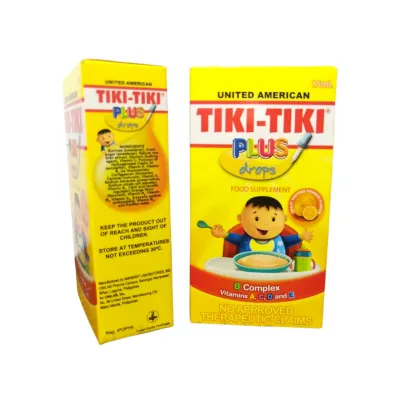
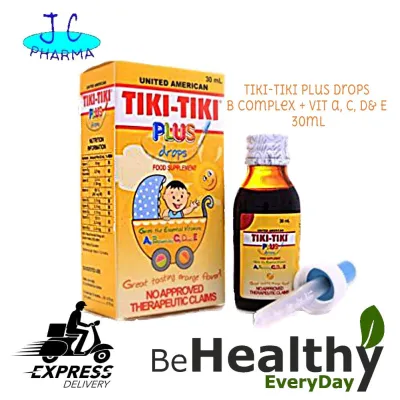
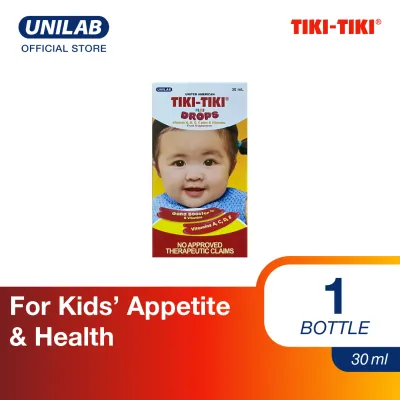




Prices are valid at publication and may change. Please refer to the product page for the latest price.
However, it is crucial to remember that vitamin supplements are designed to complement, not replace, a balanced diet. For infants, breastmilk or infant formula remains the primary and most complete source of nutrition. As your child transitions to solid foods, a varied diet rich in fruits, vegetables, whole grains, and proteins should be the primary focus. Supplements serve as a safety net to fill specific nutritional gaps rather than a substitute for whole foods.
Before starting your child on any new supplement, including tikitiki vitamins for kids drops, you must consult a pediatrician. A qualified healthcare professional can evaluate your child’s growth, assess their dietary intake, and determine whether a supplement is truly necessary. They can also identify if your child has specific deficiencies that require targeted supplementation rather than a general multivitamin.
It is also important to recognize that these pediatric drops come in various formulations designed for different age groups and nutritional needs. Some variants may focus on basic vitamin replenishment, while others might contain added ingredients like lysine to support appetite or iron to address specific iron-deficiency risks. Always check the exact product packaging and consult your doctor to ensure you are using the correct variant for your child’s age and health requirements.
Checking the Correct Dosage for Your Child
Determining the correct dosage of vitamin drops is a critical step that must never be based on guesswork. Pediatric dosages are highly sensitive and are strictly calculated based on the child’s age, weight, and the specific concentration of the vitamin formulation. Giving too little may not provide the intended benefits, while giving too much can lead to vitamin toxicity, which poses serious health risks to developing organs.

To find the accurate dosage, parents must carefully read the official dosage instructions printed on the product packaging or the accompanying leaflet. Do not rely on advice from family members, online parenting forums, or memory from a previous child’s prescription. Formulations, concentrations, and manufacturer guidelines can change over time, meaning a dosage that was safe a few years ago might not apply to the bottle you hold today.
Always use the specific measuring tool provided in the product packaging, such as the calibrated dropper or measuring syringe. These tools are specifically designed to deliver the exact volume of liquid required for that specific concentration. Never substitute the manufacturer’s dropper with a household spoon or a dropper from a different medicine bottle, as even minor variations in dropper size can lead to significant dosing errors.
If the packaging label is missing, faded, or difficult to read, do not attempt to estimate the dose. Similarly, if the instructions are confusing or if your child’s weight falls outside the standard ranges listed on the chart, stop and consult a pediatrician or a registered pharmacist. They can calculate the precise volume of drops your child requires based on their current weight and clinical needs, ensuring complete safety.
Step-by-Step Guide to Administering the Drops Safely
Administering liquid vitamins to a baby or toddler requires a calm environment, proper physical positioning, and a gentle hand. Following a structured process helps ensure the child swallows the liquid safely, minimizes the risk of choking, and reduces the stress often associated with giving supplements.
Preparation and Positioning Begin by washing your hands thoroughly with soap and water to maintain hygiene. Ensure your child is in a safe, comfortable position before opening the bottle. The child should always be in a semi-upright or fully seated position; never administer drops while a baby is lying flat on their back, as this significantly increases the risk of choking, coughing, or accidental aspiration of the liquid into the lungs.
Measuring the Dose If the product label instructs you to do so, gently shake the bottle to ensure the liquid is evenly mixed. Open the bottle and insert the clean, dry dropper. Draw the liquid up to the exact line corresponding to your child’s prescribed dose. Inspect the dropper at eye level to ensure there are no large air bubbles, which can displace the liquid and result in an under-dose. If bubbles are present, squeeze the liquid back into the bottle and draw it again.
Administering the Liquid Gently place the tip of the dropper inside your child’s mouth. Aim the tip toward the inner cheek, specifically the space between the cheek and the lower gums, rather than pointing it directly toward the back of the throat or the tongue. Pointing the dropper at the back of the throat can trigger the gag reflex and cause choking. Slowly squeeze the bulb to dispense the liquid in small, manageable increments, allowing your child enough time to swallow naturally between drops.
Handling Resistance Patiently It is common for babies or toddlers to resist taking vitamins or to spit some of the liquid out. If your child resists, remain patient and calm, as raising your voice or showing frustration can create a negative association with the routine. Never force the dropper into their mouth, pinch their nose to force swallowing, or squeeze the liquid in while they are crying. These actions are highly dangerous and can cause the liquid to enter their airway. If they spit out a significant portion, do not immediately administer another full dose; instead, consult your pediatrician on how to handle partial doses.
Best Timing and Rules for Mixing with Food or Milk
The timing of administration and how you present the drops can influence both how well the vitamins are absorbed by your child’s body and how easily your child accepts them. Understanding the science of absorption and the physical properties of vitamins will help you maximize the effectiveness of the supplement.
Generally, the best time to administer multivitamin drops is during or immediately after a meal. Many pediatric multivitamins contain fat-soluble vitamins (such as vitamins A, D, and E), which require dietary fats to be absorbed efficiently by the digestive system. Additionally, giving vitamins on an empty stomach can sometimes cause mild stomach irritation or nausea, which can be avoided by administering them alongside breastmilk, formula, or solid foods.
Direct administration into the mouth using the provided dropper is always the preferred method. This ensures that your child receives the entire measured dose immediately without any loss of liquid. When vitamins are mixed into a larger container of food or drink, there is a high probability that some of the vitamin liquid will stick to the sides of the container or remain unconsumed if the child does not finish the entire portion.
However, if you have a highly resistant toddler and mixing is the only viable option, you must follow strict safety guidelines. Mix the drops into a very small portion of cool or room-temperature food, such as a single spoonful of fruit puree, yogurt, or mashed sweet potato. Ensure your child eats the entire spoonful first before offering the rest of the meal to guarantee they receive the full dose.
Under no circumstances should you mix vitamin drops into hot foods, warm milk, or boiling water. High temperatures can rapidly degrade heat-sensitive vitamins, particularly vitamin C and certain B vitamins, rendering the supplement ineffective. Always ensure that any food or liquid used for mixing is completely cool or at room temperature before adding the drops.
Storage, Safety Precautions, and When to Stop
Proper maintenance of your child’s vitamin drops ensures their potency, prevents contamination, and protects your household from accidental ingestions. Vitamins are active chemical compounds that require specific environmental conditions to remain stable and effective over their shelf life.
Always store the vitamin bottle in a cool, dry place away from direct sunlight, moisture, and heat sources, such as stoves or windowsills. Ensure the cap is tightly closed after every single use to prevent air and humidity from degrading the active ingredients. Some specific formulations may require refrigeration after opening to maintain stability; you must check the exact storage instructions printed on your product’s label to confirm whether refrigeration is mandatory for your specific bottle.
Keep the bottle completely out of reach and out of sight of children, preferably in a locked cabinet or a high shelf. Pediatric vitamins often have appealing sweet flavors or fruit scents to make them palatable to young children, which means toddlers may mistake them for treats. Accidental overdose of multivitamins, particularly those containing iron, can be highly toxic and requires immediate emergency medical attention.
As a parent, you must closely monitor your child for any signs of an adverse reaction after introducing a new supplement. While uncommon, some children may experience sensitivities or allergic reactions to the active vitamins or the inactive ingredients, such as flavorings or preservatives. Watch for observable signs including skin rashes, hives, unusual fussiness, vomiting, diarrhea, or sudden changes in stool consistency and color. Note that iron-containing variants can naturally darken the stool, but any persistent digestive distress should be evaluated.
Define a clear stop-condition for your child’s supplement routine: if you observe any signs of an allergic reaction, breathing difficulties, swelling of the face or mouth, or persistent vomiting, discontinue use immediately. Contact your pediatrician or seek professional medical care right away. Do not resume giving the drops until a healthcare professional has evaluated your child and confirmed that it is safe to do so.
Frequently Asked Questions (FAQ)
Can I give TikiTiki drops to my newborn?
No, you should never give vitamin drops to a newborn under six months of age without explicit instructions and a specific dosage from your pediatrician. During the first six months of life, healthy infants typically receive all the necessary hydration and nutrients they need from breastmilk or infant formula. Introducing unsolicited supplements can strain a newborn’s developing kidneys and digestive system.
What should I do if I miss a dose?
If you miss a scheduled dose, simply skip the missed dose and give the next scheduled dose at the normal time the following day. Never administer a double dose or give two doses close together to make up for a missed one. Over-supplementing can lead to vitamin accumulation in the body, which can cause adverse side effects or toxicity.
Does TikiTiki need to be refrigerated?
Storage requirements depend entirely on the specific formulation, ingredients, and manufacturer guidelines of the bottle you have. Some pediatric drops are stable at room temperature, while others require refrigeration after opening to preserve their active nutrients. Always inspect the storage instructions printed directly on your current bottle’s packaging to determine the correct storage method.
Community discussion
Share your experience or ask a question. Comments are reviewed before publication.