
Giving your child dietary supplements requires careful attention to safety, dosage, and administration techniques. Scott’s Emulsion, a widely recognized cod liver oil supplement, is often considered by parents looking to support their child’s growth and development. However, introducing any supplement to an infant or toddler demands a cautious approach. Parents must prioritize verifying age suitability, understanding correct dosage guidelines, and learning how to manage the strong taste and thick texture that can often trigger resistance in young children.
Before administering this or any other supplement, it is vital to understand that a child’s nutritional needs are highly specific and change rapidly during the first few years of life. What is safe and beneficial for a toddler may not be appropriate for an infant. By taking a systematic, safety-first approach, you can ensure that your child receives the potential benefits of the supplement without unnecessary risks. This guide outlines the essential steps for verifying age appropriateness, determining the correct dosage, administering the liquid safely, and helping picky eaters accept the supplement.
Understanding Scotts Emulsion and Age Appropriateness
Before introducing Scott’s Emulsion to your child’s daily routine, you must verify whether the product is suitable for their specific age and developmental stage. Liquid supplements come in various formulations, and what is safe for an older child may pose health risks to an infant or toddler. Always begin by thoroughly reading the product packaging to locate the manufacturer’s minimum age requirements. Some formulations are strictly intended for children over a certain age, and giving them to younger babies can lead to digestive strain or nutrient imbalances.
Products mentioned in this guide

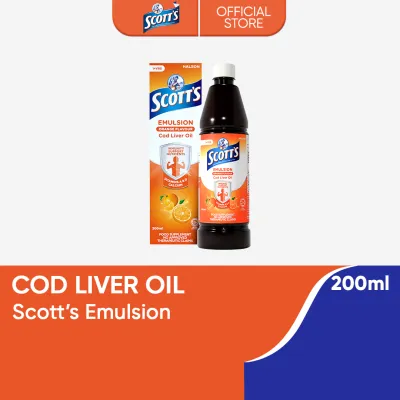
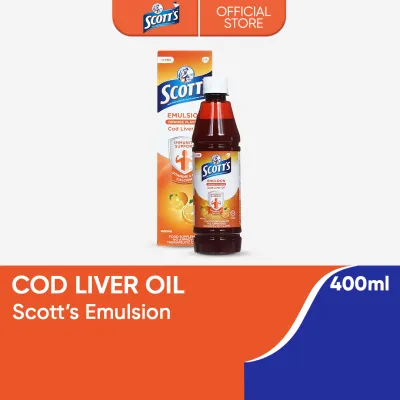
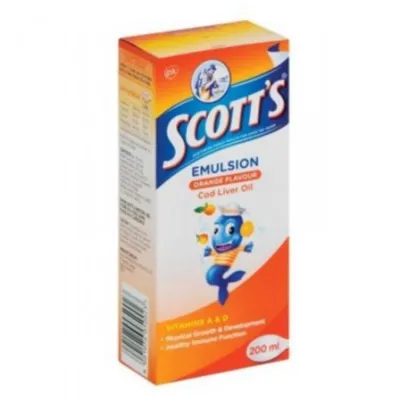
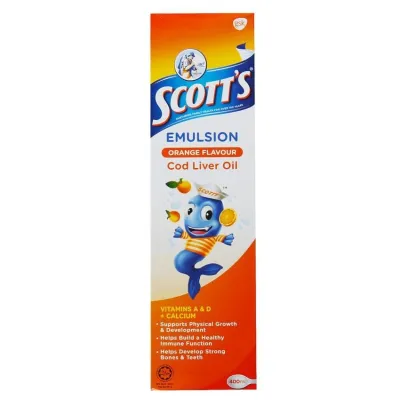
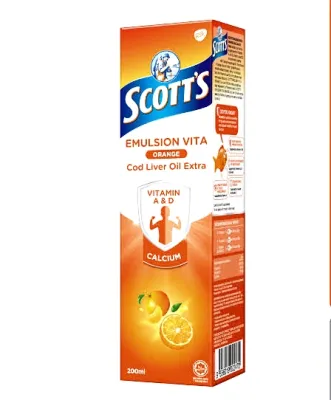
Prices are valid at publication and may change. Please refer to the product page for the latest price.
Consulting a pediatrician is an indispensable step before starting any new supplement. A healthcare professional can evaluate your child’s current diet, growth trajectory, and overall health to determine if supplementation is actually necessary. In many cases, breast milk, infant formula, or a balanced solid food diet provides all the essential vitamins your child needs. A pediatrician will help you avoid unnecessary supplementation, which can place an undue burden on your baby’s developing organs.
It is also crucial to recognize that the nutritional requirements of infants differ significantly from those of toddlers. Infants have highly sensitive digestive systems and immature kidneys that process concentrated nutrients differently than older children. Assuming that a supplement is safe simply because it is marketed for children is a common oversight. By seeking professional guidance and carefully checking product labels, you can make an informed decision that prioritizes your child’s safety and well-being.
How to Determine the Correct Dosage
Determining the correct dosage of Scott’s Emulsion is a critical task that requires precision and careful attention to detail. Never guess the amount or rely on general advice from online forums or well-meaning relatives. Instead, locate the manufacturer’s official dosage chart printed directly on the product packaging. This chart is specific to the exact variant and bottle size you have purchased, as formulations and concentrations can vary between different product lines.

To measure the dose accurately, you must use only the measuring device provided in the product packaging or a standardized medical oral syringe. Household kitchen spoons, such as teaspoons or tablespoons, are not calibrated for medical use and vary widely in volume. Using a standard kitchen spoon can easily lead to under-dosing or, more dangerously, accidental over-dosing. An oral syringe allows you to measure the exact milliliter amount required, ensuring consistency and safety with every serving.
Under no circumstances should you attempt to scale down an adult dosage for a child. Children’s bodies process vitamins and minerals differently, and a simple mathematical reduction of an adult dose does not guarantee safety. Additionally, if your child has any underlying health conditions or is already taking other vitamins or fortified foods, you must consult a healthcare provider to adjust the dosage. Fat-soluble vitamins, such as Vitamin A and Vitamin D found in cod liver oil, can accumulate in the body and lead to toxicity if consumed in excessive amounts.
Step-by-Step Guide to Administering the Emulsion
Administering a liquid supplement to a young child requires a calm environment and a structured routine to minimize stress and prevent physical hazards like choking. Before you begin, prepare the exact dose using your calibrated measuring tool. Ensure your child is fully awake, calm, and seated in an upright position. Attempting to give liquid medicine to a crying, reclining, or sleepy child significantly increases the risk of the liquid entering the airway, which can lead to choking or aspiration.
Once your child is positioned safely, pace the administration slowly. Do not attempt to squirt the entire dose into their mouth at once. Instead, place the tip of the oral syringe or spoon toward the inside of the child’s cheek, rather than pointing it directly down the throat. Administer a small amount at a time, allowing your child to swallow naturally before offering more. This slow, controlled method helps the child manage the liquid and reduces the likelihood of a gag reflex.
Spit-outs are a common occurrence when introducing new textures and flavors to babies and toddlers. If your child spits out a portion of the emulsion, do not immediately administer a second dose to make up for it. It is virtually impossible to determine exactly how much liquid was swallowed and how much was lost. Giving another dose immediately risks an accidental overdose. Accept the loss for that session, and wait until the next scheduled dose, or contact your pediatrician if you are concerned about consistent spit-outs.
After each administration, hygiene must be maintained to prevent the growth of harmful bacteria. Thoroughly wash the measuring syringe, cup, or spoon with warm, soapy water. Rinse it completely to remove any soap residue, and allow it to air dry fully in a clean area before storing it. Keeping the measuring tools clean ensures that subsequent doses remain uncontaminated and safe for your child’s consumption.
Practical Tips for Picky Eaters
The thick, creamy consistency and distinct flavor of cod liver oil emulsions can be challenging for young children, particularly picky eaters. If your child resists taking the supplement, there are several safe, practical strategies you can employ to make the experience more manageable. First, check the product label to see if the manufacturer permits mixing the emulsion with other foods or liquids. Some formulations can be blended into small amounts of pureed fruit or juice, which can help mask the strong taste and texture.
If the product label allows for temperature adjustments, serving the emulsion slightly chilled can naturally reduce the intensity of its flavor. Cold temperatures tend to dull the taste buds and minimize the strong aroma associated with fish oil supplements. Simply place the bottle in the refrigerator for a short period before measuring the dose, ensuring you follow any specific storage temperature limits outlined by the manufacturer.
Another effective technique is to prepare a safe, preferred “chaser” drink or snack to offer immediately after the dose. Having a small cup of water, a splash of diluted fruit juice, or a bite of a favorite soft fruit ready can quickly clear the palate and wash away any lingering taste. This immediate reward also helps create a more positive association with taking the supplement, reducing resistance during future administrations.
However, you should always avoid force-feeding your child or hiding the supplement in a full meal. Force-feeding can cause intense distress, leading to severe food aversions and a breakdown of trust during mealtimes. Hiding the emulsion in a large bowl of oatmeal or a full bottle of milk is also counterproductive; if your child does not finish the entire portion, they will not receive the complete dose, making it impossible to track their actual nutrient intake.
Safety, Storage, and When to Stop
Proper storage is essential to maintain the quality, potency, and safety of liquid supplements. In tropical climates like the Philippines, high temperatures and humidity can accelerate the degradation of active ingredients and encourage the growth of mold or bacteria. Always follow the manufacturer’s storage instructions precisely, keeping the bottle tightly closed in a cool, dry place away from direct sunlight. If the label specifies refrigeration after opening, ensure it is placed in the main body of the refrigerator rather than the door, where temperatures fluctuate.
Before every use, perform a quick quality check on the liquid. Inspect the emulsion for any unusual changes in color, consistency, or smell. While some separation can occur naturally and is resolved by shaking the bottle as directed, a rancid odor, extreme discoloration, or persistent clumping indicates that the product has spoiled and must be discarded. Always check the expiration date printed on the packaging and never administer expired supplements to your child.
As with any new product, closely monitor your child for any adverse reactions after starting the supplement. Watch for signs of allergic reactions, such as skin rashes, hives, swelling, or difficulty breathing, as well as digestive upset like vomiting, diarrhea, or unusual stomach pain. If you observe any of these symptoms or notice any sudden changes in your child’s behavior, stop using the product immediately and consult a healthcare professional. Prioritizing these safety checks ensures that your child’s health remains protected at all times.
Frequently Asked Questions (FAQ)
Can I mix Scotts Emulsion with my baby's milk or formula?
You must check the specific product label of the variant you purchased to see if mixing with milk or formula is officially permitted by the manufacturer. Even if the label allows it, mixing the supplement directly into a full bottle of milk or formula carries the risk that your baby may not finish the entire serving, resulting in an incomplete dose. Additionally, altering the taste or texture of their primary source of nutrition can sometimes cause the baby to reject their milk altogether. Always consult your pediatrician before making any modifications to your baby’s milk or formula feeds.
What should I do if my child vomits after taking the dose?
If your child vomits shortly after taking their dose of the emulsion, do not immediately administer a second full dose. It is difficult to estimate how much of the supplement was absorbed before the vomiting occurred, and re-dosing immediately can lead to an accidental overdose of fat-soluble vitamins. Instead, keep your child comfortable, ensure they stay hydrated, and monitor their condition. Contact your healthcare provider or pediatrician to explain the situation and obtain specific, safe instructions on whether to skip the dose or wait until the next scheduled administration.
Community discussion
Share your experience or ask a question. Comments are reviewed before publication.