
Administering Ferlin drops safely requires verifying the correct dosage based on your baby’s weight and age, using the provided dropper to place the liquid inside the baby’s cheek, and choosing a consistent daily time that aligns with your pediatrician’s advice. Because these drops contain iron, careful preparation, precise measurement, and close observation of your baby’s reactions are essential to ensure safe and effective supplementation.
Navigating infant vitamins can feel overwhelming for many parents, especially when dealing with liquid iron supplements that have a distinct taste and color. Understanding the correct administration techniques not only ensures your baby receives the intended nutritional support but also minimizes common struggles like spitting up, fussiness, or accidental staining of clothes. By establishing a structured routine and mastering a few gentle handling methods, you can make this daily health task a stress-free experience for both you and your little one.
Preparing to Give Ferlin Drops to Your Baby
Before opening the bottle, always inspect the packaging and the label carefully. Check the expiration date to ensure the product is safe for use, and review the storage instructions, which typically recommend keeping the bottle in a cool, dry place away from direct sunlight. In warm, humid climates, finding a temperature-controlled spot in your home is particularly important to prevent the active ingredients from degrading prematurely.
Products mentioned in this guide



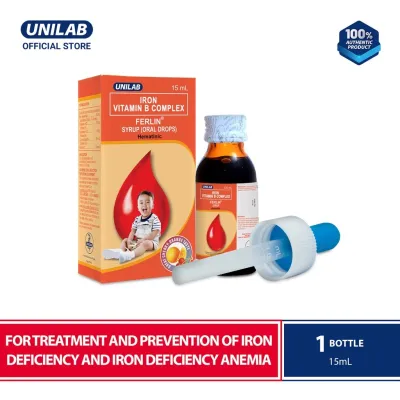

Prices are valid at publication and may change. Please refer to the product page for the latest price.
Next, gather the necessary administration tools. Use only the dropper that comes packaged with the specific bottle, or a clean, appropriately sized oral syringe recommended by your pediatrician or pharmacist. Using household spoons or uncalibrated droppers can lead to inaccurate dosing, which can either deprive your baby of necessary nutrients or accidentally deliver too much.
When preparing the administration area, choose a well-lit space where you can clearly see the markings on the dropper. Having a clean cloth or bib nearby is also highly recommended, as iron drops can leave stubborn dark stains on baby clothes and upholstery. Taking these small preparatory steps beforehand helps prevent unnecessary mess and allows you to focus entirely on your baby’s comfort.
Finally, confirm your baby’s most recent weight and age. Because infant dosages are highly sensitive to physical development, you must verify these details against the product’s packaging guidelines and your pediatrician’s specific instructions before every administration. Keep a dedicated notebook or digital log of your baby’s weight changes, especially during rapid growth spurts, to ensure your records remain completely up to date.
How to Determine the Correct Dosage
Determining the correct dosage of iron drops is a critical step that requires absolute precision. Never guess the amount or rely on general advice from friends or online forums; instead, strictly follow the exact prescription provided by your pediatrician or the detailed dosage chart on the official product label. Even minor adjustments to the dose should only be made under the direct guidance of a qualified healthcare professional.

To measure the liquid accurately, hold the dropper or oral syringe at eye level. Ensure the liquid aligns perfectly with the prescribed measurement line, as even a small deviation can result in under-dosing or a potentially harmful over-dose. If you accidentally draw too much liquid, squeeze the excess back into the bottle and measure again rather than trying to estimate the correct level while holding the dropper at an angle.
Be aware that different formulations of pediatric drops may have different concentrations of active ingredients. For instance, a dose of one brand or product line may not equal the same volume as another, even if they serve a similar purpose. Always double-check the product name and concentration on the bottle before measuring, and never assume that a previous dosage recommendation applies to a new bottle or a different brand.
Keep in mind that pediatric dosages are not one-size-fits-all. The required amount often changes as your baby grows, depending heavily on their current weight and specific developmental stage rather than their age alone. Regular pediatric check-ups are essential because they allow your doctor to weigh your baby accurately and adjust the dosage to match their evolving nutritional requirements.
Step-by-Step Guide to Administering the Drops
Administering oral drops to an infant requires a calm, methodical approach to ensure they swallow the liquid safely. Start by positioning your baby in a secure, semi-upright posture, making sure their head and neck are fully supported by your arm or a firm cushion. Never attempt to give liquid supplements while your baby is lying completely flat, as this significantly increases the risk of choking or inhaling the liquid into their lungs.
Draw the exact prescribed amount of liquid into the dropper. Tap the side of the dropper gently to release any large air bubbles, which can displace the liquid and cause you to administer less than the intended dose. Ensure your hands are thoroughly washed and dried before handling the dropper to maintain a hygienic environment for your infant.
If your baby is particularly active or prone to squirming, you may want to gently swaddle them in a light blanket before beginning. Swaddling keeps their arms secure and prevents them from accidentally knocking the dropper out of your hand. This technique helps maintain a safe environment and ensures the liquid goes exactly where it needs to go without spills.
Gently insert the tip of the dropper into your baby’s mouth, aiming toward the inside of their cheek, also known as the buccal pouch. Placing the liquid here helps bypass the taste buds on the center of the tongue and significantly reduces the risk of choking or gagging. Avoid pushing the dropper too far back into the throat, as this can trigger the gag reflex and cause your baby to spit up the entire dose.
Squeeze the dropper bulb slowly to dispense the liquid in small increments. Allow your baby to swallow naturally after each small drop before administering more, ensuring they do not become overwhelmed by the volume of liquid. If your baby begins to fuss or cough, pause immediately, comfort them, and only resume once they are calm and breathing normally.
Best Timing and Techniques for Better Acceptance
The timing of administration can influence how well your baby’s body absorbs the nutrients. Review the product label or consult your pediatrician to determine whether the drops should be given on an empty stomach for maximum absorption, or with a small amount of food to minimize potential stomach upset. Many parents find that establishing a consistent daily schedule helps the baby adapt to the routine more quickly.
Creating a calm environment can make the process much easier for both you and your baby. Speak in a soft, soothing voice, maintain gentle eye contact, and choose a time of day when your baby is generally relaxed and alert rather than tired or fussy. Minimizing distractions in the room, such as turning off loud televisions or music, can help keep your baby focused and calm during the administration.
Some parents find success by turning the administration into a playful game or associating it with a positive daily event, such as bath time or a favorite song. Positive reinforcement, like offering a warm cuddle or a favorite toy immediately after they swallow, helps build a cooperative association with the routine. Over time, this consistency reduces resistance and makes the daily health routine much smoother.
If your baby dislikes the taste of the drops, check the manufacturer’s instructions to see if the formulation can be mixed with a small volume of breastmilk or infant formula. If mixing is permitted, ensure your baby consumes the entire portion immediately to receive the full dose. Never mix the drops into a large bottle of milk, as your baby may not finish the entire bottle, resulting in an incomplete and unmeasurable dose.
Safety Precautions and When to Stop
Because concentrated iron supplements carry a high risk of toxicity if consumed in large quantities, safety must be your top priority. Always store the bottle securely in a locked cabinet or on a high shelf completely out of reach of children and pets. Never leave the bottle unattended on a changing table or countertop, even for a few moments during a busy diaper change or feeding session.
In addition to secure storage, always ensure the child-resistant cap is fully engaged and locked after every single use. If you suspect your child has accidentally ingested more than the prescribed amount of iron drops, seek emergency medical assistance immediately. Do not wait for symptoms to appear, as early intervention is critical in managing accidental supplement ingestion.
It is common for babies taking iron drops to experience mild, harmless changes in their digestion, such as darker stools. However, caregivers must remain vigilant and learn to distinguish these expected changes from signs of actual product intolerance. Keep a close eye on your baby’s daily bowel movements and overall comfort levels to identify any unusual patterns early on.
Stop administering the drops immediately and consult your pediatrician if your baby exhibits signs of an adverse reaction. These warning signs include persistent vomiting, an unexplained skin rash, severe constipation, or any sudden changes in their breathing or behavior. It is always better to err on the side of caution and seek professional medical advice whenever you notice unexpected physical symptoms.
Frequently Asked Questions (FAQ)
Can I mix Ferlin drops with milk or juice?
Always check the specific product label or consult your pediatrician before mixing the drops with any liquid. Certain beverages, particularly calcium-rich milk or formula, can interfere with the absorption of iron, meaning that mixing them might reduce the effectiveness of the supplement. If your pediatrician approves mixing, use only a very small amount of liquid to ensure your baby drinks all of it.
What should I do if my baby spits out the drops?
If your baby spits out a portion of the drops, do not immediately administer another dose, as it is difficult to measure how much they actually swallowed and re-dosing increases the risk of an accidental overdose. Instead, wait until the next scheduled dose and consult your pediatrician if the refusal or spitting becomes a frequent issue. They can offer alternative administration strategies or suggest a different formulation.
How long does it take to see results from the drops?
Nutritional supplements do not produce instant results; instead, iron and vitamin levels build up gradually in your baby’s body over several weeks or months of consistent daily use. It is essential to attend all scheduled follow-up appointments with your pediatrician, who can perform necessary checks to monitor your baby’s progress and adjust the dosage as needed. Consistent administration is key to supporting your baby’s long-term growth and development.
Community discussion
Share your experience or ask a question. Comments are reviewed before publication.