
Giving Ceelin gummies to your child is a convenient way to support their daily vitamin C intake, but doing so safely requires careful attention to age readiness, strict dosage control, and proper feeding practices. Because these supplements look and taste like candy, parents must treat them with the same caution as any other pediatric health product.
In the Philippines, where tropical weather and seasonal shifts often prompt parents to seek immune support for their children, chewable vitamins have become a popular choice. However, ensuring your child receives the benefits without any safety risks depends on understanding when and how to introduce them.
This guide explains how to assess your child’s developmental readiness, determine the correct dosage according to the official product packaging, execute a safe feeding routine, and manage long-term safety, including dental care and secure storage.
Products mentioned in this guide






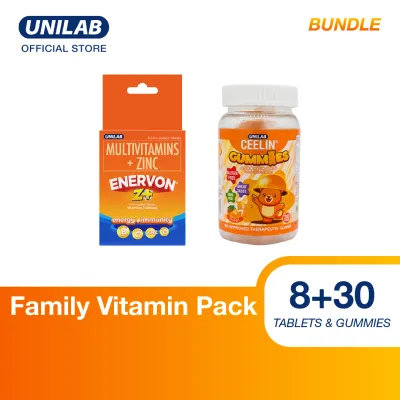
Prices are valid at publication and may change. Please refer to the product page for the latest price.
Understanding Ceelin Gummies and Age Readiness
Ceelin gummies are chewable dietary supplements formulated to provide vitamin C, which plays a role in supporting the immune system and overall growth. Unlike traditional syrups or drops, these gummies feature a soft, chewy texture and appealing fruit flavors that make them highly acceptable to young children who might otherwise resist taking vitamins.
Despite their appeal, pediatric guidelines emphasize that gummy textures pose a significant choking hazard for infants and young toddlers. Children in their first few years of life are still developing the oral motor skills required to grind down sticky or dense food items before swallowing safely.
To ensure safety, parents must always verify the minimum age recommendation printed on the specific Ceelin packaging. Different product formulations may have different age thresholds, and assuming a product is safe simply because it is a gummy can lead to hazardous situations.
It is vital to recognize that chronological age is only one part of the equation; developmental readiness is equally crucial. A child must be fully capable of sitting upright independently, chewing solid foods thoroughly, and managing complex textures in their mouth without gagging before they are introduced to any gummy supplement.
During early development, a child’s chewing transition progresses from a simple up-and-down motion to a lateral grinding motion. This grinding ability is essential for breaking down rubbery gelatin or pectin structures typical of gummy supplements, so parents should observe their child’s eating habits with other solid foods first.
If your child still struggles with chunky table foods or swallows items without chewing them completely, it is best to delay introducing gummies. Consult your pediatrician for alternative options, such as liquid drops or syrups, which may be more appropriate for their current developmental stage.
How to Determine the Correct Dosage
Determining the correct dosage begins with a meticulous review of the manufacturer’s label on the specific bottle you purchased. Formulations, concentrations, and recommended serving sizes can vary across different product lines or manufacturing batches, meaning you should never rely on memory or general advice from other parents.

Because these supplements are designed to taste good, children often view them as treats and may beg for more. Treating vitamin gummies like regular candy carries real risks, including the potential for vitamin C overconsumption, which can lead to stomach cramps, diarrhea, and general digestive upset.
While vitamin C is water-soluble and excess amounts are typically excreted through urine, a sudden influx of a high concentration can overwhelm a child’s digestive tract before it can be processed. This is why a single accidental overconsumption of several gummies often results in acute gastrointestinal distress.
Parents must also evaluate their child’s total daily nutrient intake, accounting for other vitamin supplements, fortified milk formulas, or a diet rich in vitamin-C-heavy fruits. In the Philippines, many breakfast cereals, powdered milk drinks, and fruit juices are fortified with vitamin C, making it easy to exceed safe daily limits if you do not audit their entire diet.
Exceeding the safe daily upper limits for vitamin C can strain a child’s digestive tract, so keeping a mental or written log of all nutritional sources is highly recommended. If you are unsure about the total daily intake, a quick consultation with a healthcare professional can clarify whether supplementation is necessary.
If your child has an underlying health condition, specific nutritional deficiencies, or is taking other prescription medications, do not start supplementation on your own. Always consult a pediatrician for personalized dosage advice to ensure the supplement aligns with your child’s specific medical profile and does not interfere with other treatments.
Step-by-Step Guide to Safe Feeding
To ensure your child consumes their vitamin safely, follow a deliberate and structured process every single day.
- Preparation: Begin by washing your hands thoroughly with soap and water, then carefully read the label to confirm the daily dosage. Retrieve the exact number of gummies required for the day and immediately reseal and store the bottle out of sight; never hand the entire bottle to your child, as this can encourage them to think they can have more.
- Positioning: Before giving the gummy, ensure your child is seated completely upright in a calm, distraction-free environment. Never allow your child to consume a gummy vitamin while they are running, playing, laughing, or lying down, as sudden movements or sharp inhalations can easily cause the gummy to slip into the airway and cause choking.
- Chewing Instruction: Take the time to verbally instruct and physically demonstrate the need to chew the gummy thoroughly. You can model this behavior by exaggerating your own chewing motions, explaining to your child that the gummy must be broken down into tiny, soft pieces before it is safe to swallow.
- Active Supervision: Always maintain direct visual supervision from the moment you hand the gummy to your child until you are certain they have completely swallowed it. Avoid walking away or turning your back, even for a few seconds, as silent choking can occur rapidly and requires immediate intervention.
- Stop Conditions: Establish clear stop conditions during the feeding process. If your child gags, refuses to chew, attempts to swallow the gummy whole, or becomes distracted and starts running around, calmly but firmly remove the gummy from their mouth. Offer a sip of water to clear their throat, and reassess whether they are ready for this supplement format.
Practical Tips for Building a Daily Vitamin Routine
Establishing a consistent routine helps make vitamin intake a seamless part of your child’s day. Try pairing the vitamin with a reliable daily anchor, such as immediately after breakfast or right after a specific afternoon snack, which helps build a healthy habit and ensures you do not forget a dose.
Linking the supplement to an existing meal also helps optimize absorption and digestive tolerance. Having food in the stomach can buffer the digestive lining, reducing the likelihood of mild stomach irritation that some children experience when taking vitamins on an empty stomach.
For picky eaters who may resist new textures or routines, focus on positive reinforcement rather than entering into stressful power struggles. Offer praise when they take their vitamin successfully, and keep the experience light and encouraging, as anxiety around meal or supplement times can lead to ongoing behavioral resistance.
Modeling behavior can also help ease transitions for hesitant children. If your child sees a parent or older sibling taking their own daily supplements in an age-appropriate format, they are more likely to copy the behavior without resistance or fear.
Safe storage is a critical component of any daily routine, especially in hot and humid tropical climates like the Philippines. Keep the bottle tightly sealed to prevent moisture from entering, and store it in a high cabinet or a locked drawer that is completely out of your child’s reach and sight, reinforcing the boundary that these are health supplements and not kitchen snacks.
Always check the product label to see if the manufacturer recommends giving the gummy with food or on an empty stomach. Some formulations are best tolerated when taken alongside a meal to optimize absorption and prevent mild stomach irritation, while others may have more flexible guidelines.
Safety Precautions and Dental Care
While gummy vitamins are highly palatable, their sticky, gelatinous texture means they can easily cling to the grooves and crevices of your child’s teeth. When combined with any sugars present in the formulation, these sticky residues provide a breeding ground for bacteria, significantly increasing the risk of dental cavities and plaque buildup.
Because gummies are designed to be sticky, they can remain lodged in the deep fissures of molars for hours. This prolonged contact allows oral bacteria to produce acids that gradually erode tooth enamel, making proactive dental hygiene essential for children who consume gummy supplements.
To protect your child’s dental health, establish a rule of immediate oral hygiene after consuming a gummy. Have your child drink a full glass of water to help wash away lingering food particles, or ideally, schedule their daily gummy right before their morning or evening tooth-brushing routine to ensure no sticky residue remains on their teeth overnight.
Monitor your child closely for any observable signs of adverse reactions or food intolerance after introducing the supplement. Watch for physical symptoms such as stomach aches, nausea, diarrhea, vomiting, or unexplained skin rashes and hives, which could indicate a sensitivity to one of the ingredients.
Some children might be sensitive to specific food dyes, flavorings, or gelling agents used in gummy formulations. If you notice any unusual physical changes or behavioral shifts shortly after they begin taking the supplement, keep a detailed record to share with your healthcare provider.
If you observe any signs of an allergic reaction—such as swelling of the face, lips, or tongue, difficulty breathing, or persistent vomiting—stop giving the supplement immediately and seek emergency medical evaluation. Always prioritize professional medical advice if you notice any sudden changes in your child’s health or behavior after starting a new dietary supplement.
Frequently Asked Questions (FAQ)
Can I give Ceelin gummies to my child if they already eat plenty of fruits?
If your child regularly consumes a diet rich in fresh fruits and vegetables, they may already be meeting their daily vitamin C requirements naturally. To determine if supplementation is necessary, evaluate their typical daily food intake and consult your pediatrician, who can help you weigh the benefits of an extra supplement against their existing diet. It is important to check the total combined intake from all food and supplement sources to ensure your child remains safely below the recommended daily upper limits for vitamin C, preventing unnecessary digestive strain.
What should I do if my child accidentally eats too many gummies?
If your child manages to access and consume multiple vitamin gummies, the first and most important step is to remain calm, locate the bottle, and determine exactly how many gummies are missing. Secure the remaining bottle immediately out of reach so no further consumption can occur. Contact your pediatrician or a local poison control center right away to explain the situation, state the child’s weight and the approximate amount consumed, and follow their professional guidance; do not attempt to induce vomiting or use home remedies unless explicitly instructed to do so by a medical professional.
Do Ceelin gummies need to be refrigerated to stay effective?
To maintain the effectiveness and texture of the gummies, always read the specific storage instructions printed on the product packaging. In warm, high-humidity environments like the Philippines, gummy vitamins can easily melt, stick together, or degrade if exposed to high temperatures. Unless the manufacturer’s label specifically instructs otherwise, storing the bottle in a cool, dry cupboard away from direct sunlight, heat sources, and moisture is generally sufficient to preserve product integrity, though some parents prefer keeping them in a cool area to maintain their firm texture.
Community discussion
Share your experience or ask a question. Comments are reviewed before publication.