
Giving your baby a daily nutritional supplement like appebon with iron requires careful attention to dosage, timing, and safety. Iron is a vital nutrient for your growing infant, but administering it correctly is essential to ensure they receive the intended benefits without unnecessary stomach discomfort. By understanding the proper steps, verifying the manufacturer’s instructions, and consulting your pediatrician, you can establish a safe and stress-free routine for your little one.
Every baby has unique nutritional needs, and what works for one child may not be suitable for another. Before introducing any new supplement to your baby’s daily routine, it is crucial to understand how to measure the correct amount, when to administer it for optimal absorption, and how to handle common side effects like temporary tooth staining or changes in stool color. Taking a proactive approach helps you support your baby’s development with confidence.
Before You Start: Checking Suitability and Safety
Before you open any bottle of appebon with iron, your very first step must be to verify that the supplement is appropriate for your baby’s specific age, weight, and developmental stage. Pediatric supplements are carefully formulated for distinct age brackets, and giving a product meant for older children to an infant can lead to serious health risks. Always read the outer packaging and the enclosed leaflet to confirm the minimum age requirement and the intended use of the specific formulation you have purchased.
Products mentioned in this guide
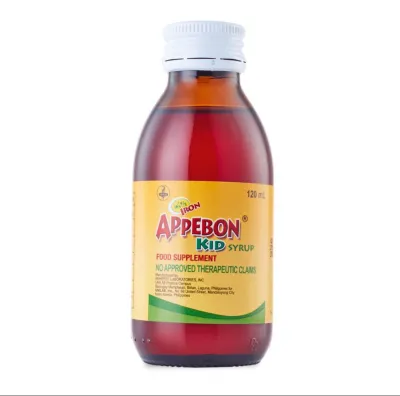




Prices are valid at publication and may change. Please refer to the product page for the latest price.
Consulting your pediatrician is an indispensable part of this process. Only a qualified healthcare professional can diagnose an iron deficiency or confirm if your baby actually requires an iron supplement. They will evaluate your baby’s diet, growth, and overall health to determine if supplementation is necessary, and they will provide a personalized recommendation that supersedes any general advice.
Additionally, take the time to carefully inspect the ingredient list printed on the product packaging. Look for potential allergens, artificial additives, preservatives, or sweeteners that your baby might be sensitive to. If your baby has a known allergy or a sensitive stomach, verifying these ingredients beforehand can prevent adverse reactions and ensure a safer experience.
Remember that safety standards and product formulations can change over time. It is always a good practice to check for any recent product recalls or updates from local health authorities before starting a new bottle. Keeping yourself informed ensures that what you give your baby meets the highest safety standards.
Finding the Correct Dosage for Your Child
Determining the correct dosage of appebon with iron should never involve guesswork or estimation. The manufacturer’s packaging features a detailed dosing chart that typically categorizes instructions based on the child’s age or weight. Because weight is often a more accurate indicator of a baby’s metabolic needs than age alone, cross-reference both metrics on the label to find the safest starting point.

However, if your pediatrician has prescribed a specific dosage that differs from the general over-the-counter instructions on the box, always follow the doctor’s precise orders. Pediatricians often customize dosages based on blood tests or specific clinical needs, making their direct instructions the safest path forward for your child.
To ensure accuracy, always use the exact measuring cup, dropper, or oral syringe that comes packaged with the product. Household spoons, kitchen measuring tools, or droppers from other medications are not calibrated for this specific liquid and can easily lead to under-dosing or dangerous over-dosing. Clean the measuring tool thoroughly after each use with warm water and allow it to air dry in a clean, dust-free area to maintain hygiene.
Never alter the dosage on your own, even if you feel your baby is not growing fast enough or if they missed a previous dose. Iron is a potent nutrient, and giving too much can lead to serious complications. If you have any doubts about the correct volume to measure, bring the bottle and the dropper to your next clinic visit so your pediatrician can demonstrate the exact line to fill.
Best Timing and Administration Steps
Timing plays a significant role in how well your baby’s body absorbs iron and how their stomach tolerates the supplement. Generally, iron is absorbed most efficiently when taken on an empty stomach, about one hour before or two hours after a meal. However, because iron can sometimes cause mild nausea or tummy discomfort in sensitive babies, giving the supplement alongside a small amount of food or right after a feeding can help mitigate these side effects.
One critical rule of timing is to avoid administering the iron supplement at the exact same time as milk, formula, calcium supplements, or antacids. Calcium and certain proteins found in dairy products can bind to iron in the digestive tract, significantly inhibiting its absorption and reducing the effectiveness of the supplement. To maximize benefits, try to schedule the dose at least two hours apart from any milk feeds or calcium-rich meals.
When you are ready to administer the dose, preparation and positioning are key to a safe experience. Ensure your baby is in a secure, fully upright position—either sitting up in a high chair or held firmly in your arms. Never attempt to give a liquid supplement while your baby is lying flat, as this poses a severe choking hazard. Gently place the tip of the dropper or syringe into their mouth, aiming toward the inside of the cheek, and slowly dispense the liquid in small increments, allowing them to swallow naturally.
Creating a calm environment can also make administration much easier. Choose a quiet time of day when your baby is not overly tired or fussy, as a relaxed baby is much less likely to spit out the medicine or choke. Consistency is key, so try to give the supplement at the same time each day to help your baby get used to the routine.
Practical Tips to Make Taking Iron Easier
Many babies dislike the distinct, metallic taste of iron supplements, which can lead to spitting up, fussiness, or outright refusal. To make the process smoother, aim the dropper or syringe toward the inside of your baby’s cheek rather than directly onto the tongue or toward the back of the throat. This technique bypasses the majority of the taste buds and prevents the liquid from triggering the gag reflex, making the experience far more comfortable for your little one.
If your pediatrician approves, you can follow the dose with a small sip of water or a spoonful of a vitamin C-rich fruit puree, such as diluted orange juice or mashed papaya. Vitamin C is known to enhance iron absorption in the gut while simultaneously helping to wash away the lingering metallic taste from your baby’s mouth. Always verify with your doctor before introducing new foods or juices, especially if your baby is under six months old.
Another common concern with liquid iron is its tendency to cause temporary dark stains on developing baby teeth or gums. To prevent this cosmetic issue, keep a clean, damp washcloth or a soft baby gum brush handy. Immediately after administering the supplement, gently wipe your baby’s gums, tongue, and any visible teeth to remove any remaining liquid residue before it has a chance to settle and cause staining.
In warm tropical climates like the Philippines, keeping your baby hydrated is already a daily priority due to high humidity. When introducing an iron supplement, which can sometimes cause mild constipation, ensuring your baby gets enough fluids becomes even more essential. Offering a little extra water (if your baby is old enough) or maintaining regular breastfeeding sessions can help keep their digestion comfortable and support overall well-being.
What to Monitor: Expected Changes and When to Stop
As your baby begins taking an iron supplement, you will likely observe some changes in their digestion that are completely normal. One of the most common and harmless reactions is the appearance of dark, greenish-black stools. This color change occurs because unabsorbed iron naturally passes through the digestive tract and reacts with intestinal fluids; it is not a cause for alarm and does not mean your baby is unwell.
However, iron can also cause mild constipation or harder stools in some infants. If you notice your baby struggling or passing stools less frequently, monitor their comfort levels closely and discuss potential dietary adjustments with your pediatrician. For babies who have already started solid foods, your doctor might suggest increasing fiber-rich purees or offering small amounts of water to help keep their digestion moving smoothly.
While mild digestive adjustments are common, there are critical warning signs that require you to stop using the supplement immediately and seek urgent medical attention. If your baby exhibits signs of an allergic reaction—such as hives, facial swelling, or difficulty breathing—or experiences severe vomiting, diarrhea, or extreme lethargy, contact a doctor right away. Additionally, because iron can be highly toxic in large quantities, keep the bottle securely capped and stored far out of reach of children to prevent accidental overdose.
Always keep an eye on your baby’s overall behavior and energy levels. If you notice any persistent changes that make you uncomfortable, trust your instincts as a parent and consult your healthcare provider. It is always better to seek professional reassurance than to worry in silence.
Frequently Asked Questions (FAQ)
Can I mix Appeton with Iron into my baby's milk or formula?
It is generally discouraged to mix your baby’s iron supplement directly into a bottle of milk or infant formula. The high calcium content in milk and formula interferes with the body’s ability to absorb iron, rendering the supplement much less effective. Additionally, if your baby does not finish the entire bottle, you will not be able to determine exactly how much of the dose they actually consumed. If your baby absolutely refuses to take the supplement directly, check the product label or consult your pediatrician to see if it can be safely mixed with a small amount of expressed breast milk or a compatible fruit puree instead.
What should I do if I miss a scheduled dose?
If you miss a scheduled dose of your baby’s iron supplement, the safest approach is to give it as soon as you remember, provided it is not too close to the time for the next scheduled dose. If the next dose is only a few hours away, skip the missed dose entirely and resume your regular schedule. Never double the dose to make up for a missed one, as an excess of iron can be harmful to your baby’s delicate system. If you are ever unsure about how to handle a missed dose, consult your pharmacist or pediatrician for personalized guidance.
Community discussion
Share your experience or ask a question. Comments are reviewed before publication.