
Ensuring your child receives the right nutritional support is a primary focus of parenting, especially when dealing with a picky eater or a child showing signs of fatigue. Administering a dietary supplement like appebon with iron kids syrup requires a careful balance of precise dosing, strategic timing, and patient behavioral techniques. Because iron is a potent mineral that the body regulates closely, giving this syrup correctly involves more than just pouring a spoonful; it demands an understanding of how iron interacts with your child’s digestive system, what foods enhance or block its absorption, and how to safely navigate the common challenge of a child refusing medicine.
To give this supplement safely and effectively, you must first confirm the correct dosage with your pediatrician based on your child’s weight and age, rather than relying solely on generic age brackets. The syrup is best administered shortly after a light meal to prevent stomach upset, paired with a source of Vitamin C to maximize absorption, and kept strictly away from milk or dairy products for at least two hours. For children who resist taking liquid vitamins, utilizing an oral syringe aimed at the inner cheek or mixing the dose into a small portion of non-dairy fruit puree can make the process smooth and stress-free.
Understanding Appebon with Iron Syrup and When It Is Needed
Iron plays an indispensable role in your child’s rapid cognitive and physical development. It is the core component of hemoglobin, the protein in red blood cells responsible for carrying oxygen from the lungs to the rest of the body.
Products mentioned in this guide
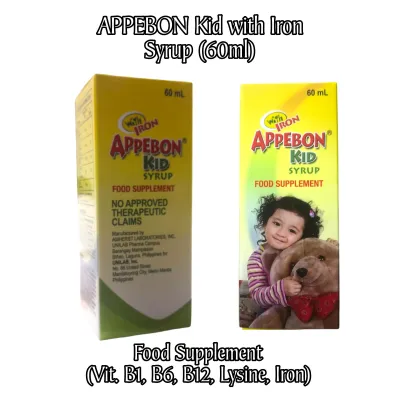
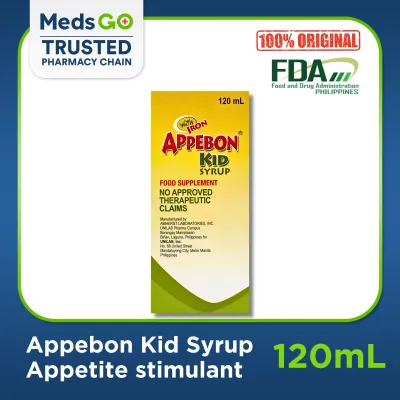
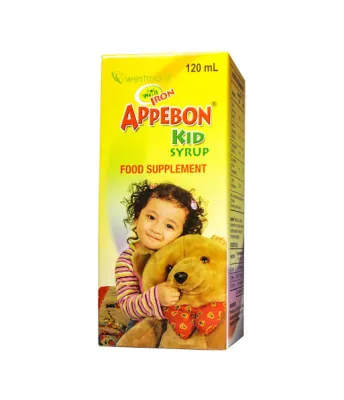
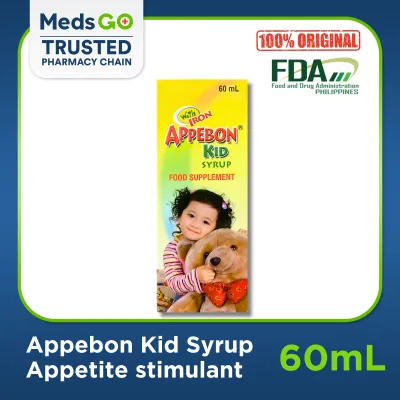

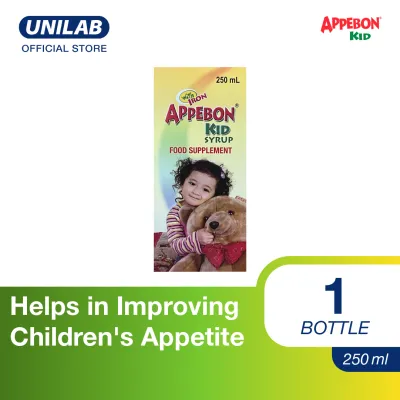
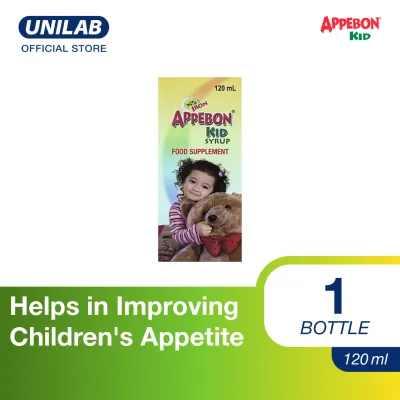
Prices are valid at publication and may change. Please refer to the product page for the latest price.
During early childhood, rapid growth spurts place a high demand on the body’s iron stores. If these stores are depleted, a child may experience iron deficiency, which can quietly hinder cognitive development, attention span, and overall immune function.
As a parent, you might notice subtle, observable signs that suggest your child’s iron levels are low. These signals include unusual or persistent fatigue, a noticeable lack of energy during playtime, and pale skin.
Paleness is often most visible on the palms of the hands, the fingernail beds, or the inner lining of the lower eyelids. Other signs include a sudden drop in appetite or a tendency to catch frequent colds.
Despite these signs, you must never introduce an iron supplement on your own initiative. Iron is not a standard multivitamin that the body can easily flush out when taken in excess.
Because the human body cannot easily excrete surplus iron, giving an unprescribed supplement can lead to iron overload or toxicity. This can damage vital organs over time.
Before starting any iron regimen, schedule a consultation with your pediatrician. The doctor will perform a physical examination, review your child’s diet, and potentially order a simple blood test to confirm a deficiency.
Appebon with Iron is a specialized formulation designed to address nutritional gaps and appetite stimulation. It typically contains a combination of iron, B-complex vitamins, and the amino acid lysine.
Because formulations and target age groups can vary, it is vital to verify the product packaging. Always consult your doctor to ensure that this specific syrup is appropriate for your child’s unique developmental stage.
How to Determine the Correct Dosage for Your Child
Determining the correct dosage of appebon with iron kids syrup is a critical step that requires meticulous attention to detail. Children’s bodies process vitamins and minerals based on their metabolic rate, age, and, most importantly, their weight.

To begin, always read the manufacturer’s product label thoroughly to locate the age- and weight-based dosing brackets. Treat these printed guidelines as a baseline reference rather than an absolute rule, as your child’s individual health status may require a customized approach.
When measuring the liquid, never use standard household kitchen spoons. Kitchen teaspoons and tablespoons are designed for dining and cooking, not for medical precision; their volumes vary widely, which can easily lead to accidental under-dosing or a dangerous overdose.
Instead, always use the dedicated measuring device—such as a calibrated dosing cup, an oral syringe, or a dropper—provided inside the product packaging. Ensure you wash and dry this measuring tool thoroughly after each use to maintain hygiene.
A pediatrician’s guidance is particularly crucial if your child has been diagnosed with iron deficiency anemia. The standard daily maintenance doses printed on the back of the bottle are formulated to prevent deficiency in healthy children, but they are generally insufficient to treat active anemia.
For therapeutic treatment, a pediatrician will calculate a higher, specific dose of elemental iron based on your child’s exact weight in kilograms. Never attempt to adjust or increase the dose to therapeutic levels without a doctor’s explicit prescription.
Additionally, always double-check the concentration of the syrup printed on the box before administering a dose. Manufacturers occasionally update their formulations, which can change the amount of elemental iron present per milliliter of liquid.
If you purchase a new bottle or a different size, verify that the active ingredients and concentration match your previous bottle. If you notice any discrepancies, consult a pharmacist or your pediatrician before giving the syrup to your child.
Best Timing and Conditions for Giving Iron Syrup
To get the most benefit from an iron supplement, you must understand the chemical factors that govern how the body absorbs this mineral. On a purely physiological level, iron is absorbed most efficiently when the stomach is empty—meaning either one hour before a meal or two hours after.
However, liquid iron is notorious for causing gastrointestinal irritation. When taken on an empty stomach, it frequently triggers nausea, mild stomach cramps, or a burning sensation, which can cause a child to reject the supplement entirely.
To balance absorption with physical comfort, the most practical approach is to administer the syrup shortly after a light meal or alongside a small, non-dairy snack. This cushions the stomach lining and dramatically reduces the likelihood of nausea or stomach pain.
Avoid giving the supplement right before a heavy, complex meal. A full stomach of diverse foods will significantly slow down and reduce the overall absorption of the iron.
One of the most effective ways to boost your child’s iron absorption is to pair the syrup with Vitamin C (ascorbic acid). Vitamin C chemically alters the iron into a highly soluble form that the cells in the small intestine can easily take up.
You can achieve this synergy by giving your child a few sips of a Vitamin C-rich drink alongside the syrup. In the Philippines, fresh, home-squeezed calamansi juice diluted with water, orange juice, or a small portion of fresh fruits like ripe papaya or mango serves as an excellent, natural source of Vitamin C.
Conversely, you must be highly vigilant about substances that inhibit iron absorption. Calcium is the primary culprit; it binds directly to iron in the digestive tract, rendering the mineral insoluble and virtually useless to the body.
Do not give the iron syrup simultaneously with milk, infant formula, breast milk, yogurt, calcium supplements, or antacids. To ensure your child receives the full nutritional benefit, maintain a strict gap of at least one hour before or two hours after any dairy or calcium consumption.
Practical Tips for Administering Syrup to a Resistant Child
It is entirely common for young children to resist taking liquid supplements due to the distinct, metallic taste of iron. Turning medicine time into a daily battle of wills can create anxiety for both you and your child.
To overcome this, you can employ several practical, parent-tested techniques that minimize taste aversion and make the process far more manageable.
First, swap the standard dosing cup or spoon for a clean oral syringe. An oral syringe offers superior control and safety.
To administer the syrup, gently slide the tip of the syringe into the side of your child’s mouth, pointing it toward the inside of the cheek near the back teeth. This technique bypasses the taste buds concentrated on the front and center of the tongue, significantly reducing the metallic taste.
Furthermore, it prevents the child from easily spitting the liquid back out and reduces the risk of accidental choking. Depress the plunger slowly in small, manageable increments, allowing your child time to swallow naturally.
Another useful strategy is to utilize temperature to mask the flavor. If the manufacturer’s storage instructions permit, place the syrup bottle in the refrigerator for a short period before administering the dose.
Cold temperatures temporarily numb the taste buds, making the metallic flavor of the iron much less pronounced. Always verify the storage warnings on the product label first, as some formulations should not be chilled.
If your child completely refuses to take the syrup directly, you can discreetly mix the exact prescribed dose into a very small portion of strong-flavored, non-dairy food. Excellent options include a tablespoon of applesauce, mashed banana, or a small dollop of fruit puree.
The key to this method is portion control: the food serving must be small enough that your child is guaranteed to consume the entire mixture in one or two bites. If you mix the syrup into a large bowl of food and your child only eats half, you cannot verify how much of the dose they actually received.
Finally, focus on the behavioral environment. Keep your tone calm, positive, and matter-of-fact. Children are highly sensitive to parental anxiety, and if they sense you are stressed, they are more likely to resist.
Offer a preferred “chaser” immediately after the dose, such as a small sip of water or a favorite juice, to wash away any lingering taste. You can also establish a rewarding routine, such as placing a sticker on a chart after a successful dose, to build a cooperative habit.
Additionally, be aware that liquid iron can temporarily stain a child’s teeth a dark, grayish color. To prevent this cosmetic issue, you can have your child drink a small glass of water or brush their teeth immediately after taking the syrup.
If you are using an oral syringe, placing the liquid further back in the mouth naturally minimizes contact with the front teeth, keeping their smile bright and clean.
What to Expect: Normal Side Effects and Warning Signs
When your child begins taking an iron supplement, their body will undergo several physical adjustments. Understanding which changes are harmless and which require medical attention will give you peace of mind.
The most common and visually striking side effect of oral iron supplementation is a change in stool color. You will likely notice that your child’s stools become dark green, dark brown, or completely black.
This is a normal, expected, and entirely harmless occurrence. It happens because the child’s body does not absorb 100% of the iron in the syrup; the unabsorbed portion travels through the large intestine, where it reacts with natural compounds in the gut, turning the stool dark.
Reassure yourself that this is not a sign of internal bleeding or gastrointestinal damage. The stool color will return to normal once the supplement is discontinued.
Mild gastrointestinal side effects are also relatively common. Your child may experience mild constipation, occasional stomach cramps, or slight nausea.
If constipation becomes an issue, you can help manage it naturally by encouraging your child to drink more water throughout the day. Introduce fiber-rich foods into their diet, such as papaya, sweet potatoes, or green vegetables, provided they are developmentally ready for solid foods.
If these mild symptoms persist or cause your child significant discomfort, consult your pediatrician for advice on adjusting the dose or trying a different formulation.
While mild side effects are manageable, you must remain alert to the warning signs of severe adverse reactions or acute iron toxicity. Stop giving the supplement immediately and seek emergency medical care if your child exhibits any of the following red flags:
- Severe, persistent vomiting or projectile vomiting
- Stools that contain visible blood or look tarry and sticky
- Extreme lethargy, unusual drowsiness, or difficulty waking up
- Rapid, shallow breathing or a weak, rapid pulse
- Signs of a severe allergic reaction, such as hives, unexplained skin rashes, swelling of the face, lips, tongue, or throat, or difficulty swallowing and breathing
Finally, prioritize preventative safety in your home. Accidental iron overdose is one of the leading causes of accidental poisoning deaths in young children worldwide.
Because pediatric syrups are often sweet and flavored to appeal to children, a child may mistake the bottle for a treat if they find it unattended. Always keep the syrup bottle tightly capped with its child-resistant lid.
Store the bottle in a high, locked cabinet that is completely out of your child’s sight and reach. Never refer to the supplement as “candy” or “juice” to coax them into taking it, as this can encourage them to seek it out on their own.
Frequently Asked Questions (FAQ)
Can I mix Appebon with Iron syrup into my child's milk or formula?
No, you should never mix appebon with iron kids syrup directly into your child’s milk, infant formula, or breast milk. Milk contains high levels of calcium and proteins that chemically bind to iron in the digestive tract. This binding action prevents the iron from being absorbed by the small intestine, rendering the supplement ineffective. To ensure your child receives the full benefits of the iron, always administer the syrup at least one hour before or two hours after any milk feeds or dairy consumption.
What should I do if my child spits out the dose or I miss a scheduled time?
If your child spits out a portion of the syrup, do not immediately administer another full dose. Because it is impossible to accurately measure how much of the active ingredients they actually swallowed, giving a second dose carries a high risk of accidental double-dosing and potential iron toxicity. If they spit out the entire dose immediately, consult your pediatrician for guidance on whether to re-dose. If you miss a scheduled dose, simply skip that dose entirely and resume your normal schedule at the next designated time. Never double the dose to make up for a missed one, as this can easily overwhelm your child’s system.
Community discussion
Share your experience or ask a question. Comments are reviewed before publication.