
Finding genuine skincare for your baby is essential, especially when shopping online in the Philippines where counterfeit goods occasionally slip into digital storefronts. To guarantee you are purchasing authentic products, you must know how to navigate to the mustela official store on major e-commerce platforms and identify the physical hallmarks of genuine items. Because infant skin is uniquely delicate, using unverified or counterfeit lotions, washes, or barrier creams poses real health risks. This guide provides a practical, step-by-step approach to verifying authorized sellers, inspecting packaging, and evaluating product formulations to keep your baby’s skin safe.
The Risks of Counterfeit Baby Skincare
Infant skin is structurally different from adult skin. It is roughly thirty percent thinner, highly permeable, and still developing its natural protective barrier. In a warm and humid tropical environment like the Philippines, babies are already prone to skin conditions such as prickly heat (locally known as bungang-araw), diaper rash, and eczema. When you apply a counterfeit skincare product to this vulnerable barrier, the lack of quality control can lead to severe adverse reactions. Unregulated formulations often contain harsh industrial chemicals, heavy metals, banned preservatives, or bacterial contaminants that easily penetrate the thin epidermal layer.
The rise of unauthorized third-party sellers on open online marketplaces has made it easier for counterfeit items to enter the supply chain. These sellers often source their inventory from unverified distributors, meaning there is no way to trace the storage conditions, expiration dates, or manufacturing origins of the bottles. In contrast, authentic Mustela products undergo rigorous dermatological and pediatric testing to ensure they are hypoallergenic and safe for use from birth. Counterfeit manufacturers completely bypass these safety standards, prioritizing cheap production over infant safety. Caregivers should verify specific product certifications and ingredient safety standards directly from official documentation before use.
Products mentioned in this guide
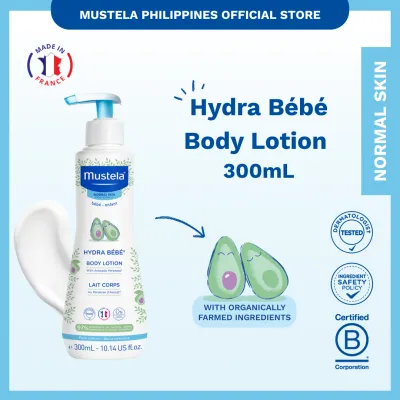
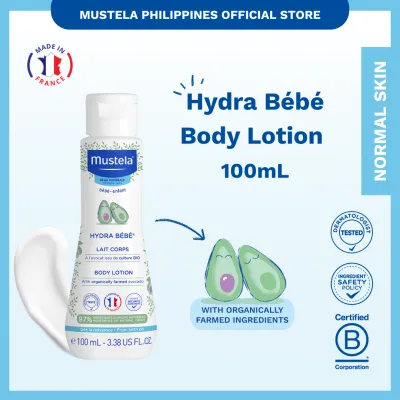
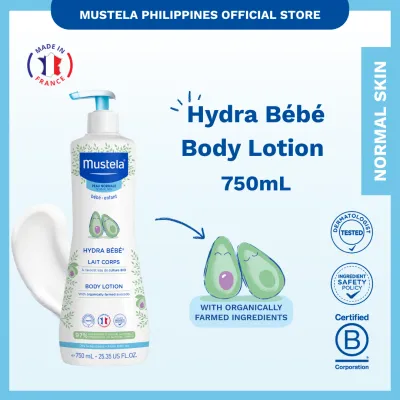
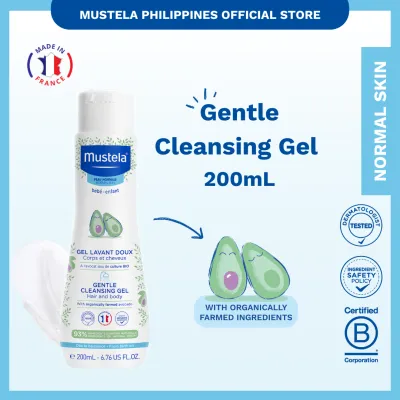
Prices are valid at publication and may change. Please refer to the product page for the latest price.
Choosing to buy exclusively from official, authorized channels is not just about getting what you paid for; it is a primary preventative measure for your child’s health. Applying an unverified cream to a baby’s diaper area or face can trigger contact dermatitis, chemical burns, or systemic infections. By understanding the risks associated with unauthorized sellers, caregivers can make informed, safety-first decisions when stocking up on baby essentials.
How to Find the Mustela Official Store on E-Commerce Platforms
Navigating major online marketplaces in the Philippines requires a discerning eye to separate authorized distributors from unauthorized storefronts. The most reliable starting point is to look for platform-level verification badges. On leading e-commerce platforms, official brand stores are designated with a specific “Mall” badge, a verified checkmark, or an “Official Store” label prominently displayed next to the shop name. These badges indicate that the platform has vetted the seller’s business registration, trademark ownership, or direct authorization from the brand’s parent company.

Beyond looking at the badge, you must carefully examine the exact spelling of the seller’s name. Counterfeiters often use subtle variations, such as adding extra punctuation, numbers, or words like “outlet,” “warehouse,” or “discount” to mimic the official storefront. Open the shop profile and review the “About” or “Shop Information” section. Legitimate official stores for Mustela in the Philippines will clearly state their partnership with the authorized local distributor and provide transparent contact details or business addresses.
For absolute certainty, cross-reference the digital storefront with Mustela’s official local website or their verified social media channels. Authorized brands typically maintain a “Where to Buy” page or provide direct, clickable links to their official e-commerce stores. If you follow a link directly from the official brand website, you can be confident that you are landing on the genuine digital storefront rather than a sophisticated copycat.
Caregivers must also learn to look past superficial metrics that counterfeiters easily exploit. A high seller rating, thousands of positive reviews, or a massive follower count are no longer absolute proof of authenticity. Bad actors frequently use automated bots, fake review schemes, or brush sales to inflate their store’s reputation. Similarly, heavily discounted prices—such as a popular cleansing gel or barrier cream listed at fifty percent below the standard retail price of ₱500 to ₱1,200—are a major warning sign. If a deal seems too cheap, it is highly likely that the product is either counterfeit or expired.
Authentic vs. Fake: How to Spot Counterfeit Mustela Products
Even when exercising caution online, an unauthorized product may occasionally arrive at your doorstep. Spotting a fake requires a systematic inspection process before you open or use the formula. Counterfeiters continuously update their manufacturing methods to mimic genuine packaging, which means relying on a single visual detail is rarely enough to guarantee authenticity. To protect your baby, you must evaluate multiple physical, visual, and sensory indicators across the packaging and the formulation itself.
Packaging and Label Red Flags
The first line of defense is a thorough visual inspection of the product container. Authentic Mustela bottles and tubes are manufactured using high-quality, sturdy plastics with precise, flush-fitting caps and pumps. If the plastic feels unusually flimsy, has rough or sharp edges from poor molding, or if the pump mechanism sticks or leaks easily, the product’s origin is highly suspect.
Next, examine the print quality on the labels. Genuine packaging features crisp, clear, and perfectly aligned text. Counterfeit products often display blurry fonts, pixelated logos, uneven margins, or even spelling and grammatical errors in the product descriptions. Pay close attention to the ingredient list and regulatory markings. Authentic products distributed in the Philippines typically feature clear local importer details, proper language translations, and standard safety symbols that comply with local cosmetic regulations.
Traceability markings are another critical area to inspect. Look for the batch code and expiration date, which are usually embossed or cleanly printed on the bottom of the bottle, the crimp of the tube, or the back of the packaging. On genuine items, these codes are sharp, uniform, and resistant to light rubbing. If the batch code is missing entirely, smudged, printed with a cheap ink jet that easily scratches off, or looks unevenly stamped, you should treat the product as counterfeit.
Texture, Scent, and Product Quality
If the packaging passes visual inspection, the next step is to evaluate the physical properties of the formulation. Authentic Mustela baby products are celebrated for their distinct, mild, and clean sensory profile. For example, their signature cleansing gel and Hydra Bébé body lotion feature a subtle, delicate fragrance that is specifically formulated to be hypoallergenic and non-irritating to sensitive infant skin.
Dispense a small amount of the product onto your own hand to assess its texture and consistency. Genuine formulas are smooth, consistent, and easily absorbed without leaving an excessively sticky or greasy residue. In contrast, counterfeit products often exhibit phase separation, where oily liquid separates from a watery base, or they may feel unusually gritty, watery, or heavy. Furthermore, a strong chemical odor, an alcohol-heavy scent, or an overpowering, artificial perfume is a clear indication of a synthetic, unregulated formulation that should never be applied to a child.
Before applying any new or unfamiliar skincare product to your baby, always perform a patch test on your own skin first, followed by a small, supervised test on a tiny patch of the baby’s skin, such as the inner forearm. Monitor the area closely for any signs of redness, warmth, or irritation. If the texture, color, or smell of the product feels off in any way, discontinue use immediately and do not apply it to your baby’s skin.
Verification Methods and Next Steps for Suspected Fakes
If you suspect that a product you purchased is not genuine, there are concrete verification steps and safety protocols you must follow. First, locate the batch code on the packaging and attempt to verify it. While some online batch code calculators can confirm the manufacturing date of a code, keep in mind that counterfeiters can easily copy a valid code from a genuine bottle. Therefore, a valid batch code on a calculator is not absolute proof of authenticity, but a missing, unreadable, or fake code is a definitive reason to reject the product.
If you suspect the product is fake, stop using it immediately. Securely document your concerns by taking high-resolution photographs of the packaging, focusing on the print anomalies, the batch code, the pump mechanism, and the consistency of the liquid. Keep all original packaging, shipping labels, and digital order receipts, as these will be essential evidence for your dispute.
Log in to the e-commerce platform where you made the purchase and initiate a formal return or refund request. Select the option indicating that the item is counterfeit or not as described, and upload the photos and documentation you gathered. Avoid communicating with the seller outside of the official platform channels, as unauthorized sellers may try to offer partial refunds or pressure you to close the dispute. Reporting the shop to the platform’s customer service helps protect other parents from purchasing dangerous counterfeits.
Most importantly, prioritize your baby’s health. If your child has already been exposed to the suspected counterfeit product and exhibits any signs of skin irritation, persistent redness, hives, swelling, or an unusual rash, consult a pediatrician or a pediatric dermatologist immediately. Bring the suspected bottle with you to the medical appointment so the healthcare professional can review the potential irritants or allergens listed on the packaging.
Frequently Asked Questions (FAQ)
Is it safe to use a Mustela product if the batch code is missing?
No, it is not safe to use any baby skincare product that lacks a readable batch code. The batch code is a critical traceability tool that allows the manufacturer to track production dates, ingredients, and quality control runs. If a batch code is missing, scratched off, or smudged beyond recognition, you lose the ability to verify when and where the product was made, or if it has expired. This lack of traceability is a common hallmark of counterfeit operations or unauthorized sellers trying to offload expired or improperly stored goods. To protect your baby’s sensitive skin, discard any product with missing batch codes.
Can I trust third-party sellers with high ratings on online marketplaces?
While there are legitimate third-party boutique shops and pharmacies online, you should not rely solely on high ratings or positive reviews as a guarantee of authenticity. Modern e-commerce platforms face challenges with review manipulation, where bad actors buy fake reviews, use automated accounts to inflate ratings, or swap product listings after accumulating positive feedback on an unrelated item. To ensure your baby’s safety, the only foolproof method is to purchase directly from the verified official store on the platform or from an explicitly authorized retail pharmacy chain.
How should I dispose of a suspected counterfeit baby lotion?
Disposing of suspected counterfeit skincare requires care to prevent accidental exposure to children, pets, or the environment. Do not throw full, open bottles directly into the household trash. Instead, squeeze or pour the liquid out and mix it with an undesirable substance like used coffee grounds, dirt, or cat litter, then place the mixture in a sealed bag before throwing it in your secure outdoor waste bin. If the plastic container is recyclable, thoroughly rinse out any remaining residue to prevent chemical contamination before placing the clean bottle into your local recycling bin according to community guidelines.

Community discussion
Share your experience or ask a question. Comments are reviewed before publication.