
Finding the correct flange insert size for your Spectra breast pump is essential for a comfortable and productive pumping journey. The standard breast shield that comes with your pump is often too large for many mothers, which can lead to friction, pain, and decreased milk expression. By measuring your nipple diameter accurately and choosing a matching silicone flange insert, you can customize the fit to your body, ensuring efficient milk removal and protecting your delicate breast tissue from damage.
Why the Correct Flange Insert Size Matters
In the warm and humid climate of the Philippines, skin friction can quickly lead to severe irritation or heat-aggravated chafing. When a flange is too large, the pump’s vacuum pulls not just the nipple but also a significant portion of the sensitive areola into the tunnel. This excessive pulling can cause swelling, bruising, and blocked milk ducts, which may ultimately reduce your milk supply.
Conversely, using an insert that is too small pinches the nipple during the suction cycle. This constant friction restricts the natural expansion of the milk ducts, making it difficult for milk to flow freely. Over time, this restriction can lead to painful abrasions, cracked skin, and incomplete breast emptying, which signals your body to produce less milk.
Products mentioned in this guide
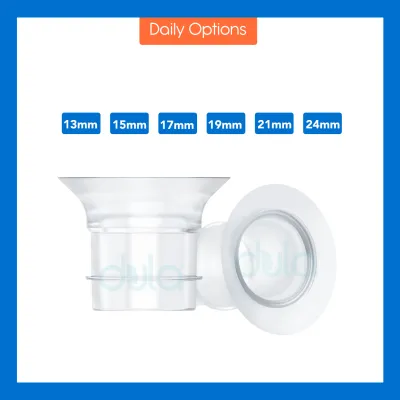
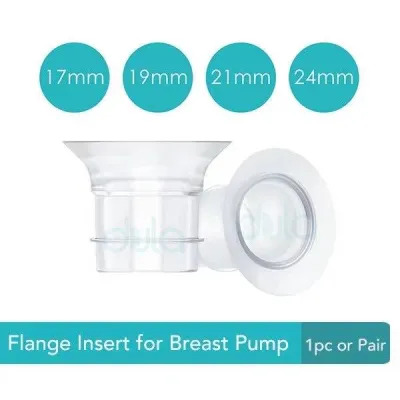
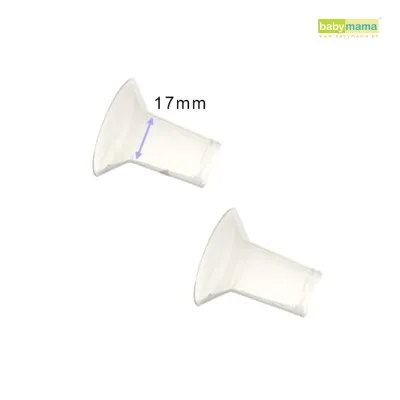
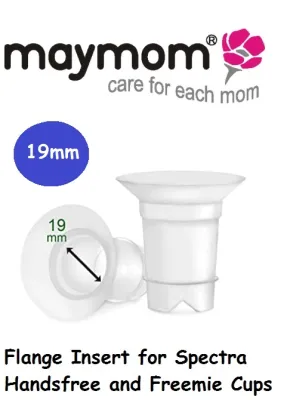
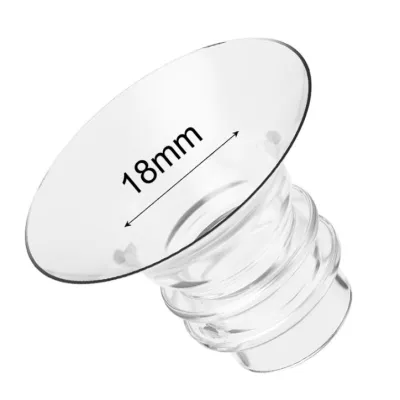
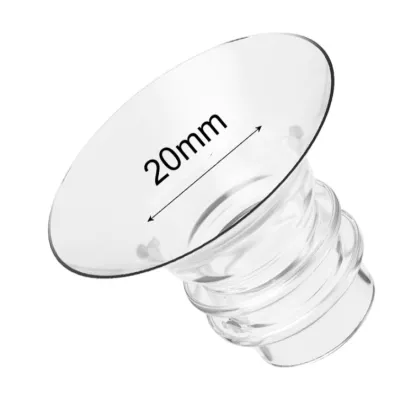
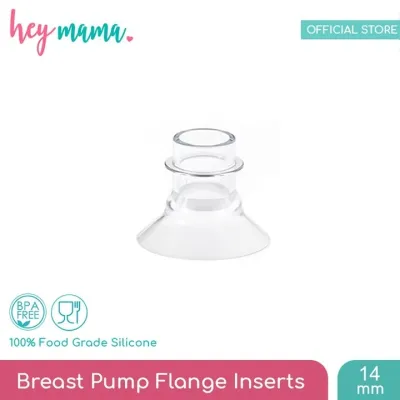
Prices are valid at publication and may change. Please refer to the product page for the latest price.
Achieving a proper fit ensures that only the nipple enters the tunnel, moving freely without rubbing against the sides. This alignment helps maximize milk expression by stimulating the correct nerves and allowing the milk ducts to compress naturally. A comfortable pumping session is key to maintaining a consistent breastfeeding routine and protecting your long-term breast health.
How to Measure Your Nipples Accurately
To find your starting size, you need to measure the diameter of your nipple base. You can use a rigid ruler with millimeter markings, a sliding caliper, or a printable circular sizing tool. Avoid using soft sewing tape measures, as they can easily bend and give inaccurate readings.

When measuring, focus solely on the width of the nipple itself, right where it meets the areola. Do not include any part of the surrounding dark skin of the areola in your measurement. If your nipples are flat or inverted, you can gently stimulate them to make them erect before taking the measurement, ensuring you capture the true diameter.
Timing is crucial when taking these measurements. It is highly recommended to measure your nipples before you begin a pumping session, as the vacuum of the pump can cause temporary swelling that distorts your baseline size. Keep in mind that your left and right nipples may require different sizes, so always measure both sides individually to ensure a customized fit for each breast.
Matching Measurements to Spectra Flange Inserts
Once you have your base measurement in millimeters, you need to add a small buffer to find your target flange or insert size. Generally, adding 1 to 3 millimeters to your pre-pumping measurement provides enough clearance for the nipple to expand during suction without rubbing. For example, if your nipple base measures 15 millimeters, an insert with an internal diameter of 17 millimeters is typically a suitable starting point.
Silicone flange inserts are designed to slide directly inside a larger, standard hard plastic breast shield—most commonly the 24 mm or 28 mm shields that come packaged with Spectra pumps. You must verify the outer diameter of the insert matches the inner diameter of your existing shield. If you place a 17 mm insert into a 24 mm shield, the insert must be specifically designed to fit a 24 mm tunnel to maintain a secure seal and proper alignment.
Always consult the manufacturer’s sizing chart or the product packaging to verify how the dimensions are mapped. Some third-party insert brands list the size based on the final inner diameter, while others specify which host flange size they are compatible with. If you notice your nipples swell significantly during a session, you may need to adjust your size choice upward by an extra millimeter to accommodate this dynamic change.
Checking Compatibility with Your Spectra Pump Model
Before purchasing any inserts, identify your exact Spectra pump model by checking the label on the bottom of the device or reviewing your user manual. Whether you use the Spectra S1, S2, Synergy Gold, or the portable 9 Plus, these pumps typically utilize the same standard wide-neck breast shield assemblies. However, the physical dimensions of the shield tunnels can vary slightly depending on the production batch or whether you are using original equipment or aftermarket parts.
Verify that your standard Spectra flanges are compatible with the specific brand of silicone inserts you plan to buy. Most standard inserts are designed to fit snugly inside a 24 mm or 28 mm hard plastic flange. If the insert is too loose, it can slide out of place during pumping, causing a loss of vacuum pressure and reducing the efficiency of the pump.
Do not assume universal compatibility across different breast pump brands. While some third-party inserts are marketed as compatible with multiple brands, always check the manufacturer’s detailed compatibility list. Relying on official specifications prevents air leaks and ensures that the insert does not block the backflow protector connection, which is a critical safety feature of your Spectra closed-system pump.
Many mothers in the Philippines find that purchasing a few different sizes of silicone inserts, which often cost under ₱500 on local ecommerce platforms, is a practical way to test different fits at home. This approach allows you to experiment safely without committing to a single size that might not work as your body adjusts to pumping.
Signs of a Proper Fit vs. When to Resize
When you have the correct insert size, you will observe specific physical cues during your pumping session. Your nipple should sit directly in the center of the tunnel, moving back and forth smoothly without rubbing against the walls. You should feel a gentle tugging sensation rather than pinching or pulling, and the session should be entirely pain-free.
Conversely, there are clear warning signs that indicate you need to resize or stop using a particular insert. If you notice redness, swelling, or blanching (where the nipple tip turns white) after pumping, the fit is likely incorrect. Friction pain, a burning sensation, or a sudden, unexplained drop in your milk yield are also strong indicators that the insert is either too tight or too loose.
If you experience persistent pain, skin breakdown, or signs of a clogged duct, pause your pumping session immediately. Do not attempt to push through the discomfort, as this can cause long-term damage to your breast tissue. Consult a qualified lactation professional or reach out to the manufacturer’s support team to help troubleshoot your fit and ensure your pumping setup is safe and comfortable.
Frequently Asked Questions (FAQ)
Can I use silicone inserts with my existing hard plastic flanges?
Yes, silicone inserts are specifically designed to be placed inside your existing hard plastic flanges to reduce the tunnel size. You must check the manufacturer’s instructions to ensure the insert is compatible with the exact size of your hard plastic flange, such as inserting a 19 mm insert into a standard 24 mm flange. When assembling the parts, ensure the insert is pushed in completely and sits flush against the plastic shield to maintain a secure suction seal and prevent air leaks during operation.
Do nipple sizes change over time, and should I remeasure?
Yes, nipple sizes can change dynamically throughout your postpartum journey. It is common for your nipples to be larger in the first few weeks after birth due to hormonal changes and engorgement, and they may gradually shrink as your milk supply stabilizes. If you experience new discomfort, a decrease in milk output, or notice that your nipple is rubbing against the tunnel walls after weeks of comfortable use, it is time to remeasure and adjust your insert size accordingly.
Community discussion
Share your experience or ask a question. Comments are reviewed before publication.