
In the Philippines, a standard crib foam mattress typically measures 28 inches by 52 inches (71 cm x 132 cm), with a thickness ranging between 2 and 4 inches. However, because local manufacturers and imported brands often have slight structural variations, finding the correct bedsheet for crib foam requires precise measurement rather than guesswork. A bedsheet that is too loose creates dangerous folds of excess fabric, while a sheet that is too tight can compress and buckle the flexible foam, creating hazardous gaps along the sides of the crib. Selecting the right fit is a critical step in setting up a safe, comfortable nursery.
By understanding how to measure your specific mattress, calculate the required pocket depth, and select materials suited for a tropical climate, you can ensure a secure sleeping environment. This guide outlines the exact steps to measure your foam mattress, choose the safest bedding, and verify a secure fit before every sleep.
Why a Snug Fit is Critical for Crib Safety
Infant sleep safety guidelines emphasize that a baby’s sleeping surface must be firm, flat, and completely free of loose materials. Loose bedsheets pose severe hazards, including suffocation, entanglement, and carbon dioxide rebreathing if the fabric bunches up over a baby’s face. Because infants lack the motor skills to free themselves from tangled fabric, a loose sheet can quickly become a life-threatening hazard.
Products mentioned in this guide
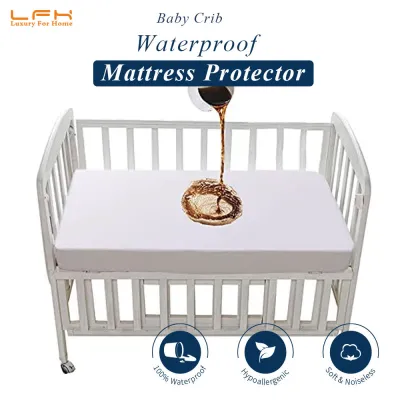
Prices are valid at publication and may change. Please refer to the product page for the latest price.
In the context of safe infant sleep, a snug fit means the fitted sheet lies completely flat across the mattress surface without any wrinkles, shifting, or loose pockets of fabric. The elasticized edges must wrap tightly around the corners and secure themselves deep underneath the mattress base. When a sheet is properly fitted, it becomes an extension of the mattress itself, remaining taut even when your baby rolls or crawls.
Foam mattresses present unique safety considerations compared to rigid innerspring models. Polyurethane foam is lightweight and flexible, meaning it can compress, expand, or warp over time due to pressure, age, and local humidity. If a fitted sheet is too small or has degraded elastic, the tension can pull the corners of the foam mattress upward. This warping creates dangerous gaps between the mattress edge and the crib frame where an infant’s limbs or head could become trapped. Regular checks of both the sheet tension and the mattress shape are essential to prevent these risks.
How to Measure Your Crib Foam Mattress Accurately
To ensure a secure fit, you must measure your physical mattress rather than relying on the dimensions printed on the crib’s packaging or the sheet’s retail box. Foam mattresses can settle or stretch during shipping, storage, and daily use. For this task, you will need a standard measuring tape and a flat, level surface.

Always remove all bedding, mattress protectors, and decorative covers before measuring. Place the bare foam mattress flat on the floor rather than keeping it inside the crib frame. Measuring the mattress while it is compressed inside a tight wooden frame can lead to angled tape placement, resulting in inaccurate numbers that could compromise safety.
Measuring Length and Width
To measure the length, extend your measuring tape from the top edge to the bottom edge of the mattress. Take this measurement along the left side, the right side, and straight down the center to account for any unevenness or sagging in the foam. Repeat this process for the width, measuring from edge to edge at the top, middle, and bottom sections. Record the largest dimensions to ensure your sheet can cover the entire surface, but verify that these measurements still align with your crib frame’s safety requirements.
Measuring Mattress Depth (Thickness)
Mattress depth is the most critical dimension for determining the pocket depth of a fitted sheet. Place your measuring tape vertically against the side of the mattress, measuring from the bottom seam to the top seam. Do not compress the foam with your hand or the tape measure while taking this reading. If your foam mattress features a quilted cover or an integrated waterproof layer, include these layers in your total depth measurement. Standard crib foam mattresses in the Philippines typically range from 2 to 4 inches in depth, though premium orthopedic models can reach up to 5 or 6 inches.
Understanding Standard Crib Mattress Dimensions
While manual measurement is the safest approach, understanding standard industry dimensions helps you narrow down your shopping options. In the Philippines, a standard full-size crib mattress is generally 28 inches wide by 52 inches long (71 cm x 132 cm). This size is designed to fit standard wooden cribs securely, leaving no dangerous gaps between the mattress sides and the wooden slats.
It is vital to distinguish standard crib sizes from mini cribs, travel cots, or playpens (often referred to locally as pack-and-plays). Mini crib mattresses are significantly smaller, typically measuring around 24 inches by 38 inches (60 cm x 96 cm), and are usually much thinner than standard mattresses. Attempting to use a standard crib sheet on a mini crib mattress results in a dangerous excess of loose fabric. Always verify the category of your sleeping gear before purchasing bedding.
Before buying any sheet, check the manufacturer’s care tag sewn onto your foam mattress. This label contains the exact dimensions, weight limits, and specific safety warnings for your product. If the tag has been removed or is unreadable, rely strictly on your manual measurements to guide your purchase.
Step-by-Step Guide to Selecting the Right Fitted Bedsheet
Once you have recorded your mattress’s exact length, width, and depth, you can select a fitted sheet that matches these specifications while accommodating the local climate.
Matching the Pocket Depth
When shopping for a bedsheet for crib foam, look closely at the “pocket depth” or “pocket height” specification on the packaging. The sheet’s pocket depth must be deeper than the mattress thickness to allow the fabric to wrap fully around the sides and tuck underneath the bottom. To find the correct pocket depth, use this simple formula:
Mattress Thickness + 3 Inches (7.6 cm) Tuck-Under Allowance = Required Sheet Pocket Depth
For example, if your foam mattress is 3 inches thick, you should look for a fitted sheet with a pocket depth of at least 6 inches. This extra fabric ensures the elastic hem rests securely on the underside of the mattress, preventing the sheet from slipping off when the foam flexes or when your baby moves.
Choosing Breathable Fabrics for Humid Climates
In the hot and humid climate of the Philippines, fabric choice is directly linked to your baby’s comfort and health. Infants have underdeveloped temperature regulation systems and sweat easily, especially during sleep. Standard polyurethane foam mattresses tend to retain body heat, which can lead to overheating, sleep disruptions, and heat rash.
Avoid synthetic fabrics such as polyester, microfiber, or nylon, as they trap heat and moisture. Instead, select sheets made from 100% natural, highly breathable fibers. Organic cotton, long-staple cotton, and bamboo-derived fabrics are excellent choices for tropical conditions. These materials allow air to circulate freely, wick moisture away from your baby’s skin, and dry quickly. Keeping the sleeping surface dry also discourages the growth of mold, mildew, and dust mites within the foam core.
Checking Elastic Quality and Coverage
The construction of the sheet’s elastic determines how securely it will grip the mattress over time. Budget-friendly sheets often feature elastic only at the four corners. While this might suffice for heavy, rigid innerspring mattresses, it is highly inadequate for lightweight foam mattresses, which can easily bend at the corners and allow the sheet to slip off.
Look for fitted sheets that feature premium, heavy-duty elastic encased around the entire perimeter of the sheet (all-around elastic). This continuous band creates a uniform, secure grip that pulls the fabric tightly under the mattress from all sides, preventing shifting, bunching, or corner slippage.
The Safety Verification Test Before Every Sleep
Every time you change the bedding or put your baby down for a nap, you must verify that the sheet is safely installed and secure.
- Pull the fitted sheet firmly over each corner of the foam mattress.
- Reach underneath the mattress to ensure the elasticized edge is tucked at least two to three inches under the base.
- Place the mattress flat inside the crib frame, checking that there are no gaps wider than two fingers between the mattress edge and the crib walls.
- Smooth out any remaining wrinkles from the center outward.
Once installed, perform the “Two-Finger Test.” Place your index and middle fingers at the very center of the mattress and attempt to pinch and lift the fabric of the sheet. If you can easily pinch a fold of fabric, the sheet is too loose and must be replaced with a smaller size or a sheet with stronger elastic. The fabric should remain taut against the mattress surface, causing your fingers to slide off without grabbing any excess material.
Establish clear stop-use conditions for your bedding. Over time, frequent washing in warm water can degrade elastic fibers, causing them to stretch out, become brittle, or lose their recovery strength. Additionally, natural fibers like cotton can shrink significantly if washed or dried incorrectly. If a sheet has shrunk so much that it causes the corners of your foam mattress to curl upward, or if the elastic has become wavy and loose, stop using the sheet immediately. Do not attempt to secure a loose sheet with mattress clips, safety pins, or straps, as these accessories pose choking and injury hazards to infants.
Frequently Asked Questions (FAQ)
Can I use a regular flat sheet instead of a fitted sheet for a crib?
No. Flat sheets, loose blankets, or untucked linens must never be used in an infant’s crib. Because babies move, roll, and kick during sleep, a flat sheet can easily untuck and wrap around the infant, posing a severe risk of suffocation, strangulation, or entrapment. Safe sleep guidelines dictate that the crib mattress must be covered only by a tight-fitting sheet designed specifically for that mattress size. Keep the crib completely free of loose items, including flat sheets, pillows, blankets, quilts, bumper pads, and stuffed toys.
How often should I wash and replace crib bedsheets?
You should wash your baby’s crib sheets at least once a week to maintain proper hygiene. However, in the warm and humid climate of the Philippines, washing the sheets every three to four days is highly recommended to prevent the buildup of sweat, dead skin cells, drool, and dust mites. If your baby experiences diaper leaks, spit-up, or illness, change and wash the sheet immediately. Wash sheets in warm water with a mild, baby-safe detergent and air-dry them in the shade to preserve the elastic. Inspect the sheet during every wash cycle; if you notice thinning fabric, loose threads, or stretched-out elastic, replace the sheet immediately to ensure a safe sleep environment.
Community discussion
Share your experience or ask a question. Comments are reviewed before publication.