
Finding the absolute best value in baby wipe bundles during major online sales requires looking past flashy discount banners and calculating the exact cost per sheet. The most cost-effective bundle is not always the one with the lowest upfront price, but the one that delivers the lowest price-per-piece while meeting your baby’s skin safety needs. By understanding how to calculate true unit costs, verify pack sizes, and account for hidden expenses like shipping, you can secure genuine savings during promotional events without compromising on quality.
During large-scale promotional campaigns, online marketplaces are flooded with search terms like “baby wips 10pcs sale bundle” as parents search for bulk discounts. However, navigating these listings requires a sharp eye for detail. A systematic approach to comparing prices ensures that your hard-earned money is spent on actual product volume rather than clever marketing packages.
Decoding the Price-Per-Piece Math for Wipe Bundles
To find the true value of any baby wipe bundle, you must look past the main price tag and calculate the price-per-piece. The formula is straightforward: divide the total cost of the bundle by the absolute total number of individual wipes included. For example, if a bundle costs ₱400 and contains a total of 800 wipes, the price-per-piece is ₱0.50. Performing this quick calculation allows you to compare different brands and bundle sizes on an equal playing field.
Products mentioned in this guide
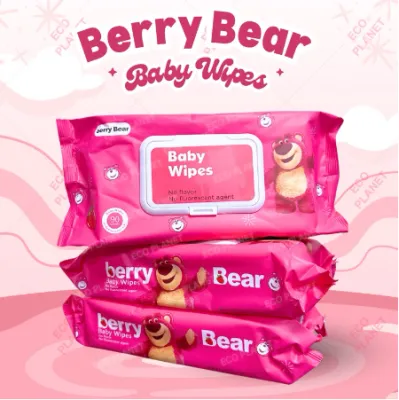
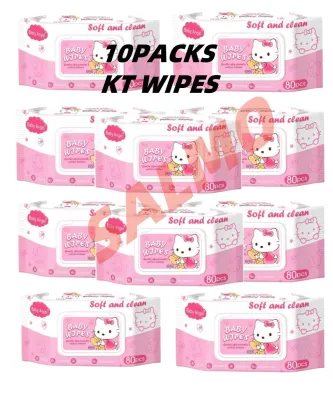
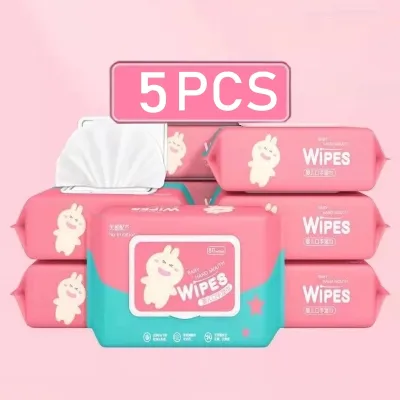
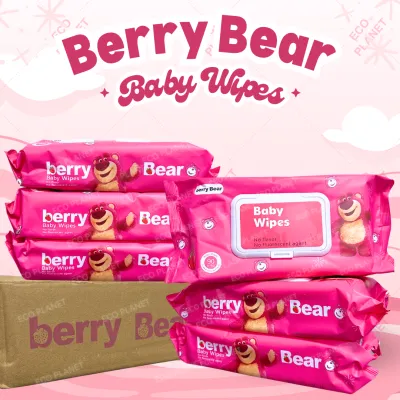
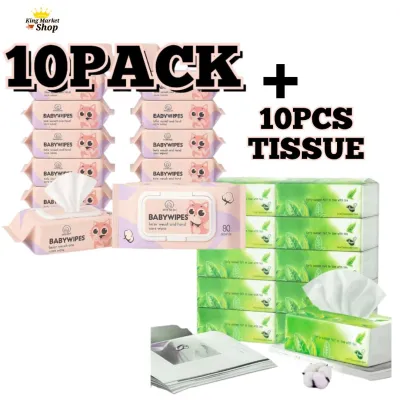
Prices are valid at publication and may change. Please refer to the product page for the latest price.
A common point of confusion during online sales is the distinction between “10 packs in a bundle” and “10 wipes per pack.” Some listings using search terms like “baby wips 10pcs sale bundle” may actually refer to a collection of ten tiny, pocket-sized travel packs containing only 10 wipes each, resulting in just 100 wipes total. Conversely, a standard bundle usually consists of ten full-sized packs containing 80 or 100 sheets each, yielding up to 1,000 wipes. Always read the fine print to confirm the total sheet count before finalizing your purchase.
Shipping fees can quickly eliminate any savings gained from a promotional discount. Because bulk baby wipes are heavy, shipping costs in the Philippines can escalate significantly depending on your distance from the seller’s distribution hub. When comparing bundles, always calculate the price-per-piece using the final checkout price, which includes the shipping fee, rather than the item’s list price.
Many online platforms offer free shipping or additional discounts only when you meet a minimum spend threshold. If you must add unnecessary items to your cart just to qualify for free delivery, you may end up spending more overall. Evaluate whether the shipping cost of a single bundle is reasonable, or if purchasing multiple bundles to trigger free shipping fits within your monthly household budget.
Evaluating 10-Pack Bundle Specifications and Sale Tactics
Verifying the exact sheet count per pack is a critical step in evaluating any bulk deal. Manufacturers package wipes in various quantities, such as 70, 80, 90, or 100 sheets per pack. A 10-pack bundle of 70-sheet packs provides 700 wipes, while a 10-pack bundle of 100-sheet packs provides 1,000 wipes. Without checking these specifications, you might mistakenly assume two ten-pack bundles offer the same volume of product.

Online sellers frequently employ “buy more, save more” promotional tiers to encourage larger purchases. For instance, you might receive a small discount for buying one bundle, but a significantly higher discount if you purchase three bundles at once. Before committing to a higher tier, calculate the price-per-piece for each option to determine if the incremental savings justify the larger upfront cash layout.
Bulk buying is only economical if you can use the product before it degrades. In the warm, humid climate of the Philippines, baby wipes stored for too long can lose their moisture or, in rare cases, develop mold if the packaging is compromised. Check the product listing or message the seller to verify the manufacturing and expiration dates of the stock being sold during promotional events.
Avoid purchasing clearance bundles that are within a few months of their expiration date unless you are certain you will use them immediately. A dry wipe is virtually useless for diaper changes, and attempting to rehydrate them with water can introduce bacteria. Stick to fresh stock that offers a reasonable shelf life for your household’s typical usage rate.
Balancing Budget Deals with Sensitive Skin Requirements
While finding a low price-per-piece is highly satisfying, the cheapest wipes are not a bargain if they cause skin irritation or diaper rash. A baby’s skin barrier is thin and highly sensitive, making it vulnerable to harsh chemicals. When browsing bulk sales, prioritize products that list gentle ingredients over those that simply offer the lowest price.
Carefully read the ingredient list on the product packaging or listing description before purchasing a large bundle. Avoid wipes that contain alcohol, parabens, or strong artificial fragrances, as these are common triggers for contact dermatitis. In tropical climates, sweat and friction can exacerbate skin sensitivity, making ingredient purity even more critical.
Look for verifiable label claims such as “water-based” or “hypoallergenic” on the packaging. While these terms are helpful indicators, you should still cross-reference them with the actual ingredient list to ensure there are no hidden irritants. If your baby has extremely sensitive skin or active eczema, it is often safer to stick with a trusted, dermatologist-tested brand even if the price-per-piece is slightly higher.
Consider the thickness and texture of the wipes when evaluating their overall value. Thicker, embossed wipes generally cost more per piece, but they often allow you to clean up a mess using only one or two sheets. Thinner, cheaper wipes may tear easily or require you to use four or five sheets for a single diaper change, which quickly depletes your supply and increases your long-term costs.
Your Pre-Checkout Checklist for Wipe Sale Periods
Before clicking the checkout button during a major sale, take a moment to verify the credibility of the seller. Only purchase baby products from official brand stores, authorized retailers, or highly rated distributors on your chosen e-commerce platform. Buying from unverified third-party sellers increases the risk of receiving counterfeit, expired, or poorly stored products.
Review the platform’s return and refund policies regarding bulk personal care items. Because wipes are heavy and liquid-filled, rough handling during transit can sometimes cause the plastic packaging to burst or leak. Ensure that you can easily request a refund or replacement if your bundle arrives damaged, open, or dried out.
Always perform a final price-per-piece calculation at the very last stage of checkout, after all store vouchers, platform discounts, and payment method promotions have been applied. Sometimes, hidden handling fees or adjusted shipping rates can alter the final cost. Comparing this final figure to the standard everyday price at your local supermarket ensures you are getting a genuine discount.
Frequently Asked Questions (FAQ)
Is it safe to stock up on baby wipes during major sales?
Yes, stocking up on baby wipes is safe as long as you store them properly and use them within their shelf life. Keep your unopened bundles in a cool, dry place away from direct sunlight and high tropical heat, which can dry out the moisture inside the packs. Always check the manufacturing or expiration dates before buying in bulk to ensure you can realistically use the entire supply before the wipes degrade.
Do thicker baby wipes offer better value than standard ones?
Thicker baby wipes can offer better value if they reduce the total number of sheets you need to use per diaper change. If a single thick, textured wipe can handle a cleanup that would normally require three or four thin wipes, the higher price-per-piece of the thicker option is justified. However, for simple tasks like wiping hands or cleaning toys, standard-thickness wipes may remain the more economical choice.

Community discussion
Share your experience or ask a question. Comments are reviewed before publication.