
Finding safe, budget-friendly baby wipes under ₱5 per pack is a practical goal for parents managing daily nursery expenses. In a tropical climate like the Philippines, where high humidity and heat can easily irritate a baby’s delicate skin, choosing the right wipe is critical for preventing diaper rash. While small travel packs, such as 10-piece packs on sale for ₱4 to ₱5, offer an affordable and portable solution, they require careful scrutiny. A low price tag should never mean compromising on skin safety, especially if your baby is prone to eczema or sensitivity.
To navigate the crowded shelves of local supermarkets and online marketplaces, caregivers need a reliable framework for evaluating budget wipes. By understanding how to read ingredient lists, identifying basic safety certifications, assessing physical material quality, and practicing smart shopping habits, you can confidently select budget-friendly wipes that protect your baby’s skin barrier without stretching your household budget.
Decoding Ingredient Labels for Sensitive Skin
When evaluating budget baby wipes, the ingredient list on the back of the packaging is your most reliable tool. For babies with sensitive skin, the rule of thumb is to choose formulas with the fewest ingredients possible. A shorter list reduces the statistical likelihood of an adverse reaction, making it easier to pinpoint potential irritants if a flare-up does occur.
Products mentioned in this guide
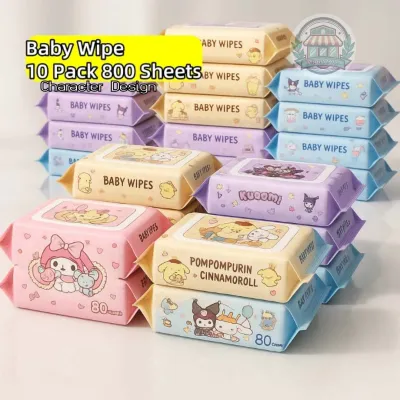
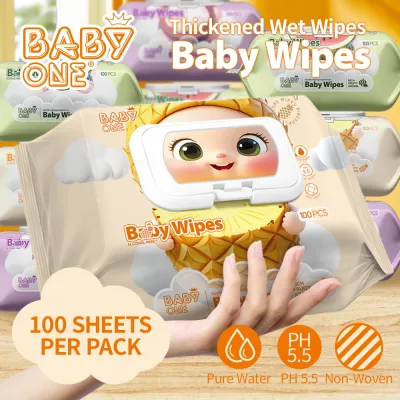
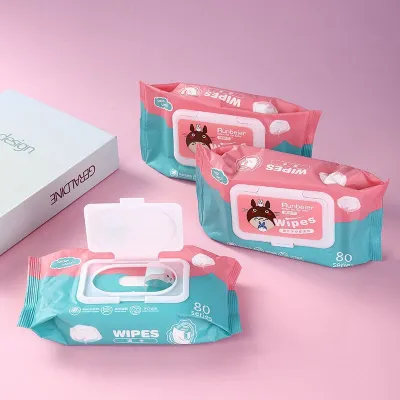
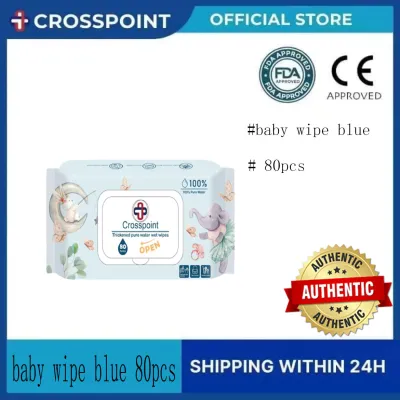
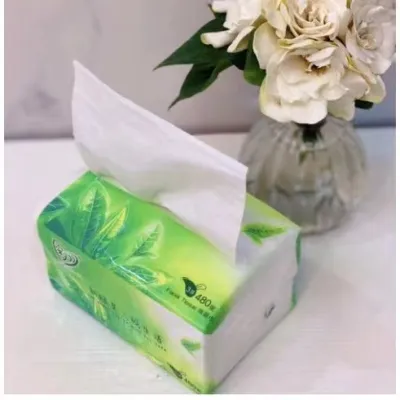
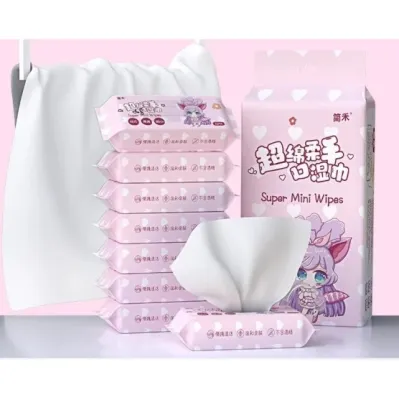
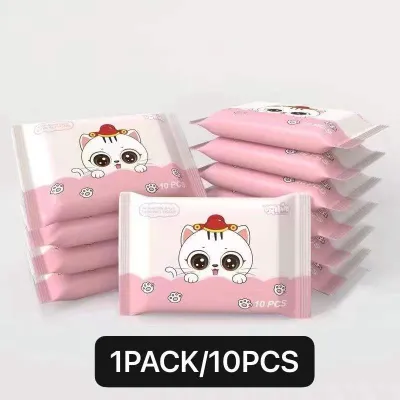
Prices are valid at publication and may change. Please refer to the product page for the latest price.
The first ingredient listed should always be water, often labeled as aqua or purified water. In high-quality formulations, water typically makes up more than 99% of the product. The remaining fraction consists of preservatives, surfactants, and skin-conditioning agents. Alcohol, often listed as isopropyl alcohol or ethanol, should never be present in wipes for sensitive skin, as it strips away natural lipids, dries out the skin barrier, and causes a burning sensation on irritated skin.
Preservatives are another critical category to inspect. Avoid products containing methylisothiazolinone (MIT) or methylchloroisothiazolinone (CMIT), which are known contact allergens. Instead, look for milder food-grade preservatives or organic acids, such as sodium benzoate or citric acid, which help maintain a skin-compatible pH level.
Fragrances are a primary trigger for allergic contact dermatitis in infants. Opting for products explicitly marked as fragrance-free is the safest path. While soothing botanical ingredients like aloe vera or chamomile extract can provide anti-inflammatory benefits, keep in mind that some babies may still have individual sensitivities to these natural extracts. Always prioritize simplicity over complex botanical blends when shopping on a tight budget.
Essential Safety Certifications and Labels to Check
Navigating the budget section of online marketplaces or local discount stores can feel overwhelming, but safety certifications offer a quick way to filter out high-risk products. When browsing wipes priced around ₱4 to ₱5, look for specific labels that indicate the formula has undergone basic dermatological evaluation. Terms like “Dermatologically Tested” or “Hypoallergenic” are common, but it is important to understand what they actually signify to avoid a false sense of security.

A “Dermatologically Tested” label means that the product was applied to human skin under the supervision of a dermatologist to check for adverse reactions. “Hypoallergenic” indicates that the ingredients have been selected to minimize the likelihood of an allergic response. While these labels show that the manufacturer has taken steps to evaluate skin compatibility, they do not guarantee absolute safety. Every baby’s skin is unique, and a product that is safe for one infant may still cause a mild reaction in another.
Beyond cosmetic claims, you must verify basic manufacturing compliance. In the Philippines, reputable cosmetic and baby care products should carry registration or notification details from the Food and Drug Administration (FDA). Check the packaging for an official registration number or search the manufacturer’s details online to ensure the product has been legally declared and meets local safety standards. Avoid unbranded or generic wipes that lack clear manufacturer contact information, batch numbers, or local distributor details.
Evaluating Material and Texture for Gentle Cleaning
The physical characteristics of a baby wipe play a significant role in skin health. Even a perfectly formulated, chemical-free liquid can cause irritation if the wipe’s fabric is rough or abrasive. When cleaning a baby’s diaper area, repetitive friction can disrupt the outer layer of the skin, leading to redness and micro-tears. Therefore, evaluating the material and texture of budget wipes is just as important as reading the ingredient list.
Most baby wipes are made from non-woven fabrics. Spunlace non-woven fabric is highly regarded for baby wipes because it offers a soft, cloth-like feel and excellent tensile strength. Within this category, you will find different surface textures, such as flat or embossed (often called pearl texture). Embossed textures feature raised patterns that help lift stool and dirt away from the skin with minimal swiping, reducing the need for repetitive rubbing. Flat wipes are smooth but may require slightly more pressure to clean effectively if they lack sufficient loft.
Moisture retention and thickness are closely linked to cleaning efficiency. If a wipe is too thin, it may tear during use, exposing your hands to moisture and requiring you to use multiple sheets for a single cleanup. Furthermore, thin wipes often dry out quickly once the package is opened, especially in warm, tropical environments. A dry wipe increases friction against the skin, which can quickly cause chafing. Look for wipes that feel sufficiently damp and hold their moisture well when exposed to air for a few moments.
To avoid wasting money on bulk purchases that might not suit your baby, utilize small trial packs. Purchasing a single 10-piece pack for ₱4 or ₱5 allows you to physically test the wipe’s stretch, softness, and moisture level. Feel the fabric between your fingers to ensure it does not feel scratchy or overly synthetic. If the trial pack performs well and does not cause skin dragging, you can confidently consider purchasing larger quantities of that specific product line.
Smart Shopping Strategies for the ₱4 to ₱5 Budget
Securing safe baby wipes within a strict budget of ₱4 to ₱5 per pack requires a strategic approach to shopping. At this price point, you are typically looking at small travel packs containing 10 pieces. While these compact packs are incredibly convenient for diaper bags and short outings, they can sometimes carry a higher cost per sheet compared to larger bulk packs. To maximize your budget, you must calculate the true unit cost of the wipes you buy.
When browsing online marketplaces or local retail stores, always divide the total price of the pack by the number of sheets inside. For example, a 10-piece pack priced at ₱4 costs ₱0.40 per wipe, while a pack priced at ₱5 costs ₱0.50 per wipe. Compare this unit cost against larger 80-piece or 100-piece packs from the same brand. Often, buying in bulk during promotional sales or using discount vouchers can bring the unit cost down even further, allowing you to enjoy the same safe formulation at an even lower price per sheet.
Be cautious of suspiciously cheap, unbranded wipes that flood the market. While a pack of 80 wipes sold for ₱15 might seem like an unbeatable bargain, these products often bypass regulatory checks, use low-grade synthetic fibers, or contain harsh industrial preservatives to extend shelf life. Stick to recognized budget-friendly brands or store brands from reputable supermarkets and pharmacies. These retailers have established supply chains and quality control standards, reducing the risk of purchasing counterfeit or contaminated products.
Environmental factors in tropical regions also demand careful attention to packaging. High heat and humidity can accelerate the degradation of preservatives and dry out the adhesive seals on wipe packages. When buying budget wipes, inspect the resealable sticker or plastic lid to ensure it closes tightly and forms an airtight seal. Check the manufacturing and expiration dates printed on the pack. Avoid buying products that are close to their expiration date or have been stored in direct sunlight, as the liquid formula may have degraded, increasing the risk of bacterial contamination.
Monitoring Skin Reactions and Knowing When to Stop
Introducing any new skincare product to a baby requires close observation, and budget baby wipes are no exception. Even if a product meets all your ingredient and certification criteria, your baby’s skin may still react uniquely to it. Establishing a systematic way to monitor your baby’s skin will help you catch early signs of irritation before they develop into painful rashes.
Before using a new brand of wipes across the entire diaper area, perform a simple patch test. Wipe a small, healthy patch of skin on your baby’s inner arm or thigh with the new wipe, and wait 24 hours. Monitor the area closely for any signs of redness, swelling, dryness, or tiny raised bumps. If the skin remains clear and smooth, the product is generally safe to use for regular cleanups. If you notice any localized irritation, discontinue use immediately and wash the area with plain water.
During regular use, keep a close eye on the diaper area for early signs of contact dermatitis. Mild irritation often presents as faint redness or dry, rough patches of skin. If left unchecked, this can progress to severe diaper rash, characterized by bright red, inflamed skin, peeling, or small blisters. If a rash develops, stop using the wipes immediately. Switch to using soft, dry cotton cloths or cotton balls dipped in lukewarm water to clean the area, and allow the skin to air-dry completely before putting on a fresh diaper.
Knowing when to seek professional medical advice is crucial for your baby’s well-being. If the skin irritation does not improve after a few days of discontinuing the wipes, or if you notice signs of infection such as pus, oozing, extreme tenderness, or a fever, consult a pediatrician immediately. Do not apply over-the-counter medicated creams or steroid ointments without a professional diagnosis, as these can sometimes worsen the irritation or be absorbed too deeply through compromised baby skin.
Frequently Asked Questions (FAQ)
Can I use budget baby wipes for my baby's face and mouth?
Using standard budget baby wipes on your baby’s face and mouth is generally not recommended unless the packaging explicitly states they are safe for perioral use. The skin on an infant’s face, particularly around the mouth and eyes, is significantly thinner, more sensitive, and more permeable than the skin on their bottom. Wipes designed primarily for diaper changes may contain mild surfactants or preservatives that, while safe for the diaper area, can cause stinging, redness, or accidental ingestion when used near the mouth. For facial cleanups, it is much safer to use dry cotton tissues or a soft washcloth moistened with pure drinking water, ensuring no chemical residues are left on your baby’s delicate facial skin.
Are thicker wipes always better for sensitive skin?
While thicker wipes offer practical advantages, they are not automatically better or safer for sensitive skin. The thickness of a wipe primarily determines its structural integrity, moisture retention, and ability to keep messes from seeping through to your hands during a diaper change. A thicker wipe can make cleanup more efficient by reducing the number of sheets required. However, the gentleness of a wipe is determined entirely by its surface texture and the chemical formulation of the liquid it holds. A very thick wipe made with rough fibers or saturated with harsh preservatives and synthetic fragrances will still cause severe skin irritation, whereas a thinner, high-quality wipe with a smooth texture and a minimalist, water-based formula can be perfectly gentle on sensitive skin.

Community discussion
Share your experience or ask a question. Comments are reviewed before publication.