
Baby-proofing the kitchen is a major milestone for parents as toddlers transition from crawling to walking. The refrigerator, filled with heavy glass jars, raw ingredients, and potential pinch hazards, is a primary target for curious hands. To secure these appliances without overspending, many parents search for cost-effective “Buy 1 Take 1” (B1T1) or bundled deals on popular ecommerce platforms. While these promotions promise excellent value, selecting the right refrigerator door lock requires balancing budget-friendliness with physical security, material compatibility, and long-term durability.
Finding a genuine deal means looking beyond the attractive discount badges. In the tropical climate of the Philippines, factors like high humidity and daily wear can quickly compromise low-quality baby-proofing products. This guide provides a practical framework to help you evaluate bundle promotions, verify product safety, calculate the true cost of your purchase, and install your locks for lasting protection.
Understanding 'Buy 1 Take 1' and Bundle Deals for Fridge Locks
“Buy 1 Take 1” promotions and multi-pack bundles are common marketing strategies used by sellers on online marketplaces to clear inventory or encourage larger purchases. In the context of baby-proofing, these deals typically consist of two identical adhesive strap locks or rigid latches packaged together. Alternatively, some sellers offer larger safety kits that combine refrigerator locks with corner guards, cabinet latches, or outlet covers. Understanding how these bundles are structured helps you determine if a promotion aligns with your actual household needs.
Products mentioned in this guide
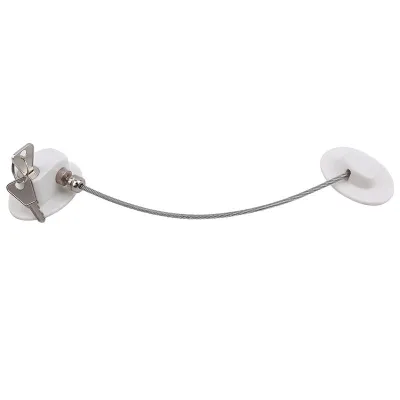
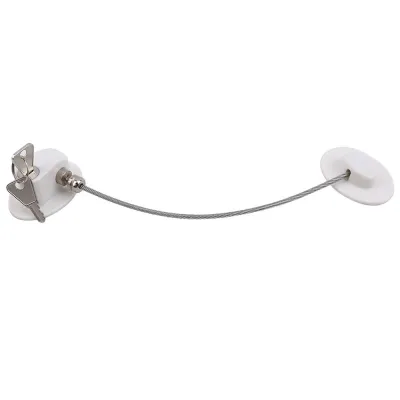
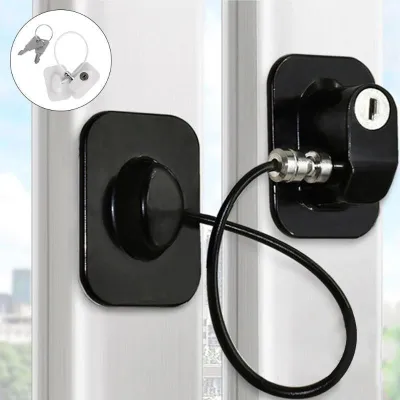
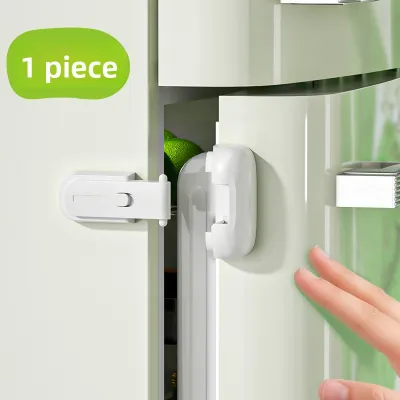
Prices are valid at publication and may change. Please refer to the product page for the latest price.
While a standard kitchen might only have one refrigerator, buying a multi-pack or bundle is rarely wasteful. Most households feature several areas that benefit from identical locking mechanisms. For example, a multi-door refrigerator with a separate freezer drawer or a side-by-side configuration will require at least two locks to be fully secured. Additionally, the same adhesive strap locks used on a fridge door can secure low-lying pantry cabinets, microwave doors, or water dispensers.
Bulk buying also makes practical sense if you plan to share the safety gear. Parents often split the cost of a large bundle with relatives, neighbors, or friends in local parenting groups. Having spare locks on hand is also highly convenient; if an active lock is damaged during heavy daily kitchen use, you can replace it immediately without waiting for a new delivery. However, if you only have a single appliance to secure and no use for extra safety items, buying a single, high-quality lock may be more economical than purchasing an unnecessary bundle.
Essential Safety and Compatibility Checks Before Buying
Before adding a discounted bundle to your cart, prioritize physical compatibility and safety over sheer quantity. A cheap lock is useless if it does not fit your appliance or if your child can easily bypass it. Start by evaluating the locking mechanism against your refrigerator’s surface material and handle design. Refrigerator doors can be made of smooth stainless steel, textured painted metal, or plastic trim, and each material interacts differently with adhesive backings.

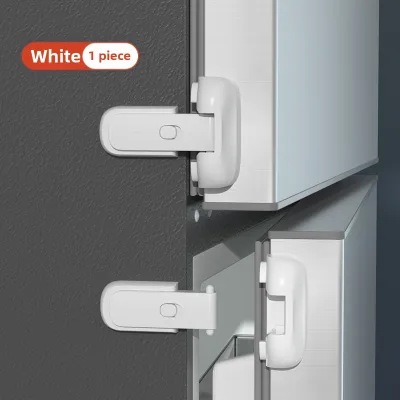
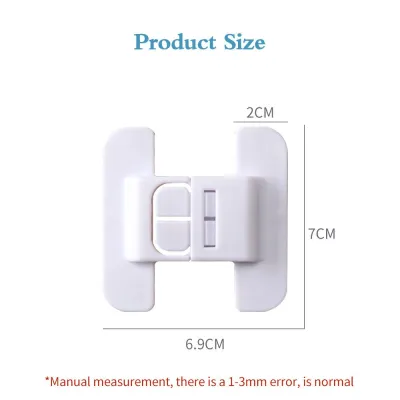
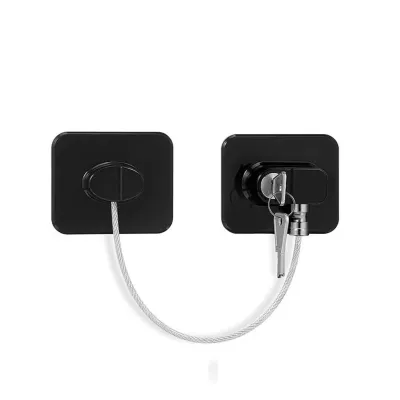
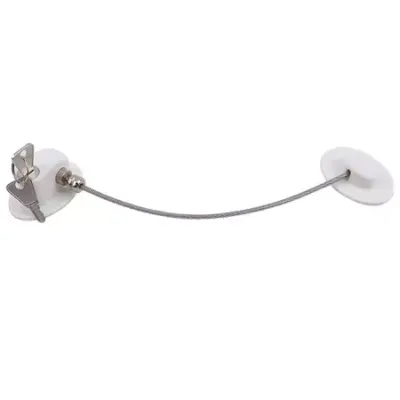
Flexible strap locks are highly versatile because they can bend around corners, making them ideal for securing a door to the side panel of a standard single-door refrigerator. Rigid latch locks, on the other hand, require flat, flush surfaces to align correctly, making them better suited for side-by-side doors. If your refrigerator has deep-set handles or an unusual curved profile, a standard rigid latch might not reach across the gap, rendering the lock ineffective.
Always verify the age and developmental stage suitability indicated on the product packaging or online listing. Some basic push-button locks are easily figured out by toddlers over 24 months old who have developed advanced fine motor skills. Look for locks that feature a double-action release mechanism—such as pressing two buttons simultaneously or sliding a catch while pushing a button. This design ensures the lock remains secure against toddlers while allowing easy, one-handed operation for adults carrying groceries or holding a baby. Remember that safety devices are supportive tools; they do not replace active adult supervision in the kitchen.
How to Spot Genuine Deals and Avoid Pricing Traps
Online marketplaces are filled with promotional banners, but not all “Buy 1 Take 1” deals offer genuine savings. To avoid pricing traps, parents should calculate the cost per individual unit. Compare the total price of the bundle against the price of a single lock from the same or competing brands. It is common for some sellers to double the base price of a single item before applying a “Buy 1 Take 1” tag, resulting in zero actual savings for the consumer.
Watch out for inflated base prices disguised as massive discounts. A seller might list a single refrigerator lock at an unrealistically high price, only to offer a “50% off” bundle that brings the price down to the standard market rate. To protect your budget, search for the average market price of similar lock designs across multiple shops before making a decision. Genuine deals usually offer a clear, measurable discount per unit when compared to buying the items individually.
Additionally, be cautious of extremely cheap bundles that might indicate clearance stock. In warm, humid climates, adhesive backing stored in non-temperature-controlled warehouses for extended periods can dry out or lose its bonding chemistry. If a bundle is priced suspiciously low, check recent customer reviews specifically looking for complaints about weak adhesion or brittle plastic. Buying a slightly more expensive bundle with fresh, high-quality adhesive is more cost-effective than purchasing a cheap set that falls off within a few days.
Calculating the True Cost of Your Fridge Lock Bundle
The checkout price of a bundle is only part of the financial equation. To find the true cost of your purchase, you must factor in shipping fees. On many ecommerce platforms, shipping rates are calculated based on package weight and dimensions. While a single lock might qualify for minimum shipping rates, a larger safety bundle could push the package into a higher weight tier, increasing the shipping cost in ₱. Always compare the final checkout total, including shipping, to ensure the bundle remains a bargain.
Consider the potential cost of replacement adhesive pads. If the initial adhesive fails due to high humidity, surface preparation errors, or a toddler pulling on the door, you will need to reinstall the lock. If the bundle does not include spare adhesive pads, you may have to purchase heavy-duty double-sided acrylic tape separately. Factoring in the cost of high-quality replacement tape beforehand can help you decide if a bundle that includes spare pads offers better long-term value.
Finally, review the return and refund policies for bundled items. Many online platforms do not accept partial returns for defective units within a bundle. If you purchase a “Buy 1 Take 1” pack and find that one of the locks has a broken latch or missing adhesive, you might be required to return both items to get a refund. This can leave your refrigerator unprotected while you wait for the return process to complete. Choosing sellers that offer clear customer support and hassle-free replacement policies for defective parts is always a safer option.
Installation and Maintenance for Lasting Protection
Proper installation is critical to ensure your refrigerator door locks perform effectively. Before applying any adhesive lock, clean the mounting surface thoroughly with rubbing alcohol to remove grease, dust, and kitchen oils. Avoid using household glass cleaners or soapy water, as they can leave a thin residue that prevents the adhesive from bonding securely to the refrigerator surface. Allow the cleaned area to dry completely before proceeding.
Once the surface is dry, peel the protective backing from the adhesive pads and press the lock firmly onto the designated spots. Apply steady pressure for at least 30 seconds to ensure complete contact. Crucially, allow the adhesive to cure for a full 24 hours before attempting to open the lock or allowing children near the appliance. Testing the lock immediately after installation is a common cause of premature adhesive failure.
Establish a regular inspection schedule to check the condition of your locks. Daily kitchen activity, temperature fluctuations, and humidity can gradually weaken plastic parts and adhesive bonds. Once a week, gently tug on the locks to ensure they remain firmly attached, and inspect the plastic hinges for hairline cracks or signs of wear. If a lock shows signs of physical damage, or if your child figures out how to bypass the mechanism, stop using it immediately and replace it to maintain a safe environment.
Frequently Asked Questions (FAQ)
Can I use 'buy 1 take 1' fridge locks on other appliances?
Yes, many flexible strap locks included in these bundles are highly versatile and can be used on washing machines, dryers, microwaves, and trash cans. However, you must verify surface compatibility and temperature limits before installation. Do not install adhesive locks on high-heat surfaces like oven doors, as the heat can melt the plastic or degrade the adhesive, posing a safety hazard. Always check the manufacturer’s instructions for weight limits and surface restrictions.
What should I do if the adhesive on a bundled lock fails?
If the adhesive fails, do not try to reuse the old tape or apply standard household glue, which can damage your appliance’s finish. Carefully remove the remaining adhesive residue from your refrigerator using a plastic scraper, a hair dryer on low heat to soften the bond, or a mild adhesive remover. Clean the surface thoroughly with rubbing alcohol. Once dry, apply a high-quality, heavy-duty double-sided acrylic foam tape recommended by the manufacturer to reinstall the lock securely.
Are strap locks better than latch locks for refrigerators?
Neither style is universally superior; the best choice depends entirely on your refrigerator’s design. Flexible strap locks are ideal for standard single-door refrigerators because they can span the gap from the side of the appliance to the front door. Rigid latch locks are better suited for flat, flush surfaces, such as side-by-side doors or French door models where the two doors meet in the middle. Measure your appliance’s gaps and handle placement to choose the style that fits securely.
Community discussion
Share your experience or ask a question. Comments are reviewed before publication.