
Creating a safe, warm, and functional nursery is one of the most exciting milestones of preparing for a new family member. In the Philippines, wooden nursery furniture remains a timeless choice due to its durability, classic aesthetic, and natural warmth. However, navigating the market for a high-quality kuna for baby wood sale requires balancing attractive discounts with strict safety standards and tropical climate considerations. Making an informed purchase means looking beyond the surface aesthetics of bundled sets to evaluate structural integrity, material safety, and the true cost of ownership.
Setting Budget Priorities for Wooden Nursery Furniture
When shopping for wooden nursery furniture sets, it is easy to get swept up in beautiful, multi-piece bundles displayed on e-commerce platforms. A standard wooden furniture set typically includes a convertible crib (the central sleeping space), a changing table or dresser with a changing topper, and a wardrobe or chest of drawers. Before committing to a complete package, establish a baseline of what your family actually needs immediately versus what is simply a convenient add-on. If your nursery space is limited, a standalone changing table might be redundant if you can safely secure a changing pad onto a sturdy, low chest of drawers instead.
Your budget should prioritize non-negotiable safety features above all else. Structural stability, robust hardware, and certified non-toxic materials are areas where you must never compromise to save a few pesos. A budget-friendly crib is only a true bargain if it provides a completely secure sleeping environment that meets international safety guidelines. Cutting corners on the core sleeping frame can risk structural failure, which poses immediate physical hazards to your infant.
Products mentioned in this guide
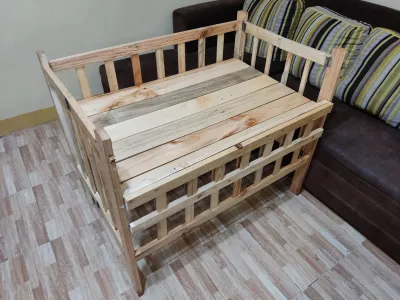
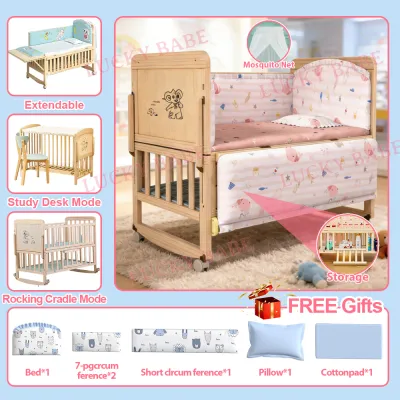

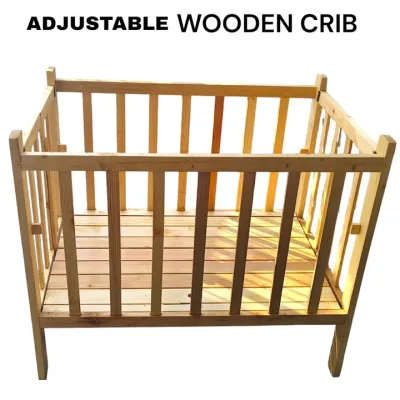
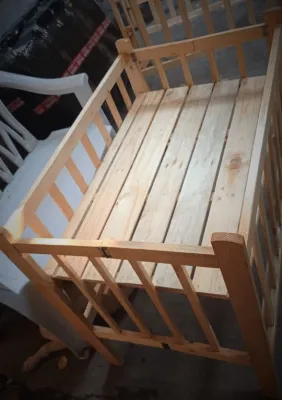
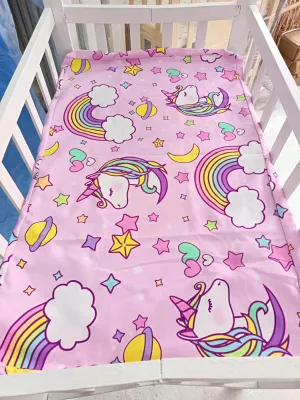

Prices are valid at publication and may change. Please refer to the product page for the latest price.
Fortunately, there are several areas where you can safely compromise to maximize savings during clearance events. Opting for simpler, minimalist designs without intricate hand-carvings or ornate headboards can significantly lower the price without affecting the furniture’s utility. Standard, neutral finishes such as natural wood, white, or gray are usually priced lower than premium custom colors or specialized distressed finishes. Additionally, skipping integrated under-crib storage drawers or choosing a crib without built-in shelving can help keep the initial purchase price within a reasonable range.
If a high-quality, certified safe wooden set exceeds your immediate budget, implement a phased purchasing framework. Focus your initial funds entirely on the primary sleeping and changing setups where your baby will spend the most unsupervised time. Secondary items, such as a matching wooden rocking chair, decorative wall shelves, or a coordinated wardrobe, can easily be delayed. Purchasing these pieces later, or sourcing them during subsequent seasonal sales, ensures you do not compromise on the safety and quality of the core crib.
Evaluating Wood Quality and Safety in Discounted Furniture
Solid Wood vs. Engineered Wood: Understanding the Trade-offs
Understanding the distinction between solid wood and engineered wood is crucial when evaluating discounted furniture. Solid hardwoods like beech, birch, or rubberwood—and even softer solid woods like pine—offer exceptional longevity, high weight capacities, and excellent resistance to wear. These materials can withstand being disassembled and reassembled multiple times, which is essential if you plan to move houses or transition the crib into a toddler bed. Engineered wood, such as Medium-Density Fiberboard (MDF) or particleboard, is lighter and significantly cheaper, making it a common choice for budget-friendly furniture sets. However, engineered wood is more vulnerable to moisture damage and may degrade more quickly at the joint connections over time.

When considering heavily discounted engineered wood furniture, pay close attention to potential chemical emissions. The adhesives and resins used to bind engineered wood fibers can off-gas formaldehyde and other volatile organic compounds (VOCs). Always verify the manufacturer’s product documentation for compliance with recognized low-emission standards, such as CARB Phase 2 or EPA TSCA Title VI. If a discounted item lacks any mention of emission standards or material safety certifications, it is wiser to look for an alternative.
Do not rely solely on marketing descriptions when shopping online. Terms like “wood finish,” “espresso look,” or “oak style” are frequently used to describe paper-wrapped particleboard or laminate surfaces rather than actual wood. Always scroll down to the technical specification sheet or product manual to verify the exact materials used in the frame, slats, and panels before making your decision.
Verifying Non-Toxic Finishes and Secure Hardware
Infants naturally explore their environment with their mouths, especially during the teething phase when they may chew directly on the crib rails. Consequently, the chemical safety of the wood finish is a critical consideration. Look for explicit manufacturer claims or certifications indicating that all paints, stains, and varnishes used on the furniture are lead-free, water-based, and completely non-toxic.
In addition to chemical safety, examine how the furniture is held together. High-quality wooden baby furniture utilizes concealed or deeply recessed hardware to ensure there are no sharp edges or protruding bolt heads that could snag your baby’s clothing or scratch their delicate skin. Avoid sets that rely on flimsy plastic brackets or exposed metal joints that can loosen over time, creating small gaps or presenting choking hazards if a piece falls off.
A strong, pungent chemical odor upon unboxing a newly purchased wooden furniture set is a major warning sign. This odor typically indicates high levels of VOC off-gassing from fresh paints or industrial glues. If you experience this, do not assemble the furniture in a closed nursery. Instead, assemble it in a well-ventilated, unoccupied space, or outdoors on a covered patio, and allow it to air out for at least two weeks. If the strong chemical smell persists, or if it causes eye, nose, or throat irritation, do not use the furniture for your baby and initiate a return with the seller.
Checking Structural Integrity and Crib Slat Spacing
Verifying the physical dimensions of a crib is a vital safety step that you must perform yourself upon delivery. To prevent head entrapment or strangulation, the distance between the crib slats must be no wider than 6 centimeters (approximately 2 and 3/8 inches). You can easily verify this by attempting to pass a standard soda can or a measuring tape between the slats; if the gap is wider than 6 centimeters, the crib is unsafe and should not be used.
Clearance, open-box, or returned items require a meticulous physical inspection during assembly. Carefully run your hands along all wooden surfaces, particularly the inner rails and slats, to check for splinters, rough patches, or cracks in the wood. Check that the legs stand perfectly even on the floor and that all joints are tight and wobble-free. If the wood has warped during storage in a damp warehouse, the pre-drilled holes may not align properly, which can compromise the overall stability of the frame.
If you find that the manufacturer’s weight limits, age recommendations, or assembly instructions are missing, torn, or completely illegible, halt the assembly process immediately. Operating without clear guidelines can lead to incorrect assembly, which is a leading cause of nursery furniture failure. Contact the manufacturer or seller directly to obtain a digital copy of the official manual before placing your child in the furniture.
Spotting a Genuine Kuna for Baby Wood Sale and Calculating True Costs
Online marketplaces and brand stores frequently advertise massive discount campaigns, but smart shoppers must learn to distinguish genuine markdowns from marketing tricks. A common tactic is to artificially inflate the “original” price right before a sale to make the discount appear much larger than it actually is. To protect your budget, track the historical pricing of your preferred wooden furniture sets for several weeks leading up to a major shopping event. Sourcing directly from official brand flagship stores or authorized local distributors often provides more reliable pricing and authentic warranty coverage.
When budgeting for a heavy wooden furniture set, always calculate the total landed cost rather than focusing solely on the discounted item price. Wooden furniture is exceptionally heavy and bulky, meaning shipping fees can be substantial. A discounted crib might look like an incredible deal at ₱6,000, but shipping charges to provinces outside Metro Manila can add several thousand pesos to the final checkout price. Always input your delivery address and verify the final shipping cost at checkout before finalizing your purchase decision.
Furthermore, remember that most wooden crib sets do not come with a mattress, or they only include a thin, low-density foam pad that does not provide safe, firm support for a sleeping infant. You will need to budget separately for a high-quality, firm crib mattress. It is critical to verify the exact interior dimensions of your assembled crib and purchase a mattress that fits perfectly, leaving no gaps wider than two fingers between the mattress edge and the crib frame to prevent suffocation risks. If professional assembly is required and you are not confident in your DIY skills, factor in the cost of hiring a local assembly service to ensure the structural integrity of the set.
Finally, review the seller’s return policies, warranty terms, and missing-parts guarantees before purchasing discounted or clearance items. Many retailers sell clearance or open-box goods under “final sale” or “as-is” terms, which can severely limit your recourse if you open the box to find missing hardware, misaligned panels, or damaged wood. Ensure that the seller provides at least a 7-day replacement or return window for defective items so you are not left with unusable furniture.
Protecting Wooden Furniture in a Humid Tropical Climate
The humid tropical climate of the Philippines presents specific environmental challenges for wooden baby furniture. High relative humidity, combined with rapid temperature fluctuations from air conditioning, causes wood to naturally expand and contract. Over time, this constant movement can cause solid wood to warp or split, and it can cause the joints of engineered wood to weaken or swell. Protecting your investment requires proactive environmental management and proper maintenance.
To clean your wooden nursery furniture safely, establish a low-risk, non-abrasive routine. Dust the surfaces weekly with a dry, soft microfiber cloth to prevent dust and allergen buildup. For deeper cleaning, use a microfiber cloth that is only slightly damp with a mild, baby-safe soap and water solution. Avoid using harsh chemical disinfectants, bleach, furniture polishes, or abrasive scrubbing pads, as these can strip away the non-toxic protective finish and expose the raw wood underneath. Always follow up immediately with a dry, clean microfiber cloth to absorb any lingering moisture; leaving standing water on wooden joints or edges is a primary cause of swelling and finish deterioration.
Proper room placement is key to preventing environmental damage. Position the wooden crib and changing table away from direct sunlight coming through windows, as intense UV rays can dry out the wood, cause fading, and lead to cracking. Avoid placing the furniture directly in the path of cold air blowing from air conditioning units, as rapid temperature shifts can accelerate warping. Additionally, do not push wooden furniture flat against damp concrete walls; leave a gap of at least 5 to 10 centimeters to allow for proper air circulation and prevent moisture from trapping behind the panels.
Make it a habit to perform regular structural inspections. Check the wood for any signs of mold growth, persistent musty odors, or warping that alters the fit of moving parts, such as drawers or convertible rails. If you discover mold, clean it immediately with a diluted vinegar solution and dry the area completely. However, if you notice significant warping that prevents drawers from sliding smoothly, causes the frame to wobble, or compromises the tightness of the hardware, discontinue use of the furniture immediately. In such cases, consult a professional carpenter or contact the manufacturer to evaluate whether the structural integrity has been permanently compromised.
Frequently Asked Questions (FAQ)
Is it safe to buy a second-hand or clearance wooden crib?
Buying a second-hand or clearance wooden crib can offer significant savings, but it introduces notable safety risks. Pre-owned cribs may have hidden structural damage, hairline fractures in the wood, or missing original hardware. More importantly, older models may not comply with modern safety standards, such as the global ban on drop-side cribs, which pose severe entrapment and suffocation risks.
You should only consider a second-hand or clearance crib if you can verify its complete history. Ensure you can locate the original manufacturer’s label containing the model number, manufacturing date, and safety certifications. Check this information against active product recall databases. You must also obtain the original, official assembly instructions and verify that every single screw, bolt, and bracket is present and original. Never substitute missing specialized hardware with generic screws from a local hardware store, as they may not provide the necessary holding power. If you cannot verify these safety elements, do not purchase the crib.
How can I tell if the wood finish is safe for a teething baby?
You cannot determine if a wood finish is safe simply by looking at it or smelling it, as dried paints and sealants can contain harmful chemicals like lead or heavy metals without leaving any visible or aromatic traces. To ensure the finish is safe for a teething baby who might chew on the rails, you must verify the product’s official safety certifications.
Look for documentation stating that the furniture complies with recognized safety standards such as EN71-3 (the European standard for toy safety, which regulates the migration of certain chemical elements) or ASTM F963. If this information is not clearly stated in the product description, contact the manufacturer directly to request written confirmation that the finishes are non-toxic, lead-free, and food-grade. If you cannot obtain clear, verified confirmation from the manufacturer, do not leave the wood exposed. Instead, install a physical barrier such as a food-grade silicone teething rail cover or a secure, wrap-around fabric guard to prevent your baby from coming into direct contact with the finish.
Community discussion
Share your experience or ask a question. Comments are reviewed before publication.