
To keep both curious toddlers and energetic pets safe, a door gate for dogs must do more than simply block an entryway. It must serve as a reliable, dual-purpose barrier capable of withstanding physical force while remaining completely free of hazards for small hands, paws, and mouths. Selecting the right gate requires a careful evaluation of physical dimensions, locking mechanisms, structural stability, and material safety to ensure it protects every member of your household.
In a home shared by children and pets, safety challenges multiply. A dog might try to jump over, chew through, or force its way under a barrier, while a toddler might attempt to climb it, slide their limbs through the slats, or mimic adults trying to open the latch. Balancing these behaviors means looking beyond basic pet store barriers and evaluating gates against rigorous safety benchmarks. By focusing on specific design features and installation methods, you can create a secure environment that minimizes the risk of pinch points, falls, and entrapment.
Assessing Gap Sizes and Entrapment Risks
The spacing between the slats of a door gate for dogs is one of the most critical factors in preventing serious injuries. For households with infants and toddlers, standard child safety guidelines recommend that vertical slats be spaced no more than 2.3 inches (approximately 6 centimeters) apart. This precise spacing prevents a child’s head from slipping through and becoming trapped. When pets are in the mix, especially small dog breeds or puppies, this same spacing prevents them from getting their heads, hips, or limbs stuck between the bars.
Products mentioned in this guide
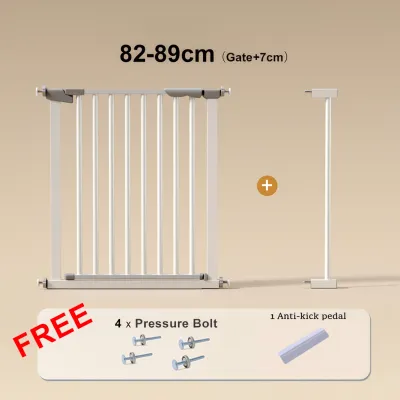

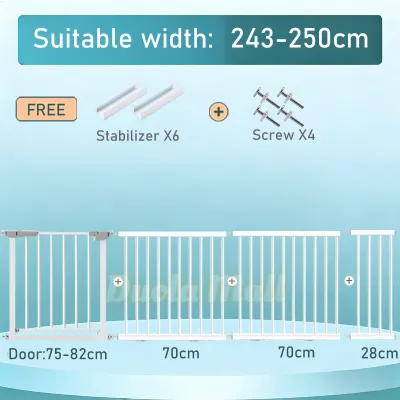
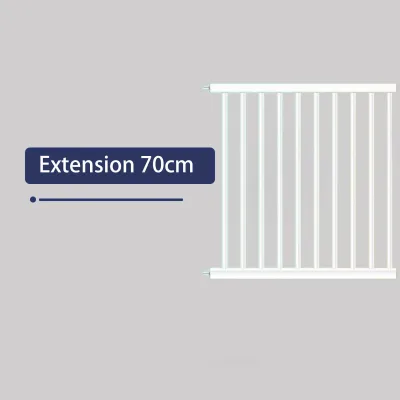
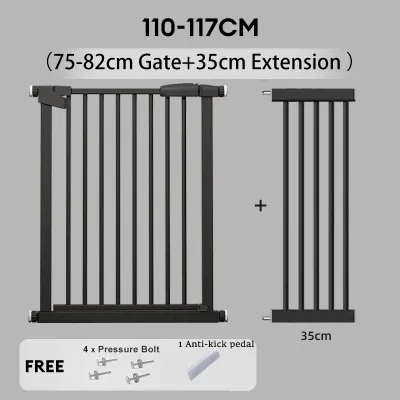
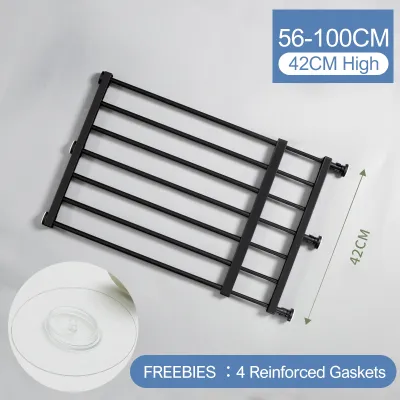
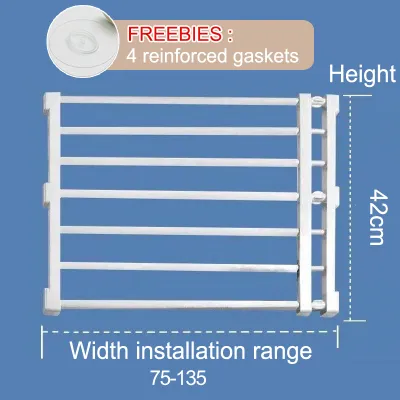
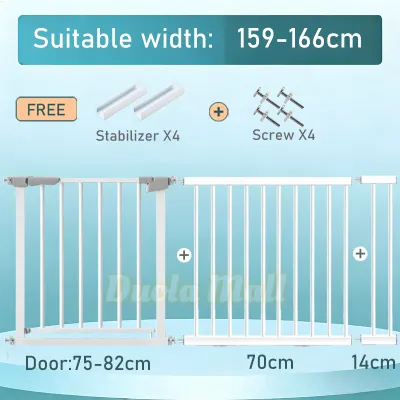
Prices are valid at publication and may change. Please refer to the product page for the latest price.
Beyond the vertical slats, the gap between the bottom of the gate frame and the floor requires close inspection. If this clearance is too wide, a small dog or a crawling baby might attempt to squeeze underneath, leading to neck, back, or limb entrapment. Ideally, the bottom gap should not exceed 2 inches when the gate is fully installed. You must also account for uneven flooring, such as thick rugs or transitions between tiled and wooden floors, which can alter this clearance and create unexpected hazards.
Finally, examine the design of any decorative elements, scrollwork, or mesh patterns on the gate. Intricate patterns can act as footholds for climbing toddlers or trap the claws and paws of active dogs. If you choose a mesh gate, ensure the fabric is tightly woven and highly durable so it does not stretch, sag, or tear when pressured. A sagging mesh can create dangerous pockets where a child’s face or a pet’s snout could become wedged, posing a suffocation risk.
Evaluating Locking Mechanisms and Child-Proof Latches
A secure locking mechanism is the primary line of defense against unauthorized boundary crossings. Simple single-action latches, which require only a single push or pull to open, are easily bypassed by clever toddlers who observe adult behavior, or by persistent dogs that learn to nudge the lever with their noses. To prevent these breaches, prioritize gates equipped with dual-action locking systems. These mechanisms require two distinct, sequential actions to open—such as sliding a safety button while simultaneously lifting the gate handle—making them exceptionally difficult for young children and pets to operate.

In a busy household, gates are frequently left open by accident as family members move between rooms. To mitigate this risk, look for gates featuring auto-close and auto-latch functions. These systems utilize gravity-fed or spring-loaded hinges to automatically swing the gate shut and engage the lock once you pass through. This feature provides peace of mind, ensuring the barrier remains active even when hands are full or when household helpers and guests are moving through the home.
While security is vital, the gate must remain practical for adult use. A latch that is too stiff or poorly designed can lead to frustration, prompting family members to leave the gate propped open. When evaluating a gate, test the physical effort required to operate the latch one-handed. You should be able to smoothly unlock, open, and close the gate while carrying a baby, a laundry basket, or pet supplies in your other hand without compromising your balance.
Checking Structural Stability and Mounting Types
The choice between hardware-mounted and pressure-mounted gates depends heavily on where the gate will be installed and the physical force it must withstand. Hardware-mounted gates are screwed directly into wall studs, door frames, or banisters, offering the highest level of structural integrity. This mounting type is essential for high-risk areas, such as the top of a staircase, or for containing large, heavy dog breeds that might lean or jump against the barrier with significant force.
Pressure-mounted gates, on the other hand, rely on tension exerted against opposite walls or door frames. While they are convenient because they do not require drilling, they are inherently less stable than hardware-mounted options. A heavy dog bumping into a pressure gate, or a toddler pulling themselves up to a standing position on the slats, can dislodge the tension pads and cause the entire structure to collapse. If you use a pressure-mounted gate, limit its use to wide doorways between rooms on a single level, and regularly check the tension to ensure it has not loosened over time.
Before installation, carefully review the manufacturer’s warnings regarding wall materials and structural requirements. Installing a gate on weak drywall without proper anchors can lead to wall damage and eventual gate failure. In tropical climates like the Philippines, where concrete or solid masonry walls are common in residential construction, you must ensure you use the correct masonry drill bits and wall plugs to achieve a secure, flush fit. Additionally, inspect the overall sturdiness of the gate frame and hinges; there should be no noticeable flexing or wobbling when moderate pressure is applied.
Verifying Material Safety and Finish Quality
Because both teething toddlers and curious dogs are prone to exploring their environment with their mouths, the chemical and physical safety of the gate’s materials is paramount. Before purchasing, check product labels and manufacturer documentation for non-toxic, lead-free, and BPA-free declarations. Avoid gates that do not explicitly state their material composition, and verify any safety certifications against official manufacturer databases to ensure they meet recognized international standards for toy and juvenile product safety.
Wooden gates offer a classic aesthetic but require meticulous inspection. The wood must be smoothly sanded with no rough grain, splinters, or sharp edges that could cut delicate skin or paws. The finish—whether paint, varnish, or stain—must be durable and completely non-toxic to withstand pet chewing and baby drooling. Keep in mind that high humidity, typical in tropical regions, can cause wood to swell, warp, or develop mold if not properly sealed. Warping can misalign the locking mechanism, rendering the gate unsafe.
Metal and plastic gates present different maintenance and safety considerations. Metal gates should feature durable, rust-resistant powder coatings to prevent corrosion, especially in humid coastal areas. Inspect all welding seams for sharp burrs or rough spots that could snag clothing or scratch skin. Plastic components must be heavy-duty and UV-resistant to prevent them from becoming brittle and cracking over time. Avoid gates with thin, flimsy plastic parts that could easily snap under pressure or be chewed into sharp fragments by a dog.
Creating a Dual-Purpose Safety Inspection Checklist
To ensure your safety gate remains a reliable barrier, establish a systematic routine for pre-purchase evaluation, post-installation testing, and ongoing maintenance. Before buying, always read the manufacturer’s specifications regarding age, weight, and size limits. Ensure the gate’s height is appropriate for your dog breed; a gate should stand at least 30 inches tall to deter medium-to-large dogs from attempting to jump over, which can lead to dangerous falls or caught limbs.
Once the gate is installed, perform a rigorous physical test before allowing children or pets near it. Grasp the top frame and shake it firmly to simulate a dog jumping up or a toddler pulling on the bars. The gate should remain firmly anchored without shifting or slipping. Open and close the latch at least ten times consecutively to verify that the locking mechanism engages smoothly and securely every single time. Observe your pet and child from a safe distance during their first few interactions with the gate to identify any unforeseen hazards, such as a dog trying to squeeze its nose through a corner gap.
Finally, define clear stop-use conditions to prevent accidents caused by wear and tear. Inspect the gate weekly for loose hardware, stripped screws, cracked plastic joints, or warped wood. If the auto-close feature fails, the latch becomes misaligned, or any part of the structural frame is compromised, discontinue use immediately. Do not attempt temporary fixes with tape or wire; instead, consult the manufacturer’s manual for approved replacement parts or replace the gate entirely to maintain a secure home environment.
Frequently Asked Questions (FAQ)
Can I use a pressure-mounted gate at the top of the stairs?
No, you should never use a pressure-mounted gate at the top of a staircase. Pressure-mounted gates rely solely on tension to stay in place, meaning a sudden impact from a running dog or a toddler leaning their full weight against the barrier can easily dislodge it, resulting in a catastrophic fall. Safety standards and manufacturers strictly mandate the use of hardware-mounted gates, which are screwed directly into the wall studs or banisters, for all top-of-stairs installations to ensure absolute structural stability.
How do I stop my dog from chewing on a wooden door gate?
To deter your dog from chewing on a wooden gate, start by providing safe, appealing alternative chew toys nearby to redirect their natural chewing instincts. You can also apply a pet-safe, non-toxic bitter deterrent spray directly to the areas of the gate your dog targets, making sure to check the manufacturer’s guidelines first to ensure the spray will not damage the wood’s finish. Regularly inspect the gate for any structural damage caused by chewing, as deep gouges can weaken the wood and create dangerous splinters.
At what age or height can a child safely open the gate themselves?
There is no universal age or height at which a child can safely operate a safety gate, as developmental milestones, physical strength, and problem-solving skills vary widely. Generally, safety gates are designed and tested for children up to 24 months of age. Once a child’s chin reaches the top of the gate, or once they demonstrate the cognitive and physical ability to manipulate the dual-action latch or climb over the barrier, the gate should be removed or transitioned to adult-only operation to prevent climbing injuries.
Community discussion
Share your experience or ask a question. Comments are reviewed before publication.