
To ensure a seat cover for a baby high chair fits properly and safely, the cover must match the high chair’s exact harness configuration, sit completely flat and taut against the seat frame, and never block or distort the safety straps. A poorly fitted cover can slip during mealtime, bunch up under your child, or interfere with the harness system, creating serious safety hazards. Mealtime is a central part of your baby’s development, but it also requires absolute vigilance when it comes to seating security.
Choosing the right seat cover for baby high chair models involves balancing comfort, cleanliness, and safety. In a warm and humid tropical climate like the Philippines, a seat cover also serves as a protective layer against sweat and spills, preventing the high chair frame from becoming sticky or unhygienic. However, adding any third-party accessory to your baby’s high chair introduces variables that must be carefully managed to maintain the chair’s structural safety integrity.
Verify High Chair and Seat Cover Compatibility
Before purchasing or installing a seat cover for baby high chair use, you must verify that the accessory is fully compatible with your specific high chair model. High chairs are engineered as complete safety systems, and adding unapproved materials can compromise their stability or harness function.
Products mentioned in this guide

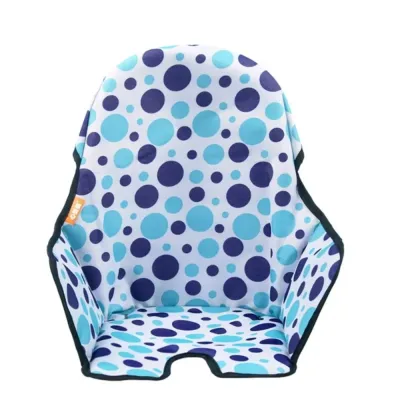
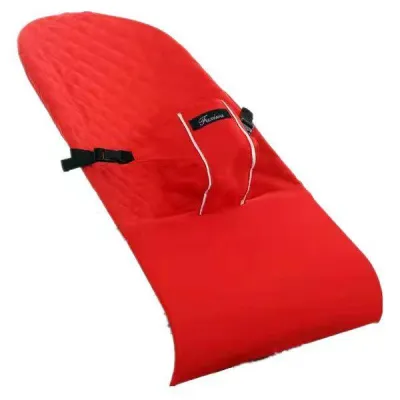
Prices are valid at publication and may change. Please refer to the product page for the latest price.
Start by consulting your high chair manufacturer’s official guidelines. Many popular brands produce model-specific replacement covers or publish lists of authorized third-party accessories. If your manufacturer does not offer a direct replacement, or if you are looking at universal covers, you must proceed with extreme caution.
To evaluate a universal cover, take precise measurements of your high chair seat. Measure the width of the seat pan, the depth from the backrest to the front edge, and the total height of the backrest. A cover that is too small will pull tight across the corners, creating gaps underneath where your baby’s limbs could get pinched or trapped. Conversely, a cover that is too large will drape loosely, creating excess fabric that can bunch up, slide around, or drape over the sides where a child can grab and pull it.
The most critical compatibility factor is the harness configuration. High chairs typically feature either a 3-point harness (waist and crotch straps) or a 5-point harness (shoulder, waist, and crotch straps). Inspect the seat cover to ensure it has factory-reinforced slots that align perfectly with your high chair’s strap positions. The straps must be able to pass through the cover in a straight, unobstructed line from their anchor points on the chair frame to the buckle.
Never use makeshift covers such as loose blankets, folded towels, or unapproved household cushions. While it may be tempting to drape a soft towel over a plastic seat to absorb sweat on hot afternoons, these loose items can easily slip under your baby’s weight. This sliding motion can cause your baby to slump, slide downward, or become trapped beneath the tray or harness, posing a severe risk of suffocation or injury.
Step-by-Step Installation Guide
Installing your seat cover for baby high chair models requires a methodical approach to ensure that the safety harness remains fully functional and the fabric is secured tightly. Follow these steps carefully to achieve a secure fit.

First, prepare the high chair. Remove any existing seat pads and clean the plastic or wooden frame thoroughly with a mild, baby-safe soap and water. In humid environments, food crumbs, spilled milk, or purees trapped beneath a seat cover can quickly become breeding grounds for mold, mildew, and ants. Ensure the frame is completely dry before proceeding. Fully extend all harness straps, untangle them, and wipe away any dried food debris from the plastic buckles and adjustment slides.
Second, position the cover. Align the backrest and seat pan of the cover precisely with the contours of the high chair frame. Press the fabric firmly into the crease where the backrest meets the seat. Ensure that the fabric does not block any structural edges, folding mechanisms, or tray attachment points. The cover should sit flat against the surface of the chair without lifting off the seat pan.
Third, route the harness. Carefully thread the shoulder, waist, and crotch straps through the designated, factory-reinforced slots in the cover. Take your time to ensure that the straps are not twisted or folded inside the slots. The straps must emerge fully from the slots so that the adjustment buckles remain easily accessible on the front side of the cover. Ensure that no excess fabric is bunched up inside or around the central buckle, as this can prevent the harness from latching securely.
Fourth, secure the cover. Fasten all built-in ties, elastic bands, or hook-and-loop straps underneath or behind the high chair seat. Pull these fasteners tight to eliminate any slack in the fabric. Make sure all ties are knotted securely and that any excess strap length is tucked away, completely out of your baby’s reach. Loose hanging cords or ties beneath the seat can attract curious toddlers or pets, creating a pulling hazard that could destabilize the chair.
Never force straps through un-reinforced fabric or attempt to cut new holes in a seat cover to accommodate your harness. Cutting the fabric destroys its structural integrity, causing it to tear further under the tension of daily use. More importantly, it compromises the harness’s safety geometry, which is designed to hold your baby securely in the event of sudden movement or slips.
Perform Post-Installation Safety Checks
Once the seat cover is installed, you must perform a series of rigorous safety checks before placing your baby in the high chair. These checks help identify hidden hazards that could lead to slipping, entrapment, or harness failure.
Begin with the tautness test. Grab the fabric in the center of the seat pan and the backrest and pull upward. The cover should remain firmly in place and should not pull away easily. If you can lift the fabric more than an inch or two, it is too loose. Loose fabric can bunch up under your baby’s body, slide forward as they move, or, in worst-case scenarios, rise up to cover their face or mouth.
Next, verify the harness fit. Place your baby in the high chair and fasten the harness completely. The straps must lie flat and smooth against your baby’s body without any interference from the seat cover’s fabric or padded edges. Adjust the straps so they are snug. You should not be able to pinch any excess strap material vertically at your baby’s collarbone. The crotch strap must sit low and snug against the hips, preventing your baby from sliding forward or down.
Conduct a thorough choking and entrapment audit. Inspect the entire installed cover for loose threads, fraying seams, detached decorative buttons, or long ties. In a busy household, even a small loose thread can wrap around a baby’s tiny fingers or toes, causing a painful tourniquet effect. Ensure that no part of the cover can be easily chewed on or pulled off by a curious infant.
Establish a strict stop condition for using the cover. If you notice the cover shifting or sliding during a meal, if it blocks the crotch strap from sitting low on the hips, or if it prevents the harness buckles from clicking together with a clear, audible sound, remove the cover immediately. Do not attempt to adjust or compromise; revert to using the high chair without the cover until you can consult the manufacturer or find a properly fitting alternative.
Cleaning and Maintenance for Long-Term Safety
Maintaining your seat cover is just as important as installing it correctly, as fabric wear and tear can gradually introduce new safety risks. Always follow the manufacturer’s care label instructions strictly to clean the cover.
Washing the cover in hot water or drying it on high heat can cause the fabric to shrink. Even minor shrinkage can alter the alignment of the harness slots, pulling the straps out of their correct safety positions and making the cover difficult to install tightly. If the cover has waterproof coatings or elastic components, high heat can degrade these materials, causing the elastic to stretch out and lose its grip on the high chair frame.
After every wash, inspect the strap holes and seams for any signs of fraying, stretching, or tearing. The reinforced stitching around the harness slots is critical for keeping the straps in place. If you notice the fabric beginning to tear or the stitching coming undone, discard the cover immediately. A torn harness slot can allow the safety straps to slip out of alignment, rendering the harness ineffective.
Frequently Asked Questions (FAQ)
Can I use a universal seat cover on any high chair?
Universal covers are only safe if the harness slots align perfectly with your specific high chair’s strap positions and the fabric can be secured completely taut. If the slots do not match, or if the cover slips or bunches during use, it is unsafe and should not be used.
Is it safe to add extra padding under the seat cover?
No, adding unauthorized padding under the seat cover is unsafe. Extra padding can compress during use, leaving the harness straps too loose and significantly increasing the risk of your baby sliding out or becoming trapped. Only use padding that has been explicitly approved and tested by your high chair’s manufacturer.
Community discussion
Share your experience or ask a question. Comments are reviewed before publication.