
During pregnancy, your body undergoes remarkable physical transformations to support your growing baby. One of the most common yet frequently overlooked areas of change is your feet. The combination of carrying extra weight and the hormonal release of relaxin—which loosens ligaments to prepare the pelvis for birth—can cause your feet to flatten, widen, or spread. Many new mothers find that their pre-pregnancy shoes no longer fit comfortably, or they experience persistent arch pain and swelling long after delivery.
Engaging in targeted feet exercise at home is an excellent, budget-friendly way to address these postpartum changes. Because these movements require absolutely no specialized equipment, you can easily perform them in the comfort of your living room or bedroom. Rebuilding the strength, flexibility, and alignment of your feet not only relieves localized discomfort but also establishes a stable foundation for your knees, hips, and lower back as you transition back into daily physical activities.
Taking a proactive approach to your foot health during the postpartum period helps restore your natural gait and improves overall circulation. In tropical climates where heat and humidity can exacerbate fluid retention, simple foot movements offer a natural way to encourage fluid drainage. By dedicating a few minutes each day to these gentle exercises, you can support your body’s recovery journey safely, effectively, and without any added financial burden.
Products mentioned in this guide
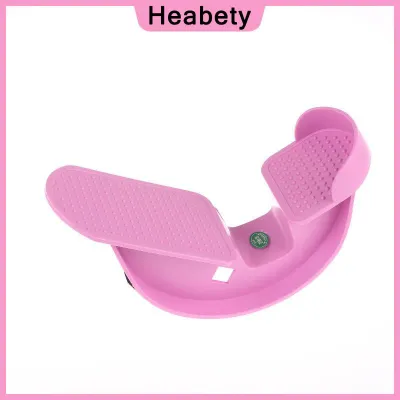
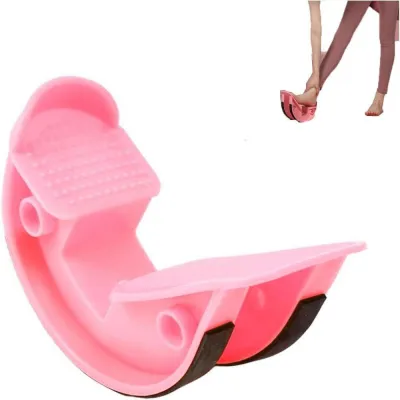
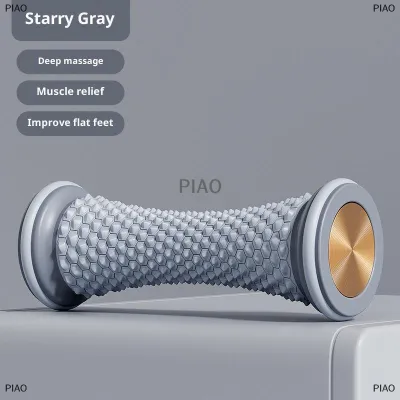
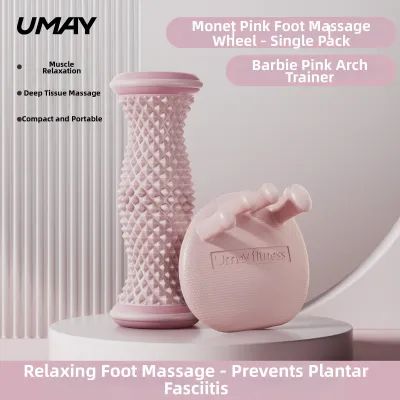
![[COD] WHPHous Ship within 24 hours Plantar Fasciitis Ball Muscle Relaxation Foot Massage Roller Meridian Stimulator Tool Yoga Massage Ball Muscle Relax Care](https://img.lazcdn.com/g/p/4fea87ad05204dc22519e4b40ee8312f.jpg_400x400q80.jpg_.webp)
Prices are valid at publication and may change. Please refer to the product page for the latest price.
When to Start and Safety Precautions for Postpartum Foot Exercises
Beginning any postpartum physical activity requires a careful assessment of your body’s readiness and clear communication with your healthcare team. For an uncomplicated vaginal delivery, gentle extremity movements like ankle pumps can often be initiated within the first few days postpartum. These low-impact movements do not strain the pelvic floor or abdominal muscles, making them an ideal starting point for restoring circulation.
If you experienced a cesarean delivery, your timeline will naturally look different. While gentle foot and ankle movements generally do not engage your core or put pressure on your incision, you must wait until you can sit or lie down comfortably without pain before attempting them. In all cases, obtaining explicit clearance from your obstetrician or healthcare provider at your postpartum checkup is a critical first step before starting any structured recovery routine.
As you begin practicing these exercises at home, listen closely to your body’s signals. Postpartum recovery is not linear, and your energy levels will fluctuate. If you experience any sudden red flags, such as increased vaginal bleeding, sharp localized pain, severe swelling, dizziness, or unusual fatigue, stop the exercises immediately and rest.
In warm, tropical environments, managing postpartum swelling requires extra mindfulness. High humidity and heat can cause blood vessels to dilate, increasing fluid accumulation in your lower limbs. Perform your exercises in a cool, well-ventilated room, stay hydrated by drinking clean water, and avoid overexerting yourself during the warmest hours of the afternoon.
Step-by-Step No-Equipment Foot Exercises for Postpartum Recovery
Restoring the strength and flexibility of your feet does not require expensive resistance bands, rollers, or gym memberships. The following sequence of equipment-free exercises is designed specifically for postpartum mothers to perform safely while seated or lying down. These movements focus on improving blood flow, reducing mild fluid retention, and gently re-engaging the small muscles of the feet that may have become inactive during pregnancy.

Ankle Pumps and Circles
Ankle pumps are highly effective for promoting venous return, which helps pump pooled blood and fluid from your lower legs back toward your heart. To perform ankle pumps, lie flat on your back or sit comfortably in a supportive chair with your legs extended forward. Slowly point your toes away from your body as far as comfortable, holding the stretch for a few seconds, then pull your toes back toward your shins. Repeat this slow, rocking motion ten to fifteen times.
Once you complete the pumps, transition directly into ankle circles to improve joint mobility. Keep your legs extended and slowly rotate your ankles in a clockwise direction, drawing the largest circle you can manage with your big toes. After ten rotations, reverse the direction and perform ten counter-clockwise circles. Keep the movement slow and controlled, focusing on the sensation of the joint loosening.
Toe Curls and Spreads
Pregnancy hormones and weight changes can cause the muscles in the arches of your feet to weaken, leading to a flatter foot profile. Toe curls and spreads help re-activate these intrinsic foot muscles, restoring the natural arch support of your feet. Sit comfortably in a chair with your feet resting flat on a clean, non-slip floor.
To perform toe curls, curl your toes tightly inward as if gripping a small object, squeezing the muscles in the sole of your foot, and hold this contraction for three to five seconds before releasing. Next, perform toe spreads by lifting your toes slightly off the floor and fanning them out as wide as possible. Hold the spread for three seconds, then relax your feet back to the floor. Repeat this sequence ten times for each foot.
Seated Heel and Toe Raises
Heel and toe raises are excellent for rebuilding strength in your calves and shins without placing the full burden of your body weight on your recovering joints. Sit upright in a sturdy chair with your knees bent at a ninety-degree angle and your feet flat on the floor, spaced about hip-width apart.
Begin by lifting both heels off the ground as high as possible, pressing firmly through the balls of your feet and engaging your calf muscles. Hold the lift for two seconds, then slowly lower your heels back to the floor. Immediately follow this by lifting your toes and the front of your feet off the ground, keeping your heels firmly planted. Alternate between heel raises and toe raises for twelve to fifteen repetitions, maintaining a steady, controlled rhythm.
Seated Calf Stretches
Tight calf muscles are a common postpartum complaint, often caused by shifts in your center of gravity during pregnancy and the frequent use of flat, unsupportive footwear. Stretching the calves relieves tension in the lower leg and reduces the strain placed on your plantar fascia.
To perform a safe seated calf stretch, sit near the edge of your chair and extend one leg straight out in front of you, resting your heel on the floor with your toes pointing upward. Gently lean forward from your hips, keeping your spine straight and avoiding any deep bending that might compress your abdomen or strain your postpartum core. If you need extra reach, you can loop a clean household towel around the ball of your foot, gently pulling the ends of the towel toward you to deepen the stretch. Hold the stretch for twenty to thirty seconds, breathe deeply, and then switch to the other leg.
How to Build a Daily Routine and Track Your Progress
Integrating a new exercise routine into your life as a postpartum mother can feel challenging when your schedule is dominated by baby care. The key to success is consistency rather than duration. Instead of trying to carve out a single, long block of time, perform these short exercises in brief increments throughout the day when you are already seated or resting.
A practical approach is to pair your foot exercises with existing daily habits. You can perform ankle pumps and toe curls while nursing or bottle-feeding your baby, or do a few heel raises while sitting at the dining table. These small, frequent sessions keep your blood circulating regularly and prevent stiffness from prolonged sitting.
When starting out, perform these exercises once or twice a day, completing one set of the recommended repetitions. As your energy levels improve, you can gradually increase to two or three sets per session. Always prioritize how your body feels over a strict number of repetitions; if you feel fatigued, reduce the intensity or take a rest day.
Tracking your progress involves observing subtle, positive changes in your daily comfort. Over several weeks of consistent practice, you may notice that end-of-day ankle swelling is less pronounced, or that your feet feel less stiff in the morning. Improved foot mobility, a more stable stride, and reduced calf tension are excellent indicators of recovery.
When to Stop and Seek Professional Help
While gentle home exercises are highly beneficial, it is crucial to recognize when home care is no longer sufficient and professional medical intervention is required. The postpartum period carries an increased risk of vascular complications, and certain symptoms demand immediate evaluation by a healthcare professional.
If you observe unilateral swelling—meaning one leg, ankle, or foot is significantly more swollen than the other—accompanied by redness, warmth, or localized tenderness in your calf, stop all exercises immediately. These are classic warning signs of deep vein thrombosis, a serious blood clot condition that requires urgent medical attention. Similarly, if you experience sudden shortness of breath, chest pain, or severe dizziness, seek emergency medical care right away.
Consult a professional if you experience persistent, localized pain that does not improve with rest and gentle stretching. Conditions such as severe arch pain, sharp heel pain when taking your first steps in the morning, or persistent joint instability may indicate postpartum plantar fasciitis or ligament strain. A physical therapist specializing in postpartum recovery can provide a targeted assessment and design a customized rehabilitation plan.
Always remember that postpartum recovery is a highly individual journey. If you experience an increase in overall fatigue, pelvic floor pressure, or general physical discomfort, view it as a signal from your body to scale back. Pause your routine, focus on rest and hydration, and consult your healthcare provider to ensure your recovery is progressing safely.
Frequently Asked Questions (FAQ)
Can I do these foot exercises if I had a cesarean section?
Yes, you can generally perform these gentle foot and ankle exercises after a cesarean section, provided you have received clearance from your doctor. Because these movements are performed while seated or lying down, they focus entirely on your lower extremities and do not engage your abdominal muscles or put strain on your surgical incision. They are actually highly beneficial after a C-section, as they help stimulate blood flow and reduce the risk of blood clots during the initial weeks when your overall mobility may be limited. Always start slowly and stop immediately if you feel any pulling or discomfort near your incision site.
Will foot exercises help with postpartum edema in the legs?
Yes, gentle foot and ankle exercises are highly effective at reducing mild postpartum edema. When you perform movements like ankle pumps and heel raises, the contraction of your calf muscles acts as a natural pump, helping to push excess fluid out of your lower limbs and back into your circulatory system for elimination. However, while these exercises support fluid drainage, they are not a substitute for medical treatment if your swelling is severe, painful, or accompanied by high blood pressure. If your edema does not improve with gentle movement and elevation, or if it is accompanied by sudden swelling in your hands or face, consult your healthcare provider promptly.

Community discussion
Share your experience or ask a question. Comments are reviewed before publication.