
Properly disposing of dirty nappies is a fundamental yet often overlooked aspect of infant care that directly impacts your baby’s skin health and the overall hygiene of your home. In tropical climates like the Philippines, where high humidity and warm temperatures accelerate bacterial growth and odor production, establishing a systematic disposal routine is essential. By utilizing a dedicated nappy trash bag and maintaining a clean changing station, parents can significantly reduce the spread of airborne bacteria, minimize unpleasant odors, and protect their baby’s delicate skin from irritants that contribute to diaper rash.
Why Proper Nappy Disposal Matters for Baby's Skin and Nursery Hygiene
The air quality and cleanliness of your nursery are closely tied to how you handle waste. When a soiled nappy sits in an open or poorly sealed container, it becomes a breeding ground for bacteria. As these microorganisms break down organic waste, they release volatile organic compounds and ammonia gas. In a closed room, especially one cooled by air conditioning or kept humid by tropical weather, these gases can quickly accumulate, creating an unpleasant environment and settling on nearby surfaces.
Ammonia is highly alkaline and acts as a potent skin irritant. If your baby is repeatedly exposed to an environment with lingering ammonia vapors, or if the changing mat itself becomes contaminated with microscopic waste particles, the risk of developing diaper rash increases. Diaper rash occurs when the skin’s natural barrier is compromised by moisture, friction, and chemical irritants. A hygienic disposal routine acts as a primary line of defense, ensuring that once a nappy is removed, all associated pathogens and chemical irritants are immediately isolated and contained, preventing them from recirculating into the nursery air or settling back onto your baby’s skin.
Products mentioned in this guide
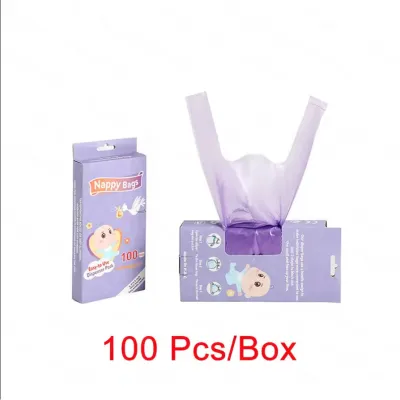
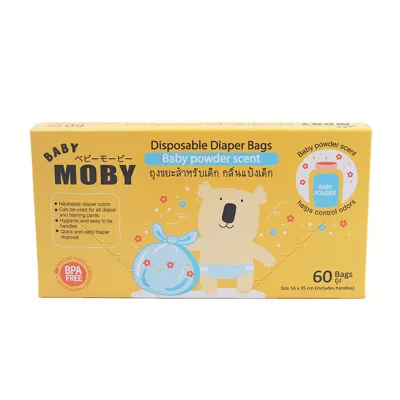
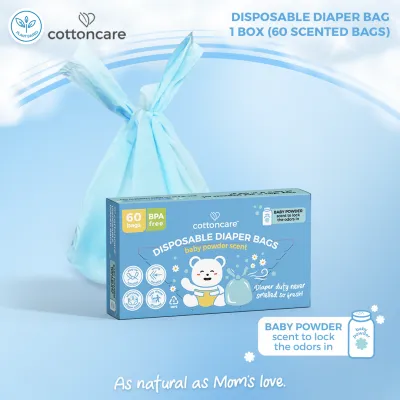
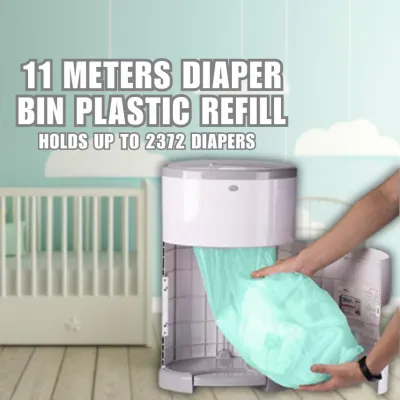
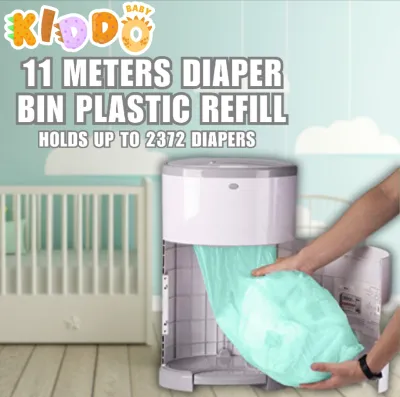
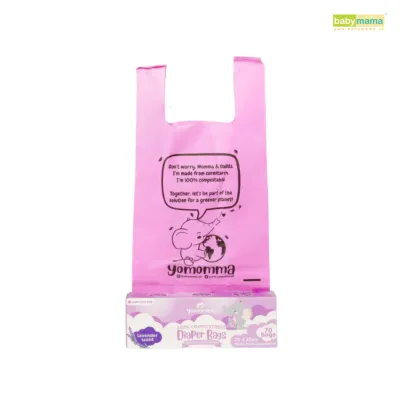
![[Local Shipment]Bady Diaper Refill Bags Diaper Garbage Bags For 16L Trash Bucket Replacement Liners Garbage Bag](https://img.lazcdn.com/g/p/9be6324cd4cf29df42563b7979f8b30b.jpg_400x400q80.jpg_.webp)
Prices are valid at publication and may change. Please refer to the product page for the latest price.
Choosing the Right Nappy Trash Bag or Disposal System
Selecting the appropriate containment system is key to managing both odor and bacterial spread. Parents generally choose between standard household trash bags and specialized nappy trash bags or disposal systems. Standard trash bags, while readily available, are often made of thin, single-layer polyethylene that allows gas molecules to permeate over time. This means that even if the bag is tied tightly, odors and moisture can still escape into the room, particularly during hot, humid afternoons.

Specialized nappy trash bags are typically engineered with multi-layer barrier films designed specifically to trap highly volatile odor molecules and moisture. Many of these bags feature built-in sealing mechanisms, such as twist-and-lock designs or fragrance-infused materials that neutralize odors rather than just masking them. When evaluating your options, check the manufacturer labels for specific material details, such as high-density polyethylene (HDPE) or multi-layer oxygen-barrier plastics, which offer superior containment.
Your choice should also align with your baby’s age and daily nappy usage. Newborns can easily go through ten to twelve nappies a day, requiring a system with a higher capacity or a more frequent emptying schedule. As babies grow, their dietary changes result in more solid waste and stronger odors, making advanced sealing mechanisms even more critical. Assess your household’s waste management routine and select a bag size that allows you to empty the bin at least once a day to prevent prolonged bacterial incubation inside your home.
Step-by-Step Guide to Disposing of Dirty Nappies Safely
Establishing a seamless, step-by-step workflow for nappy changes minimizes the time waste is exposed to the open air and reduces the risk of cross-contamination. The key to a successful routine is preparation and continuous supervision. You must never leave your baby unattended on an elevated changing surface, even for a split second to reach for a trash bag or discard a soiled nappy.
Preparing the Changing Station
Before placing your baby on the changing mat, gather all necessary supplies and arrange them within arm’s reach. This includes a clean nappy, gentle baby wipes, a clean washcloth, any prescribed barrier creams or moisturizers, and a fresh nappy trash bag. If you use a specialized diaper pail, ensure it is unlocked and ready to receive the waste. Having everything prepared beforehand allows you to keep one hand on your baby at all times, ensuring their safety while keeping the process efficient and hygienic. Check that the changing surface is dry and free of any residue from previous changes before laying your baby down.
Wrapping and Sealing the Soiled Nappy
Once you have cleaned your baby and applied any necessary skin protectants, focus on containing the dirty nappy. Carefully roll the nappy inward from the front to the back, keeping all solid waste and moisture trapped inside the waterproof outer shell. Use the adhesive tabs on the sides of the disposable nappy to wrap tightly around the rolled bundle, securing it into a compact, self-contained ball. If you are using a cloth nappy system, place the soiled insert and cover into a wet bag designed for laundry storage. For disposable nappies, if you do not have a specialized disposal bin nearby, place the wrapped nappy directly into an individual nappy trash bag and tie a secure knot to seal in the contents immediately, preventing any leakage onto the changing mat or your hands.
Managing the Nappy Trash Bag
Gently deposit the wrapped nappy into your designated nappy trash bag or disposal bin. Avoid forcing or stuffing the nappy into an already full bag, as this pressure can rupture the seals of previously discarded nappies, releasing trapped odors and bacteria. If you are using a specialized bin, activate the sealing or twisting mechanism according to the manufacturer’s instructions to isolate the waste. Establish a strict daily schedule for emptying the main nappy bin. In warm, tropical climates, leaving soiled nappies indoors for more than twenty-four hours can lead to rapid bacterial multiplication and severe odor issues, so taking the bag to an outdoor waste receptacle daily is highly recommended.
Maintaining a Hygienic Changing Area After Disposal
The disposal process does not end when the nappy is in the bin; maintaining the cleanliness of the surrounding environment is equally vital. After every single nappy change, wipe down the changing mat thoroughly using a baby-safe disinfectant or a mild soap-and-water solution. Pay close attention to any seams or crevices where moisture or tiny waste particles could hide. Allow the surface to air dry completely before the next use, as residual moisture can encourage mold growth in humid conditions.
The disposal bin itself requires regular maintenance to prevent it from becoming a permanent source of odor. At least once a week, empty the bin completely and wash both the interior and exterior with warm, soapy water or a diluted disinfectant solution. Ensure the bin is entirely dry before inserting a new nappy trash bag, as trapping moisture inside a closed plastic bin creates an ideal environment for mildew. Finally, always practice thorough hand hygiene. Wash your hands with soap and running water for at least twenty seconds immediately after completing the disposal process, even if you believe your hands did not directly touch any waste.
Common Nappy Disposal Mistakes and How to Avoid Them
One of the most common mistakes parents make is overfilling the nappy trash bag to save on bag usage. Overfilled bags are highly prone to tearing, which can spill contaminated waste and expose your hands and the nursery floor to harmful bacteria. To avoid this, change the bag when it reaches about three-quarters of its capacity.
Another frequent error is relying on standard, thin grocery bags for nappy disposal. These bags often have micro-perforations or thin walls that fail to contain moisture and odors, leading to a smelly nursery and increased bacterial dispersion. Investing in dedicated, multi-layer nappy trash bags is a much more effective way to maintain a hygienic space.
Lastly, many caregivers neglect to clean the disposal bin itself, assuming that because the nappies are bagged, the bin remains clean. Over time, plastic can absorb odors, and condensation inside the bin can harbor bacteria. Regular deep-cleaning of the bin is essential to keep the nursery smelling fresh and to protect your baby’s sensitive skin from airborne irritants.
Frequently Asked Questions (FAQ)
Is it safe to flush any type of nappy down the toilet?
No, you should never flush any type of disposable nappy, cloth nappy insert, or standard baby wipe down the toilet. These products are designed to absorb moisture and expand, meaning they will swell significantly when exposed to water in your plumbing system, leading to severe blockages and potential sewage backups. Even products labeled as flushable or biodegradable often do not break down quickly enough to pass safely through residential plumbing or municipal waste systems. Always check the product packaging for specific disposal instructions and discard these items in your regular household waste or a dedicated nappy trash bag.
How can I tell if the disposal bin itself is causing diaper rash?
If your baby is experiencing persistent diaper rash despite frequent changes and the use of barrier creams, a contaminated disposal bin could be a contributing factor. Look for observable signs such as a lingering, sour odor in the nursery even when the bin is empty, visible residue or mold growth inside the bin, or a noticeable increase in flies or gnats around the changing area. These signs indicate that bacteria and ammonia vapors are escaping into the room and settling on the changing mat or clean nappies. If you notice these issues, immediately stop using the current bin setup, perform a deep-clean with a strong disinfectant, or replace the bin and transition to high-barrier nappy trash bags to restore a hygienic environment.
Community discussion
Share your experience or ask a question. Comments are reviewed before publication.