
Correctly positioning your baby in a baby hipseat carrier is essential for ensuring their safety, supporting their physical development, and keeping you comfortable during long walks or daily chores. Unlike traditional soft-structured carriers, a hipseat carrier features a firm, built-in shelf that supports the baby’s weight from underneath. This design is highly popular in warm, tropical climates like the Philippines because it reduces the amount of fabric wrapped around both parent and child, allowing for better airflow and less sweat buildup. However, because the seat is rigid, achieving the correct posture and securing the safety straps properly is vital to prevent your baby from slumping, sliding, or experiencing hip strain.
Using a hipseat carrier incorrectly can lead to physical discomfort for both you and your little one. For the caregiver, an improperly adjusted carrier can cause severe lower back, shoulder, and neck strain. For the baby, incorrect positioning can compromise their airway or put undue pressure on their developing hip joints and spine. By mastering the proper setup, adjustment, and safety checks, you can confidently enjoy the convenience of hands-free carrying while keeping your baby secure and content.
Pre-Use Checks: Is Your Baby Ready for a Hipseat Carrier?
Before you even put your baby in the carrier, you must verify that they are developmentally ready. Read the manufacturer’s label carefully to check the minimum weight and age requirements. Most standard hipseat carriers are designed for babies who are at least four to six months old and have achieved strong, independent head and neck control. If your baby cannot hold their head up steadily or sit up with minimal support, using a rigid hipseat can put dangerous pressure on their developing spine.
Products mentioned in this guide
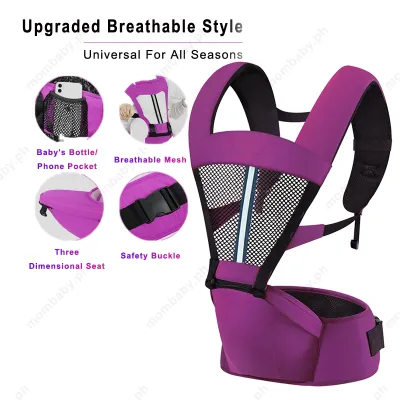
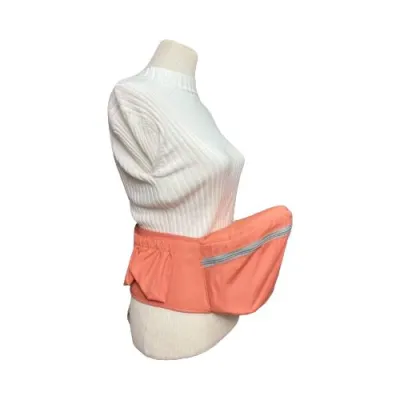
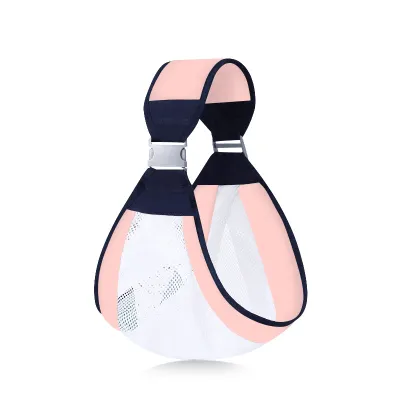
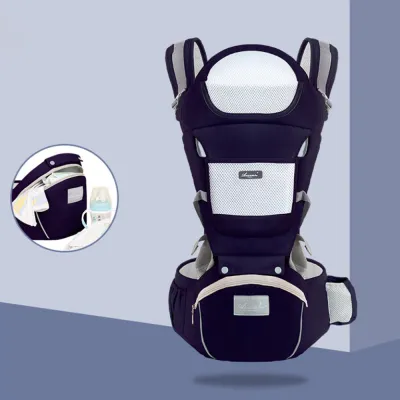
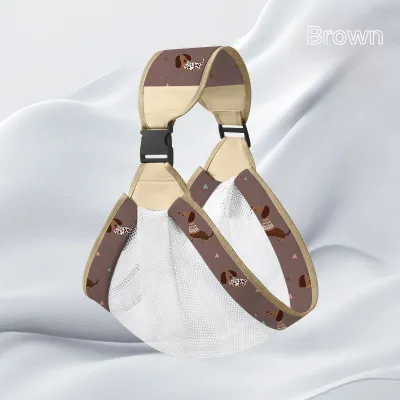
Prices are valid at publication and may change. Please refer to the product page for the latest price.
Next, perform a thorough physical inspection of the carrier before every single use. Check all buckles, zippers, and velcro strips for signs of wear, fraying, or damage. Pay close attention to the zipper and safety buckles that connect the hipseat base to the upper back panel; these must be fully engaged and locked. If you purchased your carrier from an online marketplace, verify that it meets recognized safety standards and has not been subject to any product recalls.
Your own preparation matters just as much when preparing for a walk. In hot and humid weather, wear breathable, non-slip clothing made of natural fibers like cotton. Avoid silky, slippery, or overly loose shirts, as these can cause the carrier’s waist belt to slide down or shift during use. The waist belt needs to sit flush against your body to distribute weight effectively and prevent friction burns on your skin.
Step-by-Step Guide to Positioning Your Baby
Start by positioning the wide waist belt high on your torso, well above your hips and close to your belly button. Wrap the velcro strap tightly around your waist, ensuring there are no folds or bunches in your clothing underneath. Fasten the heavy-duty safety buckle over the velcro and pull the webbing strap until the belt is exceptionally snug. A common error is fastening the belt too low on the hips, which causes the seat to tilt forward under the baby’s weight, pulling on your lower back and shoulders.

Hold your baby securely against your chest with one hand, supporting their back and neck. Carefully lower them onto the center of the rigid hipseat. Their bottom should be fully supported by the platform, and their weight should be evenly distributed across the seat. Do not let them sit too far forward or slide to one side, as this can destabilize the carrier and put uneven pressure on their hips.
While keeping one hand firmly on your baby at all times, pull the back panel up over their back. Slip your free arm through one shoulder strap, then switch hands to secure the baby while slipping your other arm through the second shoulder strap. Reach behind your neck to fasten the chest or back buckle. Once buckled, pull the adjustment straps forward to bring your baby’s torso close to your chest. There should be no large gaps between your body and the baby, but they should not be pressed so tightly that they cannot breathe comfortably.
Double-check every connection point before you begin moving. Ensure the safety loop, if your carrier has one, is threaded through the buckle correctly. Check that the fabric of the back panel or any hood attachment is not covering your baby’s face, nose, or mouth. Their face must remain completely visible to you at all times, with their nose and mouth free from any obstruction.
Verifying Correct Posture and Comfort
Once your baby is secured, look down to check their leg position. Their thighs should spread around your torso, and their knees should be bent in a position higher than or level with their bottom. This is known as the ergonomic “M-shape” or “frog-leg” position. It ensures that the forces on the hip joint are distributed naturally, reducing the risk of hip dysplasia. If their legs are dangling straight down, the seat is either too narrow or they are not positioned correctly.
Perform the “visible and kissable” check to ensure their airway is completely clear. You should be able to look down and see your baby’s face clearly without moving any fabric. Their chin should not be resting on their chest; there should be a gap of at least two fingers under their chin to keep their airway open. You should also be able to easily kiss the top of their head just by tipping your head forward.
To ensure the straps are adjusted correctly, slide two fingers between the shoulder straps and your collarbone, and between the back panel and your baby’s back. The straps should feel firm and supportive without digging into your skin or compressing your baby’s chest. Their spine should curve naturally in a gentle “C” shape when inward-facing, which supports their developing back muscles.
Pay close attention to your baby’s cues during the first few minutes of carrying. Look for signs of overheating, such as sweating, red cheeks, or fussiness, which are common when walking outdoors in tropical humidity. Check their legs to ensure the edges of the seat are not cutting into their thighs or restricting circulation. If you notice any deep red marks or if your baby seems unusually restless, remove them from the carrier immediately.
Common Positioning Mistakes to Avoid
One of the most critical safety hazards in babywearing is the “chin-to-chest” slump. When a baby slumps forward, their heavy head can push their chin down onto their chest, which can partially or fully block their airway. Always ensure the back panel is adjusted tightly enough to keep their upper body upright and close to yours, preventing them from slumping when they relax or fall asleep.
Many caregivers wear the waist belt too loosely or too low on their hips, often because they find it more comfortable initially. However, as soon as the baby’s weight is added, a loose belt will sag and tilt the hipseat downward. This forces you to lean backward to balance the weight, leading to severe lower back strain, and causes the baby to slide forward off the seat.
While babies love to look around, placing them in a forward-facing position before they are developmentally ready can cause overstimulation and physical discomfort. Keep your baby inward-facing until they have complete head and neck control and show active interest in looking outward, which usually occurs around six months of age. Never allow a baby to sleep in a forward-facing position, as their head will slump forward without support; always turn them inward-facing if they show signs of drowsiness.
Frequently Asked Questions (FAQ)
Can I use a hipseat carrier for a newborn?
Standard hipseat carriers are not suitable for newborns. Newborns lack the head, neck, and trunk control required to sit safely on a rigid platform, and their hips are too delicate for the wide seat base. Always check your specific product manual for the minimum age and weight limits. For early infancy, consider using a soft fabric wrap or a structured carrier specifically designed and certified for newborns, which provides snug, full-body support.
How long can my baby stay in the hipseat carrier at one time?
It is generally recommended to limit continuous carrying time to around 30 to 45 minutes, especially in warm and humid climates. Prolonged periods in a carrier can lead to overheating, skin irritation from sweat, and physical fatigue for both you and your baby. Take regular breaks to take your baby out of the carrier, allow them to stretch their limbs, hydrate, and cool down. Always monitor your baby’s comfort and consult a pediatric healthcare provider if you have concerns about their circulation or physical development.
Community discussion
Share your experience or ask a question. Comments are reviewed before publication.