
In the tropical climate of the Philippines, keeping your baby’s delicate skin clean, dry, and free from irritation is a daily priority. High humidity and heat can exacerbate skin sensitivities, making diaper rashes and contact dermatitis common concerns for parents. While baby wipes offer unmatched convenience for quick cleanups during diaper changes, feeding times, and outdoor trips, choosing the wrong product can quickly lead to painful skin flare-ups.
Unscented baby wipes are often recommended as a safer alternative to heavily perfumed options, but navigating the crowded shelves of local supermarkets and online marketplaces requires a discerning eye. Not all products labeled as gentle are suitable for highly sensitive skin, and some may still contain hidden irritants. This guide will help you understand what to look for on the label, which ingredients to avoid, and how to select the gentlest wipes to protect your baby’s skin barrier.
Quick Guide: What Makes a Wipe Safe for Sensitive Skin
When shopping for baby wipes, the terms on the packaging can often be confusing. Understanding the precise definitions behind common marketing claims is the first step in identifying a product that is truly safe for sensitive skin.
Products mentioned in this guide
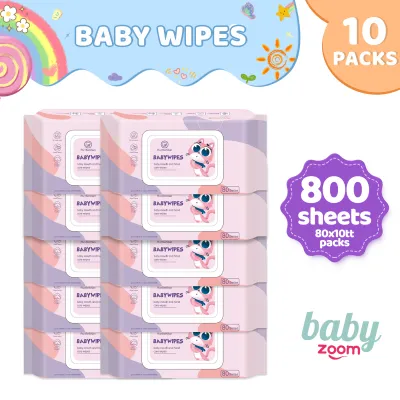
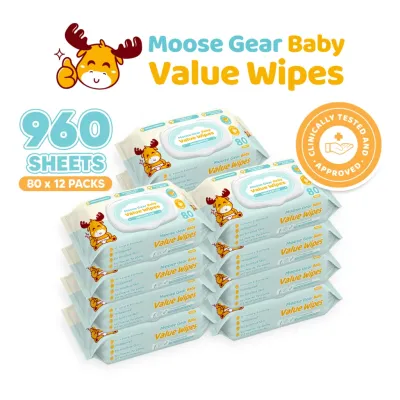
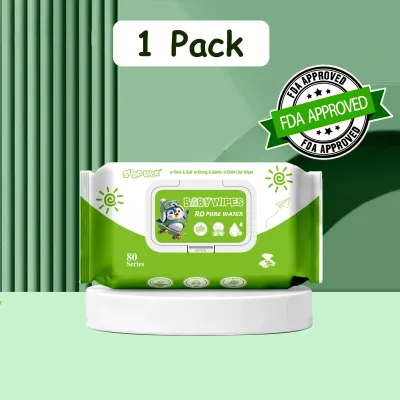
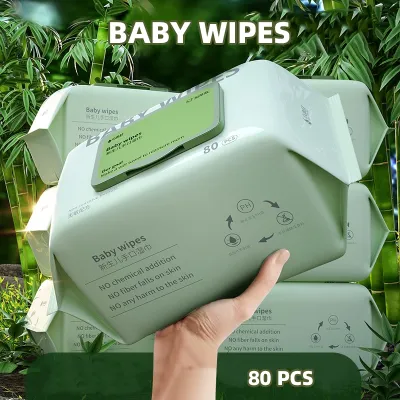
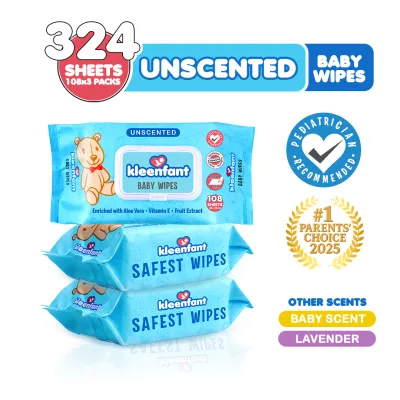
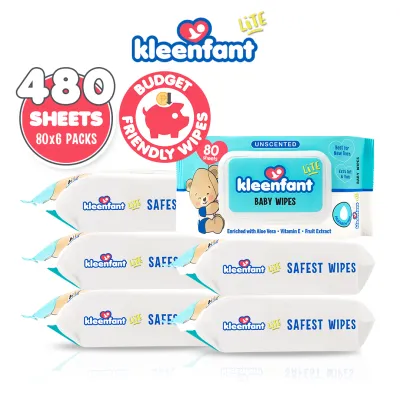
Prices are valid at publication and may change. Please refer to the product page for the latest price.
Unscented vs. Fragrance-Free
There is a critical regulatory difference between “unscented” and “fragrance-free” products that every parent should know. A fragrance-free wipe is formulated without any added fragrance chemicals or masking scents. In contrast, an unscented wipe may contain chemical masking agents designed to neutralize the natural, sometimes unpleasant odors of the active ingredients. Because these masking agents can still trigger allergic reactions or irritate compromised skin, fragrance-free options are generally the safer choice for babies with extreme skin sensitivities or eczema.
Deciphering Clinical Labels
You will frequently see terms like “dermatologically tested,” “pediatrician-approved,” or “hypoallergenic” printed on wipe packaging. While these labels indicate that the manufacturer has conducted some level of safety testing, they are not standardized by a single global regulatory body. Hypoallergenic simply means the product is formulated with ingredients that are less likely to cause allergic reactions, but it does not guarantee absolute safety. Always look for brands that provide transparent information about their testing methodologies and certifications on their official websites.
A Quick-Reference Packaging Checklist
Before purchasing any pack of wipes, establish a routine of checking the physical packaging or the official product listing for the following details:
- A complete, transparent list of ingredients (avoid products that only list "active ingredients").
- Clear indications of the manufacturing and expiration dates, which are crucial for ensuring preservative efficacy.
- Specific age recommendations, particularly if you are buying wipes for a newborn.
- Clear instructions on where the wipes can be safely used, such as the diaper area, hands, or face.
Ingredients to Avoid and Seek for Sensitive Skin
Because baby wipes are wet products designed to be stored for months, they require a carefully balanced formulation to remain safe, effective, and free from microbial growth. However, certain ingredients commonly used in standard wipes can be highly irritating to sensitive skin.

Common Irritants to Avoid
When reading the ingredient list on the back of a pack, look out for and avoid the following substances:
- Alcohol: Specifically avoid ethyl alcohol or isopropyl alcohol, which strip the skin of its natural oils, leading to dryness, cracking, and a compromised skin barrier.
- Parabens: These chemical preservatives (such as methylparaben or propylparaben) are used to prevent bacterial growth but are known sensitizers that can trigger contact dermatitis in sensitive individuals.
- Phenoxyethanol: While widely used as a preservative, some pediatric dermatologists recommend avoiding phenoxyethanol for newborns or infants with highly sensitive skin, as it can cause localized skin irritation.
- Synthetic Dyes: Artificial colorants serve no functional purpose in a wipe and only add unnecessary chemical exposure to your baby's skin.
- Essential Oils: Although marketed as natural, essential oils like lavender, tea tree, or eucalyptus can be highly sensitizing and are common triggers for allergic contact dermatitis.
Spotting Hidden Masking Fragrances
To ensure a product is truly free of added scents, scan the ingredient list for terms like “parfum,” “fragrance,” or specific botanical extracts that are known to function as scent maskers. If you spot these ingredients on a pack labeled “unscented,” the product may still pose a risk to a baby with a fragrance allergy.
Soothing Baseline Ingredients
Ideally, a high-quality wipe for sensitive skin should have a minimalist ingredient list. Look for formulations where the primary ingredient is purified or water-filtered water, which should ideally make up 99% of the product. Safe, soothing additives that help maintain skin hydration include aloe vera (Aloe barbadensis leaf juice) and chamomile extract (Chamomilla recutita extract). These ingredients help calm minor irritation, though you must still verify that your baby does not have a specific botanical allergy to them.
Verify with Official Sources
Always rely on the manufacturer’s official packaging or their official brand website to verify ingredient lists. Third-party e-commerce product descriptions, online reviews, and marketing summaries can often be outdated, incomplete, or contain transcription errors. If the full ingredient list is not readily available on the packaging or the official website, it is best to choose a different product that offers full transparency.
Evaluating Wipe Material, Thickness, and Moisture
The physical properties of a baby wipe are just as important as its chemical formulation. The texture, thickness, and moisture level of the wipe directly impact how effectively it cleans and how gentle it feels against your baby’s skin.
Smooth vs. Textured Wipes
Wipes generally come in two main textures: smooth and textured (or embossed). Smooth wipes are highly gentle and are ideal for wiping delicate areas like the face, hands, or minor wet diapers, as they minimize friction against the skin. Textured wipes feature raised patterns or cross-woven fibers designed to grab and lift solid stool more efficiently. Using a textured wipe can reduce the number of passes required to clean a messy diaper, thereby minimizing the overall rubbing and friction on your baby’s skin.
Material Composition and Thickness
The material of the wipe determines its durability, softness, and environmental impact. Plant-based fibers, such as cotton, bamboo, or viscose, are generally softer, more absorbent, and gentler on sensitive skin than synthetic polyester blends. Synthetic fibers can sometimes feel plasticky, trap heat against the skin, and cause micro-abrasions if used with too much pressure. Additionally, thicker wipes are highly desirable because they prevent tearing during use and protect your hands from coming into contact with waste, meaning you will ultimately use fewer wipes per change.
Managing Moisture Levels in a Tropical Climate
In the hot and humid climate of the Philippines, managing skin moisture is a delicate balance. Wipes must be sufficiently moist to dissolve and wipe away waste without requiring aggressive scrubbing. However, if a wipe is overly wet, it can leave excess moisture trapped in your baby’s skin folds (such as the thighs or neck). In tropical heat, this trapped moisture can lead to skin maceration—a condition where the skin softens and breaks down, making it highly susceptible to friction, yeast infections, and severe diaper rash. Look for wipes that leave a clean, slightly damp finish that air-dries within seconds.
Verifying Material Claims
Claims such as “100% cotton,” “biodegradable,” or “organic” must be verified by looking for official certification seals on the packaging. Keep in mind that environmental claims like biodegradability do not automatically guarantee skin safety. A biodegradable wipe made from natural fibers can still contain harsh chemical preservatives or fragrances that irritate sensitive skin. Always evaluate the ingredient list first, and treat the material composition as a secondary, albeit important, consideration.
Building Your Shortlist and Verifying Product Claims
With countless options available in local stores and online marketplaces, establishing a systematic method for filtering and selecting wipes will save you time, money, and unnecessary skin irritation.
Smart Filtering on Online Marketplaces
When shopping on local ecommerce platforms, avoid broad searches like “baby wipes,” which will return thousands of heavily fragranced or low-quality options. Instead, use highly specific search terms such as “fragrance-free baby wipes,” “99% water wipes,” or “hypoallergenic baby wipes.” Once you find potential candidates, do not rely solely on the product titles. Scroll down to the user review section and look for photos uploaded by local parents. These photos often show the back of the packaging, allowing you to read the actual ingredient list and verify the manufacturing dates.
Cross-Referencing Marketing Claims
Do not take front-of-pack marketing claims at face value. If a brand claims to be “99% water” or “clinically proven for sensitive skin,” turn the pack over and cross-reference this with the ingredient list. The remaining 1% of the formulation should consist of mild, food-grade preservatives and skin conditioners. If you see harsh chemicals, alcohols, or parabens listed in that remaining percentage, the product may not be as gentle as the marketing suggests.
Calculating the Price per Wipe
To balance your household budget with your baby’s skin care needs, calculate the cost per wipe rather than comparing the overall pack prices. To do this, take the total price of the pack and divide it by the number of sheets inside:
$$\text{Cost per Wipe} = \frac{\text{Total Price (₱)}}{\text{Number of Wipes}}$$
For example, a pack costing ₱150 containing 80 wipes has a cost per wipe of ₱1.88, whereas a pack costing ₱120 containing 40 wipes has a cost per wipe of ₱3.00. Comparing this metric across different pack sizes and bulk options will help you find the most economical choice without compromising on quality.
Start with Small Trial Packs
Never commit to a bulk purchase or a subscription of a new brand of wipes, no matter how highly recommended it is. Every baby’s skin is unique, and what works perfectly for one infant may cause a reaction in another. Always purchase a single, small travel pack first. Use it consistently for a few days to perform a practical home test. If your baby’s skin remains clear, healthy, and free of redness, you can then confidently purchase the larger, more cost-effective bulk packs.
Safe Usage, Storage, and When to Consult a Professional
Even the gentlest, highest-quality wipe can cause skin issues if stored incorrectly or used with improper technique. Establishing safe daily habits is essential for protecting your baby’s skin barrier.
Proper Storage in Tropical Conditions
The warm, humid environment of the Philippines is highly conducive to the growth of bacteria, mold, and fungi. To keep your baby wipes sterile and safe:
- Store all packs in a cool, dry place away from direct sunlight, hot windows, or heat-emitting appliances.
- Avoid leaving wipe packs inside a hot car, as extreme heat can degrade the preservatives and cause the wipes to dry out or harbor bacteria.
- Ensure the plastic flip-top lid or adhesive resealable label is pressed down firmly after every single use to lock in moisture and prevent airborne contaminants from entering.
Correct Wiping Technique
To minimize friction and prevent micro-tears in your baby’s delicate skin, always use a gentle, mindful wiping technique:
- Wipe from Front to Back: This is especially critical for baby girls to prevent the spread of fecal bacteria to the urinary tract.
- Avoid Scrubbing: Never rub or scrub the skin aggressively to remove stubborn waste. Instead, hold a moist wipe gently over the area for a few seconds to soften the residue, then sweep it away in a single, gentle motion.
- Allow to Air-Dry: Always let the diaper area air-dry completely before putting on a fresh diaper. Putting a diaper on wet skin traps moisture, which is a primary cause of diaper rash.
Identifying Signs of Skin Irritation
Monitor your baby’s skin closely during and after diaper changes. Stop using your current wipes immediately if you observe any of the following signs of irritation:
- Persistent redness or localized inflammation in the diaper area.
- Dry, peeling, or flaky skin patches.
- Small, raised red bumps (papules) or fluid-filled blisters.
- Signs of physical discomfort, such as crying or flinching, when the wipe touches the skin.
When to Seek Medical Advice
While mild redness can often be managed by switching to plain water and applying a zinc oxide-based barrier cream, certain symptoms require professional medical evaluation. Consult your pediatrician or a pediatric dermatologist immediately if:
- The diaper rash does not improve or worsens after three days of discontinuing the wipes.
- The rash develops bright red, defined patches with smaller "satellite" spots nearby, which may indicate a yeast infection.
- You observe signs of a secondary bacterial infection, such as pus, oozing, bleeding, or open sores.
- Your baby develops a fever or seems unusually irritable and in pain.
Frequently Asked Questions (FAQ)
Can I use unscented baby wipes on a newborn's face and hands?
Newborn skin is exceptionally thin and sensitive, particularly around the eyes and mouth where the skin barrier is most delicate. While some high-quality unscented wipes are formulated to be gentle enough for facial use, you must check the manufacturer’s label for explicit clearance before doing so. Avoid using wipes near the eyes or mouth unless the packaging states it is safe. For newborns, a clean washcloth dampened with cooled, boiled water remains the safest choice for facial cleanups.
Are water wipes the same as unscented baby wipes?
Not necessarily. While all water-based wipes are unscented, not all unscented wipes qualify as water wipes. Water wipes typically feature an ultra-minimalist formulation, often consisting of 99% or more purified water and a tiny fraction of a mild preservative or fruit extract. Standard unscented wipes, on the other hand, may contain a wider array of ingredients, including skin conditioners, emollients, and standard preservatives to extend shelf life. Always check the ingredient list to understand the exact composition of the product you are buying.

Community discussion
Share your experience or ask a question. Comments are reviewed before publication.