
Finding the safest 8-in-1 mini wipes for sensitive skin in the Philippines requires looking past marketing buzzwords and focusing on ingredient transparency, formulation safety, and physical design. The term “8-in-1” is a marketing designation rather than a standardized medical classification. It typically refers to a blend of eight botanical extracts or eight functional claims—such as moisturizing, soothing, cleansing, and softening—all packed into a compact, pocket-sized format. Because sensitive skin reacts uniquely to different triggers, the safest brand is not a one-size-fits-all product but rather the one that aligns with your baby’s specific skin sensitivities. To make an informed choice, caregivers must evaluate the complete ingredient list, assess the preservative system, and examine the physical texture of the wipe to prevent friction-induced irritation.
In tropical climates like the Philippines, high humidity and heat can exacerbate skin friction, sweat rashes, and diaper dermatitis. This makes the choice of on-the-go wipes incredibly important. A portable wipe must not only clean effectively but also preserve the skin’s natural moisture barrier without leaving a sticky residue that traps heat and sweat. By understanding how to read labels and evaluate packaging, you can confidently select a mini wipe pack that keeps your baby’s skin clean, calm, and protected during daily travels, mall trips, or outdoor play.
Critical Ingredients to Verify on the Label
When evaluating 8-in-1 mini wipes, the ingredient list on the back of the packaging is your most reliable guide. Manufacturers often highlight exotic botanical extracts on the front label, but the actual safety of the wipe depends on the entire formulation. For sensitive skin, the primary ingredient should always be highly purified water, often processed through multi-stage filtration systems like reverse osmosis or electrodeionization (EDI). This ensures the base of the wipe is free from microscopic impurities, minerals, and contaminants that could irritate delicate skin barriers.
Products mentioned in this guide
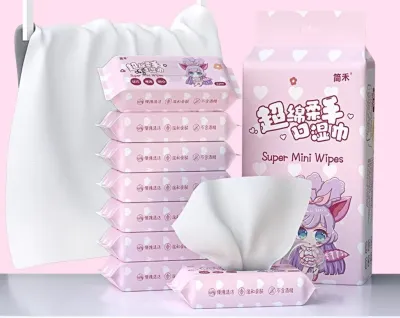
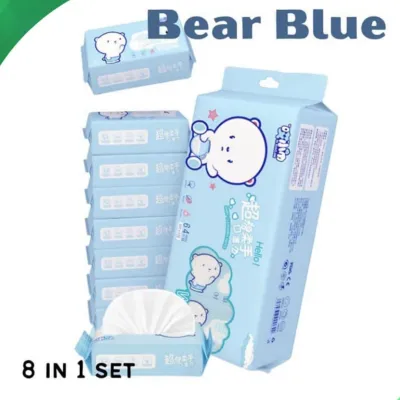
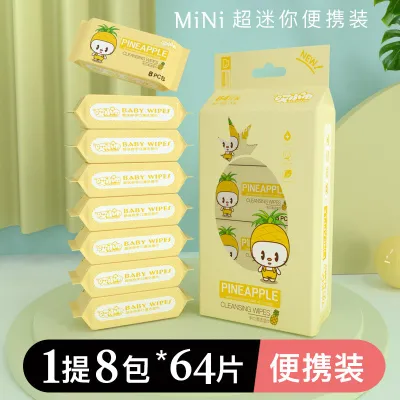
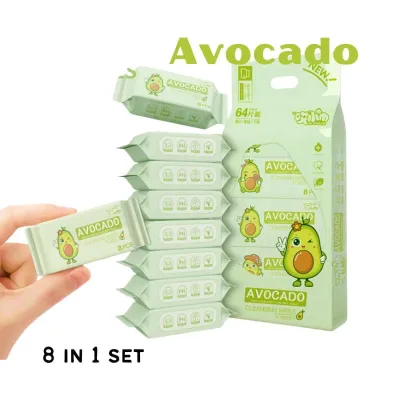
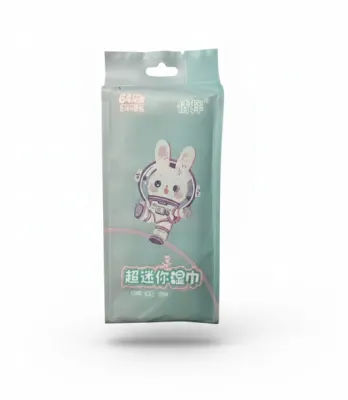
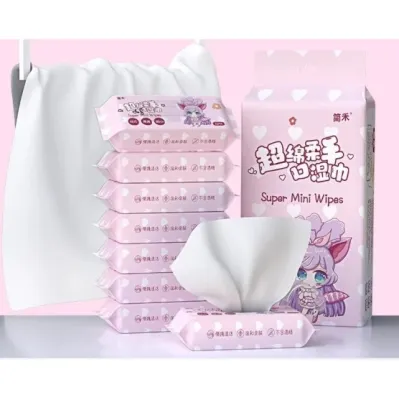
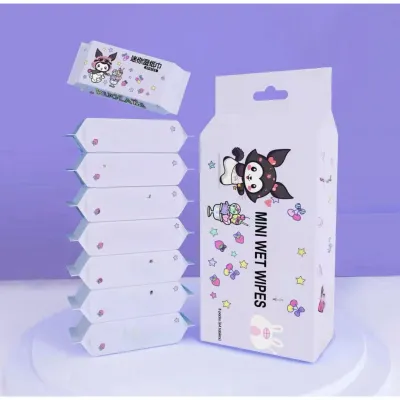
Prices are valid at publication and may change. Please refer to the product page for the latest price.
Soothing and hydrating components are excellent additions to a sensitive-skin wipe, provided they are formulated correctly. Look for established, low-risk ingredients such as Aloe barbadensis leaf extract, Chamomilla recutita (chamomile) flower extract, and tocopheryl acetate (Vitamin E). These ingredients help soothe minor redness and provide a light layer of hydration. However, because these are botanical extracts, they must be cross-referenced carefully. On the ingredient list, components are listed in descending order of concentration. If the claimed “8-in-1” botanical extracts are positioned at the very end of the list, they are present only in trace amounts, serving more as marketing points than active therapeutic agents.
Conversely, caregivers must actively scan the label for common irritants that can trigger contact dermatitis or worsen existing eczema. Avoid products containing ethyl alcohol or isopropyl alcohol, which dry out the skin and compromise its protective barrier. Parabens (such as methylparaben or propylparaben) and phenoxyethanol should be approached with caution, as some infants with highly reactive skin can develop sensitivities to them. Furthermore, synthetic fragrances—often listed simply as “parfum” or “fragrance”—are among the leading causes of allergic skin reactions. Opt for fragrance-free formulations rather than “unscented” ones, as unscented products may still contain masking fragrances to neutralize chemical odors.
Finally, pay close attention to the preservative system. Because wet wipes are moist and stored in warm environments, they require preservatives to prevent the growth of harmful bacteria, mold, and yeast. Safe, gentle preservative systems often utilize food-grade ingredients like sodium benzoate, citric acid, and potassium sorbate. While these are generally well-tolerated, they must still be verified against your baby’s specific skin history. If a brand does not fully disclose its preservative system or complete ingredient list on the packaging, it is best to avoid using it on sensitive skin.
Comparing Physical Design and Packaging for On-the-Go Use
The physical design of a mini wipe and its packaging are just as critical as the liquid formula it holds. In the Philippines, where ambient temperatures and humidity levels are consistently high, packaging must perform under demanding conditions. Mini wipe packs are designed to be tossed into diaper bags, pockets, or strollers, meaning they are frequently exposed to friction, heat, and physical pressure. This makes the sealing mechanism the first line of defense against both moisture loss and external contamination.

Most mini wipe packs utilize either an adhesive sticker seal or a plastic flip-top lid. While plastic flip-top lids are highly effective at maintaining moisture and preventing bacterial ingress, they are rarely found on ultra-compact mini packs due to size and weight constraints. Consequently, most 8-in-1 mini wipes rely on adhesive sticker seals. When evaluating these, look for thick, rigid stickers with a generous adhesive border. In hot weather, the adhesive on cheap stickers can melt, slide, or lose its tackiness when exposed to dust, lint, or diaper creams on your fingers. A compromised seal allows the wipes to dry out rapidly and exposes the interior of the pack to airborne mold spores and bacteria.
Beyond the packaging, the physical properties of the wipe material itself dictate how much friction is applied to the skin. Most high-quality wipes are made from spunlace non-woven fabric, a blend of polyester and viscose. The ratio of these fibers determines the wipe’s softness and strength. For sensitive skin, a higher viscose content is preferred because it feels softer and holds moisture better than polyester. Additionally, consider the thickness of the wipe, measured in grams per square meter (GSM). Thinner wipes (below 40 GSM) tend to bunch up, tear, or allow moisture to seep through to your hands during use, which often leads to firmer wiping pressure and increased skin friction. Thicker wipes (50 GSM and above) provide a reliable barrier and clean more efficiently with fewer passes.
Texture also plays a significant role in minimizing skin irritation. Embossed or cross-woven wipes feature raised patterns that trap dirt, feces, and moisture easily, allowing you to clean your baby with minimal swiping. Plain, flat wipes may slide over stubborn messes, requiring repeated rubbing that can abrade sensitive skin. Keep in mind that because mini wipes are physically smaller than standard wipes—often measuring around 14 by 15 centimeters—you may need to use two or three mini wipes to accomplish what one standard-sized wipe would clean. This increased handling means you must be mindful of how much physical contact and friction your baby’s skin is experiencing during a single diaper change.
Decision Framework: Matching Wipe Profiles to Skin Needs
To choose the safest 8-in-1 mini wipe for your specific situation, it is helpful to use a structured decision framework based on observable skin conditions and practical needs. Because no single product is universally perfect for every child, matching the wipe’s formulation profile to your baby’s current skin state will yield the safest results.
First, assess the current state of your baby’s skin. If the skin is highly reactive, prone to eczema, or currently experiencing an active diaper rash flare-up, your primary goal is to minimize exposure to potential allergens. In this scenario, choose wipes with ultra-simple, water-based formulas—ideally those containing 99% water and a minimal, food-grade preservative system. Avoid wipes with extensive botanical blends, even if they are marketed as soothing or organic. Active plant extracts can sting or cause allergic sensitization when applied to broken, inflamed, or compromised skin barriers.
Second, if your baby’s skin is dry but currently healthy and free of active rashes, you can opt for wipes that incorporate gentle emollients. Formulations containing aloe vera, glycerin, or oat kernel extract can help reinforce the skin’s moisture barrier, especially if you frequently transition between humid outdoor air and dry, air-conditioned indoor spaces. These ingredients help lock in hydration and prevent the skin from drying out after the water from the wipe evaporates.
Third, if your baby has a documented history of severe contact dermatitis, chronic eczema, or known allergies to specific plants or preservatives, do not rely solely on retail packaging claims. Stop and consult a pediatrician or a pediatric dermatologist before introducing any new multi-ingredient wipe. They can help you identify specific chemical names to avoid and may recommend sticking to plain water and sterile cotton pads until the skin barrier matures.
Finally, establish a strict purchasing rule: if a brand of 8-in-1 mini wipes does not display a clear, fully disclosed ingredient list on its packaging or official product documentation, do not purchase it. Transparency is non-negotiable when managing sensitive skin. Without a complete list, you cannot verify the presence of hidden fragrances, harsh preservatives, or potential allergens, making the product an unnecessary risk for a sensitive child.
Safe Usage, Storage, and Expiration Checks
Proper usage and storage are essential to maintain the safety and integrity of mini wipes, particularly in warm, tropical environments. Because mini packs contain fewer wipes, they are often used up quickly, but they are also more vulnerable to environmental degradation during their lifespan. Implementing a few simple habits can prevent the wipes from becoming a source of skin irritation or bacterial exposure.
Always store mini wipe packs in a cool, dry place away from direct sunlight. It is common to leave a pack of wipes in a diaper bag inside a parked car or in an outer pocket of a stroller. However, extreme heat can degrade the gentle preservative system within the wipes, allowing bacteria or mold to multiply rapidly inside the dark, moist package. If a pack has been exposed to high heat for an extended period, inspect the wipes carefully before use. Discard the entire pack immediately if you notice any changes in smell, a slimy or unusually dry texture, or any visible yellow, grey, or black discoloration.
Before purchasing or using a pack, locate and interpret the batch codes and expiration dates. On compact mini packaging, these details are typically stamped along the heat-sealed edges or on the bottom gusset. Look for the manufacturing date (MFG) and expiration date (EXP). Additionally, look for the Period After Opening (PAO) symbol, which resembles a tiny open jar with a number followed by an “M” (e.g., 3M or 6M). This indicates how many months the product remains safe to use after the seal is first broken. Because mini packs are opened and closed frequently, aim to use them within the recommended PAO timeframe.
When using the wipes, practice hygienic dispensing to prevent cross-contamination. Avoid reaching into the pack with soiled hands. Clean your own hands or use a sanitizer before opening the seal, pull out only the number of wipes needed, and immediately reseal the pack firmly. If you pull out an extra wipe by accident, do not attempt to stuff it back into the package, as this introduces bacteria from your hands and the surrounding air into the sterile environment of the pack. If a pack of wipes dries out completely, do not attempt to re-moisten them with tap water or bottled water; without professional formulation, adding water dilutes the preservative system and creates an ideal breeding ground for pathogens.
Frequently Asked Questions (FAQ)
Can I use 8-in-1 mini wipes on a newborn's face and hands?
Newborn skin is highly delicate, up to 30% thinner than adult skin, and has an underdeveloped outer barrier. While many 8-in-1 mini wipes are marketed as multi-purpose, botanical extracts and preservatives that are perfectly safe for a baby’s bottom may cause irritation, redness, or stinging on the highly sensitive skin of the face, particularly around the eyes and mouth. Always check the manufacturer’s specific age and usage guidelines on the packaging. For newborns, it is generally safest to use plain water-dampened cotton balls or wipes specifically formulated with minimal ingredients for facial use. If you do choose to use an 8-in-1 wipe on a newborn’s face, perform a patch test on a small patch of skin on their inner arm first, and stop use immediately if any redness or irritation develops.
Do mini wipes dry out faster than standard-sized packs?
Yes, mini wipe packs generally dry out faster than standard-sized packs. This is due to their higher surface-area-to-volume ratio and the smaller adhesive sticker seals typically used on compact packaging. Every time the pack is opened, a larger proportion of the internal moisture is exposed to the air, accelerating evaporation. To prevent your mini wipes from drying out prematurely, make it a habit to press the adhesive seal down firmly from the center outward after every single use, ensuring no air pockets remain. If you only use mini wipes occasionally for travel or quick outings, buy them in smaller quantities rather than large bulk boxes. This ensures that each pack you open is fresh, fully hydrated, and safe for your baby’s sensitive skin.

Community discussion
Share your experience or ask a question. Comments are reviewed before publication.