
Selecting the right wipes for a newborn baby with sensitive skin is one of the most important early decisions a parent can make. A newborn’s skin barrier is up to thirty percent thinner than adult skin, making it highly susceptible to friction, chemical absorption, and environmental irritants. In warm, humid climates like the Philippines, the combination of heat, sweat, and trapped diaper moisture can quickly lead to painful diaper rash, yeast infections, and contact dermatitis. To protect this delicate skin barrier, parents must look beyond marketing claims and understand the physical materials, liquid formulations, and chemical ingredients that make up the wipes they use multiple times a day.
Finding the safest option requires a careful balance of high water content, soft and durable fibers, and a complete absence of harsh additives. While many products claim to be gentle, the actual ingredient list and material weave tell the real story. By learning how to evaluate these products systematically, you can keep your baby’s skin clean, dry, and free from irritation without relying on trial and error.
Essential Features to Look for in Newborn Wipes
The physical structure of a baby wipe is just as important as the liquid formula it carries. When dealing with sensitive newborn skin, the material texture, thickness, and weave play a critical role in preventing mechanical irritation. Thin, flimsy wipes often tear during use or require multiple passes to clean a single mess, which increases friction against the skin. Parents should look for thick, cloth-like wipes with an embossed or cross-woven texture. These designs are engineered to lift feces and urine away from the skin in a single, gentle swipe, minimizing the need for repetitive rubbing that can cause micro-tears in the skin barrier.
Products mentioned in this guide
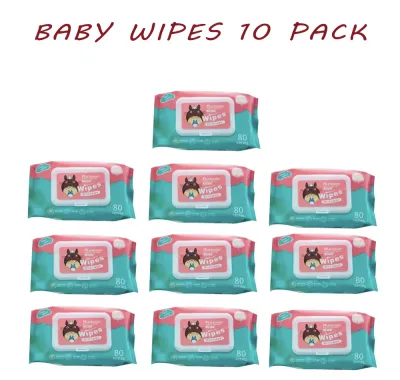
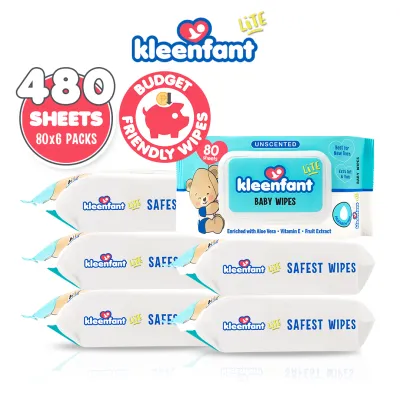
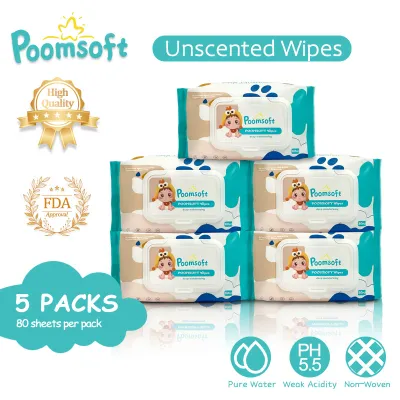
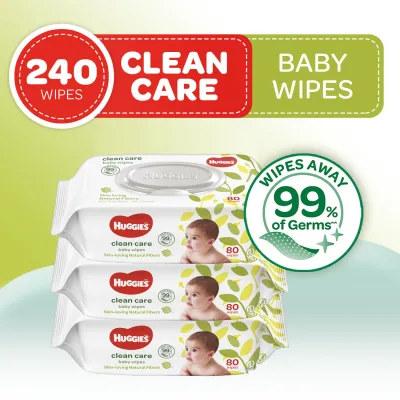
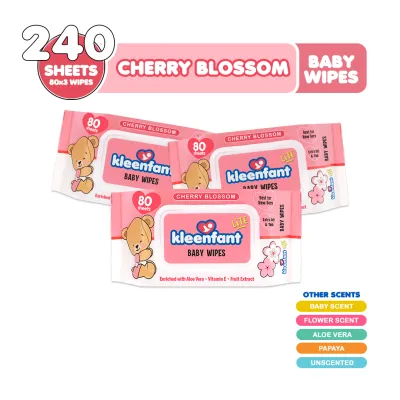
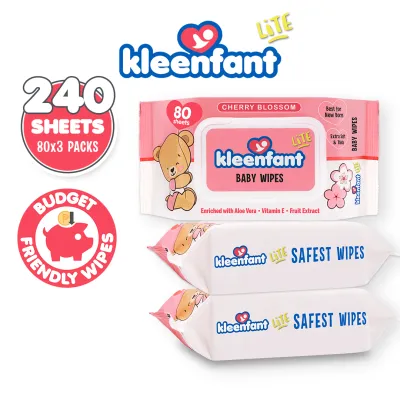
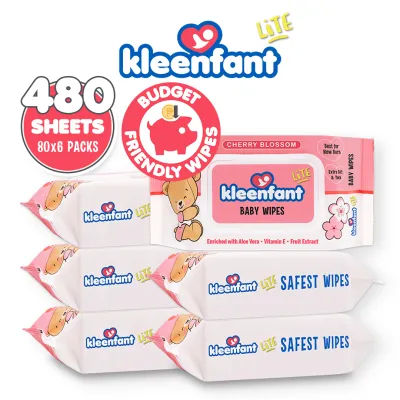
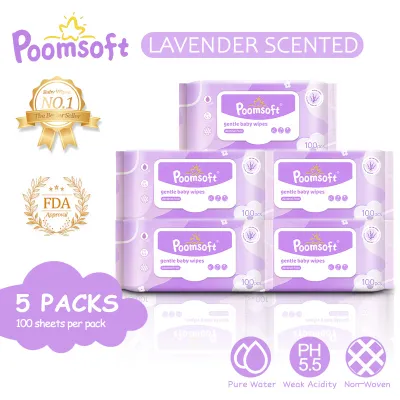
Prices are valid at publication and may change. Please refer to the product page for the latest price.
The liquid base of the wipe must also be carefully evaluated. For newborns, the vast majority of the wipe’s weight should consist of purified, deionized, or reverse-osmosis water. This high water content ensures that the wipe effectively dissolves and dilutes acidic waste on the skin without leaving behind a heavy, sticky residue. A clean, water-rich base mimics the gentle cleansing action of a traditional bath, which is the gold standard for newborn skin care.
Another critical factor is the pH balance of the formulation. Healthy newborn skin has a slightly acidic pH, typically between 5.5 and 6.0, which forms a protective layer known as the acid mantle. This acidic environment helps defend against harmful bacteria and fungi. Standard soaps and poorly formulated wipes can be highly alkaline, disrupting this natural barrier and leaving the skin vulnerable to infection. High-quality newborn wipes are specifically buffered to match the skin’s natural pH, helping to maintain its defensive properties.
Finally, parents must understand the true meaning of “hypoallergenic” claims on packaging. While this label indicates that the manufacturer has formulated the product to minimize the risk of allergic reactions, it is not a legal guarantee of safety. Hypoallergenic products are generally free from the most common known allergens, but individual babies can still react to specific ingredients. Therefore, the hypoallergenic label should be treated as a helpful starting point rather than an absolute guarantee, and parents should always verify the full ingredient list.
Ingredients to Avoid for Easily Irritated Skin
Reading the back of a baby wipe package can be overwhelming, but identifying a few key sensitizers can help you quickly filter out unsuitable products. The first ingredient to avoid is alcohol, specifically simple drying alcohols like isopropyl alcohol or ethanol. These ingredients are sometimes added to make wipes dry faster, but they strip the skin of its natural lipids, leading to severe dryness, cracking, and a stinging sensation on already irritated skin. Note that fatty alcohols, such as cetearyl alcohol, are different and act as emollients, but drying alcohols should be strictly avoided.

Synthetic fragrances and essential oils are another major source of contact dermatitis in newborns. While a scented wipe may seem appealing for masking diaper odors, fragrance chemicals serve no functional cleansing purpose and are highly sensitizing to immature skin. Even “natural” essential oils, such as lavender, tea tree, or citrus oils, can trigger allergic reactions and irritation on a newborn’s delicate skin barrier. For this reason, pediatricians universally recommend avoiding scented products in the diaper area.
Harsh preservatives and surfactants are also common culprits behind skin barrier compromise. Preservatives are necessary in pre-moistened wipes to prevent the growth of mold and bacteria, but some traditional preservatives are too harsh for newborns. Parents should avoid wipes containing parabens, phthalates, formaldehyde-releasing agents (such as DMDM hydantoin), and methylisothiazolinone (MI). Similarly, strong surfactants like sodium lauryl sulfate (SLS), which are used to create foam or lift dirt, can strip away the skin’s natural moisture and cause chronic dryness.
It is also vital to distinguish between “fragrance-free” and “unscented” labels on packaging. A “fragrance-free” product means that no fragrance chemicals or masking agents have been added to the formulation. An “unscented” product, on the other hand, may actually contain chemical masking agents designed to neutralize the natural, sometimes unpleasant smell of the raw ingredients. Because these masking chemicals can still irritate sensitive skin, always look for products explicitly labeled as fragrance-free.
Comparing Wipe Types for Sensitive Newborns
Not all baby wipes are created equal, and understanding the different categories available can help you choose the best option for your baby’s specific skin needs and your daily routine. The three primary categories of wipes suitable for sensitive newborns are water-based wipes, plant-based or biodegradable wipes, and textured wipes designed for heavy messes.
Water-based wipes are formulated with minimal ingredients, typically consisting of 99% or more purified water and a tiny fraction of a mild preservative or fruit extract. These wipes are the closest alternative to using a plain cotton ball and water. They are exceptionally gentle and are highly recommended for the first few weeks of life when the newborn’s skin barrier is at its thinnest and most vulnerable.
Plant-based and biodegradable wipes utilize natural fibers such as bamboo, organic cotton, or wood pulp (viscose) instead of synthetic polyester. These natural fibers are inherently softer, highly absorbent, and gentler on sensitive skin. They also offer an environmentally friendly alternative, as they break down much faster than synthetic plastic-based wipes. However, parents must still check the liquid formulation of these wipes, as a natural fiber can still be soaked in a harsh chemical solution.
Textured wipes feature raised patterns, dimples, or a 3D weave designed to grab and hold sticky newborn stools, such as meconium or breastmilk stools. These wipes are highly efficient because they clean heavy messes with fewer wipes and less physical rubbing. They are excellent to keep on hand for heavy diaper changes, though they may sometimes carry a slightly higher price point per wipe.
Table: Comparison of Wipe Types for Sensitive Skin
| Wipe Category | Best Use Cases | Potential Trade-offs |
|---|---|---|
| Water-Based Wipes | Daily diaper changes, face and hand cleaning, highly sensitive skin | May dry out faster if the packaging is not sealed perfectly |
| Plant-Based Wipes | Eco-conscious parents, daily use, reducing plastic waste | Often carry a higher price point per pack |
| Textured Wipes | Cleaning heavy, sticky stools, minimizing physical rubbing | Can feel slightly less smooth than flat-weave options |
Checklist for Selecting Wipes Online and In-Store
When shopping for baby wipes, whether browsing physical store shelves or scrolling through online marketplaces, having a practical checklist can help you make an informed decision quickly. Use the following steps to evaluate any product before purchasing:
- Verify Dermatological Testing: Look for clear indications on the packaging that the product has been dermatologically tested, clinically tested, or pediatrician-approved. While these claims should still be backed up by a clean ingredient list, they indicate that the manufacturer has subjected the product to skin safety evaluations.
- Demand Full Ingredient Disclosure: Avoid brands that only list "active ingredients" or use vague terms like "proprietary botanical blend." A trustworthy brand will list every single ingredient, including the specific preservatives and surfactants used, allowing you to cross-reference them against known irritants.
- Evaluate the Packaging Design: Look for a sturdy, hard plastic flip-top lid rather than a simple sticker seal. In tropical climates, high humidity and heat can quickly degrade the adhesive on sticker seals, causing the wipes to dry out or exposing them to airborne dust, mold spores, and insects. A secure flip-top lid locks in moisture and maintains hygiene.
- Start with Single Packs: When buying online, it is often tempting to purchase large bulk boxes to save money. However, if you are testing a new brand on a sensitive newborn, always purchase a single pack first. This allows you to test the product's compatibility with your baby's skin without wasting money on a bulk supply if a reaction occurs. While a bulk box might cost ₱500 to ₱1,000, starting with a single pack for ₱100 to ₱150 is a much safer financial and dermatological decision.
Safe Usage, Testing, and When to Stop
Even the gentlest wipe can cause issues if used incorrectly, making proper application techniques essential for maintaining skin health. Before using any new brand of wipes on your baby’s diaper area, it is highly recommended to perform a localized patch test. Wipe a small, clean area of your baby’s skin, such as the inner forearm or the thigh, and wait 24 to 48 hours. Monitor the spot closely for any signs of redness, swelling, dryness, or tiny bumps. If the skin remains clear, the product is generally safe to use on the more sensitive diaper area.
When performing diaper changes, always practice proper wiping techniques to minimize mechanical friction. Avoid scrubbing or rubbing the skin vigorously. Instead, use a gentle patting or sweeping motion. Always wipe from front to back, especially for baby girls, to prevent the spread of fecal bacteria into the urinary tract. After wiping, allow the skin to air-dry completely for a few seconds before applying a barrier cream and putting on a fresh diaper. Fastening a diaper over wet skin traps moisture, which is a primary trigger for diaper rash.
Parents must also be vigilant in recognizing the visual signs of an adverse reaction or worsening diaper rash. Mild redness or dry, flaky patches can indicate early irritation from a product. If you notice raised red bumps, raw skin, blistering, or a rash that bleeds or does not improve after three days of using a barrier cream, stop using the wipes immediately. Switch to using warm water and soft cotton balls or a clean, damp washcloth to cleanse the area. If the rash persists, spreads, or is accompanied by a fever, consult your pediatrician immediately to rule out a secondary bacterial or fungal infection.
Frequently Asked Questions (FAQ)
Can I use regular baby wipes on a newborn?
Regular baby wipes are often formulated for older babies who have a more developed, resilient skin barrier. These standard wipes frequently contain added fragrances, stronger preservatives, and cleansing surfactants that can easily irritate, dry out, or sting a newborn’s highly sensitive skin. Pediatricians generally recommend avoiding regular wipes during the first few weeks of life. Instead, stick to specialized newborn wipes that feature minimal ingredients, or use plain warm water and cotton balls until your baby’s skin barrier has matured.
Are water-based wipes always the safest option?
While water-based wipes are highly recommended for sensitive skin due to their simple formulations, they are not automatically free of preservatives. Because water is a breeding ground for bacteria, mold, and yeast, any pre-moistened wipe must contain some form of preservative system to remain shelf-stable and safe for use. The safety of a water-based wipe depends on the specific preservative used. Parents should look for mild, food-grade preservatives, such as sodium benzoate or citric acid, and avoid products that rely on harsh chemical sensitizers like parabens or methylisothiazolinone.
How should I store wipes to maintain their moisture and safety?
Proper storage is essential to prevent baby wipes from drying out or becoming contaminated with bacteria and mold, especially in warm and humid tropical environments. Always store wipe packages in a cool, dry place away from direct sunlight, windows, and heat sources like diaper changing table lamps. Ensure that the plastic flip-top lid or adhesive sticker seal is pressed down firmly and sealed completely after every single use. If you use a reusable wipe dispenser, sanitize it thoroughly with warm water and mild soap before refilling it to prevent bacterial buildup.
Community discussion
Share your experience or ask a question. Comments are reviewed before publication.