
Finding the most suitable waterproof mattress protector—locally referred to as a sapin sa higaan waterproof—for your baby’s crib and changing table is a practical necessity for parents in the Philippines. The combination of tropical heat, high humidity, and frequent diaper changes means nursery furniture is constantly exposed to moisture, sweat, and accidental spills. A high-quality waterproof barrier not only preserves the structural integrity of expensive nursery mattresses and foam pads but also helps maintain a hygienic environment for your growing infant.
To make an informed decision, you must balance reliable liquid resistance with adequate breathability to prevent your baby from overheating. The ideal protector should also remain quiet when the baby moves, fit securely to eliminate safety hazards, and withstand frequent laundering. By understanding the specific requirements of crib mattresses and changing pads, verifying material safety standards, and knowing how to evaluate retail options, you can select a protective layer that keeps your nursery clean, safe, and comfortable.
Core Criteria for Selecting Nursery Waterproof Protectors
When evaluating any waterproof layer for baby furniture, several foundational standards must be met to ensure the product is both functional and safe for daily use. In a tropical climate, these criteria become even more critical to prevent discomfort and skin irritation.
Products mentioned in this guide
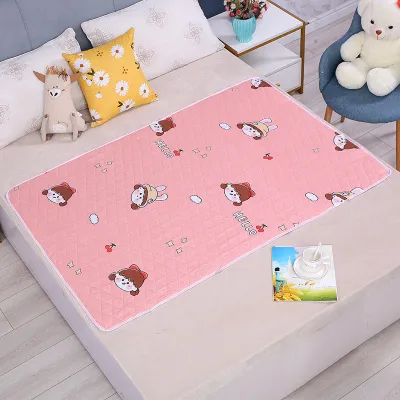
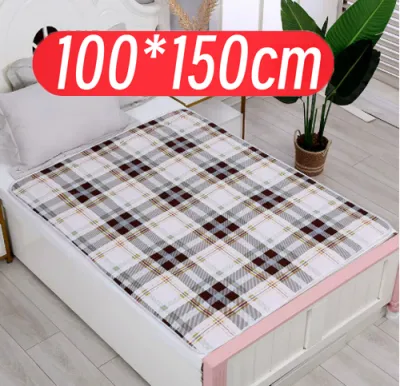
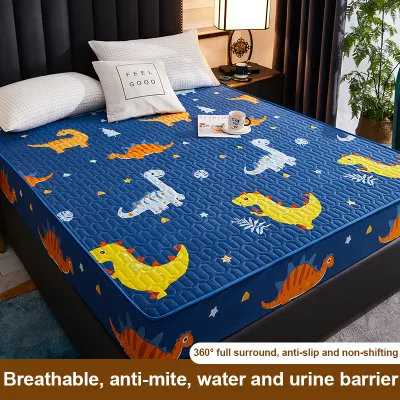
Prices are valid at publication and may change. Please refer to the product page for the latest price.
Balancing Breathability with Liquid Resistance
Many traditional waterproof covers rely on thick, non-porous plastic backings that completely block airflow. In the warm and humid Philippine climate, trapping heat can cause your baby to sweat excessively, potentially leading to heat rashes, also known as bungang-araw, and restless sleep. Modern nursery protectors utilize advanced membrane technology, such as Thermoplastic Polyurethane (TPU). This material features microscopic pores that are large enough to allow heat and water vapor to escape, keeping the sleeping surface cool, yet small enough to block larger liquid molecules from passing through to the mattress.
Evaluating the "Crinkle Factor"
Babies are highly sensitive to noise, especially during light sleep cycles. Cheap, stiff plastic protectors often make a loud rustling or crinkling sound whenever the baby shifts position. To ensure uninterrupted rest, look for protectors that feature a soft, quiet top layer laminated to the waterproof backing. Materials like cotton terry, bamboo-derived rayon, or soft polyester knits help muffle movement sounds, providing a quiet environment that supports healthy sleep patterns.
Checking Secure Fit Mechanisms
A waterproof protector must stay firmly in place to perform its job and maintain safety. If a cover slips, slides, or bunches up under the bedsheet, it can create an uneven surface or expose parts of the mattress to moisture. For cribs, look for deep pockets with strong, continuous elastic bands that wrap completely under the mattress. For changing pads, ensure the protector has robust elastic edges or secure attachment straps that prevent shifting during active diaper changes.
Specific Requirements for Baby Crib Mattresses
Crib sleep environments require strict adherence to safety guidelines. Because infants spend up to 16 hours a day sleeping, the waterproof protector you choose must meet specific physical standards to prevent sleep-related hazards.

Ensuring Exact Dimension Matching
Crib mattresses in the Philippines are available in various dimensions, including standard international sizes (such as 28 by 52 inches) and smaller local or compact sizes (such as 24 by 48 inches). Before purchasing a sapin sa higaan waterproof, you must measure your crib mattress’s length, width, and depth precisely. A protector that is too large will bunch up, creating dangerous folds of loose fabric that pose a suffocation risk. Conversely, a protector that is too small can pull the corners of the mattress upward, creating gaps between the mattress and the crib frame where a baby’s limbs could become trapped.
Comparing Fitted Skirts and Full Zippered Encasements
Parents generally choose between two primary styles of crib protectors, each offering distinct advantages:
- Elasticized Fitted Skirts: These function like a standard fitted sheet, covering the top and sides of the mattress. They are highly practical because they can be stripped off quickly during middle-of-the-night diaper leaks, making them the preferred choice for daily convenience.
- Full Zippered Encasements: These enclose all six sides of the mattress, securing it with a zipper. While they offer comprehensive protection against dust mites, allergens, and bedbugs, they are much more difficult to remove and wash.
For the most efficient setup, many caregivers use a zippered encasement as a permanent base layer to protect the mattress core, and layer an easy-to-remove fitted skirt protector on top for daily washability.
Verifying Mattress Firmness
Pediatric safety guidelines emphasize that infants must sleep on a flat, firm surface to reduce the risk of Sudden Infant Death Syndrome (SIDS). Some waterproof protectors feature thick, quilted pillow-tops or heavy padding designed for adult comfort. However, excessive padding can soften a baby’s sleeping surface too much, allowing their face to sink into the material if they roll over. Ensure the crib protector you select is thin, low-profile, and does not alter the firm support of the underlying mattress.
Specific Requirements for Changing Table Pads
Changing table pads serve a very different purpose than crib mattresses. While cribs require a sleep-safe, breathable surface, changing pads demand high-durability protection designed to handle frequent, direct messes.
Assessing Material Resistance to Frequent Cleaning
Diaper changing areas are hot spots for spills, leaks, and sudden accidents. Consequently, a changing pad protector must withstand constant wiping and sanitizing. Look for materials that can be easily wiped clean with baby-safe sanitizing sprays or mild soapy water without cracking, peeling, or degrading over time. The waterproof backing must remain intact even after exposure to the mild alcohol-free disinfectants commonly used in nurseries.
Compatibility with Contoured Pad Shapes
Many modern changing pads feature a contoured design with raised safety edges on two or three sides to help keep the baby centered and secure. A standard flat waterproof sheet will not conform to these curves, leading to loose fabric or slipping. Look for protectors specifically labeled as contoured changing pad covers. These are designed with tailored corners and elasticized bottoms that hug the unique curves of the pad, ensuring a smooth, secure fit.
Accommodating Safety Harnesses and Straps
Most changing pads are equipped with safety straps to secure the baby during diaper changes. A proper waterproof cover must accommodate these safety features. Check the product specifications to ensure the protector includes pre-cut, reinforced slots or buttonholes that allow the safety harness to pass through easily. Never bypass or cover up safety straps to fit a protector, as securing your baby is paramount during changes.
Material Safety and Certification Checks
Because your baby’s skin will be in close proximity to the mattress protector, verifying the chemical safety of the materials is just as important as checking its physical fit.
Identifying Safe Waterproof Backing Materials
When shopping for a sapin sa higaan waterproof, carefully read the material composition label. Older or cheaper waterproof sheets often utilize Polyvinyl Chloride (PVC) or vinyl. PVC is stiff, noisy, traps heat, and can release volatile organic compounds (VOCs) and phthalates, which are chemical plasticizers used to make plastic flexible. Instead, opt for Thermoplastic Polyurethane (TPU). TPU is a safer, non-toxic, and highly flexible polymer that provides excellent waterproofing without the off-gassing risks associated with vinyl.
Looking for Recognized Textile Safety Labels
Since safety standards and chemical formulations can change, look for manufacturers that provide clear declarations regarding the absence of harmful substances. Check product packaging or online listings for recognized textile safety certifications, such as the OEKO-TEX Standard 100. This independent certification verifies that every component of the product, from the fabric to the thread and the waterproof membrane, has been tested and found free from harmful levels of chemicals, heavy metals, and formaldehyde.
Understanding Hypoallergenic and Dermatological Claims
Babies have thin, sensitive skin that is highly susceptible to contact dermatitis and eczema. If a product claims to be hypoallergenic or dermatologically tested, verify what materials are actually used. Look for top layers made from natural, untreated fibers like organic cotton or bamboo, which are naturally gentle on sensitive skin. Avoid protectors treated with chemical water repellents, optical brighteners, or synthetic fragrances, as these additives can trigger allergic reactions.
Building Your Shortlist: Evaluating Options Online and In-Store
Once you understand the safety and material requirements, you can begin comparing specific products available in local retail stores and online marketplaces.
Filtering E-Commerce Reviews for Real-World Feedback
When browsing online marketplaces in the Philippines, do not rely solely on overall star ratings. Filter the customer reviews to look for specific feedback regarding durability, noise, and heat retention. Search for keywords like “mainit” (hot), “maingay” (noisy), or “leak” to see how the product performs in local households. Pay close attention to reviews written after several months of use, as these often reveal whether the waterproof backing peels or cracks after multiple trips through the washing machine.
Verifying Return and Exchange Policies
Because mattress protectors are classified as personal hygiene products, many physical stores and online sellers enforce strict no-return policies once the original packaging has been opened. To avoid being stuck with an unusable item, double-check your mattress or changing pad measurements before making a purchase. If you are buying online, confirm the seller’s policy regarding manufacturing defects or incorrect shipments so you can secure a replacement if needed.
Comparing the Price-to-Durability Ratio in ₱
In the Philippine market, nursery waterproof protectors range in price from budget-friendly options around ₱200 to premium imported brands costing upwards of ₱1,500. While a very cheap plastic sheet may seem economical initially, it often requires frequent replacement due to cracking or tearing in the wash. Investing in a mid-range to premium TPU-backed protector (typically priced between ₱600 and ₱1,200) generally offers better long-term value. Consider purchasing a multi-pack or buying at least two protectors; this ensures you always have a clean, dry backup ready to use while the other is in the laundry, which is especially helpful during the rainy season when line-drying takes longer.
Frequently Asked Questions (FAQ)
Do I need a waterproof protector if I use disposable changing pad liners?
Yes, a waterproof changing pad protector is still highly recommended even if you use disposable liners. While disposable liners are convenient for catching minor messes, they can easily shift, bunch up, or overflow during larger diaper blowouts. A fitted waterproof cover acts as a reliable secondary defense, preventing liquids from soaking into the foam core of the changing pad, which can quickly lead to mold and mildew growth in humid tropical climates.
How often should I wash the crib mattress protector?
Under normal circumstances, you should wash your baby’s crib mattress protector once a week during your routine bedding changes to remove sweat, dust, and dead skin cells. However, you should strip and wash the protector immediately following any diaper leaks, spit-ups, or spills. Keeping at least two or three protectors on hand ensures your baby’s crib mattress remains fully protected at all times, even during consecutive laundry days.
Can I use a regular waterproof bed sheet instead of a fitted protector for the crib?
No, you should never use a loose waterproof bed sheet, flat plastic film, or an adult-sized waterproof sheet tucked under a crib mattress. Loose bedding of any kind poses a severe suffocation and strangulation hazard for infants. Only use specifically designed, correctly sized crib mattress protectors that feature deep elastic pockets or secure zippered closures to ensure the cover remains completely flat, taut, and immobile throughout the night.
Community discussion
Share your experience or ask a question. Comments are reviewed before publication.