
Selecting the perfect toothbrush for your child is more than just picking their favorite cartoon character from the store shelf. To protect your little one’s developing smile, you must match the brush’s physical design directly to their age, oral anatomy, and motor skills. A tool that is too large can cause gagging, while bristles that are too stiff can damage delicate gum tissues.
When searching for the right toothbrush brush for kids, parents must look beyond colorful packaging and focus on safety, comfort, and efficacy. In the warm and humid climate of the Philippines, oral hygiene tools also require careful selection and storage to prevent bacterial growth. By understanding how your child’s mouth and coordination change at each stage, you can establish a healthy, pain-free brushing routine that lasts a lifetime.
Why Your Child's Developmental Stage Dictates Their Toothbrush
A child’s oral cavity undergoes rapid transformations from infancy through the school-age years. During these stages, the size of the jaw, the sensitivity of the gums, and the thickness of the tooth enamel are constantly evolving. Primary teeth have much thinner enamel and larger pulp chambers than permanent teeth, making them highly susceptible to decay if not cleaned properly, yet delicate enough to be easily damaged by aggressive scrubbing with incorrect tools.
Products mentioned in this guide
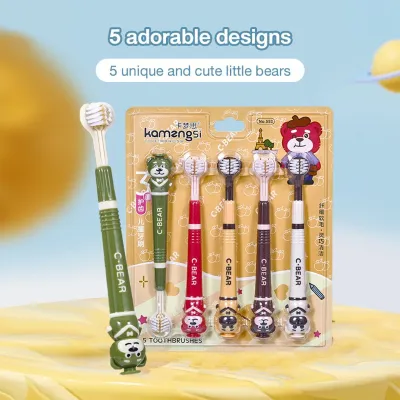
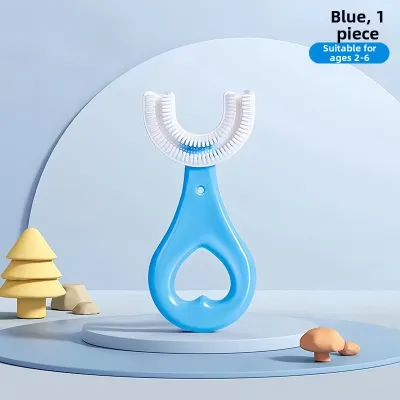
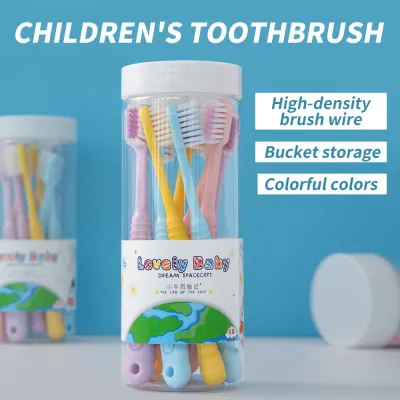
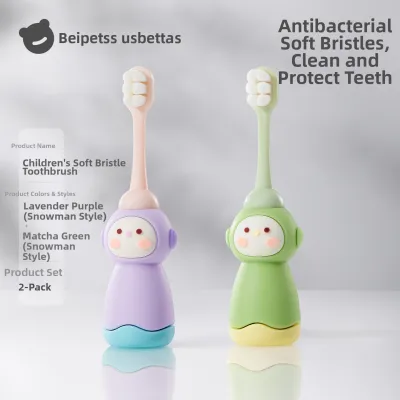
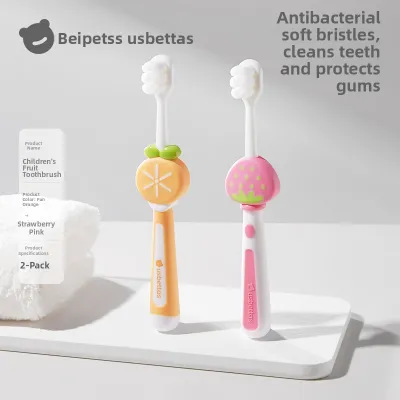
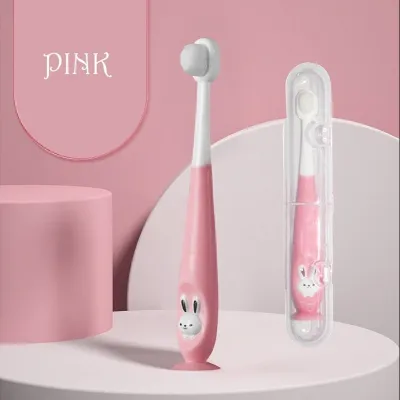
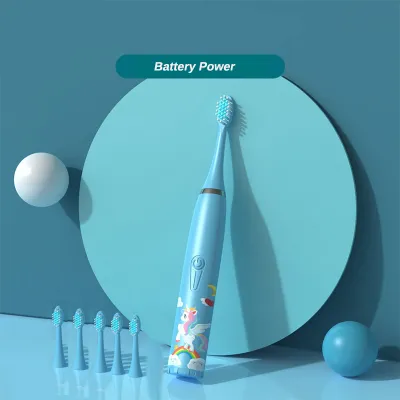
Prices are valid at publication and may change. Please refer to the product page for the latest price.
Physical growth also determines a child’s manual dexterity. Fine motor skills develop gradually, meaning a toddler cannot grip or maneuver a toothbrush the same way a seven-year-old can. The handle thickness, grip texture, and overall length of the brush must complement their current developmental milestone to make brushing effective rather than frustrating.
Using an age-appropriate tool reduces brushing resistance and prevents micro-trauma to the soft tissues of the mouth. When a toothbrush fits comfortably and does not cause pain, children are far more likely to cooperate during their daily routine. Investing time in selecting the correct brush sets a positive, stress-free foundation for their lifelong dental health.
3 Essential Features to Check Before Buying a Toothbrush Brush for Kids
Before browsing the baby care aisle or online marketplaces, parents should familiarize themselves with three non-negotiable physical attributes. These features ensure the brush is both safe for young mouths and easy for small hands to control.

Bristle Softness and Gum Protection
For pediatric oral care, ultra-soft or soft bristles are mandatory. Children’s gums are highly sensitive, especially during teething phases or when permanent teeth are erupting. Hard or medium bristles can cause painful gum recession and wear down the thin layer of protective enamel on primary teeth.
Always check the packaging to verify the bristle grade, prioritizing labels that specify “extra soft” or “ultra soft.” Additionally, look for bristles with rounded, polished tips rather than flat, bluntly cut ends. Polished tips glide smoothly over the tooth surfaces and gum line, minimizing the risk of micro-scratches on the oral tissues.
Head Size and Mouth Fit
The head of the toothbrush must comfortably fit the small dimensions of your child’s oral cavity. If the brush head is too large, it will be incredibly difficult to maneuver around the tight corners of the mouth, often triggering a gag reflex when reaching the back molars. This discomfort can quickly make your child associate brushing with fear or nausea.
Opt for compact, rounded, or oval-shaped brush heads that allow for easy movement in tight spaces. A helpful benchmark is the “two-teeth rule,” meaning the brush head should ideally only cover about two teeth at a time. The outer edges of the head should ideally be cushioned with a soft rubber border to protect the inner cheeks and gums from accidental bumps. As your child’s jaw grows, the size of the brush head should scale up gradually to ensure adequate coverage.
Handle Ergonomics for Motor Skills
The handle of the toothbrush must match the user’s grip capability. For infants and toddlers who are just learning to hold objects, look for thick, chunky handles with non-slip rubber grips. These wide designs allow a child to use their full fist to hold the brush, which is the natural grip style for early developmental stages, often referred to as a power grip.
As children transition into preschool and school ages, their fine motor skills refine, allowing them to hold slimmer, more contoured handles using a precision grip. The handle should still feature textured surfaces to prevent slipping when wet. A secure grip is essential not only for the child’s practice but also for parents who must assist with the brushing process to ensure thorough cleaning.
Step-by-Step Toothbrush Selection by Age Group
Children progress through distinct dental milestones, each requiring a shift in oral hygiene tools. Here is how to select the right toothbrush brush for kids based on their specific age bracket.
Infants (0–12 Months): Gums and First Teeth
Oral care begins long before the first tooth erupts. For pre-teething infants, parents should use a soft silicone finger brush or clean, damp baby gum wipes to gently clear away milk residue after feedings. This practice cleans the gums and acclimates the baby to having their mouth cleaned, reducing resistance later on.
Once the first primary tooth emerges—typically around six months of age—it is time to transition to a specialized infant toothbrush. These brushes feature an extra-small head, only a few rows of ultra-soft bristles, and a design suited for tiny mouths. Always check the manufacturer’s age labeling on the packaging to ensure the brush is rated for infants.
Safety is paramount during this stage. Look for infant toothbrushes equipped with built-in physical choke guards or wide, circular handles. These safety features prevent the baby from accidentally pushing the brush too far back into their throat if they grasp the handle themselves. Never leave an infant unattended with any oral care tool.
Toddlers (1–3 Years): Assisted Brushing and Training
Between the ages of one and three, toddlers are eager to mimic their parents’ actions but lack the coordination to clean their teeth effectively. For this training phase, select a toothbrush with a very thick, bulbous handle that is easy for a toddler’s small hand to grasp. This encourages them to practice holding and moving the brush.
The brush head must remain small and rounded to navigate the growing number of primary teeth without causing discomfort. Because toddlers often bite down on the bristles out of curiosity or teething discomfort, the bristles may wear out rapidly. It is wise to purchase dual-packs so you always have a spare, high-quality brush on hand. A common strategy is the “two-brush method,” where the toddler holds one brush to feel independent, while the parent uses a second brush to do the actual cleaning.
To make the routine more engaging, you can choose brushes featuring bright colors or popular characters. However, never sacrifice safety or size standards for a fun design. Remember that at this stage, the toddler is only practicing; parents must perform the actual, thorough brushing to ensure all plaque is removed.
Preschoolers (3–5 Years): Building Independence
By age three, most children have a full set of primary teeth, and their hand-eye coordination is steadily improving. Preschoolers often insist on brushing “all by myself.” To support this developing independence, choose a toothbrush with an ergonomic handle featuring textured, non-slip thumb rests and finger grips.
The brush head for a preschooler can be slightly larger than a toddler’s model, but it must still remain proportional to their primary teeth. Look for brushes that have slightly tapered bristle layouts to reach the gaps between closely spaced baby teeth. The overall design should feel lightweight and balanced in their hand.
Despite their enthusiasm, preschoolers do not possess the manual dexterity required to clean the hard-to-reach surfaces of their back teeth. Parents must strictly enforce the “parental finish” rule. Let your child brush first to build confidence, but always follow up by thoroughly re-brushing their teeth to ensure complete plaque removal.
School-Age (6+ Years): Refining Technique and Permanent Teeth
Around age six, children begin losing their primary teeth as permanent molars and incisors start to erupt. This mixed-dentition stage presents unique cleaning challenges, as the mouth contains teeth of varying heights, creating uneven surfaces where food particles and plaque easily accumulate. The six-year molars, which erupt at the very back of the mouth, are particularly vulnerable to early decay because they are difficult to reach.
Transition your child to a standard school-age toothbrush, which features a slightly longer, slimmer, and more flexible handle. This design allows for better reach and angle control as they learn to brush at a 45-degree angle toward the gum line. The brush head should remain relatively compact to reach the very back of the expanding jaw.
Look for brushes with multi-level or angled bristles, which are highly effective at cleaning around uneven tooth heights and early orthodontic braces. Some models feature color-changing bristle indicators that fade over time, providing a visual reminder to the child that it is time to replace their worn-out brush.
Manual vs. Electric: Which is Better for Your Child?
A common dilemma for parents is deciding between a manual toothbrush and an electric model. Pediatric dentists emphasize that both manual and electric toothbrushes can clean teeth effectively when used with the correct technique for the recommended two minutes. The choice ultimately depends on your child’s specific habits, coordination, and preferences.
Electric toothbrushes offer several distinct advantages, particularly for children who strongly resist brushing or struggle with the manual dexterity required for circular brushing motions. The rapid, automatic movement of the brush head does much of the physical work, making it easier to clean teeth thoroughly in less time. Many kids’ electric models also come with built-in two-minute timers or interactive apps that turn brushing into a game, significantly improving compliance.
Electric brushes are also highly beneficial for older children wearing orthodontic braces, as the vibrations help dislodge food particles from brackets and wires. Some advanced models even feature pressure sensors that alert the child if they are pressing too hard, protecting their gums from excessive friction.
When choosing an electric toothbrush, safety guidelines are critical. Ensure the device is specifically designed for children, featuring a smaller brush head, ultra-soft bristles, and a lower vibration speed than adult models. Always check the manufacturer’s age recommendations on the product packaging, which typically specify suitability for children aged three years and older.
Never use adult electric toothbrushes or adult replacement heads on a child’s teeth. Adult models deliver vibrations that are far too intense for developing pediatric teeth and gums, which can cause pain or damage. Always supervise your child during electric brushing to ensure they do not bite down hard on the vibrating head or apply excessive pressure.
Maintenance: When to Replace and How to Store the Brush
Even the best toothbrush cannot clean effectively if it is worn out or harboring bacteria. Establishing a strict maintenance and replacement routine is vital to protect your child’s oral and systemic health.
As a general rule, you should replace your child’s toothbrush or electric brush head every three to four months. However, children often chew on their brushes, which can cause the bristles to fray and splay much faster than adult brushes. If you notice the bristles spreading outward or losing their original shape, replace the brush immediately, as frayed bristles cannot clean plaque effectively and can irritate the gums.
Additionally, replace the toothbrush immediately after your child recovers from a contagious illness, such as a cold, flu, or viral throat infection. Pathogens can linger within the dense bristle clusters, posing a high risk of reinfection if the same brush is used again.
Proper storage is especially critical in the warm, humid climate of the Philippines. After each use, rinse the toothbrush thoroughly under running water to remove all remaining toothpaste and debris. Shake off excess water vigorously and store the toothbrush upright in an open holder or cup, allowing it to air dry completely.
Never cover a damp toothbrush with a closed plastic cap or store it inside a dark, unventilated medicine cabinet. The trapped moisture creates an ideal breeding ground for mold and harmful bacteria. If your bathroom lacks adequate ventilation or remains highly humid, consider storing the toothbrush holder in a well-ventilated bedroom area instead. Ensure there is adequate airflow around the brush head, and keep sibling toothbrushes separated to prevent cross-contamination.
Frequently Asked Questions (FAQ)
At what age can a child brush their teeth without supervision?
Most pediatric dental guidelines recommend that parents actively supervise and assist their children with brushing until they are around seven to eight years old. Even if a child wants to brush independently, they often lack the focus and physical coordination to clean every tooth surface thoroughly.
A practical developmental benchmark to look for is your child’s overall fine motor control. If your child can tie their own shoelaces securely or write neatly in cursive, they likely have developed the dexterity required to brush effectively on their own. Until they reach this milestone, continue to monitor their routine and perform a quick touch-up brush at the end.
How much toothpaste should I use with my child's toothbrush?
The correct amount of toothpaste depends strictly on your child’s age to prevent the risk of mild fluorosis from swallowing too much paste. For children under the age of three, use a tiny smear of toothpaste no larger than a single grain of rice. For children aged three to six, increase this to a pea-sized amount.
Always check the specific product label for age suitability and manufacturer instructions. It is highly recommended to consult your pediatric dentist regarding the use of fluoridated toothpaste, taking into account your child’s ability to spit out the paste and the local water fluoridation levels in your area.
Community discussion
Share your experience or ask a question. Comments are reviewed before publication.