
Choosing the right sleep sack for your baby requires balancing two critical factors: the thermal resistance of the fabric and the physical dimensions of the garment. To keep your little one safe and comfortable, you must match the sleep sack’s Thermal Overall Grade (TOG) rating to the actual temperature of your nursery while selecting a size based strictly on your baby’s current weight and height. A proper fit ensures the sleep sack cannot slip over your baby’s head, while the correct TOG rating prevents overheating, which is a key safety consideration for infant sleep.
Understanding TOG Ratings to Match Your Nursery's Temperature
When shopping for sleep sacks for baby, you will frequently encounter the term TOG, which stands for Thermal Overall Grade. This is a standardized unit of measurement used to calculate the thermal insulation of a product. Many parents mistakenly assume that a thicker, heavier fabric automatically translates to a higher TOG rating, but fabric composition and weave play a significant role in heat retention. Understanding this rating helps you maintain a comfortable sleeping environment without relying on heavy, loose bedding.
Because homes in the Philippines experience a wide range of indoor climates—from humid, fan-cooled rooms to air-conditioned nurseries—relying on generic seasonal advice is rarely sufficient. Instead of guessing, you should always check the manufacturer’s specific temperature guide printed on the product packaging or label. These guides provide a reliable framework for matching specific TOG values to the ambient temperature of the room where your baby sleeps.
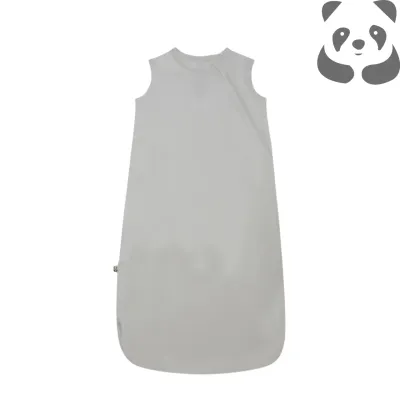
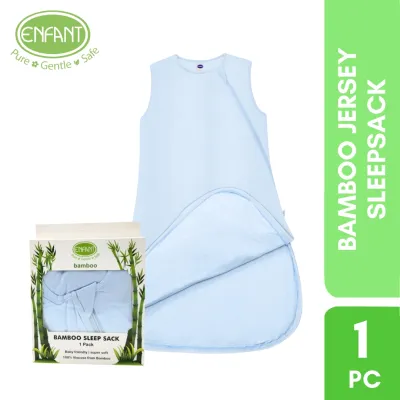
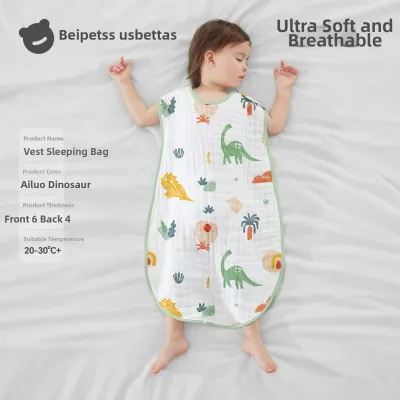
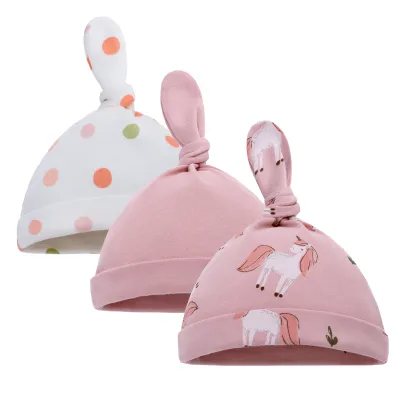
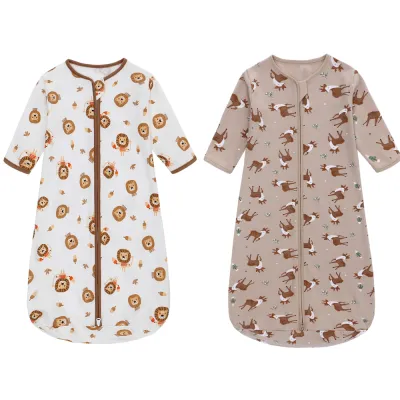
Products mentioned in this guide
![[Einmilk Swaddle Sleeping Bag] Baby Transitional Swaddle Sleeping Bag 100% Cotton Open Two Way Zip Baby Wrapper](https://img.lazcdn.com/g/p/41f15536e4846b364dfe3d2cb31323ef.jpg_400x400q80.jpg_.webp)
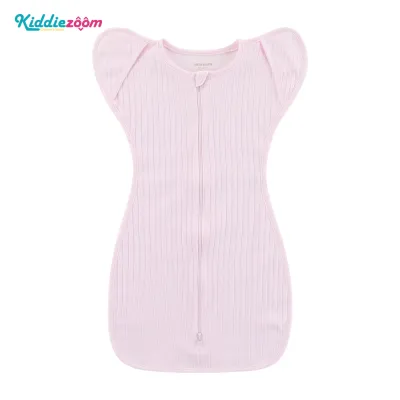
![[Teeker]Newborn Baby Swaddle Wraps Cotton Four Seasons Sleeping Bags Cartoon Anti Startle Anti Kick 360° Wrapped 30x60CM Bed Accessories For Neonate Infant 0-3 Months](https://img.lazcdn.com/g/p/15421bddd6075ef1332eb00e5cf69036.png_400x400q80.png_.webp)
Prices are valid at publication and may change. Please refer to the product page for the latest price.
The fundamental principle of TOG selection is straightforward: higher TOG ratings provide greater thermal insulation for cooler environments, while lower TOG ratings are designed for warmer conditions. For instance, a nursery kept cool by a strong air conditioner will require a different TOG rating than a room naturally ventilated by tropical breezes. By aligning the garment’s insulation level with your specific indoor climate, you can help your baby maintain a stable, comfortable body temperature throughout the night.
How to Select a Safe and Secure Sleep Sack Size
Selecting the correct size for a sleep sack is a matter of safety rather than just comfort. When reviewing sizing charts, you must prioritize your baby’s current weight and height measurements over their age in months. Age-based sizing is merely a general estimate, and because infants grow at highly individual rates, relying solely on age can easily lead to purchasing a garment that is either too small or dangerously loose.

Before letting your baby sleep in a new sleep sack, you must perform several critical physical fit checks. First, examine the neck opening and armholes; they should be snug enough to prevent your baby’s head from slipping down inside the sack, yet loose enough to avoid pinching or restricting movement. Second, verify the overall length of the sack. The fabric must not bunch up near the face or allow the baby to pull their legs up into the body of the sack in a way that creates excess, loose material.
It is highly tempting to buy an oversized sleep sack with the intention of letting your baby “grow into it,” but this practice poses severe safety hazards. An oversized sleep sack often has a neck opening that is too large, which significantly increases the risk of the fabric shifting upward and covering the baby’s nose and mouth during sleep. To maintain a safe sleep environment, always choose a sleep sack that fits your baby perfectly right now, and transition to the next size only when their physical measurements warrant the change.
Layering Sleepwear Based on Room Conditions and TOG
To create the ideal sleep environment, you must consider how the sleep sack interacts with the clothing your baby wears underneath. This process begins with an accurate assessment of the actual room temperature in the nursery. Keep in mind that the temperature near the crib can differ from the thermostat setting due to factors like running electric fans, air conditioning vents blowing directly toward the bed, or afternoon sunlight heating up specific walls.
Once you have determined the room’s temperature, you can layer your baby’s sleepwear to complement the sleep sack’s TOG rating. For warmer rooms, a simple short-sleeve bodysuit or even just a diaper under a low-TOG sleep sack may be sufficient. In cooler, air-conditioned spaces, you might opt for a long-sleeve cotton footie pajama underneath. Layering allows you to make fine adjustments to your baby’s warmth without needing to purchase a completely different sleep sack for minor temperature fluctuations.
Because babies cannot regulate their body temperature as efficiently as adults, you must regularly monitor them for physical signs of discomfort. To check if your baby is overheating, feel the back of their neck or their chest; signs of excess heat include sweating, damp hair, flushed skin, or rapid breathing. Conversely, if their chest or back feels unusually cool to the touch, they may need an additional clothing layer. Avoid using the temperature of their hands or feet as a guide, as extremities naturally tend to feel cooler than the core body temperature.
Safety Boundaries and When to Stop Using a Sleep Sack
While sleep sacks are excellent tools for safe sleep, they must be used within strict safety boundaries. Before purchasing or using any sleep sack, verify that the product meets recognized safety standards and is completely free of hazardous design elements. Inspect the garment for loose buttons, long drawstrings, decorative toggles, or hoods, as these features can pose choking, strangulation, or suffocation risks in the crib.
As your baby grows, their physical development will dictate when it is time to transition away from certain types of sleepwear. If you are using a swaddle-style sleep sack that restricts the arms, you must stop using it at the very first sign of your baby attempting to roll over. For standard, arms-free sleep sacks, you should monitor milestones such as pulling up to stand or attempting to climb out of the crib. Once your child reaches these active stages, a traditional sleep sack may restrict their movement or pose a tripping hazard, signaling that it is time to transition to a sleep suit with foot openings or other age-appropriate sleepwear.
Always consult the manufacturer’s care and safety instructions for the specific limits of your product. Manufacturers establish clear weight caps, height limits, and usage warnings that are tailored to the structural design and fabric strength of their garments. Adhering to these guidelines ensures that the sleep sack continues to perform safely throughout its entire lifespan.
Frequently Asked Questions (FAQ)
Can my baby wear a sleep sack over regular loose blankets?
No, your baby should never wear a sleep sack in combination with loose blankets. Sleep sacks are specifically designed to serve as a safe, wearable alternative to traditional blankets, eliminating the risk of loose fabric shifting and covering your baby’s airway. To maintain a safe sleep environment, keep the crib completely free of loose blankets, pillows, stuffed toys, bumper pads, and any other soft bedding that could pose a suffocation hazard.
How do I wash a sleep sack to preserve its TOG rating and safety?
To preserve both the safety and the insulating properties of a sleep sack, you must strictly follow the care instructions printed on the product’s label. Washing garments with harsh detergents, using bleach, or drying them on high heat can degrade the internal fibers and compromise the fabric’s TOG rating. Furthermore, improper washing can cause the fabric to shrink unevenly, which may alter the fit of the neck and armholes and turn a previously safe sleep sack into a safety hazard.

Community discussion
Share your experience or ask a question. Comments are reviewed before publication.