
Choosing the right toddler carrier depends on finding the perfect balance between your child’s physical development, your personal comfort, and your daily lifestyle. As babies transition into active toddlers, their carrying needs shift. While infants require close, snug, and highly structured head support, toddlers demand a carrier that can accommodate rapid growth, heavier weight, and their constant desire to transition between walking independently and being held.
To make the best choice, you must compare the three main categories: Soft Structured Carriers (SSCs), Hip Seat Carriers, and Mei Tai Carriers. SSCs offer the most versatile, buckle-based support for extended daily wear and long walks. Hip seat carriers provide a firm, built-in shelf that excels at reducing arm strain during frequent up-and-down transitions with heavier toddlers. Mei Tai carriers utilize a traditional tie-based design that delivers a highly customized, breathable fit, making them excellent for varying caregiver body types and hot, humid climates. Understanding how these designs interact with your toddler’s size and your daily routines will guide you to the safest and most comfortable option.
Assess Your Carrying Needs and Toddler's Size
Before selecting a specific carrier design, you must evaluate your toddler’s current physical development. Many parents mistakenly rely solely on age recommendations printed on packaging, but weight, height, and torso control are far more accurate indicators of readiness. You must cross-reference your child’s measurements directly with the manufacturer’s official documentation. A toddler who has outgrown the seat width of an infant carrier requires a wider panel to maintain an ergonomic position, where the fabric supports the thighs from knee crease to knee crease.
Products mentioned in this guide
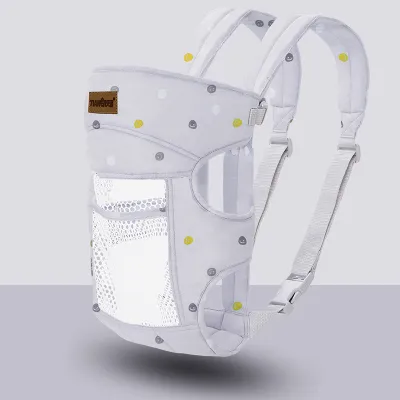
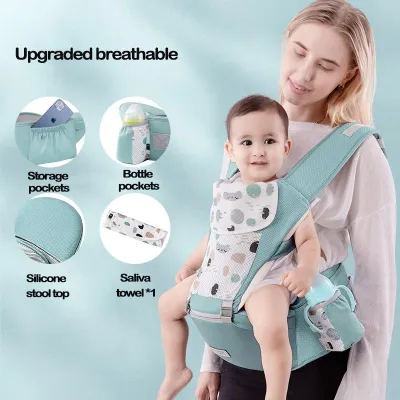
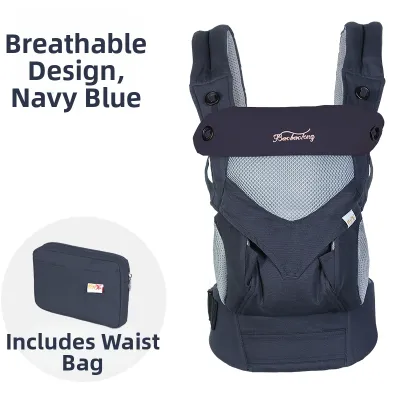
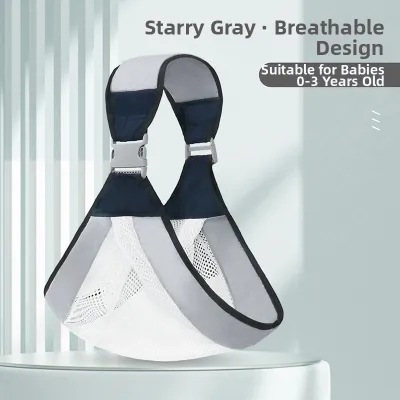
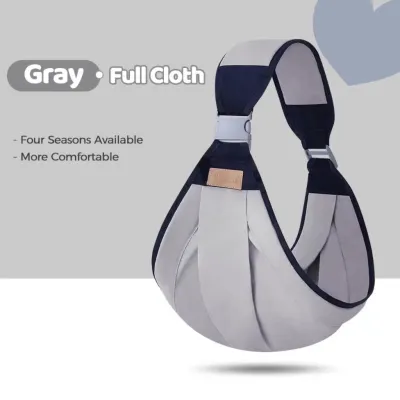
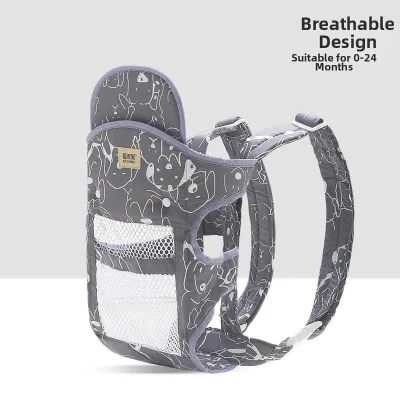
Prices are valid at publication and may change. Please refer to the product page for the latest price.
Caregiver physical comfort is equally critical. Carrying a child who weighs 10 to 15 kilograms or more places significant demands on your musculoskeletal system. If you experience lower back sensitivity, shoulder strain, or have joint concerns, certain carrier styles will distribute weight better than others. For instance, wide, padded waistbands transfer the child’s weight to your hips, relieving your shoulders, while crossable shoulder straps can prevent localized neck strain.
Finally, map out your typical daily activities. Consider whether you will use the carrier primarily for long outdoor walks, navigating crowded public spaces, managing quick indoor chores, or handling frequent transitions when your toddler wants to walk and then be carried. In tropical environments with high humidity, such as typical warm afternoons in the Philippines, fabric breathability and heat retention become major safety and comfort factors for both you and your child. Budget is another factor to keep in mind, as quality carriers in the local market range from basic models around ₱1,500 to premium ergonomic brands exceeding ₱8,000.
Soft Structured Carriers (SSC): The Versatile Everyday Choice
Soft Structured Carriers, often referred to as buckle carriers, are the most widely recognized modern carrying option. They feature a structured fabric body panel, heavily padded shoulder straps, a thick, supportive waistband, and adjustable plastic buckles that secure the carrier in place. This design mimics the weight-distribution principles of an outdoor backpack, making it highly effective for carrying heavier children over long distances.

The primary advantage of an SSC is its user-friendly nature and exceptional weight distribution. Once the straps are adjusted to your body, putting the carrier on and securing your toddler takes only a matter of seconds. Most SSC models allow for multiple carrying positions, including front-carry (facing inward) and back-carry, which is highly recommended for older, heavier toddlers as it keeps your front clear and aligns the weight closer to your center of gravity.
However, SSCs do have notable limitations. The structured padding and heavy-duty fabrics that provide excellent support can make these carriers bulky and difficult to pack into a compact diaper bag or stroller basket. Additionally, the thick padding can trap body heat, which can lead to excessive sweating and discomfort for both the caregiver and the toddler during warm, humid days. While many modern designs incorporate mesh panels to improve airflow, they may still feel warmer than simpler fabric wraps.
This style is the ideal choice for parents who want a reliable, highly secure, and straightforward option for extended wearing sessions. If your daily routine includes long walks, travel, or running errands where your child needs to remain securely positioned for hours at a time, a high-quality SSC with robust waist support is often the most practical investment.
Hip Seat Carriers: Support for Heavy Toddlers and Quick Transitions
Hip seat carriers feature a unique, rigid shelf or wedge-shaped seat that fastens securely around the caregiver’s waist with a wide, heavy-duty belt. This design is available either as a standalone hip seat—where the caregiver keeps one arm around the toddler for support—or as a hybrid system that includes a detachable back panel and shoulder straps to convert it into a full carrier.
The standout benefit of a hip seat is the immediate relief it provides to your arms, wrists, and shoulders. Instead of twisting your spine and resting your toddler on your natural hip bone—a habit that can cause long-term posture problems—the rigid shelf supports the child’s weight completely. This makes it incredibly easy to pick up your toddler and put them down repeatedly, accommodating the typical “up-and-down” phase of an active child who wants to explore on foot but tires quickly.
On the downside, the rigid internal structure of the hip seat (often made of lightweight expanded polystyrene or plastic) cannot be folded. This makes the carrier exceptionally bulky to store or carry when your toddler is walking. Furthermore, because the weight is concentrated heavily around your waist, improper positioning of the waistband can exert uncomfortable pressure on your lower back or pelvic bone. It is crucial to wear the belt tightly and high on your waist, rather than resting it on your hips, to avoid strain.
This carrier type is highly suited for caregivers of heavier toddlers who frequently demand to be held but refuse to stay in a traditional carrier for long periods. It is perfect for short trips to the neighborhood store, navigating stairs, or walking around the house while keeping one hand free to manage light tasks.
Mei Tai Carriers: Customizable Fit and Breathable Comfort
The Mei Tai (also known as a Meh Dai) is a traditional Asian carrier style that beautifully bridges the gap between a structured carrier and a woven wrap. It consists of a simple, rectangular fabric panel with four long straps extending from the corners. Two straps tie around the caregiver’s waist, while the other two wrap over the shoulders, cross over the back, and tie securely around the toddler’s body.
The greatest strength of a Mei Tai is its unparalleled, customizable fit. Because there are no fixed buckles or pre-set adjustment points, the carrier molds perfectly to the unique body shape of both the caregiver and the toddler. This makes it an excellent option for families where multiple caregivers of vastly different sizes share a single carrier. Additionally, Mei Tais are typically constructed from lightweight, single-layer woven cotton or linen fabrics, which offer superior breathability and comfort in hot, tropical climates.
Despite these benefits, the Mei Tai has a steeper learning curve than buckle-based carriers. Learning how to wrap and tie the long straps securely requires practice and patience. The long straps can also be cumbersome to manage when you are outdoors, as they can easily drag on dusty or wet ground while you are tying them. It also lacks the instant “click-and-go” convenience of an SSC.
The Mei Tai is the ideal choice for caregivers who prioritize a personalized, pressure-point-free fit, those who travel frequently and need a highly packable carrier that folds flat, or anyone living in a warm climate who wants to maximize airflow and minimize fabric bulk.
How to Make Your Final Decision and Verify the Fit
Choosing the right toddler carrier requires a systematic approach to ensure safety, comfort, and long-term usability.
Step 1: Match the carrier type to your primary daily scenarios. If you need a quick-use option for a toddler who constantly switches between walking and resting, opt for a hip seat. If you plan on long hikes or extended shopping trips, a soft structured carrier is highly preferable. If you want a lightweight, highly breathable option shared between caregivers of different sizes, a Mei Tai is an excellent fit.
Step 2: Verify the specific model’s physical limits. Before purchasing or using any carrier, read the manufacturer’s official user manual to confirm the maximum weight and height limits. Never assume a carrier is suitable for your toddler based solely on the product name or category.
Step 3: Inspect essential safety features. Check that all buckles click securely into place, straps are free of fraying, seams are intact, and any hook-and-loop fasteners are clean and strong. Ensure you have access to the manufacturer’s instructions for proper wear.
Step 4: Test the fit carefully. When your toddler is in the carrier, ensure that their airway remains completely clear and visible at all times, with their chin off their chest. The carrier panel should support their back securely without allowing them to slump. Their hips should rest in an ergonomic “M-position,” where their knees are slightly higher than their hips, and the seat fabric extends fully to the back of their knees to prevent joint strain.
Safety Boundary: If your toddler shows any signs of physical distress, breathing difficulty, or skin irritation, or if you experience persistent joint, back, or shoulder pain, stop using the carrier immediately. Consult a pediatrician or a certified babywearing educator to verify the fit or address any underlying physical concerns.
Frequently Asked Questions (FAQ)
At what age or weight should I transition to a toddler-specific carrier?
The transition to a toddler-specific carrier depends on your child’s physical development and the limits of your current carrier. You should transition when your child approaches the maximum weight limit specified in your infant carrier’s manual, or when they physically outgrow the seat. A key indicator is when the carrier’s seat panel no longer supports your child’s thighs from knee crease to knee crease, or when the back panel is too short to support their mid-to-upper back, allowing them to lean dangerously far outward.
Can I use a standard infant carrier for my toddler?
Using a standard infant carrier past its specified weight or height limits is highly unsafe. It compromises the ergonomic hip positioning of your child, potentially placing undue stress on their developing joints, and can restrict their airway if they slump. For the caregiver, an outgrown carrier shifts the child’s center of gravity outward, which significantly increases the risk of severe shoulder, neck, and lower back strain. Transitioning to a dedicated toddler carrier or a convertible model designed for larger weight ranges ensures safety and comfort for both of you.
Community discussion
Share your experience or ask a question. Comments are reviewed before publication.