
Transitioning your little boy from a crib to his very first toddler bed is a major developmental milestone. In the Philippines, finding the right bed for toddler boys involves balancing fun designs with structural safety, space constraints, and tropical climate durability. The ideal choice is a low-to-the-ground frame that fits your space, supports your child’s weight safely, and uses materials that can withstand local humidity.
Core Selection Criteria for Toddler Beds
Selecting the right bed requires looking beyond attractive colors and themes. Parents must evaluate several practical dimensions to ensure the new furniture fits both the child’s physical needs and the home’s layout.
Mattress Compatibility and Sizing Many parents hope to reuse their existing baby crib mattress to save on costs. You must verify if the toddler bed frame is designed for a standard crib mattress (typically around 28 inches by 52 inches) or if it requires a proprietary toddler mattress size. A snug fit is essential; there should be no gaps wider than two fingers between the mattress and the bed frame to prevent entrapment. If you need to purchase a new mattress, look for firm options that provide adequate spinal support for growing toddlers.
Products mentioned in this guide
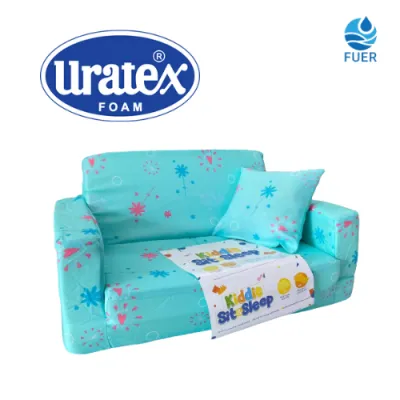
![[ ONHAND ] URATEX BABY KIDDIE SIT AND SLEEP / KIDS BED/ SOFA BED/ KIDIDE SOFA BED](https://img.lazcdn.com/g/p/676b95de0517add8eabc472ee9fd840f.png_400x400q80.png_.webp)
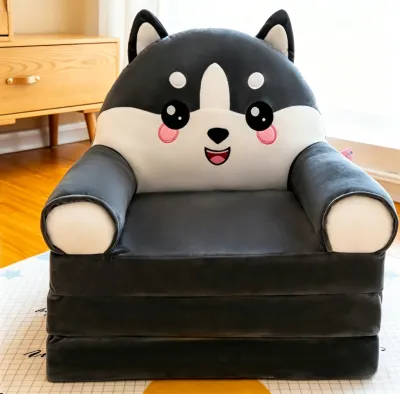
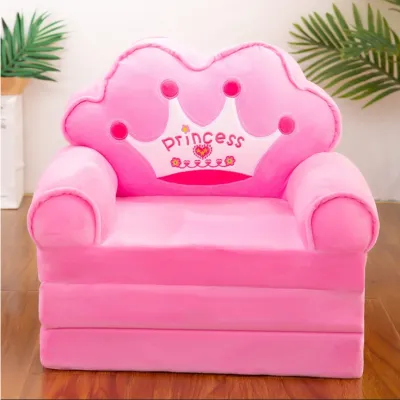
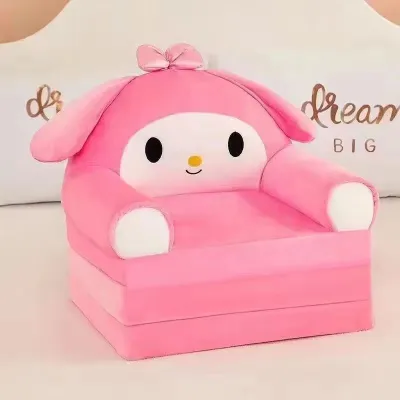
Prices are valid at publication and may change. Please refer to the product page for the latest price.
Weight Capacity and Age Specifications Never rely on generic age recommendations like “for ages two to five” when shopping. Instead, locate the manufacturer’s official weight limit on the product label or manual. Many standard toddler beds support up to 50 pounds (approximately 22.7 kilograms), but some lightweight plastic-and-metal models have lower limits. Ensure the frame can comfortably support your growing boy, especially if you plan to sit on the edge of the bed during bedtime stories.
Floor Clearance and Room Footprint In many Philippine homes, bedroom space is shared or compact. Measure the exact floor area where the bed will sit, keeping in mind that themed beds (like car-shaped frames) often have a much larger footprint than simple wooden frames. Choose a bed with low floor clearance—ideally just a few inches off the ground—so your toddler can easily climb in and out independently without risking a high fall. This low profile also makes it easier to clean underneath, preventing dust accumulation in humid rooms.
Safety Features and Structural Checks
Physical safety is the most critical aspect of any toddler furniture. Parents must perform thorough checks on the bed’s design and construction before allowing their child to sleep in it.

Guardrail Requirements and Gap Sizes Active toddlers move constantly during sleep, often rolling from one side of the bed to the other. Look for built-in guardrails on both sides of the bed. These rails should extend at least five inches above the top of the mattress to prevent your child from rolling out. Check the spacing between the slats of the guardrails; gaps must be narrow enough (typically under 2.375 inches) to prevent a child’s head or limbs from becoming trapped.
Frame Stability and Material Sturdiness High humidity in tropical regions can affect furniture materials over time. Solid wood frames (such as sustainably sourced rubberwood or mahogany) offer excellent stability but must be treated to resist moisture. If opting for engineered wood (MDF), ensure all edges are sealed to prevent swelling from humidity. Inspect the joint construction during assembly; look for metal-on-metal connections rather than simple wood screws, which can loosen and strip over time with active use.
Finish, Paints, and Chemical Safety Toddlers often chew on bed rails, especially when teething or playing. It is vital to verify that the paints, varnishes, or laminates used on the bed frame are non-toxic, lead-free, and phthalate-free. Look for recognized safety certifications on the product packaging or the manufacturer’s official website. Avoid buying unbranded furniture that lacks clear chemical safety labeling, as these may use high-VOC finishes that compromise indoor air quality.
Clear Conditions to Stop Use Every toddler bed has a hard limit. Parents must consult the user manual to identify the exact height and weight thresholds. Stop using the bed immediately if your child’s head is within three inches of the top of the headboard when lying down, if they exceed the weight limit, or if they demonstrate climbing behaviors that allow them to scale the guardrails easily. Transitioning to a larger bed at this stage is necessary to prevent accidental falls.
Design, Themes, and Room Integration
Balancing a child’s excitement with practical home aesthetics is a common challenge for parents. While themed beds are highly appealing to young boys, they require careful consideration regarding longevity and durability.
Themed Beds vs. Neutral Frames It can be tempting to buy a bed shaped like a race car, a spaceship, or a favorite cartoon character to excite your little boy about sleeping alone. However, consider the longevity of these designs. A highly themed bed may lose its appeal within a year or two as your child’s interests change. A neutral wooden or metal frame in white, gray, or natural wood tones offers greater aesthetic flexibility, allowing you to update the room’s theme using bedding, wall decals, and pillows instead.
Durability of Finishes and Decals Active play can take a toll on toddler furniture. If you choose a themed bed with plastic panels or applied decals, inspect how these elements are attached. In warm, humid climates, cheap adhesive decals tend to peel, bubble, or chip, creating a choking hazard or an untidy appearance. Look for scratch-resistant painted finishes or high-quality molded plastics that can be easily wiped clean without fading.
Nursery Integration and Play Space When placing the bed, ensure there is a clear path around it. Avoid positioning the bed directly under air conditioning units, open windows, or wall-mounted shelves that could drop items. In the Philippines, wall fans and ceiling fans are common; ensure the bed is placed far enough away from the path of any low-hanging fan blades or electrical cords to maintain a completely safe sleeping environment.
Building Your Shortlist: Pre-Purchase Verification
Before making a final purchase, parents should conduct a thorough verification process to avoid buyer’s remorse, especially when ordering online.
Cross-Referencing Descriptions and Manuals When shopping on local e-commerce platforms or visiting physical showrooms in urban centers, do not rely solely on the seller’s bullet points. Search for the official manufacturer’s manual online using the exact model number. Verify that the dimensions, weight limits, and assembly requirements listed by the seller match the manufacturer’s specifications exactly. This step helps prevent purchasing counterfeit or poorly replicated items.
Total Cost Evaluation in ₱ The price tag on the box is rarely the final cost. In the Philippines, shipping heavy furniture can add a significant amount to your total bill, especially if you live outside Metro Manila. Factor in these shipping fees, along with the cost of any specialized tools or professional assembly services if you are not comfortable assembling the flat-pack furniture yourself. A budget-friendly bed can quickly become expensive once these extras are calculated.
Return Policies and Replacement Parts Before clicking “buy,” read the merchant’s return policy carefully. Furniture can occasionally arrive with missing hardware or pieces damaged during transit. Ensure the seller offers a clear return or replacement window and has a reliable customer service channel in the Philippines. Check if replacement parts, such as extra screws or matching guardrails, are readily available should you need them later.
Identifying Red Flags in Reviews Customer reviews are invaluable for spotting structural flaws. Look for recurring complaints about wobbling frames, misaligned pre-drilled holes, or chemical odors that persist for weeks. If multiple buyers mention that the wood split during assembly or that the bed felt unstable when their child climbed on it, remove that model from your shortlist immediately.
Frequently Asked Questions (FAQ)
When is the right time to transition from a crib to a toddler bed?
The transition is rarely determined by age alone, though most children make the switch between 1.5 and 3 years old. The most critical signal is physical ability: if your child can climb out of the crib or if the crib mattress is at its lowest setting and the top rail is below their chest, it is time to transition for safety. Additionally, if you are starting nighttime potty training, a toddler bed allows your child to get up and use the bathroom independently, fostering confidence and self-reliance.
Can I use a regular twin bed instead of a toddler bed?
Yes, skipping the toddler bed and moving straight to a twin bed is a popular, cost-effective option. However, you must take extra safety precautions. Because twin beds sit higher off the floor, you should install secure, aftermarket mesh guardrails on both sides to prevent falls. Alternatively, you can place the twin mattress directly on the floor or use an ultra-low-profile platform frame. While a twin bed saves money in the long run by eliminating an intermediate furniture purchase, ensure your child’s bedroom has enough floor space to accommodate the larger footprint without crowding their play area.
Community discussion
Share your experience or ask a question. Comments are reviewed before publication.