
Choosing a teether for your baby is not a one-size-fits-all decision. A suitable choice depends heavily on your baby’s current developmental signs, motor skills, and the specific stage of their teething journey. While age ranges offer a helpful starting point, observing your baby’s physical cues—such as excessive drooling, a sudden urge to bite hard objects, or reaching for the back of their mouth—will guide you to the material, shape, and texture that provide effective relief.
Quick Match: Teether Types for Each Teething Stage
During the early stage of teething, which typically occurs around 3 to 6 months, babies begin to experience initial gum sensitivity and increased drooling. At this phase, their motor skills are still developing, meaning they have a weaker grip and limited coordination. Highly appropriate teethers for this stage are lightweight, soft, and exceptionally easy to hold. Thin silicone rings, fabric teething mitts that strap securely onto the baby’s hand, or lightweight keys prevent frustration from constantly dropping the toy.
As the front incisors begin to break through the gums during the middle stage—usually between 6 to 10 months—the baby’s need for firm counter-pressure increases. This stage requires teethers with textured surfaces, such as raised bumps, ridges, or soft silicone bristles. These textures massage the tender gums and help ease the sharp discomfort of active tooth eruption. The materials should offer moderate firmness to withstand more intense biting without losing their shape.
Products mentioned in this guide
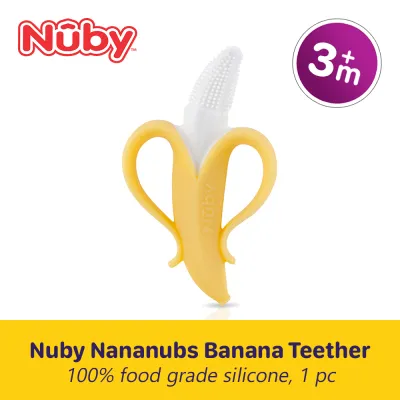
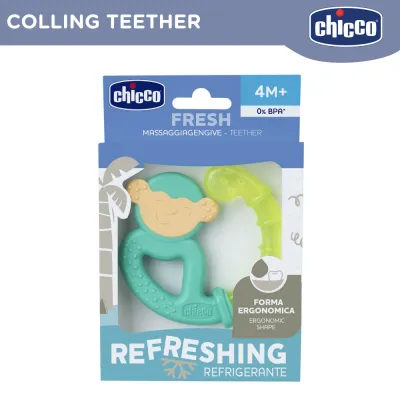
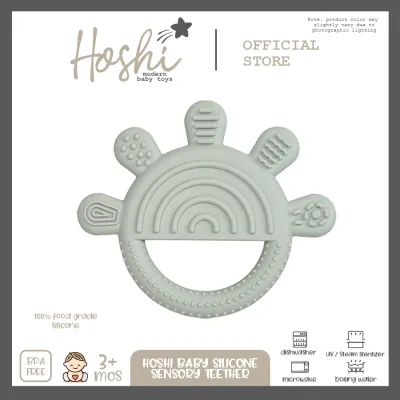
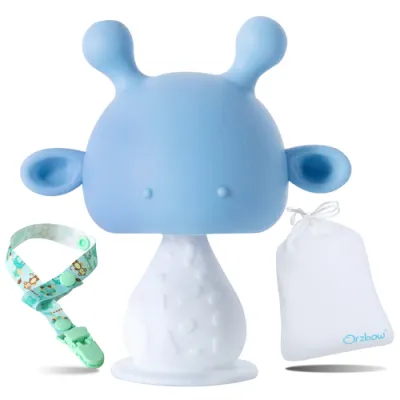
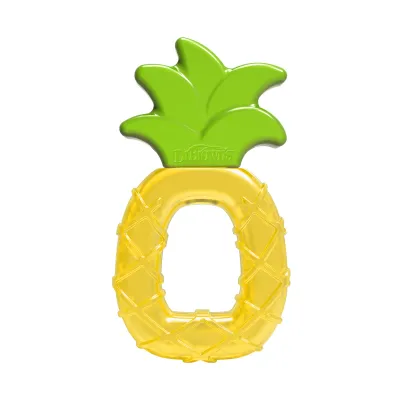
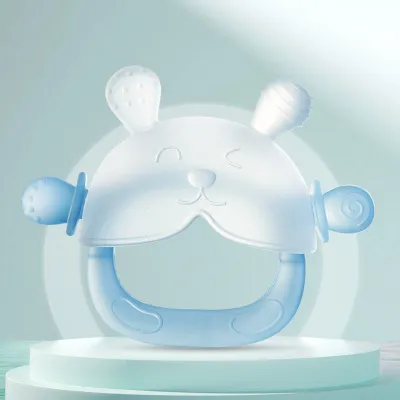
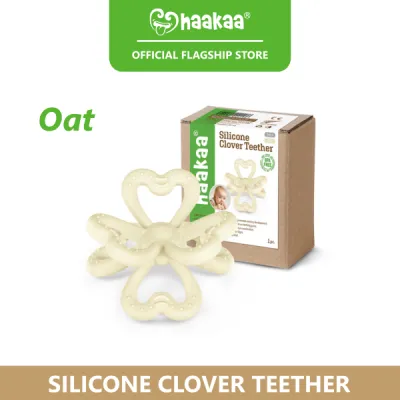
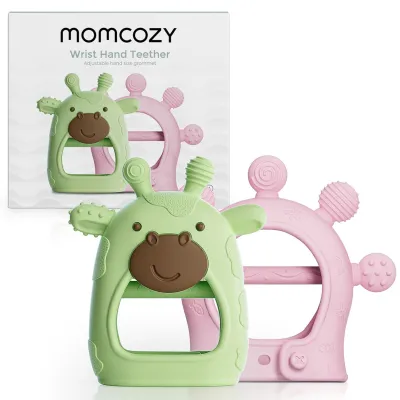
Prices are valid at publication and may change. Please refer to the product page for the latest price.
When the larger, flat molars begin to emerge at the back of the mouth during the late stage—typically from 10 to 24 months and beyond—standard teething rings are no longer effective. Babies need elongated, specialized shapes that can safely reach the rear gums. Look for teethers shaped like keys, branches, or wands, which allow the child to apply pressure directly to the back jaws. These designs must feature built-in safety shields or wide handles to prevent the teether from being inserted too far into the throat.
It is essential to remember that chronological age is merely an approximation. Every baby develops at their own pace, and their personal preferences for specific textures or temperatures will ultimately dictate which teether works best. Observing how your baby responds to different materials will help you tailor your choices to their unique comfort needs.
Recognizing Teething Signs and Changing Gum Needs
Parents often find it challenging to distinguish early teething signs from normal developmental milestones. Around three to four months of age, a baby’s salivary glands become highly active, leading to increased drooling and a natural instinct to explore objects with their mouth. This oral exploration is a standard cognitive milestone and does not always mean a tooth is imminent. True teething is typically accompanied by localized gum swelling, mild irritability, and a distinct preference for biting down on hard surfaces. If your baby experiences a high fever, diarrhea, or systemic lethargy, these are not standard teething symptoms, and you should consult a pediatrician or qualified healthcare professional.

As the teething process progresses, gum sensitivity undergoes a clear evolution. The initial phase often presents as a mild, generalized itchiness within the gums, causing the baby to rub their fists or toys against their mouth. However, as the tooth actively pushes through the bone and sensitive gum tissue, this sensation intensifies into a sharp, localized discomfort. Understanding this transition helps parents select the right level of firmness in a teether to match the changing intensity of their baby’s discomfort.
The physiological relief provided by teethers relies on two main mechanisms: counter-pressure and temperature. When a baby bites down on a firm object, the pressure temporarily restricts blood flow to the inflamed gum tissue, which numbs the area and alleviates the throbbing sensation. Similarly, applying a cool temperature to the gums constricts local blood vessels, reducing swelling and providing a soothing, anesthetic effect.
As babies grow, their oral needs and physical capabilities change rapidly. A teether that provided comfort during the early drooling stage may be rejected later because it is too soft to offer sufficient counter-pressure for an erupting tooth. Older babies also develop better hand-eye coordination and stronger jaw muscles, requiring more complex oral stimulation and firmer materials to keep them engaged and comforted.
Critical Features to Check Before Buying a Teether
When evaluating teethers, the choice of material is paramount. Food-grade silicone is highly popular due to its durability, flexibility, and resistance to high temperatures, making it easy to sanitize. Natural rubber, harvested from the Hevea tree, offers a softer, more pliable texture that many babies prefer, though parents must verify that their child does not have a latex sensitivity. Untreated wood, such as maple or beech, provides a firm, natural surface that is inherently antibacterial. However, wooden teethers require regular inspection to ensure there are no splinters, cracks, or peeling finishes that could harm the baby’s mouth.
A safe teether must be designed with the baby’s physical limitations in mind. It should be easy for small hands to grasp, but more importantly, it must feature built-in physical barriers. Elongated teethers designed to reach the back molars must have a wide guard or shield to prevent the toy from slipping too far into the mouth, which poses a severe choking or gagging hazard. Always check that the overall size of the teether is large enough that it cannot be compressed and swallowed.
To address varying levels of gum sensitivity, look for teethers that offer a mix of textures. Fine, soft bristles can gently clean and massage irritated gums, while larger bumps and ridges provide the firm resistance needed during active tooth eruption. Offering a variety of textures allows your baby to find the exact sensation that relieves their current discomfort.
Before purchasing any teething toy, carefully inspect the packaging for safety certifications and material disclosures. Verify that the product is labeled as BPA-free, PVC-free, and phthalate-free, as these chemical compounds should not be present in items designed for oral use. Additionally, strictly follow the manufacturer’s age grading, weight recommendations, and instructions for use to ensure the product is developmentally appropriate and safe for your baby’s current stage.
Daily Safety Checks and Cleaning Routines
Maintaining a strict cleaning routine is essential to prevent the growth of bacteria and mold on your baby’s teethers. The appropriate cleaning method depends entirely on the material:
- Food-grade silicone: These teethers can generally be boiled, placed in a steam sterilizer, or washed in the top rack of a dishwasher.
- Natural rubber: These should never be exposed to extreme heat or boiled, as this can warp and degrade the material; instead, wash them with warm, soapy water and air-dry.
- Untreated wood: Wooden teethers must never be submerged in water or placed in a sterilizer. Wipe them down with a damp cloth and a mild, baby-safe soap, then allow them to air-dry completely.
In the humid, tropical climate of the Philippines, ensuring wooden and fabric teethers dry thoroughly in a well-ventilated area is critical to prevent mold and mildew from developing.
Before and after every use, perform a quick visual and tactile inspection of the teether. Flex the material to check for hairline cracks, tears, or signs of thinning, especially around thin joints or textured areas. If a teether has multiple components, ensure they are securely attached. If you detect any damage, tear, or loose parts, stop using the teether immediately and discard it to prevent a choking hazard.
Never attach a teether to a pacifier clip, ribbon, string, or cord, and never hang one around your baby’s neck or attach it to a crib. While these accessories may seem convenient to prevent the teether from falling, they pose a severe risk of strangulation. Always supervise your baby closely while they are using a teether, and never leave them unattended during sleep with a teething toy.
All teethers have a limited lifespan, which can be shortened by frequent use, cleaning, and exposure to moisture. Discard the teether immediately if you notice material degradation, such as unexpected stickiness, deep discoloration, cracking, or a persistent odor. Always refer to the manufacturer’s specific guidelines regarding the recommended replacement timeline to ensure your baby’s teething toys remain safe and hygienic.
Frequently Asked Questions (FAQ)
Can I put teethers in the freezer?
While offering a cold teether is an excellent way to soothe inflamed gums, you should generally avoid placing teethers in the freezer unless the manufacturer’s instructions explicitly state it is safe to do so. Freezing water-filled teethers can cause the water to expand, which may rupture the plastic seams and lead to leaks of non-sterile liquid. For solid silicone or rubber teethers, extreme freezing temperatures can make the material excessively hard and rigid. Biting down on a frozen-solid teether can bruise your baby’s delicate gums or cause frostbite-like irritation to the sensitive tissues inside their mouth. Instead, place the teether in the standard refrigerator compartment for a short period. This cools the toy sufficiently to reduce swelling and numb discomfort while keeping the material safe, pliable, and gentle on your baby’s mouth.
When should I throw away a teether?
You should discard a teether immediately if you observe any signs of physical wear or material degradation. For silicone and rubber teethers, look out for unexpected stickiness, deep discoloration, cracking, or tearing. For wooden teethers, check for splinters, rough patches, or deep cracks that could harbor bacteria. It is also crucial to inspect the structural integrity of the toy, paying close attention to joints, rings, or areas where different materials meet, as these can weaken over time and detach. Always follow the manufacturer’s recommended replacement timeline, and prioritize your baby’s safety by throwing away any teething toy that shows even minor signs of damage.
Community discussion
Share your experience or ask a question. Comments are reviewed before publication.