
Choosing a teether for your baby girl involves matching her current developmental stage with safe, non-toxic materials, ergonomic shapes, and easy-to-clean designs. In a tropical climate like the Philippines, where high humidity can encourage moisture buildup, selecting a teether that is both hygienic and soothing is essential for relieving gum discomfort. Parents should prioritize food-grade materials, check age-grading labels, and select textures that target specific areas of the mouth as teeth emerge.
The transition from a calm infant to a fussy, drooling baby can be challenging for parents. Understanding what to look for in a teether for a baby girl ensures you select a safe, comforting tool that supports her motor skills and oral development. By focusing on certified safety standards and practical features, you can confidently navigate the teething phase while keeping your baby happy and healthy.
Understanding Your Baby's Teething Stages and Needs
Teething is a progressive journey that typically begins around six months of age, though it can start earlier or later. The first teeth to emerge are usually the lower central incisors (front teeth), followed by the upper front teeth. During this initial stage, babies tend to bite with the front of their mouths. Teethers designed for this phase should be thin, lightweight, and easy to grip, allowing the baby to apply gentle pressure directly to the front gums.
Products mentioned in this guide
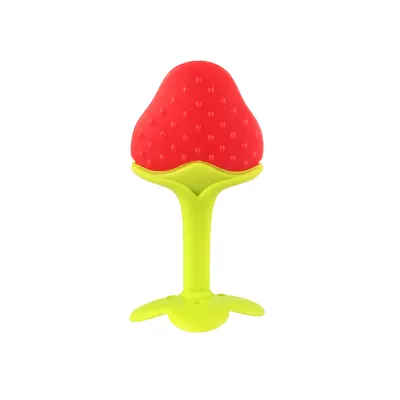
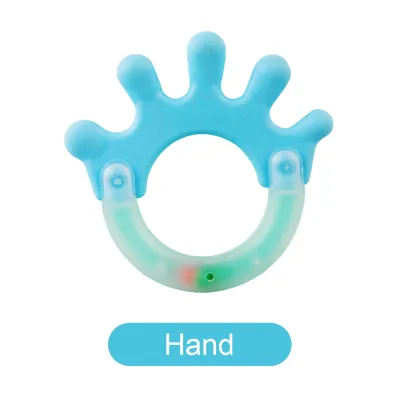
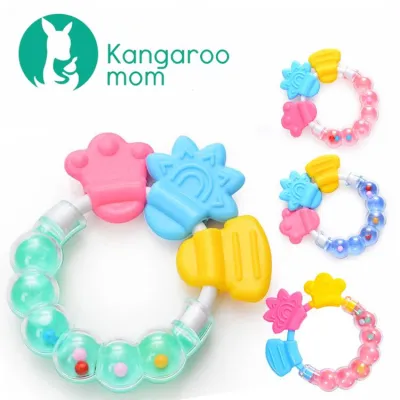
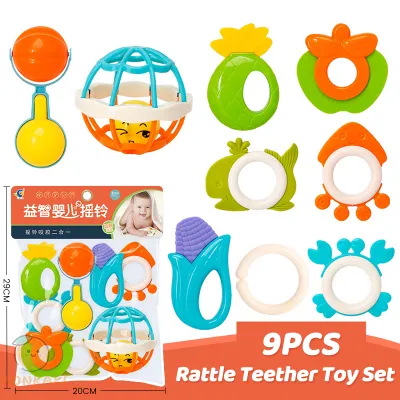
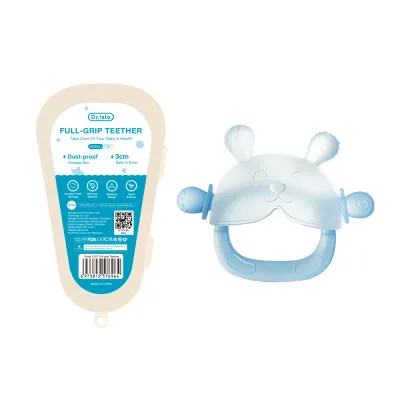
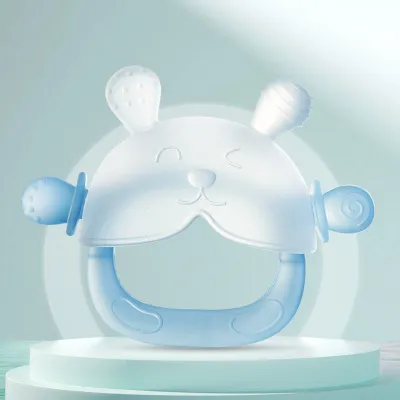

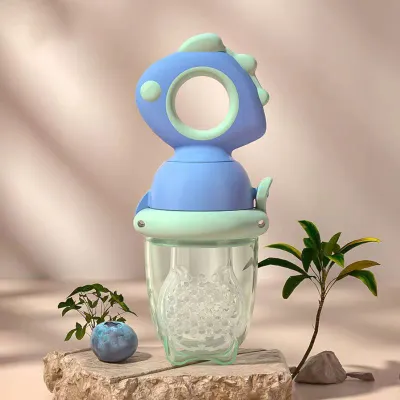
Prices are valid at publication and may change. Please refer to the product page for the latest price.
As your baby grows, her teething needs will shift toward the back of her mouth where the premolars and molars erupt. This stage, which often occurs after the first year, requires a completely different style of teether. Molars have a wider surface area and lie deeper in the oral cavity. To reach these areas safely, a teether must have extended, reach-compliant arms or specialized shapes that can access the back gums without posing a choking hazard. Standard front-teeth rings are often ineffective for molar discomfort because the baby cannot bite down on them with her back gums.
Recognizing the physical and behavioral signs of teething discomfort helps you determine the best texture for your baby’s needs. Common indicators include excessive drooling, swollen or red gums, increased irritability, and a constant desire to chew on fingers, toys, or clothing. If your baby is constantly rubbing her gums, a teether with raised, massaging textures can provide targeted counter-pressure. Conversely, if her gums are highly sensitive and tender to the touch, a smoother, softer material may be more comforting.
Always check the manufacturer’s age-grading on the packaging before making a purchase. Age recommendations (such as 3m+, 6m+, or 12m+) are not merely suggestions; they are based on a baby’s developmental milestones, grip strength, and motor skills. A teether designed for an older toddler may be too heavy or bulky for a three-month-old to lift, leading to frustration or accidental self-injury if dropped on her face. Conversely, a teether meant for a younger infant might be small enough to present a choking hazard for an older baby with stronger jaw muscles.
Key Safety and Material Standards to Check
When selecting a teether for your baby girl, material safety is the absolute highest priority. Because these items go directly into your baby’s mouth for extended periods, you must carefully inspect product labels and descriptions. Look for high-quality, food-grade materials such as 100% food-grade silicone, natural rubber harvested from sustainable sources, or untreated, chemical-free hardwood like beechwood. Ensure the packaging explicitly states that the product is free from bisphenol A (BPA), polyvinyl chloride (PVC), phthalates, lead, and other heavy metals.

Natural rubber teethers are highly valued for their soft, pliable texture, which closely mimics the feel of skin. However, parents must verify that their baby does not have a latex allergy before introducing natural rubber. Untreated wood teethers offer a naturally antimicrobial alternative with a firm, solid surface that many babies prefer during intense chewing phases. If choosing wood, ensure it is perfectly sanded, free of splinters, and finished only with food-safe oils like organic coconut oil or beeswax.
Structural integrity is another critical safety factor to evaluate. Inspect the teether closely to ensure there are no small, detachable parts that could break off under the pressure of strong baby jaws. Avoid teethers with weak joints, glued components, or decorative elements that could become loose. Additionally, steer clear of teethers attached to long cords, ribbons, or necklaces. While teething necklaces worn by caregivers are common, any cord or strap attached directly to a baby’s teether must be short enough to eliminate any risk of strangulation, and should always be used under strict adult supervision.
Before finalizing your choice, look for recognized safety standard marks on the packaging or the retailer’s product page. Standards such as the European EN 71 certification, the American ASTM F963 standard, or local regulatory clearances indicate that the product has undergone rigorous physical and chemical testing. Because counterfeit products can easily find their way onto online marketplaces, it is highly recommended to cross-reference these safety claims with the manufacturer’s official website or product specifications to verify their authenticity.
Evaluating Shapes, Textures, and Designs
The physical design of a teether directly impacts how easily your baby can use it. Look for ergonomic shapes that match your baby’s current grip capabilities. Circular rings, open loops, and multi-handle designs are excellent for younger infants who are still developing their fine motor skills. These shapes allow small hands to grasp the teether securely from any angle and guide it to the mouth without requiring complex coordination or awkward wrist movements.
Surface textures play a vital role in providing relief to sore gums. A well-designed teether often features a variety of textures, such as soft bumps, raised ridges, and wavy lines. These different patterns serve distinct functions: fine ridges can gently massage sensitive front gums, while larger, firmer bumps can provide deep counter-pressure for emerging molars. Offering a teether with multiple textures allows your baby to explore and find the exact sensation that brings her the most comfort at any given moment.
While functionality is paramount, many parents enjoy selecting aesthetic designs and colors that complement their baby girl’s nursery theme, outfits, or personal accessories. Modern teethers come in a wide array of beautiful pastel shades, floral motifs, and whimsical animal shapes. However, when choosing these stylish designs, you must prioritize hygiene over aesthetics. Avoid shapes with deep, narrow crevices, hollow interiors, or intricate decorative details that are difficult to reach during cleaning.
In humid tropical environments, moisture can easily become trapped inside hollow teethers or deep grooves, creating an ideal breeding ground for mold, mildew, and bacteria. Solid, single-piece designs are generally the safest and most hygienic choice because they leave no hidden spaces for water to pool. If you do select a hollow or squeaking teether, ensure it does not have a hole that allows water to enter during washing, as mold can quickly develop inside where it cannot be seen or cleaned.
Practical Features for Parents and Caregivers
A teether must be practical for parents to maintain, especially given how frequently it will end up on the floor. Always review the manufacturer’s cleaning instructions before purchasing. Some materials, like food-grade silicone, are highly durable and can withstand high temperatures, making them dishwasher-safe, boil-safe, and compatible with steam sterilizers. Other materials, such as natural rubber and wood, are highly sensitive to heat and moisture; boiling or soaking them can warp, crack, or degrade the material, rendering them unsafe.
To keep the teether clean when you are out of the house, evaluate compatible attachment options. Many teethers feature built-in loops designed to connect to pacifier clips or safety straps. These straps can be clipped securely to your baby’s clothing, stroller, or car seat harness, preventing the teether from falling onto dirty floors or dusty pavements. When using a clip, ensure the strap is short, made of washable material, and features a secure clasp that your baby cannot easily pull open.
Portability and storage are essential considerations for busy families on the go. Look for teethers that include a dedicated, hygienic travel case, or purchase a reusable silicone storage pouch separately. Having a clean, dedicated space to store the teether inside your diaper bag prevents it from coming into contact with loose crumbs, lint, or keys. A compact, lightweight design ensures that you can easily pack multiple teethers to keep your baby comfortable during long car rides or family outings.
How to Build Your Teether Shortlist
Building a reliable shortlist of teethers helps you make an informed, safe purchase without feeling overwhelmed by the thousands of options available online. Start by creating a step-by-step filtering checklist. First, filter by your baby’s exact age and motor skill level. Next, select your preferred material based on your cleaning preferences and your baby’s texture sensitivity. Finally, narrow down the list to products that display verifiable safety certifications from reputable testing bodies.
When browsing online marketplaces or physical retail stores, learn to identify red flags that indicate low-quality or counterfeit goods. Be highly suspicious of product listings that lack clear material disclosures, fail to specify age recommendations, or use vague terms like “plastic-safe” without certifying they are BPA-free. Another major red flag is an unusually low price. While a bargain is tempting, high-quality, food-grade silicone and natural rubber require specialized manufacturing processes; extremely cheap teethers may contain industrial-grade plastics or toxic chemical fillers.
Set a realistic budget for your purchase, keeping in mind that you will likely need more than one teether. High-quality, certified teethers in the Philippines typically range from ₱250 to ₱800, depending on the material, brand, and included accessories like travel cases or clips. While this may seem like a premium for a small toy, investing in durable, safe materials ensures the teether will last through multiple teething stages without degrading. Having a budget of around ₱1,000 allows you to purchase a small variety of shapes and textures, ensuring you always have a clean, suitable option ready when your baby girl needs relief.
Frequently Asked Questions (FAQ)
When should I introduce a teether to my baby?
You can introduce a teether as soon as your baby begins showing early signs of teething discomfort, which typically occurs between three and six months of age. Look for physical and behavioral cues such as excessive drooling, a constant habit of chewing on her hands or toys, increased irritability, and visible swelling or redness along her gums. If you are unsure whether your baby is ready for a teether, or if she experiences severe symptoms like a high fever, persistent diarrhea, or extreme lethargy, consult your pediatrician immediately, as these symptoms are not typical signs of teething and may indicate an underlying medical issue.
Are water-filled teethers safe for sterilization?
No, most water-filled teethers are not safe for high-heat sterilization methods such as boiling, steam sterilizing, or microwaving. Subjecting these teethers to extreme heat can cause the outer plastic shell to weaken, warp, or burst, leading to dangerous leaks of the internal liquid. Always strictly follow the manufacturer’s care label. If boiling is prohibited, clean the teether by washing it thoroughly with warm, soapy water, rinsing it clean, and allowing it to air dry completely before giving it back to your baby.
How often should I replace my baby's teether?
You should inspect your baby’s teether before every single use to ensure it remains safe. Perform a quick visual and tactile inspection: look for tiny tears, punctures from sharp new teeth, severe discoloration, or areas where the material feels sticky, thin, or weakened. This is especially important for natural rubber and silicone teethers, which can degrade over time. If you detect any signs of structural damage, wear, or mold, dispose of the teether immediately and replace it, regardless of how recently you purchased it.
Community discussion
Share your experience or ask a question. Comments are reviewed before publication.