
Selecting the right cup with straw for kids is not about finding a single, universally perfect product, but rather about matching the cup’s design to your child’s current oral motor skills and weaning stage. As babies transition from breast or bottle feeding, their mouth muscles undergo significant changes. A well-designed straw cup supports this transition by encouraging a mature swallowing pattern, but the ideal cup changes as your child grows from a supported sitter to an active, independent toddler.
In the Philippines, where the warm, humid climate makes constant hydration essential, choosing a cup that is both easy to clean and highly durable is a practical necessity. By focusing on observable developmental milestones rather than strict age brackets, parents can select a cup that minimizes frustration and supports healthy oral habits. This guide provides a clear framework to evaluate materials, safety features, and design elements so you can build a practical shortlist tailored to your child’s needs.
Understanding Your Child's Weaning Stage and Straw Cup Readiness
Before introducing a cup with straw for kids, caregivers should look for specific physical signs that indicate a child is developmentally ready to handle liquids from a new source. A primary indicator is the ability to sit upright unassisted in a high chair, which ensures the child has the trunk control necessary for safe swallowing. Additionally, if your baby has successfully started swallowing smooth purees and shows a keen interest in the cups or glasses you use during family meals, they are likely ready to begin their straw-drinking journey.
Products mentioned in this guide
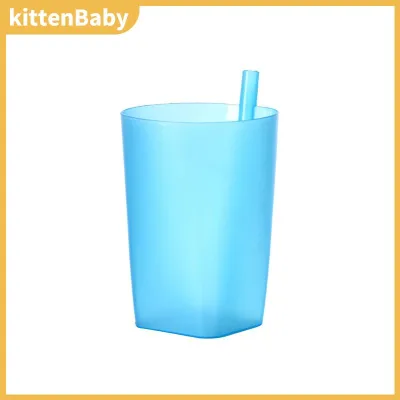
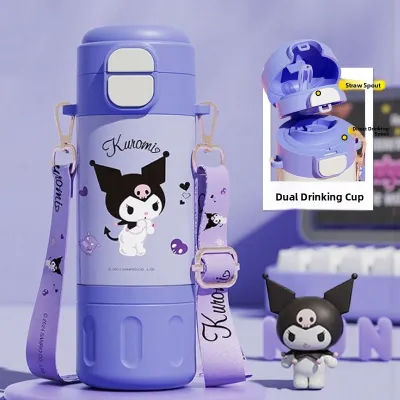
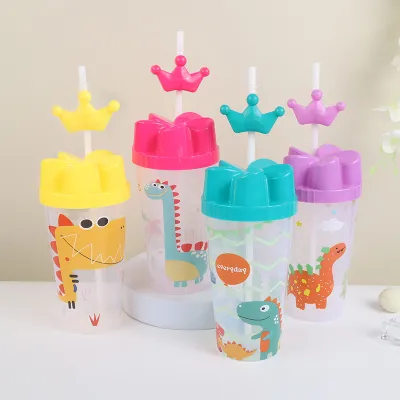

Prices are valid at publication and may change. Please refer to the product page for the latest price.
The transition timeline typically begins around six months of age, coinciding with the introduction of solid foods, and can continue through the first year as breast or bottle feeding gradually decreases. Introducing a straw cup early helps babies learn to use their tongue and lips in a new way, distinct from the sucking reflex used during nursing or bottle feeding. Rather than relying on a hard spout that mimics a bottle nipple, a straw encourages the tongue to retract and the lips to seal, which is beneficial for long-term speech and dental development.
However, every child develops at their own pace, and the transition is rarely a straight line. If your baby consistently rejects the straw, gags repeatedly, or becomes highly distressed during attempts, it is best to pause the transition for a few weeks. Forcing the issue can create negative associations with drinking. If the refusal persists past twelve months, or if you notice ongoing coughing or sputtering while they try to swallow liquids, consult your pediatrician or a pediatric speech-language pathologist to ensure there are no underlying swallowing difficulties.
Key Features to Evaluate in a Straw Cup for Kids
When evaluating a cup with straw for kids, the straw’s valve design is one of the most critical features to inspect. Many beginner cups feature bite valves, which require the child to pinch the straw with their lips or gums to release the liquid. While these are excellent for preventing spills, they can sometimes reinforce a biting reflex rather than a true sucking action. In contrast, open or free-flow straws allow liquid to flow immediately upon suction, which helps teach a more mature swallowing pattern but may result in more accidental spills during the learning phase.

Material safety is another paramount consideration that requires careful label verification before purchase. Parents should look for clear packaging labels indicating that the cup is free from Bisphenol A (BPA), Bisphenol S (BPS), and phthalates. Food-grade silicone is highly recommended for the straw portion because it is soft on sensitive gums and flexible enough to bend without breaking. For the cup body, options range from lightweight, impact-resistant plastics to durable, double-walled stainless steel, which is particularly useful in tropical climates for keeping water cool throughout the day.
Ergonomics and grip design directly impact how easily a child can use the cup independently. For younger babies, dual handles that are textured or contoured help small hands secure a firm grip, promoting fine motor skill development. As children grow and their grip strength improves, they can transition to handleless, contoured cups that fit easily into stroller cup holders. The physical weight of the cup when filled with water should also be manageable for your child’s current physical strength.
Finally, leak-proof mechanisms must be balanced against cleaning complexity. Many cups utilize complex multi-part valves, sliding lids, and internal gaskets to ensure they do not leak when tossed into a diaper bag. While these features prevent messy cleanups, they also create small, hidden crevices where moisture can trap. Before purchasing, examine how easily the cup can be completely disassembled, as complex designs require meticulous daily scrubbing to prevent mold growth in warm, humid environments.
Building Your Conditional Shortlist by Age Group
While manufacturers print age recommendations on their packaging, these ranges should only serve as a baseline. Your child’s actual motor skills, hand-eye coordination, and oral development should dictate when you move from one cup style to the next. Additionally, budget considerations play a role; basic plastic straw cups in the Philippines typically range from ₱150 to ₱350, whereas premium, insulated stainless steel models can cost between ₱800 and ₱1,500. Balancing these price points against how long a specific cup style will remain useful helps create a practical purchasing plan.
Early Weaning (Around 6–9 Months)
For infants who are just beginning their weaning journey, a cup with a weighted straw is often the most effective starting point. A weighted straw features a small, food-grade weight at the bottom of the flexible silicone tube, which moves with the liquid. This design allows the baby to drink successfully even when they tilt the cup upside down or lie back, mimicking the angles they are accustomed to during bottle or breast feeding.
During this early stage, easy-grip handles are essential to help the baby lift and stabilize the cup. The valve mechanism should be highly responsive, requiring minimal suction force so that the infant receives immediate positive reinforcement when they attempt to drink. Caregivers should check the manufacturer’s specifications for weight and volume limits, opting for smaller cups (typically around 120 to 180 milliliters) that are lightweight enough for a six-month-old to hold without straining their wrists.
Active Toddlers (9–18 Months)
As toddlers become more mobile and begin crawling or walking, their hydration needs and physical capabilities change. This is an ideal time to transition from bite-valve straws to open, free-flow straws. This shift encourages a more mature swallowing pattern, where the tongue tip elevates to the roof of the mouth rather than resting forward.
Because active toddlers are prone to dropping or throwing their cups, durability becomes a primary selection criterion. Look for cups constructed from thick, impact-resistant plastics or stainless steel with protective silicone bumpers on the base. A secure, lockable lid—such as a flip-top or sliding cover—is crucial for on-the-go use, protecting the straw from dirt and preventing leaks when the cup is tossed into a bag during family outings.
Older Toddlers and Preschoolers (18+ Months)
By the time a child reaches 18 months, they are usually ready to transition away from specialized baby cups with complex valve systems. Older toddlers can comfortably use standard reusable straw cups that feature simple, wide straws without internal valves. These cups are much easier to clean and allow for a faster flow of liquid, which is ideal as their drinking volume increases.
This stage also serves as a bridge to using open cups during structured family meals. You can look for signs of readiness, such as the ability to guide a cup to their mouth and set it down without spilling. For daily hydration outside of meal times, upgrading to a larger capacity cup (around 300 milliliters or more) with a wider straw is beneficial, especially if you plan to serve thicker liquids like homemade fruit smoothies.
Safety, Cleaning, and Maintenance Checks
Maintaining strict hygiene is vital when using any cup with straw for kids, particularly in warm and humid climates where bacteria and mold can multiply rapidly. Daily disassembly is non-negotiable; every valve, straw, gasket, and lid must be separated before washing. Use a specialized, slim straw brush to scrub the inside of the straw tube, and ensure all parts are completely dry before reassembling the cup to prevent moisture from becoming trapped.
Regularly inspect the cup for observable signs of wear and tear to ensure continued safety. Children who are teething often chew on soft silicone straws, which can lead to small tears or loose fragments that present a choking hazard. If you notice any cracks in the plastic, frayed straw tips, or stretched-out silicone gaskets that no longer seal properly, replace those components or the entire cup immediately.
Lastly, always verify the manufacturer’s temperature limits for both washing and serving. Some plastics and silicone components can degrade or leach chemicals if exposed to boiling water, steam sterilizers, or high-temperature dishwashers. Similarly, never fill a standard straw cup with hot liquids, as the pressure build-up can cause hot liquid to spray out of the straw, posing a significant burn risk to your child.
Frequently Asked Questions (FAQ)
Can a straw cup affect my child's teeth or speech development?
Prolonged or improper use of certain cups can influence oral development. Hard spouts or cups that require a child to bite down constantly to get liquid can keep the tongue in a forward, immature position, potentially affecting speech sound production and dental alignment over time. To support healthy oral motor development, transition your child to free-flowing straws or open cups as soon as they display the necessary coordination, and limit the use of cups with hard, nipple-like spouts. If you have concerns about your child’s teeth alignment or speech milestones, consult a pediatric dentist or a speech-language pathologist for a personalized assessment.
How do I teach my baby to drink from a straw?
A simple, low-risk way to introduce a straw is the pipette method using a standard, open silicone straw. Dip the straw into a small amount of water or breast milk, place your finger over the top opening to trap the liquid, and bring the bottom of the straw to your baby’s lips. When they open their mouth and touch the straw, release your finger so they receive a small taste of the liquid, helping them associate the straw with hydration. You can also model the behavior by drinking from a straw yourself, allowing them to watch and mimic your actions. If your child becomes frustrated or pushes the cup away, stop the attempt immediately and try again in a few days to keep the experience positive.
Community discussion
Share your experience or ask a question. Comments are reviewed before publication.