
Choosing the right sleep sack for your baby in the Philippines requires balancing infant safety, developmental milestones, and the challenges of a warm, humid climate. Unlike traditional blankets, which can easily shift and pose safety hazards in a crib, a wearable blanket stays securely in place. This ensures your little one remains comfortable throughout the night without the risk of loose bedding covering their face.
Because a baby’s sleep needs and physical abilities change rapidly during their first year, a single sleep sack design will not suit them from birth to toddlerhood. Parents must evaluate fabric weight, sizing, and specific design features to create a safe and comfortable sleep environment. By understanding how to match these garments to your baby’s growth and your home’s indoor temperature, you can establish a bedtime routine that supports healthy, uninterrupted rest.
Sleep Sack Safety and Age Milestones
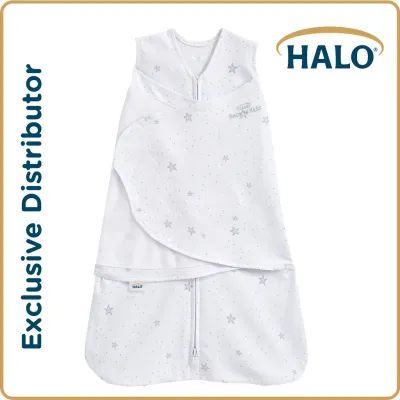
During the first few months of life, newborns benefit greatly from the snug feeling of a swaddle, which mimics the womb and helps soothe the sudden movements of the startle reflex. Swaddle-style sleep sacks feature adjustable fabric wings that wrap securely around the baby’s arms. However, this design is only safe for a very limited window. Parents must monitor their infant closely and stop swaddling immediately at the very first sign of the baby attempting to roll over. Once an infant can roll onto their stomach, they need their arms completely free to push themselves up and keep their airway clear.
Products mentioned in this guide
![[Einmilk Swaddle Sleeping Bag] Baby Transitional Swaddle Sleeping Bag 100% Cotton Open Two Way Zip Baby Wrapper](https://img.lazcdn.com/g/p/41f15536e4846b364dfe3d2cb31323ef.jpg_400x400q80.jpg_.webp)
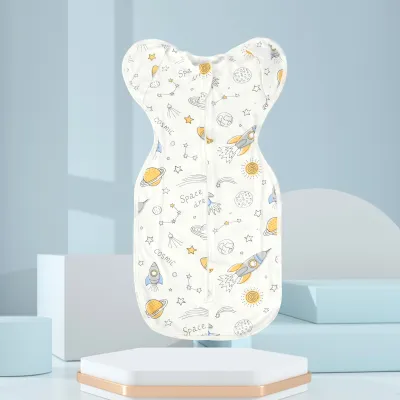
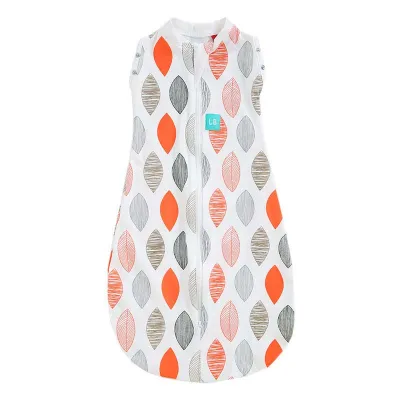
Prices are valid at publication and may change. Please refer to the product page for the latest price.
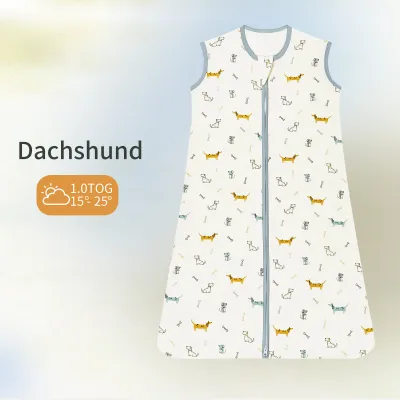
As your baby transitions out of the swaddle phase—typically between two and four months of age—they should move into a sleeveless, loose-fitting sleep sack. This style keeps the baby’s arms completely free while enclosing their torso and legs in a roomy fabric bag. It is critical that this lower portion is wide and bell-shaped. A proper design allows the baby to bend and splay their hips naturally, which is essential for healthy joint development and preventing hip dysplasia. Restricted leg movement during these active developmental months can interfere with natural bone alignment.
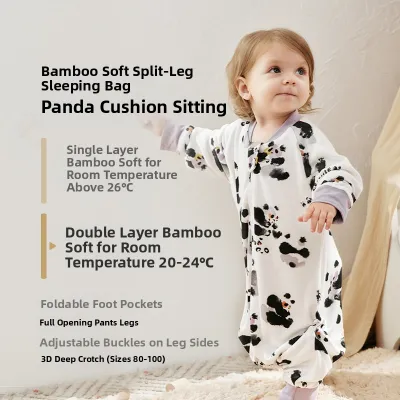
When your baby reaches the milestone of pulling up to stand, cruising, or walking in their crib, standard sleep sacks can become a tripping hazard. At this stage, transitioning to a split-leg sleep sack or a wearable blanket with built-in foot openings is highly recommended. These designs allow your toddler to stand, walk, and move around safely before and after sleep without catching their feet in loose fabric. Always verify the manufacturer’s height and weight guidelines for each transition, and consult your pediatrician if you have questions about your baby’s physical development and sleep safety.
Matching TOG Ratings to the Philippine Climate
Thermal Overall Grade, commonly known as the TOG rating, is a measure of a garment’s thermal resistance and warmth. The higher the TOG rating, the more heat the fabric retains. In a tropical country like the Philippines, understanding TOG ratings is essential for preventing infant overheating, which is a known risk factor for sleep-related safety issues. Because babies cannot regulate their body temperature as efficiently as adults, selecting the appropriate fabric weight for your specific nursery setup is a critical safety decision.

For rooms that rely on natural ventilation, ceiling fans, or open windows, the ambient temperature and humidity can remain quite high, especially during the dry season. In these environments, parents should opt for ultra-lightweight sleep sacks with a low TOG rating, typically between 0.2 and 0.5. These garments are usually made from single layers of highly breathable fabrics like cotton muslin or bamboo-derived viscose. These materials allow air to circulate freely and help moisture evaporate, keeping your baby’s skin dry and comfortable even on warm, humid nights.
If your baby sleeps in a heavily air-conditioned nursery or if you live in cooler highland regions such as Baguio or Tagaytay, a slightly warmer sleep sack may be necessary. In these situations, a medium-weight sleep sack with a TOG rating of 1.0 is generally appropriate. These sacks provide a mild layer of insulation to protect your baby from cool drafts without causing them to overheat. It is rarely necessary to use sleep sacks with a TOG rating higher than 1.0 in the Philippines, as heavier quilted fabrics are designed for cold winter climates.
To ensure your baby is comfortable, do not rely solely on room thermometers or the setting on your air conditioner. Instead, perform a physical check by gently placing your hand on the back of your baby’s neck or on their chest. The skin should feel warm and dry. If the area feels hot, sweaty, or damp, your baby is too warm, and you should remove a layer of clothing or switch to a lighter sleep sack. Keep in mind that a baby’s hands and feet naturally feel cooler to the touch than their core, so cold extremities are not a reliable indicator of their actual body temperature.
Essential Features for Every Developmental Stage
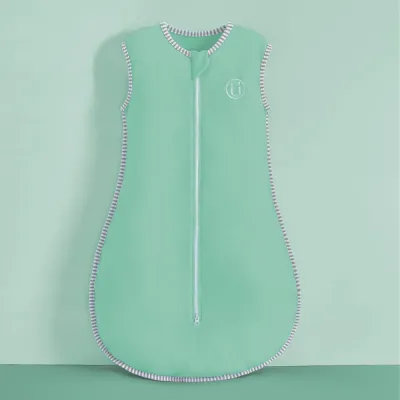
When selecting a sleep sack for a newborn, convenience and a secure fit are the top priorities. Look for designs that feature a two-way zipper, which allows you to unzip the sack from the bottom upward. This feature is incredibly helpful for middle-of-the-night diaper changes, as it lets you access the diaper without exposing your baby’s chest and arms to the cool night air. Additionally, ensure the neck and armholes fit snugly; if these openings are too large, the fabric can easily slide upward and cover the baby’s nose and mouth, creating a serious breathing hazard.
As babies become more active rollers and sleepers, they require durable construction that can withstand constant movement. Look for sleep sacks equipped with inverted zippers that zip from top to bottom, or those with fabric zipper guards at the collar. These guards cover the zipper pull, preventing it from scratching your baby’s chin or neck during sleep. They also prevent older, curious babies from figuring out how to unzip the sack themselves. The seams should be double-stitched to handle the tension of kicking and rolling without tearing.
For toddlers who are walking and exploring, versatility becomes key. Look for wearable blankets that feature fold-over foot cuffs. These allow you to cover your child’s feet to keep them warm during sleep, and then unfold them to let their feet free when they wake up and want to walk. Adjustable shoulder snaps are another excellent feature for this age group, as they allow you to adjust the length of the armholes and neck opening, extending the usable lifespan of the garment as your toddler experiences rapid growth spurts.
Building Your Shortlist: Pre-Purchase Checks
Before purchasing any sleep sack online or in-store, carefully inspect the fabric composition on the product label. Prioritize natural, breathable fibers such as 100% organic cotton, cotton muslin, or bamboo-derived viscose. Avoid synthetic fabrics like polyester unless they are specifically designed with advanced moisture-wicking properties, as cheap synthetics tend to trap heat and sweat against your baby’s delicate skin, which can quickly lead to painful heat rashes. The fabric should feel soft to the touch and have a slight stretch to accommodate natural movement.
Next, conduct a thorough quality check of all hardware and fasteners. Gently pull on the zippers to ensure they glide smoothly without catching on the surrounding fabric, and check that the zipper teeth are rounded and smooth. Inspect all metal or plastic snaps to ensure they fasten securely and require a deliberate pull to open; loose snaps can easily detach and become a dangerous choking hazard. Avoid any sleep sacks that feature decorative drawstrings, long ribbons, or loose buttons, as these have no place on safe infant sleepwear.
Because sleep sacks require frequent laundering due to inevitable diaper leaks, spit-up, and sweat, they must be highly durable. Read the care instructions carefully before buying. Opt for garments that are explicitly labeled as machine-washable and dryer-safe. High-quality cotton and bamboo fabrics should be pre-shrunk during manufacturing so they do not lose their shape or shrink significantly after their first trip through the washing machine. Sacks that require delicate hand-washing or air-drying can quickly become a hassle for busy parents.
Finally, compare sizing charts across different brands rather than relying on age recommendations alone. Sizing standards vary significantly between manufacturers, so always use your baby’s current weight and height as your primary guide. When shopping on local ecommerce platforms or official brand stores, read customer reviews to see if other parents report that a specific brand runs large or small. Additionally, verify the seller’s return and exchange policies so you can easily swap the garment if the fit is not completely secure when you try it on at home.
Frequently Asked Questions (FAQ)
Can a baby sleep in a sleep sack during the rainy season without air conditioning?
Yes, a baby can safely wear a sleep sack during the rainy season without air conditioning, provided you choose the correct fabric and layer appropriately. During the rainy season, ambient temperatures may drop slightly, but humidity levels often rise significantly. To keep your baby comfortable, use an ultra-lightweight sleep sack with a TOG rating of 0.2 to 0.5 made from breathable cotton muslin or bamboo viscose. Underneath the sack, dress your baby in a simple, short-sleeved cotton bodysuit or even just a diaper. Regularly check the back of your baby’s neck for sweat, and adjust their clothing layers if they feel hot or clammy.
How do I know if the sleep sack neck hole is too big?
To determine if a sleep sack’s neck opening is safe, apply the two-finger rule. Once the sleep sack is zipped up completely, you should be able to slide two fingers comfortably between the fabric and your baby’s neck. However, the opening must not be large enough for you to gently pull the fabric up over your baby’s chin, mouth, or nose. If the neck hole can easily slide over your baby’s head, the sleep sack is too large and poses a suffocation risk. In this case, set the garment aside and use a smaller size until your baby meets the manufacturer’s minimum weight and height requirements.
Community discussion
Share your experience or ask a question. Comments are reviewed before publication.