
Selecting the right sippy cup is a practical step in your baby’s weaning journey, bridging the gap between bottle or breast feeding and independent drinking. Because babies develop oral motor skills and hand-eye coordination at different paces, matching cup features—such as spout material, handle design, and flow rate—to your child’s specific developmental stage ensures a smoother, safer transition. This guide breaks down the key features to look for at each weaning milestone and the safety checks to perform before purchasing.
In the tropical climate of the Philippines, keeping your baby hydrated is a daily priority, especially during the hot and dry months. This makes choosing a reliable cup that your baby actually enjoys using highly practical. However, high humidity also means that any leftover moisture in the tiny crevices of a cup can quickly become a breeding ground for mold and bacteria. Therefore, understanding the design features of different cups is just as important as knowing how to keep them clean and safe for daily use.
Match Sippy Cup Features to Your Baby's Motor and Oral Skills
Understanding how different sippy cup components align with your baby’s physical development helps you make an informed choice. The transition from a bottle or breast to a cup requires your baby to learn a completely new way of swallowing. While bottle feeding relies on a forward-and-backward tongue movement, cup drinking requires the tongue to retract and the lips to seal around the rim. Choosing the right features supports this muscular transition.
Products mentioned in this guide
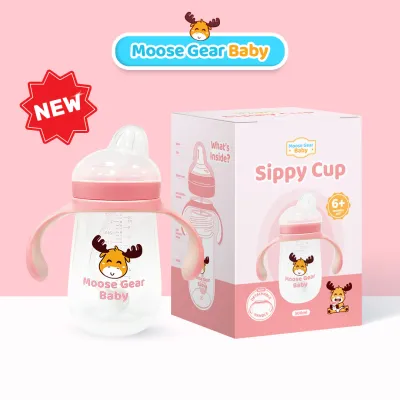
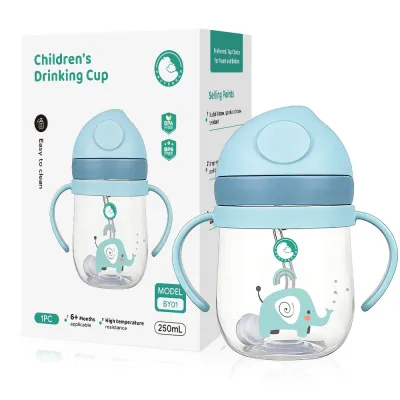
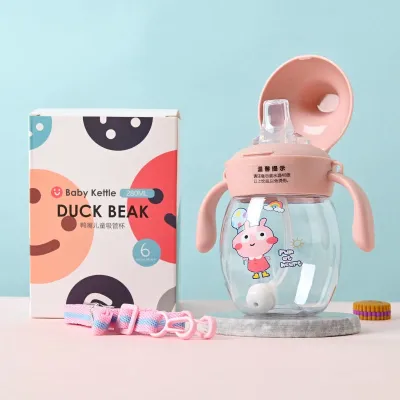
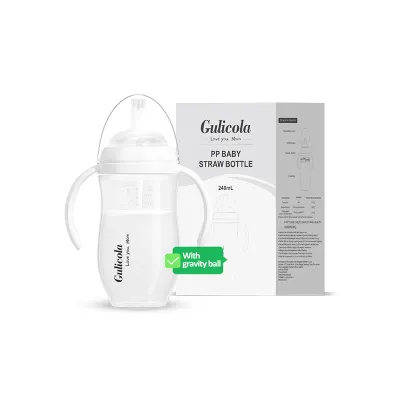
Prices are valid at publication and may change. Please refer to the product page for the latest price.
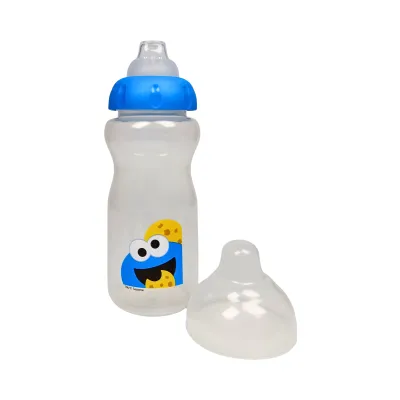
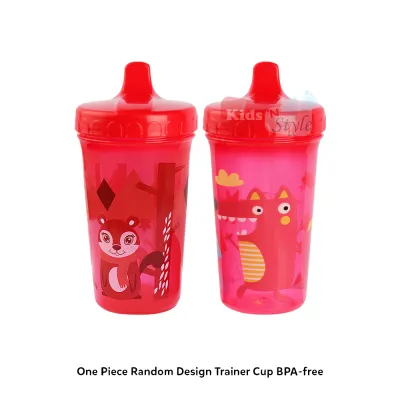
Spout types vary significantly in texture and design, directly impacting your baby’s oral muscle development. Soft silicone spouts are highly flexible and feel similar to a bottle nipple, making them a gentle starting point for sensitive, teething gums. Hard plastic spouts offer excellent durability once teeth emerge, but they do not yield to the mouth and require different oral mechanics. Straws encourage a mature swallowing pattern by keeping the tongue retracted, while open-rim designs teach your baby to control the flow of liquid using their upper lip.
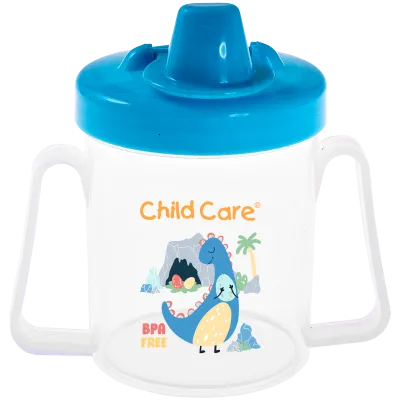
Handle designs should match your baby’s developing grasping abilities. Early on, babies use a palmar grasp, wrapping their entire hand around an object. Large, easy-to-grip dual handles are essential at this stage, especially if they feature textured or rubberized surfaces to prevent slipping from sweaty hands. As fine motor skills improve, babies transition to a pincer grasp and can easily hold contoured, handle-free cups that fit comfortably into stroller cup holders and diaper bags.
Flow rate control is another critical factor to consider. Spill-proof valves prevent messy cleanups on your floors or play mats, but they require your baby to actively suck to release the liquid, which can sometimes reinforce infantile sucking patterns. Free-flow mechanisms allow liquid to flow naturally without suction, helping your baby learn to coordinate breathing and swallowing. However, free-flow cups require closer caregiver supervision to prevent choking, especially when your baby is still adjusting to the flow.
Stage 1: First Sips and Early Weaning (Around 6 Months)
Introducing a cup around six months coincides with the start of solid foods. At this early stage, the cup is not meant to replace breast milk or formula, but rather to introduce your baby to the concept of drinking water and practicing new oral motor skills. The focus should be on comfort, ease of use, and safety.

For these first sips, look for trainer cups featuring extra-soft silicone spouts that are gentle on tender gums. The cup should have lightweight, easy-grip dual handles that allow your baby to practice bringing the cup to their mouth. A slow flow rate is essential to prevent your baby from being overwhelmed by liquid, which can lead to coughing or sputtering.
Before introducing a cup, observe your baby for key physical readiness signals. Your baby should be able to sit up unassisted with good head control, which is crucial for safe swallowing. Other signs include showing curiosity when you drink from a glass, reaching for your cup, and successfully accepting and swallowing pureed food from a spoon without pushing it out with their tongue.
At this introductory stage, drinking from a cup is a brand-new skill that requires constant adult supervision. Never leave your baby unattended with a cup, and always check the manufacturer’s minimum age label on the packaging before use. If your baby struggles consistently or shows distress, temporarily pause cup use and consult a pediatrician or a pediatric dentist for guidance.
Stage 2: Active Weaning and Skill Building (9 to 12 Months)
Between nine and twelve months, babies become much more active and curious. They are often crawling, pulling themselves up, and developing stronger hand-eye coordination. Their chewing strength also increases as their first teeth begin to emerge, requiring a shift in cup design.
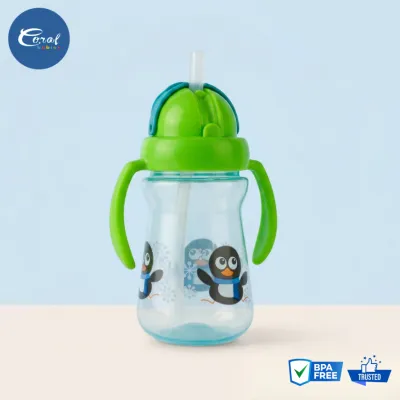
During this active phase, transition to firmer spouts or weighted straw cups. Weighted straws are highly practical because the weighted ball at the end of the straw stays in the liquid even when your baby tilts the cup in different directions. Look for cups with non-slip bases to prevent them from sliding off high chair trays, and choose models with removable spill-proof valves so you can adjust the flow rate as your baby’s swallowing skills advance.
Readiness signals for this stage include the ability to hold a cup steadily with both hands and bring it to the mouth with minimal spilling. You may also notice your baby attempting to bite down on the spout, indicating a need for more durable materials. Their drinking style will transition from a simple sucking reflex to active, controlled suction.
Because weighted straws and complex valves have many small crevices, they are highly susceptible to trapping moisture. In the humid climate of the Philippines, this can quickly lead to mold buildup. Strict daily cleaning protocols are necessary; you must fully disassemble all parts and use specialized thin brushes to clean inside the straws and valves to ensure they remain hygienic.
Stage 3: Transitioning to Open Cups (12 Months and Older)
By twelve months and beyond, the goal shifts toward helping your toddler transition to standard drinkware. Phasing out traditional spouted cups supports proper dental alignment and encourages the development of mature swallowing patterns necessary for speech.
Recommended features for this stage include 360-degree rim cups, which allow your child to drink from any side of the rim without spilling, as the valve only opens when lip pressure is applied. Valve-free straw cups and open training cups with weighted bases and removable lids are also excellent options. These designs minimize spills while allowing your child to practice the physical motion of tilting and sipping.
Your child is ready for this transition when they can proficiently use a straw without coughing, show a decrease in cup-biting behavior, and can control their liquid intake. They should also be able to lift, tilt, and set down a cup with reasonable control, even if occasional spills still occur.
Pediatric and dental guidelines generally suggest phasing out spouted cups during both the day and night by 12 to 18 months. Prolonged use of spouts can impact the natural alignment of developing teeth and the shape of the hard palate. If you have concerns about your child’s oral development or persistent feeding difficulties, consult a pediatric dentist or pediatrician.
Essential Safety, Material, and Hygiene Checks Before Buying
Before purchasing any cup, it is essential to perform a thorough safety and material check. Always read the product packaging and labels to verify the material specifications. Look for food-grade silicone and BPA-free plastics, and check the manufacturer’s temperature limits, especially if you plan to serve warm liquids or use a steam sterilizer.
Structural safety is paramount when choosing baby products. Avoid cup styles with small, detachable parts that could pose a choking hazard if they become loose. Regularly inspect the cup, especially the silicone spouts and straws, for bite marks, tears, or wear, and discard any damaged components immediately to prevent your baby from swallowing loose pieces.
Cleaning instructions must be verified before purchase to ensure the cup fits into your daily routine. Check whether the parts are dishwasher safe or require hand washing with specialized cleaning brushes. Always follow the manufacturer’s sterilization guidelines strictly, and ensure all components are completely dry before reassembling them to prevent bacterial growth.
Frequently Asked Questions (FAQ)
When should I stop using a sippy cup with a spout?
Most pediatric dentists recommend phasing out spouted cups by 12 to 18 months. Prolonged use of traditional spouts can impact the natural alignment of developing teeth and the shape of the hard palate. Look for behavioral signals like your child easily managing a straw or showing interest in your open glass to start the transition to a 360-degree or open cup.
Are straw cups better than spout cups for weaning?
Straw cups are often recommended by developmental specialists because they encourage a mature swallowing pattern where the tongue retracts, which supports speech development. Spout cups, especially hard ones, can sometimes keep the tongue forward in an infantile sucking position. However, there is no universal winner; choose based on your baby’s comfort, acceptance, and developmental progress.
How do I clean the valves and straws effectively?
To clean these parts effectively, fully disassemble all removable components, including valves, silicone seals, and straws, after every use. Use specialized, thin straw brushes and warm, soapy water to scrub the interiors thoroughly. Ensure all parts are completely dry before reassembling to prevent mold growth, which is particularly common in humid environments.
Community discussion
Share your experience or ask a question. Comments are reviewed before publication.