
Teething is a significant milestone in your baby’s first year, bringing both exciting developmental progress and periods of notable discomfort. In warm, tropical climates where high humidity can exacerbate skin irritation and drool rash, keeping your baby comfortable and hygienic during this phase is a daily priority. A high-quality silicone teether set offers a versatile, adaptable solution to soothe sore gums, but navigating the vast array of options can feel overwhelming.
Choosing the right set requires a clear understanding of your baby’s physical development, motor skills, and changing sensory preferences. Rather than relying solely on generic age recommendations, matching the specific shapes, textures, and weights of teethers to your baby’s current teething stage ensures effective relief and safe usage. This comprehensive guide will help you evaluate your options, perform essential safety checks, and build a practical shortlist tailored to your baby’s needs.
Identifying Your Baby's Current Teething Stage
Recognizing the physical signs of teething is the first step in selecting the right relief tools. The teething journey typically begins around six months of age, though it can start earlier or later depending on individual development. The first teeth to emerge are usually the lower central incisors, followed closely by the upper front teeth. During this early stage, you will likely observe excessive drooling, mild gum swelling, and a constant desire to chew on fingers or soft fabrics. The primary need here is gentle, surface-level pressure to soothe the front gums.
Products mentioned in this guide
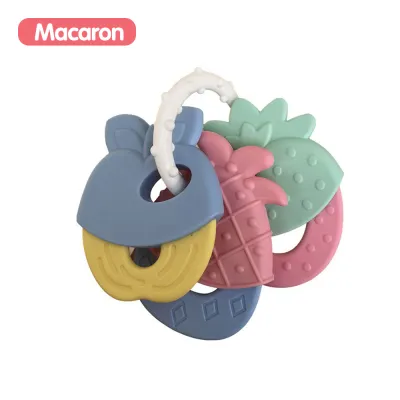
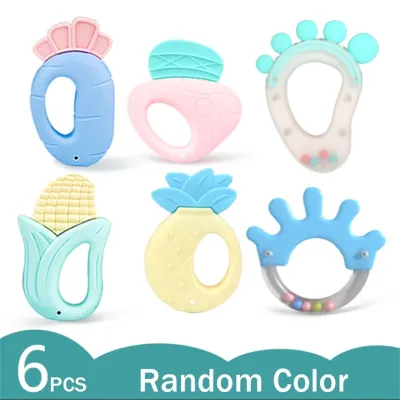
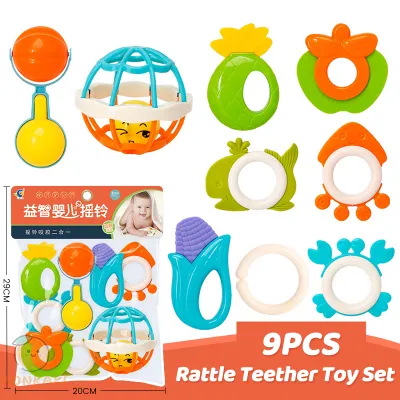
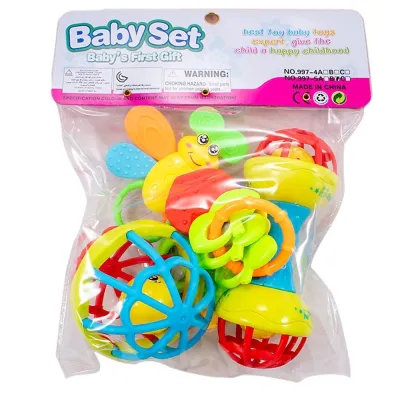
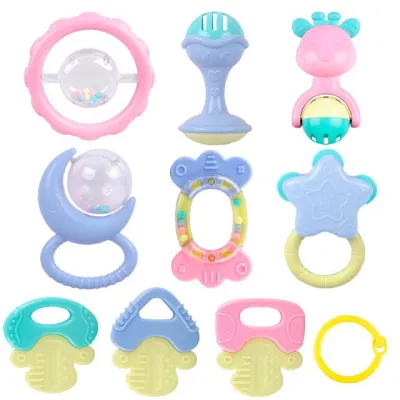
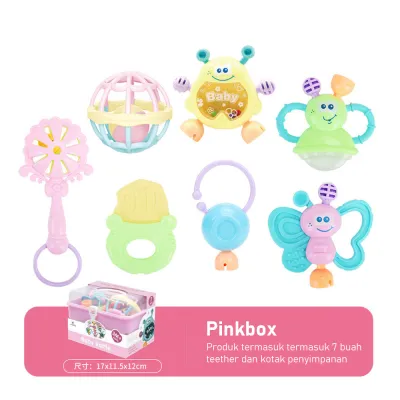
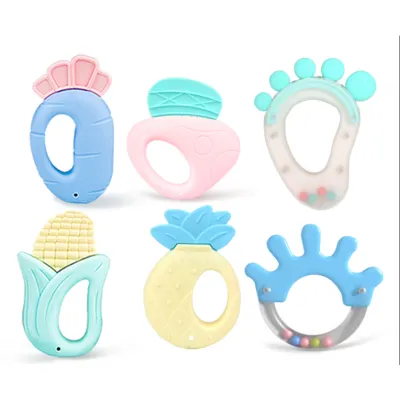

Prices are valid at publication and may change. Please refer to the product page for the latest price.
As your baby approaches their first birthday, the middle teething stage begins with the arrival of the lateral incisors, first molars, and canines. This phase introduces a different kind of discomfort, as these teeth have broader surfaces or sharper edges that must push through tougher gum tissue. You may notice your baby shifting their chewing action to the sides of their mouth, using their fingers to reach deeper into their cheeks. The physical pressure required to soothe these areas increases significantly, and simple front-mouth teethers will no longer provide adequate relief.
The late teething stage, which generally occurs between 20 and 30 months, involves the emergence of the large second molars. This stage can be particularly challenging because these teeth are wide and located at the very back of the jaw. Babies in this phase often experience deep, dull aches and may bite down on hard objects with intense force. They require durable, long-reaching teethers that can withstand heavy jaw pressure without tearing or causing a gag reflex.
Understanding these transitions highlights why a single, one-size-fits-all teether is rarely sufficient. Transitioning to a multi-piece silicone teether set allows you to introduce different tools as your baby’s oral anatomy and biting strength evolve. A well-designed set grows with your child, providing soft, easily reachable shapes early on and firmer, longer designs as the back teeth begin their slow ascent.
Matching Teether Shapes and Textures to Developmental Needs
The physical design of a teether directly impacts how effectively it relieves discomfort and how easily your baby can use it. For the early front-teeth stage, compact, circular, or ring-shaped teethers are highly effective. These shapes are easy for young infants to grasp with their developing palmar grip and guide directly to the front of their mouths. The limited reach of a ring design also prevents the teether from going too far back, reducing the risk of accidental gagging while your baby is still learning to coordinate their hand-to-mouth movements.

As your baby’s motor skills improve and the middle and late teeth begin to emerge, they require teethers with extended reach. Look for designs featuring wand-like handles, key shapes, or animal figures with long, rounded limbs or ears. These extensions allow your baby to safely direct the soothing surface to the back molars and side canines. It is crucial that these extended parts are thick enough to prevent bending into awkward angles but flexible enough to conform to the contours of the jaw.
Texture progression is equally important for effective gum massage. Early on, highly sensitive gums respond best to very soft, smooth, or lightly textured surfaces. Gentle waves or micro-bumps provide just enough friction to relieve itching without causing irritation. As the gums toughen and teeth begin to break through, your baby will naturally seek out firmer, more pronounced textures. Deep ridges, cross-hatched patterns, and soft silicone bristles offer a deeper massage that helps break down the gum tissue over the emerging tooth.
When evaluating a teether set, do not overlook the size and weight of each piece. A teether that is too heavy or bulky will quickly fatigue your baby’s hands, leading to frustration and frequent drops. In humid environments, dropped teethers quickly collect dust, pet hair, and floor bacteria, requiring constant washing. Opt for lightweight designs with open centers, hollow sections, or textured handles that facilitate an easy, independent grip, allowing your baby to self-soothe for longer periods.
Essential Safety and Material Checks for Silicone Teethers
Safety must always be the primary consideration when selecting any product that goes into your baby’s mouth. High-quality teethers are made from 100% food-grade silicone, a material favored for its durability, flexibility, and resistance to bacterial growth. When purchasing a teether set, carefully inspect the packaging and manufacturer labels to verify that the product is certified food-grade and completely free from harmful chemicals such as BPA, phthalates, PVC, and lead.
Structural integrity is another critical safety checkpoint. Examine each teether in the set to ensure it features a solid, one-piece molded construction. Teethers made from multiple pieces glued or snapped together pose a significant risk, as intense biting pressure or repeated sterilization can weaken the joints, leading to small parts breaking off and becoming choking hazards. Avoid teethers with liquid fillings, gel centers, or small attached decorative elements that could easily be punctured or detached by sharp new teeth.
Proper cleaning and maintenance are essential to prevent the buildup of mold and bacteria, especially in warm, humid climates. Textured surfaces, hollow chambers, and grip holes can easily trap saliva, milk residue, and environmental dust. Before purchasing, check the manufacturer’s care instructions to ensure the teethers can be easily sterilized. Most high-quality silicone teethers can withstand high temperatures, making them safe for boiling water, steam sterilizers, and top-rack dishwasher cycles.
Always establish a routine of supervising your baby during teether use, regardless of how safe the design appears. Regularly inspect the teethers under good light, stretching the material to check for micro-tears, thinning areas, or changes in texture. If you notice any stickiness, discoloration, or structural weakness, stop using the teether immediately and consult a healthcare professional if you suspect your baby has ingested any material.
Building Your Silicone Teether Shortlist
With countless options available on ecommerce platforms and in retail stores, creating a curated shortlist will help you make a practical, budget-conscious decision. When filtering online listings, look past generic marketing keywords and focus on detailed manufacturer specifications. Reliable brands will clearly state the recommended age range, exact dimensions, weight, and specific material certifications of their products.
Evaluate the composition of the teether sets you are considering. A practical set should offer a diverse range of shapes, sizes, and textures that cater to different stages of development, rather than multiple identical pieces in different colors. For example, a well-rounded set might include a soft teething mitt or ring for the early months, a textured key-shaped teether for the middle stage, and a firmer, wand-style teether for the molars. This variety ensures you have the right tool on hand as your baby’s needs change, saving you from making multiple individual purchases later.
Be vigilant about red flags when browsing online marketplaces. Avoid listings that lack clear brand identification, detailed care instructions, or transparent material origins. If a set is priced unusually low—such as under ₱150 for a multi-piece bundle—it may indicate lower-grade materials or a lack of rigorous safety testing. Investing in a reputable, well-reviewed set, typically ranging from ₱300 to ₱800, provides peace of mind regarding material safety and durability.
Finally, consider the practicalities of storage and portability. Some silicone teether sets come with a dedicated storage case or hygienic travel pouches, which are incredibly useful for keeping the teethers clean when you are on the go. A clean, dust-free storage solution is especially valuable in tropical regions where airborne dust and humidity can quickly compromise clean baby items.
Frequently Asked Questions (FAQ)
Can I put silicone teethers in the freezer for extra relief?
Chilling teethers in the refrigerator is a highly effective way to provide cooling relief to inflamed gums, particularly during hot, humid days. However, placing silicone teethers in a deep freezer is generally not recommended unless the manufacturer’s instructions explicitly state it is safe to do so. Extreme freezing temperatures can cause the silicone to become excessively hard and rigid, which can bruise or damage your baby’s delicate gum tissue. Furthermore, deep freezing can compromise the structural integrity of certain silicone formulations, making them brittle and more prone to cracking or tearing under biting pressure. Always check the care label first, and if you do chill a teether, ensure it remains flexible and soft to the touch before giving it to your baby.
How often should I replace my baby's silicone teether set?
The lifespan of a silicone teether set depends on the frequency of use, cleaning methods, and your baby’s biting strength. As a general rule, you should perform a quick physical inspection of each teether before every use. Look for visual signs of wear such as deep teeth marks, punctures, thinning areas, or a sticky surface texture that persists even after thorough washing. If your baby has developed sharp incisors or molars, their ability to puncture and tear silicone increases significantly. Any teether showing signs of structural damage, tearing, or material degradation should be retired immediately. Additionally, as your baby transitions to a new developmental stage, older, softer teethers should be replaced with firmer, stage-appropriate designs to ensure both safety and effective relief.
Community discussion
Share your experience or ask a question. Comments are reviewed before publication.