
Finding the right rashes cream for kids depends entirely on identifying the specific type of skin irritation your child is experiencing. Applying a heavy, moisture-trapping ointment to a heat rash can worsen the condition, while using a thin, water-based lotion on severe diaper irritation will fail to provide the necessary protective barrier. In warm, humid climates like the Philippines, children are particularly prone to various skin flare-ups, ranging from sweat-induced bumps to dry, itchy patches. Matching the correct cream category to your child’s specific symptoms is the most effective way to support skin healing and avoid purchasing products that could aggravate the irritation.
Identifying Your Child's Rash: Symptoms and Common Triggers
Before purchasing any rashes cream for kids, you must carefully observe the physical characteristics of the rash and note where it appears on the body. Different skin conditions require completely different active ingredients, and applying the wrong formulation can prolong your child’s discomfort.
Diaper rash is one of the most common issues for infants and toddlers, presenting as bright redness, chafing, and raw-looking skin strictly confined to the diaper area. This irritation is primarily triggered by prolonged contact with wetness, friction from the diaper material, and the chemical breakdown of urine and stool.
Products mentioned in this guide
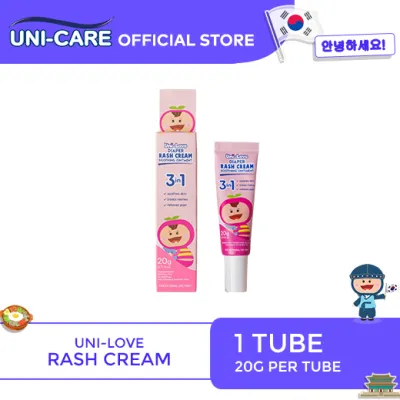
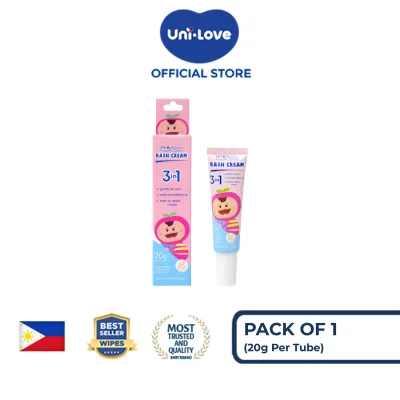
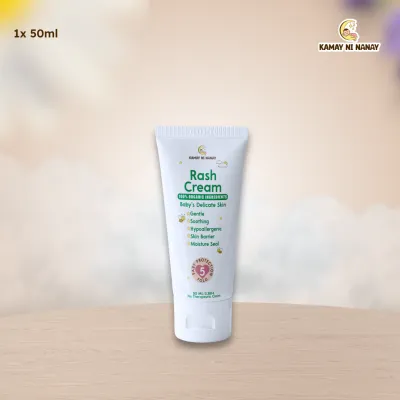
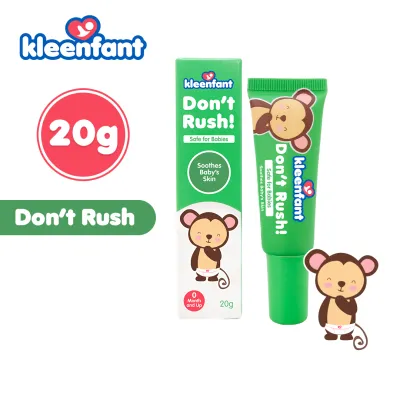
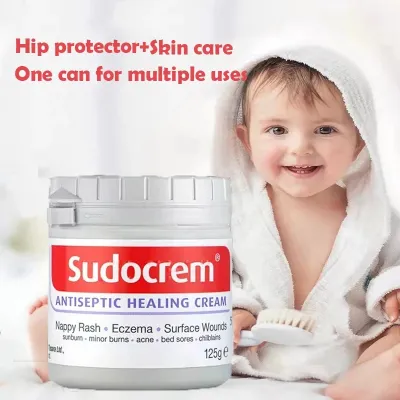
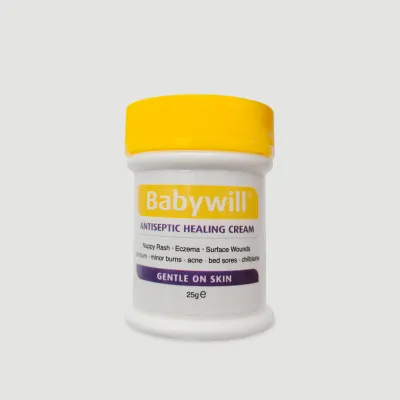
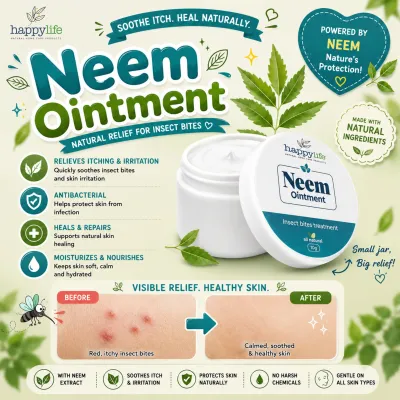
Prices are valid at publication and may change. Please refer to the product page for the latest price.
Heat rash, often called prickling heat, looks like tiny, raised red bumps or clear, fluid-filled blisters that cluster in areas where sweat accumulates. In tropical environments, you will typically find heat rash in sweat-prone folds, neck creases, the upper chest, and areas where tight clothing rubs against damp skin.
Eczema, or atopic dermatitis, presents a very different texture, appearing as dry, scaly, rough, and intensely itchy patches. It commonly flares up on the cheeks of infants, as well as the outer elbows, knees, and wrists of older children, often triggered by dry air, harsh soaps, or environmental allergens.
Allergic reactions usually manifest suddenly as hives—raised, itchy welts that can shift locations—or widespread redness and localized swelling. These reactions often occur shortly after exposure to a new substance, such as a laundry detergent, a new food, a pet, or a topical product.
While these visual descriptions help you categorize the irritation to select the correct over-the-counter product type, they are not a substitute for a professional medical diagnosis. If you are ever uncertain about the cause of your child’s skin irritation, always consult a healthcare professional before applying any new treatment.
Matching the Rash Type to the Correct Cream Category
Once you have observed the symptoms and identified the likely category of your child’s skin irritation, you can match it to the appropriate formulation. Choosing the right product involves checking the active ingredients and understanding how the cream interacts with the skin barrier.

Barrier Creams for Diaper Rash
For diaper-related irritation, the primary goal is to shield the skin from moisture and friction, which requires a thick, protective barrier cream. When reading product labels, look for formulations containing zinc oxide or petroleum-based ingredients as their primary active components. Zinc oxide is highly effective at creating a physical block that repels wetness while soothing irritated skin underneath.
Before purchasing, check the product label for specific application instructions, including the recommended thickness and frequency of use. Many barrier creams are designed to be applied thickly—often compared to frosting a cake—at every diaper change to maintain continuous protection.
To ensure the barrier cream works effectively, the skin must be completely clean and dry before you apply the product. Applying a heavy barrier cream over damp skin can trap moisture against the delicate skin barrier, which can worsen the diaper rash instead of healing it.
Soothing Lotions for Heat Rash
Heat rash requires the exact opposite approach of diaper rash; the goal is to cool the skin and keep the pores completely clear. You must avoid heavy ointments, thick creams, or petroleum jelly, as these dense formulations trap sweat and heat, rapidly worsening the irritation.
Instead, look for lightweight, water-based soothing lotions that contain calming ingredients like calamine or aloe vera on the label. Calamine helps dry up excess moisture and soothe itching, while aloe vera provides a cooling sensation that relieves the discomfort of prickling heat.
To support the healing process, pair the application of these lightweight lotions with environmental cooling measures. Keep your child in a well-ventilated or air-conditioned room, give them lukewarm baths without harsh soaps, and dress them in loose, breathable cotton clothing.
Emollients and Moisturizers for Eczema
Managing eczema requires heavy, barrier-repairing emollients that restore lost moisture and seal the skin’s natural protective barrier. When shopping for eczema care, prioritize thick, fragrance-free creams or ointments over thin, water-heavy lotions that evaporate quickly and can dry out the skin further.
Examine the ingredient list carefully to identify skin-repairing components such as ceramides or colloidal oatmeal. Ceramides help rebuild the lipid barrier of the skin, while colloidal oatmeal is clinically recognized for its ability to soothe itching and reduce redness.
For the best results, apply the emollient immediately after bathing your child while their skin is still slightly damp. This technique locks in the hydration from the bathwater, helping to deeply moisturize the skin and prevent the rapid moisture loss that triggers eczema flare-ups.
Anti-Itch and Allergy Creams
Medicated anti-itch and allergy creams require strict caution and careful label reading before use on young children. These products often contain active ingredients like hydrocortisone or antihistamines, which are absorbed through the skin and must be managed carefully.
Always read the packaging to check for age restrictions, maximum daily application limits, and the recommended duration of use. Over-the-counter hydrocortisone creams should generally not be used for extended periods without professional guidance.
Never apply medicated anti-itch creams to broken skin, open wounds, weeping sores, or areas near your child’s eyes or mouth. If your child has a severe allergy rash or if you are considering using any steroid-based cream on an infant, always consult a pediatrician first.
Safety Checks and Label Reading Before You Buy
Selecting a rashes cream for kids requires a methodical approach to reading labels to ensure the product is safe for delicate, developing skin. Children’s skin is significantly thinner and more sensitive than adult skin, making it highly susceptible to chemical irritation and systemic absorption.
Your first step when browsing products in-store or on an online marketplace is to verify that the cream is explicitly formulated and tested for babies or children. Pediatric formulations are typically subjected to stricter safety standards and are designed to minimize the risk of adverse skin reactions.
Scan the ingredient list thoroughly to avoid common irritants that can trigger contact dermatitis or worsen an existing rash. Look out for and avoid added synthetic fragrances, parabens, phthalates, essential oils, and harsh chemical preservatives. Even products labeled “natural” can contain botanical extracts or essential oils that are highly irritating to compromised skin.
Before completing your purchase, inspect the physical packaging for integrity, ensuring the safety seals are intact and the container is not damaged. Whether you are purchasing a budget-friendly option for ₱150 or a premium imported brand, checking the expiration date is essential, as expired active ingredients can lose their efficacy or degrade into irritating compounds.
Once you bring the product home, perform a simple patch test before applying it to the affected area. Apply a tiny amount of the cream to a small, healthy patch of skin, such as the inside of the forearm, and monitor it for 24 hours to ensure no redness or irritation develops.
When to Stop Home Care and See a Pediatrician
While many mild childhood rashes resolve with proper over-the-counter care, parents must recognize the clear boundaries of home treatment. Knowing when to stop applying creams and seek professional medical evaluation is critical for your child’s safety.
Watch closely for signs of a secondary bacterial or fungal infection, which can develop when the skin barrier is broken from scratching or severe irritation. Seek immediate medical attention if you notice pus, yellow crusting, oozing, increased warmth, spreading red streaks, or if your child develops a fever.
You should also schedule a visit with a pediatrician if the rash worsens, begins to bleed, or shows absolutely no improvement after a few days of consistent, appropriate home care. A persistent rash may indicate an underlying condition that requires a prescription-strength treatment or a different therapeutic approach.
Seek emergency medical care immediately if the rash is accompanied by systemic symptoms such as breathing difficulties, wheezing, a hoarse cough, or swelling of the face, lips, or tongue. Additionally, if you suspect a sudden, widespread allergic reaction to a new cream or medication, stop using the product immediately and seek urgent medical evaluation.
Frequently Asked Questions (FAQ)
Can I use adult rash cream on my child?
No, you should avoid using adult rash creams on children unless specifically directed by a pediatrician. Children’s skin is thinner and absorbs topical substances much more rapidly than adult skin, which increases the risk of systemic side effects from strong active ingredients. Adult formulations often contain higher concentrations of medications, as well as fragrances, alcohol, and preservatives that can severely irritate a child’s delicate skin. Always check the product packaging for explicit pediatric age approvals and use only products designed for children.
Is it safe to use steroid creams on babies without a prescription?
Using over-the-counter steroid creams, such as hydrocortisone, on babies without a pediatrician’s direct guidance carries significant risks. Infant skin is highly permeable, and improper use of topical steroids can lead to skin thinning, discoloration, and systemic absorption into the bloodstream. Always check the product label for age limits, as many over-the-counter steroid creams are not approved for children under two years old without medical advice. Consult your pediatrician before applying any steroid cream to ensure it is appropriate for your baby’s specific condition.

Community discussion
Share your experience or ask a question. Comments are reviewed before publication.