
When welcoming a new baby into your home, keeping their delicate nails trimmed, hair neat, and nasal passages clear becomes a daily priority. The brand pmbaby offers versatile baby grooming kits designed to simplify these essential tasks for both newborns and older infants. These multi-piece kits typically bundle crucial care items—such as electric nail files, safety clippers, soft-bristle brushes, and nasal aspirators—into convenient, travel-friendly packages. To choose the right pmbaby grooming kit, parents must evaluate the specific tools included against their baby’s current developmental stage, ensuring every item is safe, age-appropriate, and easy to maintain. By matching the kit’s contents to your child’s growing needs, you can transform what is often a stressful chore into a gentle, bonding routine.
Quick Guide to pmbaby Grooming Kits by Age
A baby’s grooming needs evolve rapidly during their first year of life. What works perfectly for a week-old newborn may no longer be effective, or even safe, for an active nine-month-old infant. Understanding these developmental shifts is the first step in selecting a grooming kit that will serve your family well over time.
The core differences in grooming requirements stem from rapid physical changes in your baby’s skin, nails, and hair. A newborn’s skin is incredibly thin and delicate, making it highly susceptible to irritation and accidental nicks. Their nails, while paper-thin and soft, grow at an astonishing rate, often requiring trimming multiple times a week to prevent them from scratching their own faces. As infants grow into the three-to-twelve-month stage, their skin becomes more resilient, their nails thicken and harden, and their hair density increases, requiring sturdier tools.
Products mentioned in this guide
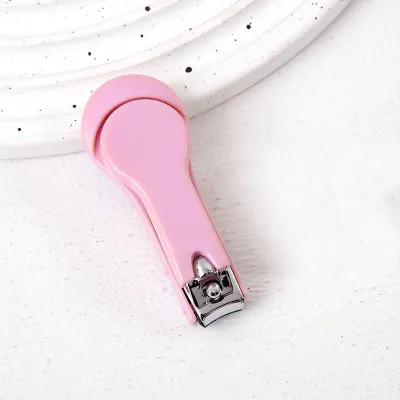
Prices are valid at publication and may change. Please refer to the product page for the latest price.
A comprehensive baby grooming kit generally categorizes its tools into four primary areas of care:
- Nail Care: This includes tools like electric nail files, miniature safety scissors, manual clippers with rounded edges, and emery boards.
- Hair Care: This typically features ultra-soft bristle brushes for newborns and wider-toothed combs for older infants.
- Nasal Care: This includes manual nasal aspirators or bulb syringes designed to clear tiny airways safely.
- Oral Care: This consists of silicone finger brushes for early gum cleaning and soft-bristled toothbrushes for emerging teeth.
Before purchasing any pmbaby grooming kit, it is highly recommended to verify the specific age recommendations printed on the product packaging or detailed in official online store listings. Not all tools in a multi-piece set are intended for immediate use from day one. Furthermore, living in a tropical climate like the Philippines introduces unique environmental factors. High humidity can accelerate moisture retention in storage cases, making it crucial to select kits with well-ventilated designs to prevent mold and bacterial growth on your baby’s grooming tools.
Essential Tools for Newborns (0 to 3 Months)
During the first three months of life, grooming is focused entirely on safety, gentleness, and protection. Newborns have limited muscle control and are prone to sudden, involuntary startle reflexes, which makes traditional grooming tools risky to use. Identifying the specific tools within a pmbaby kit that are tailored for this fragile stage is essential for stress-free care.

For newborn nail care, an electric baby nail file is often the safest and most effective tool. These battery-operated devices utilize rotating, cushioned sanding pads that gently file down soft, fast-growing nails without harming the surrounding skin. If you prefer manual tools, look for specialized newborn clippers that feature rounded tips, short blades, and ergonomic safety guards. These design elements minimize the risk of accidental skin nicks, giving parents greater confidence during trimming sessions.
Hair care for newborns is less about styling and more about scalp health. Many newborns experience cradle cap, a common and harmless skin condition characterized by oily, yellowish scales on the scalp. An ultra-soft bristle brush is an invaluable tool for managing this condition. Using the brush in gentle, circular motions during or after bath time helps loosen dry flakes and stimulates the scalp without irritating the baby’s sensitive skin.
Nasal and oral hygiene are also critical during these early months. Because newborns are obligatory nasal breathers, even minor congestion from dust or humidity can disrupt their feeding and sleep. A manual nasal aspirator or bulb syringe with a soft, flexible silicone tip allows parents to clear mucus safely and gently. For oral care, a food-grade silicone finger brush is ideal. Parents can slip this over their finger to gently wipe away milk residue from the baby’s gums and tongue, establishing a clean oral environment before teeth even begin to emerge.
When unboxing a multi-piece pmbaby grooming kit, always cross-check each individual tool’s intended age range on the manufacturer’s label. Some items, such as standard infant clippers or plastic combs, should be set aside until your baby reaches the appropriate developmental milestone. Taking the time to verify these details ensures that your newborn’s grooming routine remains entirely safe and comfortable.
Grooming Needs for Older Infants (3 to 12 Months)
As your baby transitions past the three-month mark, their physical characteristics and activity levels change dramatically. They become more curious, more mobile, and significantly more resistant to sitting still for grooming sessions. To keep pace with these changes, parents must transition to sturdier, more advanced tools within their pmbaby grooming kit.
Between three and twelve months, a baby’s nails begin to harden, thicken, and grow even faster. While an electric nail file remains useful for smoothing rough edges, you will likely need to transition to standard infant nail clippers to achieve a clean, quick cut. These clippers are slightly larger than newborn versions but still feature curved blades designed to match the natural shape of an infant’s fingernails. Ergonomic, non-slip handles are crucial during this stage, as they provide caregivers with a secure grip when managing a squirming baby.
Hair care also requires an upgrade as your baby’s hair grows thicker and longer. Active play, crawling, and outdoor exploration in warm weather can lead to tangles and sweat buildup. Introducing a wide-toothed comb with rounded tips allows you to gently detangle hair without pulling on the scalp. This tool is especially useful after baths to keep the hair neat and clean.
The eruption of the first tooth, which typically occurs around six months of age, marks a major milestone in oral care. At this point, parents should transition from silicone finger brushes to an infant toothbrush featuring ultra-soft nylon bristles. This transition is vital for protecting the delicate new enamel and cleaning the hard-to-reach areas around the gums. Using a toothbrush specifically designed for infants ensures that the brush head is small enough to fit comfortably in their mouth without causing gagging.
As babies become more active, safety during grooming sessions requires heightened vigilance. Never leave a baby unattended with any grooming tool, and always perform grooming in a well-lit room. Regularly inspect all tools in your kit for signs of wear and tear, such as loose plastic parts, dull blades, or frayed brush bristles. Replacing worn items promptly is essential to prevent accidental injuries and maintain high hygiene standards.
Safety, Hygiene, and Purchase Verification
When selecting a grooming kit for your baby, material safety and hygiene standards must be your top priorities. Because many of these tools come into direct contact with your baby’s mouth, nose, eyes, and skin, verifying the quality of the materials before making a purchase is non-negotiable.
First, always inspect the product labels for material certifications. Ensure that any plastic components are explicitly labeled as BPA-free and phthalate-free. For tools that enter the baby’s mouth or nose, such as finger brushes and nasal aspirator tips, verify that they are made from 100% food-grade silicone. These materials are non-toxic, hypoallergenic, and free from harmful chemicals that could leach into your baby’s system.
Proper cleaning and sterilization are equally important to prevent the buildup of harmful bacteria. However, different materials require different care methods:
- Boil-Safe Materials: Items made entirely of food-grade silicone, like finger brushes, can typically be boiled or steam-sterilized to ensure complete hygiene.
- Wipe-Only Materials: Tools with plastic handles, metal blades, or electronic components—such as electric nail files and clippers—must never be submerged in water or subjected to high heat. Instead, wipe them down carefully with a damp cloth and mild soap, then dry them thoroughly.
Storage plays a critical role in maintaining hygiene, particularly in humid tropical environments like the Philippines. Storing damp tools in a sealed, unventilated container creates a breeding ground for mold and rust. Look for pmbaby grooming kits that come with a dedicated, well-ventilated travel case. A high-quality case keeps the tools organized, prevents cross-contamination, and allows air circulation to keep the items dry and clean.
Finally, always purchase your baby grooming kits from authorized retailers or official online brand stores. Buying from verified sources guarantees that you receive authentic products with accurate safety labeling and access to valid manufacturer warranties. Avoid purchasing from unverified third-party sellers on online marketplaces, as counterfeit grooming kits may use substandard materials that pose serious safety risks to your child.
Frequently Asked Questions (FAQ)
How often should I replace the tools in a baby grooming kit?
You should regularly inspect your baby grooming tools and replace them at the first sign of wear and tear. Visual cues such as frayed brush bristles, dull clipper blades, or cracked silicone parts indicate that a tool is no longer safe or effective. Additionally, it is highly recommended to replace oral and nasal tools, such as finger brushes and nasal aspirators, immediately after your baby recovers from a severe illness to prevent reinfection. For electronic items like electric nail files, follow the manufacturer’s specific lifespan guidelines and replace the batteries promptly to maintain consistent performance.
Can I use adult nail clippers if the baby kit clippers are too small?
No, you should never use adult nail clippers on a newborn or infant. Adult clippers are designed with larger, sharper blades and a wider curvature that do not match the tiny size and delicate shape of a baby’s fingers. Using adult tools significantly increases the risk of cutting the baby’s sensitive skin or causing nail splitting due to the difference in nail thickness. Always use age-appropriate tools specifically designed for infants, as specified by the manufacturer, to ensure a safe and pain-free grooming experience.
What is the safest way to clean an electric baby nail file?
The safest way to clean an electric baby nail file is to wipe the exterior handle with a slightly damp cloth and a small amount of mild soap. You must never submerge the electronic handle in water or attempt to boil or steam-sterilize it, as moisture will damage the internal motor and battery compartment. For the filing heads, gently brush away any nail dust using a clean, dry brush or wipe them with an alcohol prep pad. Always consult the specific pmbaby product manual for exact cleaning, maintenance, and battery replacement instructions to ensure the longevity of the device.
Community discussion
Share your experience or ask a question. Comments are reviewed before publication.