
Finding the right pacifier for a newborn or young infant is a highly personal decision that directly impacts your baby’s comfort and oral development. For parents in the Philippines, this choice involves navigating not only the physical design of the pacifier but also the unique challenges posed by a warm, tropical climate. High humidity and heat can affect both the baby’s skin comfort and the longevity of the pacifier materials, making careful selection essential.
During the first six months of life, a baby’s sucking reflex is at its strongest, serving as a vital mechanism for self-soothing and comfort. A well-designed pacifier can provide excellent support during fussy periods, sleep transitions, and travel. However, because a newborn’s oral cavity is rapidly developing, using an improperly sized or poorly constructed pacifier can lead to discomfort, skin irritation, or potential safety hazards.
To make an informed decision, caregivers must evaluate key factors such as nipple size, shield ventilation, material durability, and structural safety. By understanding what to look for and how to verify the quality of these products, you can build a safe, reliable shortlist that fits your family’s budget and lifestyle. This guide outlines the essential criteria for selecting the best pacifier for your 0 to 6-month-old baby in the local market.
Products mentioned in this guide
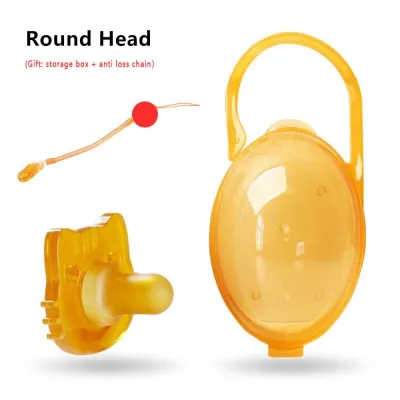
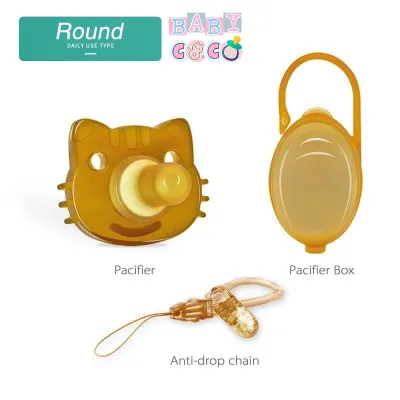
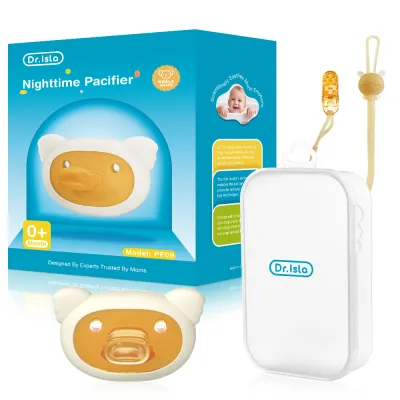
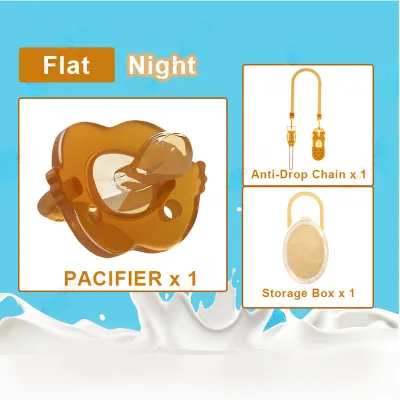
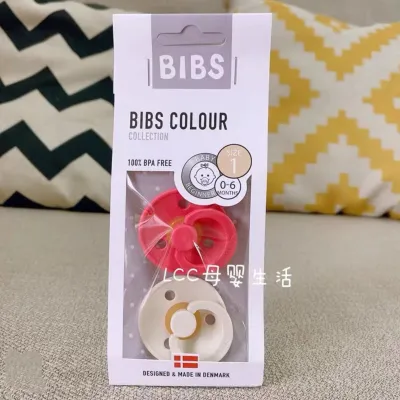
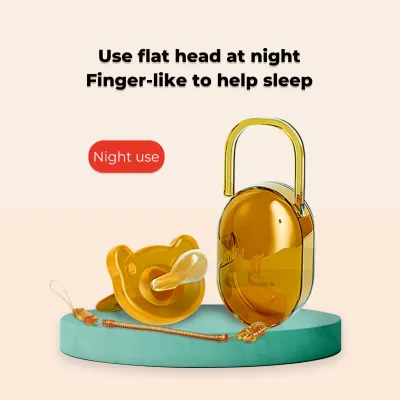
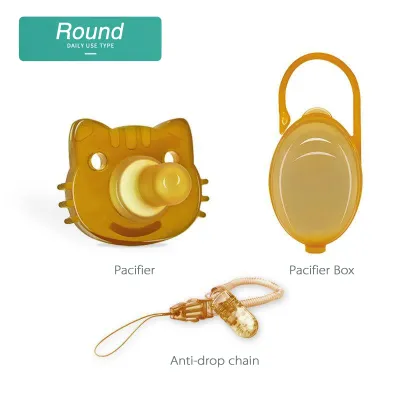
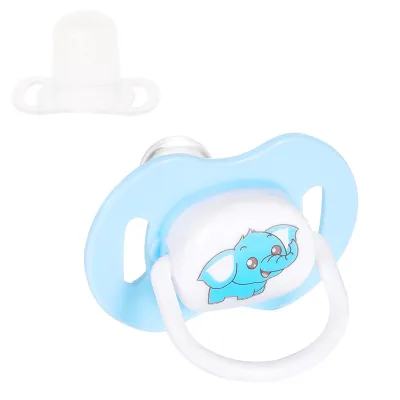
Prices are valid at publication and may change. Please refer to the product page for the latest price.
Key Features to Look for in Pacifiers for 0 to 6 Months
When shopping for a pacifier designed for the 0 to 6 months developmental stage, the physical dimensions of the nipple are the most critical factor. Pacifiers in this category are specifically engineered with smaller, shorter nipples to accommodate the shallow palate and limited mouth capacity of a newborn. Using a nipple that is too large can trigger the gag reflex, cause oral fatigue, or interfere with the baby’s natural latching ability. Always check the packaging for explicit age grading, typically labeled as “0-6m” or “newborn,” to ensure the size matches your baby’s current developmental stage.
The design of the shield is equally important for both safety and skin health. A proper shield must be wide enough to prevent the baby from drawing the entire pacifier into their mouth, yet contoured to curve away from the nose to ensure unobstructed breathing. In the Philippines, where high humidity and warm temperatures are constant, sweat and saliva can easily pool beneath a solid plastic shield. This trapped moisture often leads to friction, redness, and painful drool rashes around the mouth. To prevent this, look for shields with large ventilation holes or open-air designs that maximize airflow, keeping the delicate skin dry and comfortable.
Material selection is another crucial decision point, with medical-grade silicone and natural rubber latex being the two primary options. Silicone is highly favored for its durability, lack of odor, and hypoallergenic properties. It is a firm material that retains its shape well over time and can withstand frequent exposure to high-temperature sterilization, such as boiling water or steam sterilizers. This heat resistance is particularly advantageous in tropical climates, where keeping baby items hygienic is a daily priority.
Natural rubber latex, on the other hand, is softer and more flexible than silicone, often mimicking the natural feel of a mother’s breast more closely. Many babies readily accept latex because of this pliable texture. However, latex is a porous material that degrades much faster than silicone, especially when exposed to heat, sunlight, and moisture. It can become sticky, warp, or absorb odors over time, requiring more frequent replacements. Additionally, because latex can trigger allergic reactions in sensitive infants, parents must monitor their baby closely for any signs of skin irritation if they choose this material.
Safety Standards and What to Check Before Buying
Ensuring the structural integrity of a pacifier is paramount to preventing accidental choking or injury. The safest option for newborns and young infants is a one-piece construction, where the nipple, shield, and ring are molded from a single continuous piece of material, usually silicone. One-piece pacifiers eliminate the risk of the nipple detaching from the shield during vigorous sucking, which is a common hazard in multi-piece designs held together by plastic joints. If you do choose a multi-piece pacifier, ensure that the components are securely fused and show no signs of movement or separation when pulled.

Before purchasing any pacifier, parents should carefully inspect the packaging for recognized safety certifications and compliance standards. Look for markings indicating that the product is BPA-free, phthalate-free, and compliant with international safety regulations such as the European standard EN 1400 or US FDA guidelines. These certifications guarantee that the plastics and colorants used in the manufacturing process are non-toxic and safe for prolonged oral contact. Avoid buying unbranded or cheaply packaged pacifiers that lack clear manufacturer details, safety warnings, or batch numbers.
Establishing a routine inspection habit is essential for maintaining a safe soothing environment. Before giving a pacifier to your baby, perform a thorough visual and physical check. Hold the shield in one hand and firmly pull the nipple in all directions to test its strength. Look closely for tiny hairline cracks, punctures from early teeth, or thinning of the material. If you notice any tears, discoloration, or a change in the elasticity of the nipple, discard the pacifier immediately.
Environmental factors in the Philippines, such as intense sunlight and high indoor humidity, can accelerate the breakdown of pacifier materials. Latex pacifiers are particularly vulnerable to these conditions and may become sticky, swollen, or brittle within a few weeks of use. Silicone pacifiers, while more resilient, can also develop a cloudy appearance or a slippery film if not cleaned properly. Any pacifier that feels sticky to the touch, has a persistent off-odor, or shows visible structural weakness must be replaced immediately to protect your baby from choking hazards or bacterial contamination.
Matching Pacifier Shapes to Your Baby's Needs
Pacifier nipples generally come in two primary shapes: orthodontic and traditional round (often referred to as cherry-shaped). Orthodontic pacifiers feature a flattened bottom and a slightly rounded top, designed to mimic the shape of a mother’s nipple during breastfeeding. This design is engineered to adapt to the natural movement of the baby’s tongue and jaw, reducing pressure on the developing gums and palate. Many pediatric dentists recommend orthodontic shapes because they support healthy oral alignment and minimize the risk of dental issues later in childhood.
Traditional round pacifiers feature a symmetrical, bulbous nipple that looks similar from any angle. Some babies prefer this shape because it feels familiar and is easy to keep in the mouth, as there is no “right side up” for the baby to manage. While round pacifiers are widely accepted, prolonged and intense use can sometimes exert uneven pressure on the soft palate of a newborn. When choosing between these shapes, it is often best to let your baby guide the decision. You may want to purchase one of each style initially to observe which shape your baby latches onto more comfortably and retains with less effort.
Observing your baby’s latch and overall comfort is key to determining if a pacifier is suitable. A well-fitting pacifier should allow the baby to maintain a secure, relaxed seal without constant readjustment or signs of frustration. If your baby frequently gags, spits the pacifier out immediately, or shows signs of oral fatigue, the nipple shape or size may not be correct. Additionally, pay close attention to your baby’s feeding patterns. If you notice changes in how your baby latches during breastfeeding or bottle-feeding after introducing a pacifier, it may be helpful to temporarily pause its use.
While pacifiers are excellent tools for soothing, they should not be used to delay or replace regular feedings. If your baby is showing signs of hunger, such as rooting, sucking on hands, or fussing, always offer a feed first rather than relying on a pacifier. If you experience persistent challenges with feeding, latching, or if you suspect the pacifier is affecting your baby’s weight gain, consult a pediatrician or a certified lactation consultant. These professionals can provide personalized guidance to ensure that pacifier use supports, rather than hinders, your baby’s healthy development.
Building a Safe Shortlist and Planning Your Budget
When planning your budget for baby essentials, it is important to view pacifiers as consumable items that require regular replacement rather than a one-time purchase. In the Philippines, a single high-quality, brand-name pacifier typically costs between ₱150 and ₱500, depending on the materials and design features. Many reputable brands offer multi-packs, usually containing two pacifiers, priced from ₱300 to ₱800. Opting for multi-packs is highly practical, as it ensures you always have a clean spare on hand when one inevitably drops on the floor or needs to be sterilized.
To guarantee the safety and authenticity of the products you buy, always prioritize authorized retail channels. Purchase pacifiers from official brand stores, well-known department stores, licensed pharmacies, or established baby specialty retailers. These businesses maintain strict quality control standards and source their inventory directly from authorized distributors. This reduces the risk of accidentally purchasing counterfeit products that may look identical to premium brands but are made with substandard, toxic materials or lack structural safety testing.
Be highly cautious when browsing online marketplaces or third-party ecommerce platforms. While these sites often feature tempting discounts and low-priced unbranded options, they are also common channels for counterfeit goods. Counterfeit pacifiers pose severe risks, including weak joints that can break apart in a baby’s mouth or plastics containing banned chemical additives. When buying online, look for “official mall” badges, verified seller ratings, and read customer reviews carefully to confirm the authenticity of the product.
Always inspect the physical packaging of the pacifier before opening it. A genuine product should arrive in a fully sealed, tamper-evident blister pack or box with clear, legible printing. Check for the manufacturer’s contact information, country of origin, batch number, and manufacturing date. In our warm climate, avoid buying products that have been displayed in direct sunlight or stored in hot, unventilated warehouse environments, as prolonged heat exposure can degrade the materials before you even open the package.
Frequently Asked Questions (FAQ)
How often should I replace a pacifier for a 0 to 6 month old?
As a general rule, manufacturers recommend replacing pacifiers every 4 to 8 weeks, even if they appear to be in good condition. This regular rotation is necessary because the materials naturally degrade over time from exposure to saliva, heat, and frequent sterilization. For natural rubber latex pacifiers, the replacement window is typically shorter—closer to 4 to 6 weeks—due to the material’s rapid wear rate. Beyond the calendar timeline, you must perform daily visual and tactile checks. If the nipple becomes sticky, discolored, swollen, or shows any visible cracks or tears during the pull test, discard it immediately and replace it with a new one.
Can I use a pacifier designed for older babies if my newborn is larger than average?
No, you should never use a pacifier designed for older babies (such as 6-18 months) for a newborn, regardless of the baby’s physical size or weight. Pacifier age grading is based on oral development and safety, not just body weight. Pacifiers designed for older infants feature larger, firmer nipples that can cause gagging, discomfort, or exert excessive pressure on a newborn’s delicate, highly malleable palate. Furthermore, the shields on older pacifiers are larger and heavier, which can press against a newborn’s nose and obstruct their breathing. Always stick strictly to the 0 to 6 months size range to ensure both safety and comfort.
Community discussion
Share your experience or ask a question. Comments are reviewed before publication.