
Baby-proofing a home in the Philippines requires careful attention to electrical safety, especially given the unique layout of local households and the prevalence of standard two-prong and three-prong outlets. Choosing the right outlet lock cover involves balancing your child’s developmental stage with the specific electrical configurations in your living spaces. In tropical environments where high humidity and heat can affect plastic durability, selecting robust, heat-resistant materials is essential for long-term protection.
As infants transition into crawling and walking, their natural curiosity drives them to explore low-lying objects, including wall sockets. Electrical outlets are often positioned at perfect eye level for a toddler on the move, making them one of the most critical areas to secure. A well-chosen outlet lock cover acts as a physical barrier, preventing children from inserting foreign objects like toys, keys, or fingers into live electrical contacts.
To make an informed decision, caregivers must understand the different types of covers available, how they interact with local electrical standards, and how to maintain them over time. This comprehensive guide outlines the key factors to consider when selecting, installing, and maintaining outlet lock covers to ensure a safer environment for your growing child.
Products mentioned in this guide
Prices are valid at publication and may change. Please refer to the product page for the latest price.
Understanding the Main Types of Outlet Lock Covers
When planning your home baby-proofing strategy, the first step is to understand the distinct categories of outlet lock covers available on the market. Each type serves a specific purpose, and choosing the right one depends on how frequently the outlet is used and the developmental stage of your child.
Plug Inserts and Caps
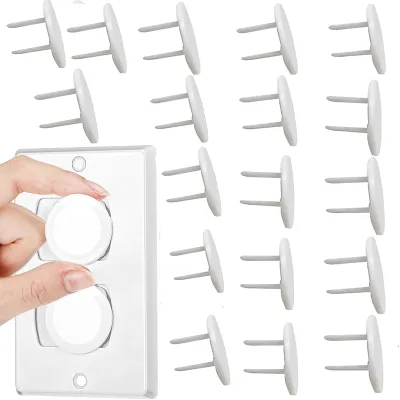
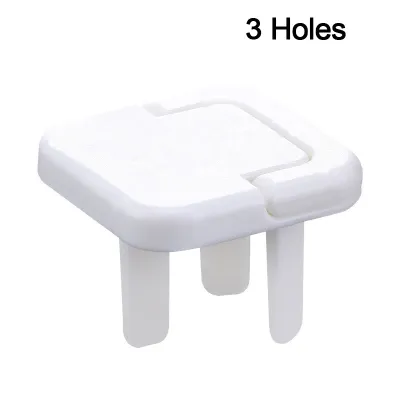
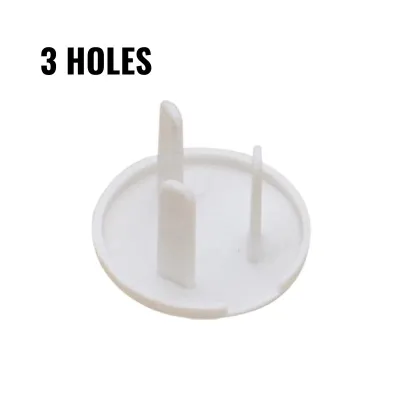
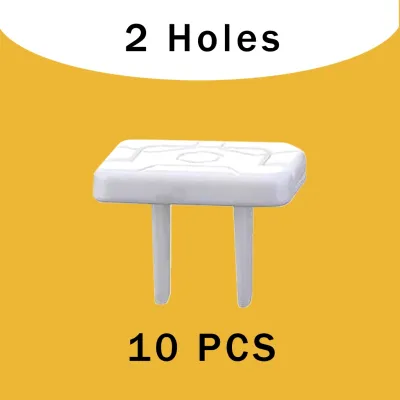
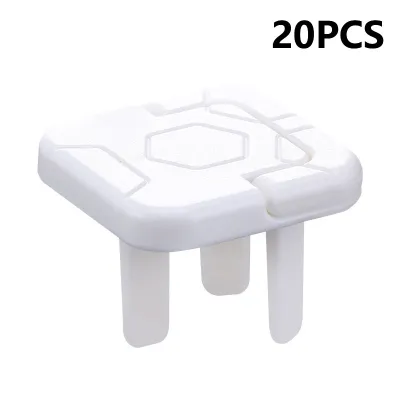
Plug inserts, often referred to as outlet caps, are simple plastic prongs that push directly into individual socket openings. They are highly economical and work well for outlets that are rarely or never used, such as those hidden behind heavy storage units. Because they fit flush against the outlet faceplate, they are relatively unobtrusive and do not draw a child’s attention.
However, plug inserts require careful evaluation regarding removal difficulty and potential choking hazards. As toddlers develop fine motor skills and finger strength, they may attempt to pry these caps off using their fingernails or even their teeth. If a child successfully removes a plug insert, the small plastic piece itself becomes a severe choking hazard. Caregivers must verify the physical dimensions of these inserts and ensure they are large enough to pass standard small-parts safety tests before use.
Sliding Outlet Covers
Sliding outlet covers offer a more permanent and automated solution for frequently accessed sockets. These devices replace the existing wall faceplate entirely. They feature a spring-loaded mechanism that automatically slides the socket entries closed the moment an appliance plug is pulled out.
This automatic closing feature is highly convenient for outlets used daily, such as those for phone chargers, vacuum cleaners, or portable fans. It eliminates the human error of forgetting to replace a manual cap after unplugging a device. When selecting sliding covers, caregivers should assess the durability of the internal spring mechanism. In humid tropical climates, lower-quality springs can lose tension or rust over time, preventing the cover from sliding back into the fully closed position.
Outlet Box Covers
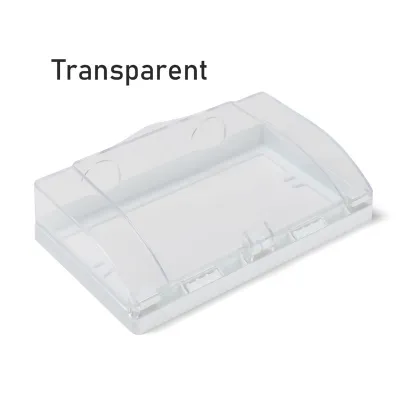
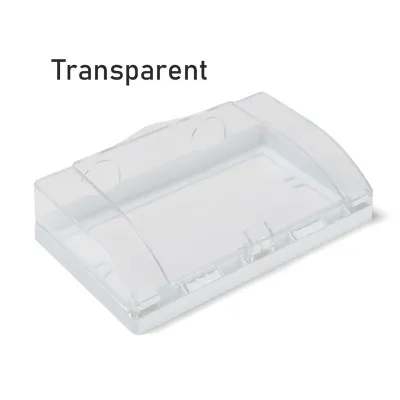
Outlet box covers, or baby-safe outlet enclosures, are designed to protect outlets that have appliances constantly plugged into them. These bulky plastic boxes snap shut over both the outlet and the active plugs, completely enclosing the electrical connection. They are essential for securing power sources for major household appliances like refrigerators, television consoles, and air conditioning units.
By enclosing the entire plug, these boxes prevent toddlers from pulling out active plugs or touching exposed metal prongs. When evaluating outlet box covers, it is crucial to check the internal cord clearance. Some designs may not accommodate bulky adapters, right-angle plugs, or thick heavy-duty cords common in Philippine households. Additionally, look for models with adequate ventilation slots to prevent heat buildup around active plugs, especially during hot summer months.
Key Features to Evaluate for Toddler Safety
Selecting the right outlet cover requires looking beyond basic aesthetics to evaluate specific safety, material, and usability dimensions. A cover that is easy for an adult to operate but impossible for a toddler to bypass is the ideal standard.

Locking Mechanisms
The effectiveness of an outlet cover relies heavily on its locking mechanism. Simple push-and-turn designs may suffice for younger infants, but older toddlers quickly learn by observing adult behavior. For advanced child resistance, look for dual-action release mechanisms that require two distinct, simultaneous physical actions to open, such as pressing two side buttons while sliding the cover.
Some high-security outlet box covers utilize hidden latches or require a specific tool, such as a plastic key or a coin, to unlock. These tool-required locks are highly effective for curious children who excel at problem-solving. Caregivers should match the complexity of the lock to their child’s current cognitive and physical development stage, upgrading the mechanism as the child grows more capable.
Material and Build Quality
The environmental conditions in the Philippines, characterized by high humidity and warm temperatures, demand high-quality materials that do not degrade quickly. Cheap, brittle plastics can crack under pressure or warp over time, compromising the safety barrier. Look for covers made from heavy-duty, shatter-resistant plastics such as ABS or high-impact polycarbonate.
It is also important to verify product labels to ensure the materials are non-toxic and free from harmful chemicals like BPA, lead, and phthalates. Since toddlers often explore their environment using their mouths, any accessible part of the cover must be safe if chewed. Inspect the physical build of the cover for smooth, burr-free edges to prevent accidental scratches or cuts during daily use.
Adult Usability
While child resistance is paramount, adult usability is a critical factor in maintaining a consistent safety routine. If an outlet cover is excessively difficult or frustrating for caregivers to open, there is a high risk that it will be left unlocked or removed entirely. This is especially true in multi-generational households where grandparents or domestic helpers also need to access the outlets.
Test the mechanism to ensure it balances robust child resistance with reasonable ease of operation for adults. A good design allows an adult to open or slide the cover with one hand while holding a plug in the other, without requiring excessive physical force. Consistent use is the key to effective baby-proofing, so the device must fit seamlessly into your daily routine.
Matching Covers to Your Home's Electrical Setup
Before purchasing any baby-proofing products, you must carefully assess your home’s existing electrical infrastructure. Outlet designs and wall plate configurations can vary significantly, and a cover that works perfectly in one room may not fit in another.
Standard vs. Specialized Plates
In the Philippines, residential electrical setups commonly feature a mix of Type A (two-prong ungrounded) and Type B (three-prong grounded) outlets. These are typically mounted on rectangular faceplates, which differ from the square or round plates common in other regions. Some modern homes also utilize multi-gang panels that combine multiple sockets or light switches onto a single large plate.
Before buying replacement faceplates or sliding covers, measure your existing wall plates and verify compatibility with your specific socket configuration. Standard duplex sliding covers may not align correctly with international multi-sockets or specialized three-prong grounded outlets. Ensuring a precise physical fit is essential, as any misalignment can leave gaps or prevent the safety mechanism from functioning.
Furniture Placement
The physical location of your outlets relative to your furniture plays a major role in determining the best cover style. Outlets located in open areas, such as hallways or playrooms, are highly visible and require robust, tamper-resistant covers. Conversely, outlets positioned behind heavy furniture like cribs, changing tables, or sofas present a different challenge.
In tight spaces behind furniture, bulky outlet box covers can prevent the furniture from sitting flush against the wall. This can cause the furniture to press against active plugs, bending the cords and creating a potential fire hazard. For these areas, opt for low-profile, flat-surface sliding covers or specialized ultra-thin outlet boxes that redirect the cords sideways, keeping them safe from being pinched or damaged.
Switch Combinations
Many local electrical layouts feature combined wall plates where a light switch and a power outlet sit side-by-side. Standard outlet box covers are often too wide and will block access to the adjacent light switch, making daily operation highly inconvenient.
To address this, look for specialized split covers or partial guards designed specifically for combination plates. These devices protect the electrical socket while leaving the light switch fully exposed and functional. Alternatively, you can install individual plug inserts on the outlet portion of the plate, provided they fit securely and do not interfere with the switch toggle.
Safe Installation and Routine Inspection
Proper installation is just as important as choosing the right product. A poorly installed cover can create a false sense of security while failing to protect your child from electrical hazards.
Pre-Installation Checks
Before installing any outlet cover that requires removing the existing faceplate or loosening screws, you must prioritize electrical safety. Always turn off the power to the specific circuit at the main breaker panel. Use a reliable, non-contact voltage tester on the outlet to confirm that no electrical current is flowing before you begin work.
Carefully read the manufacturer’s installation instructions, as different models may have specific alignment requirements or torque limits for screws. Gather all necessary tools, such as the correct size screwdriver, before starting. Working in a well-lit environment will help you see the internal components clearly and avoid mistakes.
Installation Boundaries
While many outlet covers are designed for easy DIY installation, caregivers must recognize when to stop and seek professional help. If you remove a faceplate and discover loose or crumbling wall boxes, stripped screw holes, cracked plaster, or exposed, frayed wiring, do not attempt to install the cover.
Forcing a cover onto a damaged or improperly installed electrical box can lead to loose connections, sparking, or fire hazards. If the faceplate does not sit completely flush against the wall, or if you notice any signs of scorching or heat damage on the outlet, stop immediately. Consult a licensed electrician to repair or replace the underlying electrical components before proceeding with your baby-proofing setup.
Post-Installation Testing
Once the installation is complete, perform a thorough physical inspection and testing process. Gently tug on the cover to ensure it is firmly anchored to the wall and cannot be pried off by a determined toddler. Check for any visible gaps between the cover and the wall surface.
A gap wider than a few millimeters can allow small fingers, paperclips, or toys to slip behind the plate, defeating the purpose of the cover. For sliding covers, test the mechanism multiple times to ensure it snaps back quickly and completely when the plug is removed. Regular physical testing helps identify any installation errors or manufacturing defects before your child has a chance to interact with the outlet.
Maintenance, Cleaning, and Replacement Triggers
Baby-proofing is not a one-time task; it requires ongoing maintenance to ensure the protective barriers remain effective as your child grows and environmental factors take their toll.
Cleaning Protocols
Over time, dust, pet hair, and lint can accumulate inside sliding mechanisms or outlet box covers. This buildup can cause sliding covers to stick open or create a potential fire hazard near live electrical contacts. Regular cleaning is essential to keep the mechanisms functioning smoothly.
Always use a dry or slightly damp microfiber cloth to wipe down the exterior of the covers. Never spray liquid cleaners, water, or chemical solvents directly onto or near electrical outlets, as moisture can seep into the live components and cause short circuits or electrical shocks. If a sliding cover becomes sticky or difficult to operate, remove it entirely, clean it away from the outlet, dry it thoroughly, and reinstall it.
Wear and Tear Indicators
The tropical climate in the Philippines, with its high humidity and intense sunlight, can accelerate the aging process of plastic baby-proofing products. Over time, exposure to these elements can cause plastics to become brittle, yellowed, or warped.
Establish a routine monthly inspection of all baby-proofing devices in your home. Check for visible cracks, loose hinges, weakened springs, or any signs of physical degradation. If a cover feels brittle to the touch, or if the locking mechanism no longer snaps shut securely, replace it immediately. A compromised cover can easily break under a child’s touch, exposing them to the very hazards you are trying to prevent.
Transitioning Stages
As your child grows, their physical strength, dexterity, and cognitive abilities will increase. A baby-proofing solution that was highly effective for a crawling ten-month-old may no longer be secure for an inquisitive three-year-old who has learned to mimic your actions.
Regularly assess your child’s development and adjust your baby-proofing strategy accordingly. If you notice your child showing interest in or attempting to operate the outlet covers, it may be time to upgrade to more complex, dual-action locks or tool-required designs. Never underestimate a toddler’s ability to learn through observation; constant vigilance and timely upgrades are key to maintaining a safe home environment.
Frequently Asked Questions (FAQ)
Are traditional plastic plug inserts a choking hazard?
Yes, traditional plastic plug inserts can pose a significant choking hazard for mobile toddlers. While they are highly effective at blocking unused sockets, older toddlers often develop the finger strength or use their teeth to pry them out of the wall. Because of their small size, once removed, these inserts can easily fit entirely inside a child’s mouth. Caregivers should verify the dimensions of any plug insert to ensure they meet safety standards for small parts, or opt for sliding faceplate covers which remain permanently attached to the wall.
Do I need to replace my outlet covers if I repaint my walls?
You do not necessarily need to replace the covers, but you must remove them entirely before painting. Painting over outlet covers can seal moving parts, such as the springs in sliding covers or the hinges on box covers, rendering them useless or unsafe. If paint accidentally gets onto the mechanism, or if the cover is damaged during removal, it is best to replace it with a new one to ensure the locking and closing mechanisms function perfectly.
Community discussion
Share your experience or ask a question. Comments are reviewed before publication.